8-Day Shira Route

From $2145

8-Day Shira Route

8-day Shira Route offers a spectacular and less-frequented approach to Mount Kilimanjaro, beginning with a drive to the Shira Plateau. Ideal for experienced trekkers. The route features sweeping views, high-altitude campsites, and a gradual ascent that enhances acclimatization and summit success. If you’re looking for a scenic, adventurous, and uncrowded experience, the Shira Route delivers.

Your journey begins in Moshi or Arusha. Where you’ll meet your expert mountain team for a pre-climb briefing and gear check. The adventure starts with a 4×4 drive to the Shira Gate, bypassing the lower rainforest zone and starting the hike directly on the plateau. From the first steps, you’re surrounded by dramatic views of the Shira Caldera, rolling moorlands, and distant volcanic cones.

Over the next several days, you’ll traverse varied ecosystems—from alpine heath to the iconic Lava Tower and down into the scenic Barranco Valley. You’ll then tackle the famous Barranco Wall, camp at Karanga, and push onward to Barafu Camp, your final base before the summit attempt.

Summit night begins around midnight, ascending steadily to Uhuru Peak (5,895m)—the highest point in Africa. Watching the sun rise above the clouds from the summit is an unforgettable experience, a reward for your endurance and determination.

The descent follows the Mweka Route, where your journey ends with a well-earned celebration at the base and a transfer back to your lodge.

Why Choose the Shira Route?

  • Begins on the scenic Shira Plateau for early high-altitude exposure

  • Less crowded and rich in dramatic landscapes

  • Excellent acclimatization with diverse terrain

  • Full support from certified guides, porters, and chefs

  • Includes park fees, meals, accommodation, and airport transfers

The 8-Day Shira Route is perfect for trekkers seeking a quiet, panoramic, and rewarding Kilimanjaro experience.
Plan My Trip

Tour
  • STEP 1
  • STEP 1

ITINERARY

Day 1: Arrival day

Arrival at Kilimanjaro International Airport

Kilimanjaro International Airport, you will be met and transferred to Tulivu Kilimanjaro Retreat for overnight accommodation. Tulivu is a quiet, spacious, clean, and comfortable boutique hotel in Kilimanjaro. The lodge offers an incredible, relaxing, and beautiful getaway. Your head guide will then meet you for your briefing, gear check, and arrangement to hire any necessary equipment.

shira route

Accommodation:

Meal: Lunch and Dinner
Day 2: Drive To Kilimanjaro National Park Shira Gate, Hike To Shira 2 Camp

This Elevation: 1830m/6000ft to 3850m/12,600ft Distance: 8km/5mi Hiking Time: 4-5 hours Habitat: Montane Forest

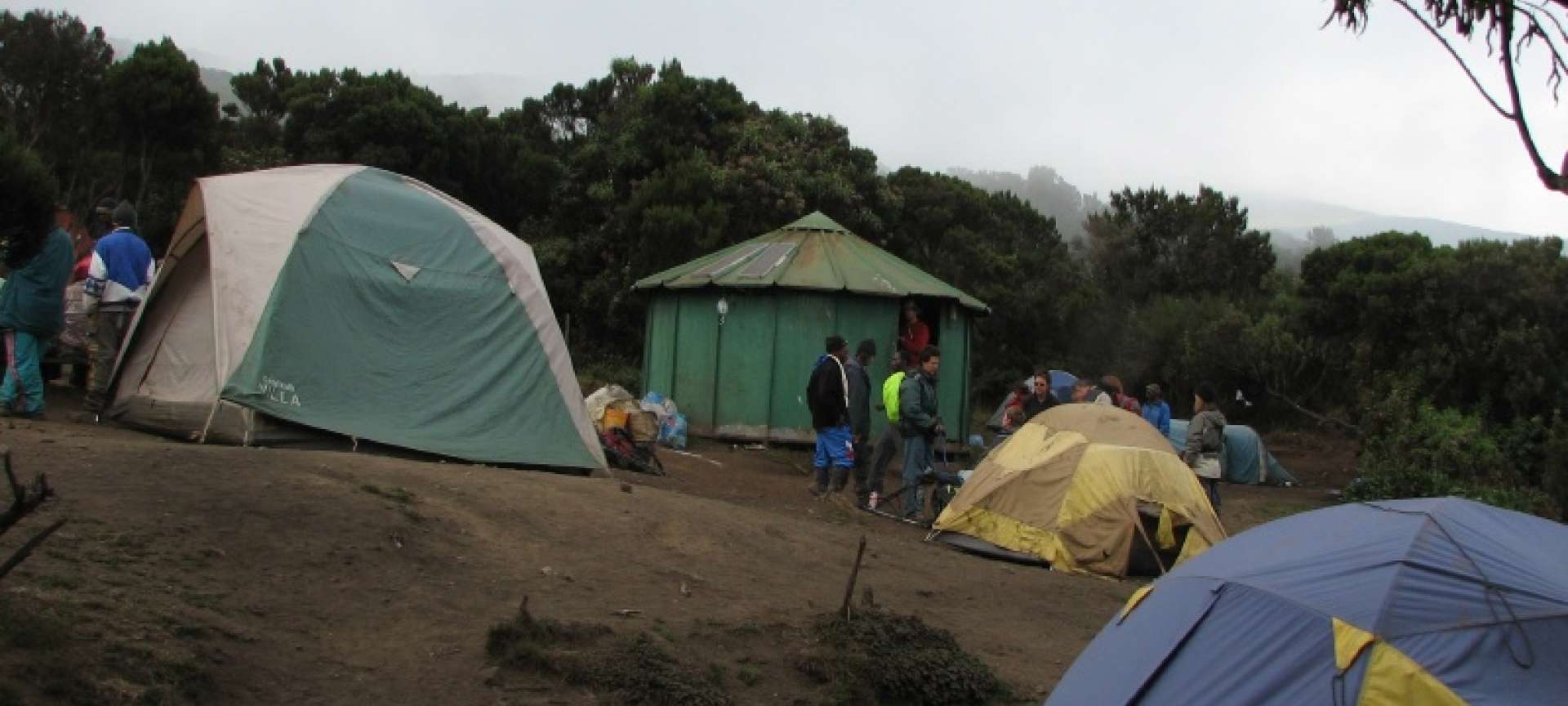
The drive from Moshi to the trailhead takes about 3 hours. We hike through the rainforest on a winding trail up a ridge. At lower elevations, the trail can be muddy and slippery. Gaiters and trekking poles are a good idea here. We continue a short distance until we reach the Shira Camp. Overnight at Shira 2 Camp.

sub image shi

Accommodation:

Meal: All meals included
Day 3: Hike Shira 2 Camp To Lava Tower To Barranco Camp

The Elevation: 3850m/12,600ft to 4000m/13,000ft

Distance: 10km/6mi
Walking Time: 5-6 hours
Habitat: Semi-desert

From the Shira Plateau to Barranco Camp

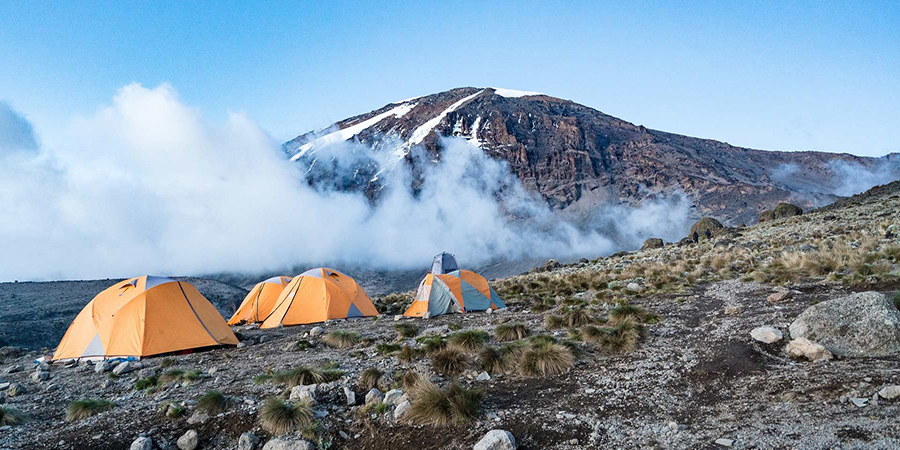
From the Shira Plateau, we continue to the east and up a ridge, passing the junction towards the peak of Kibo. As we continue, our direction changes to the southeast towards the Lava Tower, called the “Shark’s Tooth” (elev 4650m/15,250ft). Shortly after the tower, we come to the second junction, which goes to the Arrow Glacier. We now continue down to the Barranco Camp. Although you end the day around the same elevation as when you began, this day is significant for acclimatization. It will help your body prepare for summit day—an overnight at Barranco Camp.

sub image shi1

Accommodation:

Meal: All meals included
Day 4: Hike Barranco Camp To Karanga Camp

Elevation: 4000m/13,000ft to 4050m/13,250ft Distance: 5km/3mi Hiking Time: 34 hours Habitat: Alpine Desert

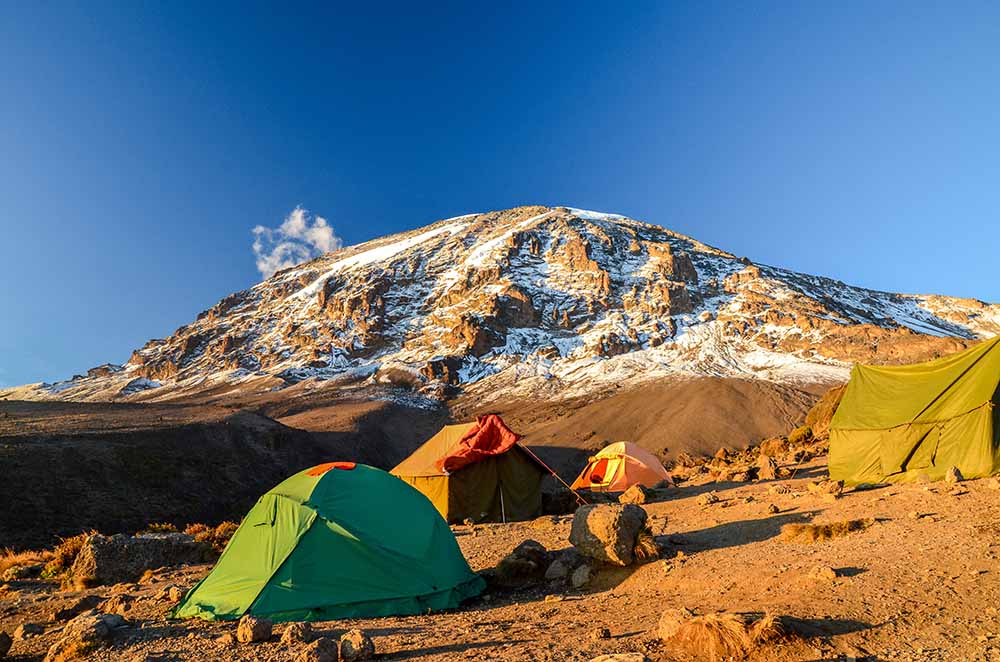
After breakfast, we leave Barranco and continue on a steep ridge up the Barranco Wall to the Karanga Valley and the junction which connects with the Mweka Trail—an overnight at Karanga Camp.

sub image shi2

Accommodation:

Meal: All meals included
Day 5: Hike Karanga Camp To Barafu Camp

Elevation: 4050m/13,250ft to 4700m/15,350ft Distance: 4km/2mi Hiking Time: 3-4 hours Habitat: Alpine Desert

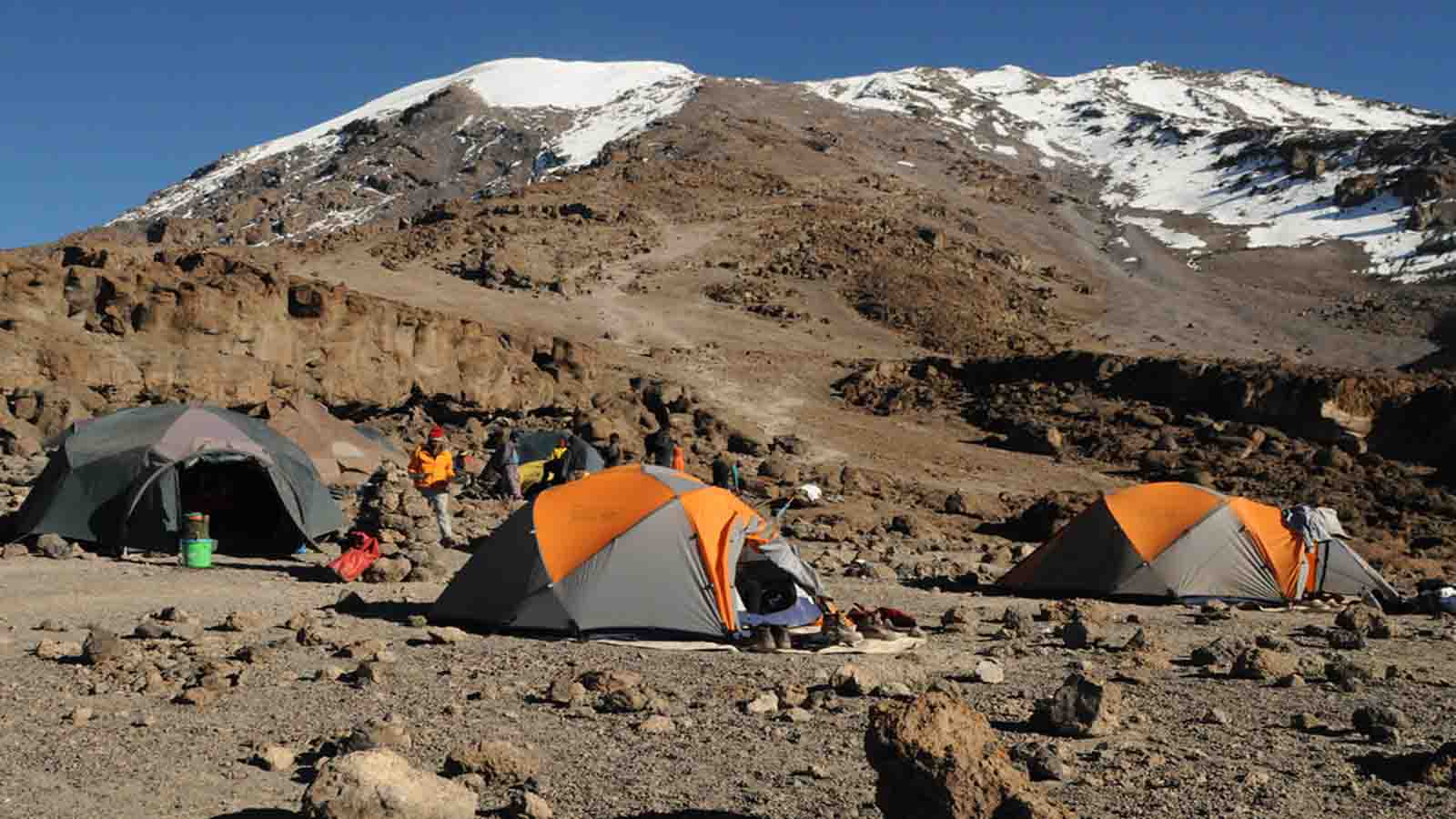
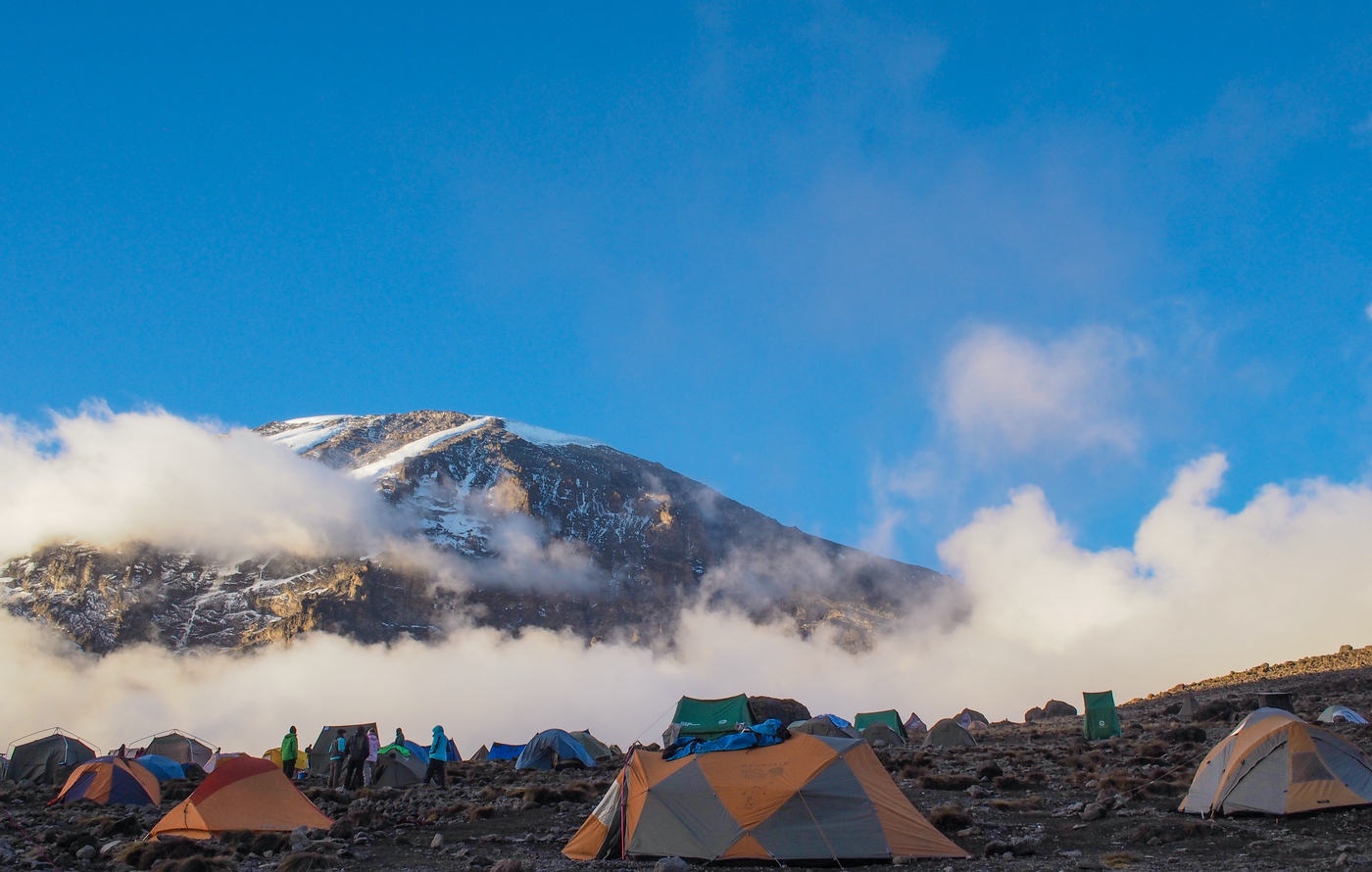
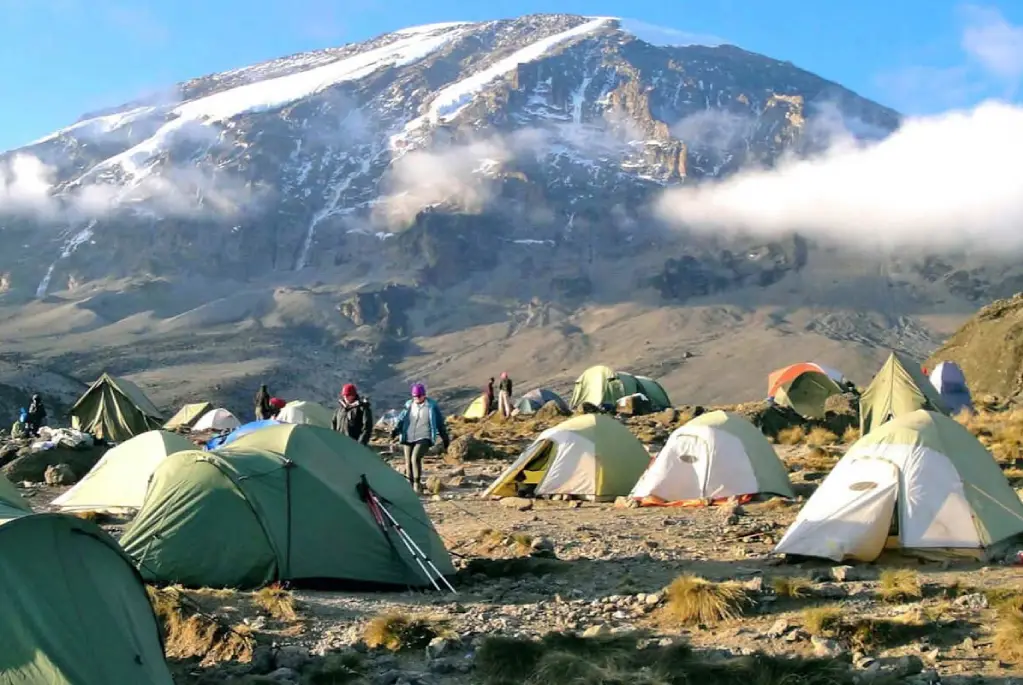
We continue up to the Barafu Camp. You have completed the South Circuit, which offers views of the summit from many angles. Here, we camp, rest, enjoy dinner, and prepare for the summit day—an overnight at Barafu Camp.

sub image shi3

Accommodation:

Meal: All meals included
Day 6: Hike Barafu Camp To Summit, Down To Mweka Camp

Elevation: 4700m/15,350ft to 5895m/19,340ft Down to 3090m/10,150ft

Distance: 5km/3mi up / 13km/8mi down
Hiking Time: 5-7 hours up / 5-6 hours down
Habitat:</strong> Stone scree and ice-capped summit

Summit Day: Midnight to 2 am Departure

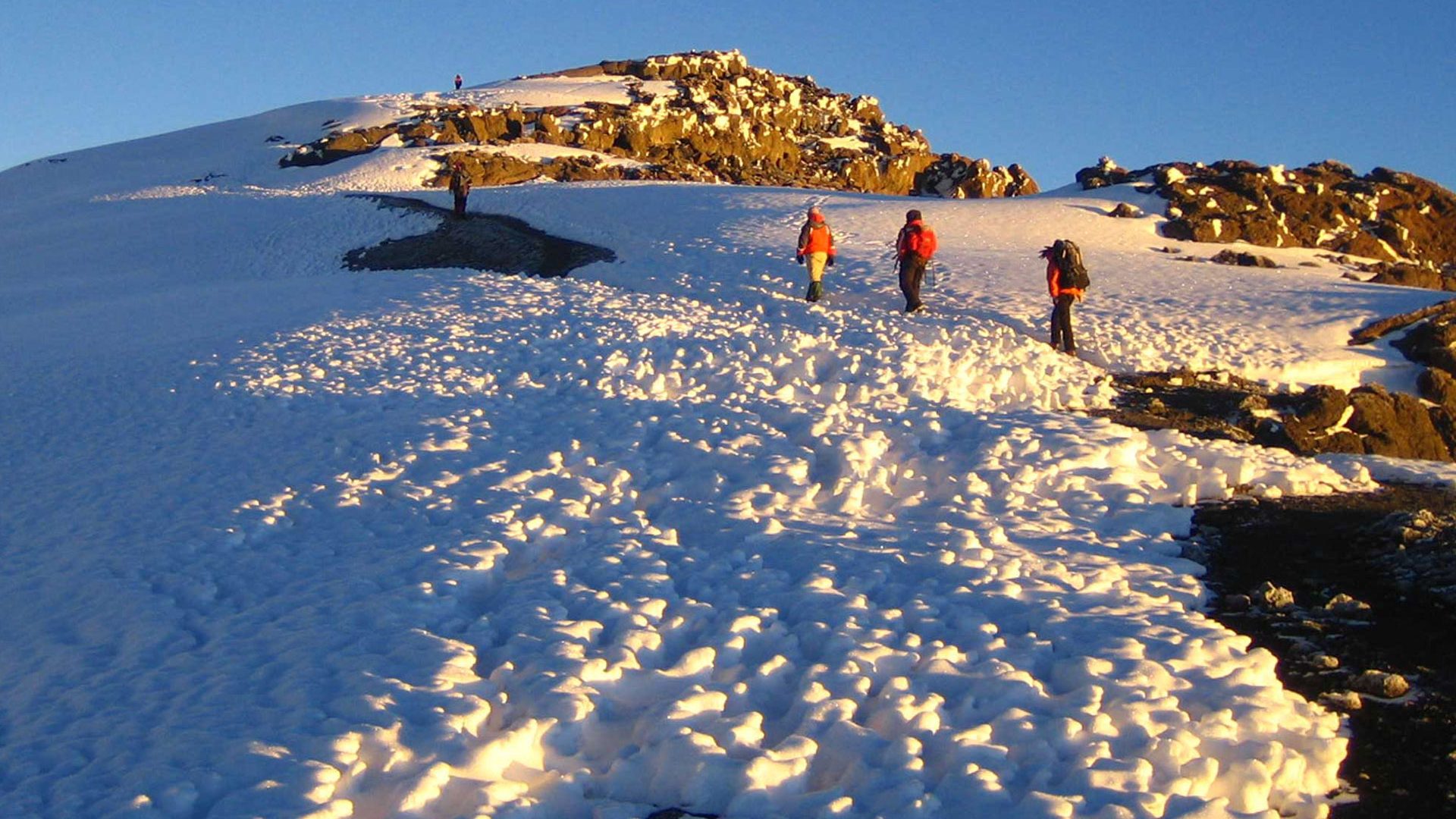
Very early in the morning (midnight to 2 am), we continue to the summit between the Rebmann and Ratzel glaciers. You head northwesterly and ascend through heavy scree towards Stella Point on the crater rim. This is the most mentally and physically challenging portion of the trek. At Stella Point, you will stop for a short rest and be rewarded with the most magnificent sunrise you are ever likely to see. Faster hikers may view the sunrise from the summit.

Ascent to Uhuru Peak

You may encounter snow on your one-hour ascent to the summit from Stella Point. Once at Uhuru Peak, you have reached the highest point on Mount Kilimanjaro and the continent of Africa!

Descent to Mweka Camp

We descend from the summit to Mweka Camp, stopping at Barafu for lunch. Because of the loose gravel, you may want gaiters and trekking poles. We arrive at Mweka Camp and enjoy our last evening on the mountain—an overnight stay.

OLYMPUS DIGITAL CAMERA

Accommodation:

Meal: All meals included
Day 7: Hike Mweka Camp To Mweka Gate, Drive To Moshi

Elevation: 3090m/10,150ft to 1680m/5500ft

Distance: 10km/6mi
Hiking Time: 3-4 hours
Habitat: Forest

Descent to Mweka Park Gate

After breakfast, we will descend to the Mweka Park Gate to receive your summit certificates. At lower elevations, it can be wet and muddy, so gaiters and trekking poles will help. Shorts and T-shirts will probably be sufficient to wear, but keep rain gear and warmer clothing handy.

Journey to Mweka Village

From the gate, continue another hour to Mweka Village. A vehicle will meet you there and drive you to your luxury accommodation in Arusha, Gran Melia Hotel.

Celebrate Your Success

Once you arrive, take a well-deserved hot shower and relax. Then, celebrate your successful climb with a delicious dinner and perhaps share stories and memories of your journey.

  • Also, driving Distance: 135 / km (2 Hours)
mweka-camps

Accommodation:

Meal: All meals included
Day 8: Departure After breakfast

Our representative will transfer you to Kilimanjaro International Airport for your flight departure. However, take the memories, the sense of accomplishment, and the everlasting bond with the majestic Mount Kilimanjaro. But if you decide to go on a Tanzania Safari, that’s a different adventure; we’ll take care of that for you!

departure

Accommodation:

Meal: Breakfast and Lunch

WHAT'S INCLUDES

Included

Excluded

FEATURED

10 Days Lemosho Route – Kilimanjaro Climb

11 Days Northern Circuit – The Ultimate Kilimanjaro Climb

Machame Route

9-Day Kilimanjaro Climb – Umbwe Route Adventure

7-Day Kilimanjaro Climb – Marangu Route (Coca-Cola Route)

8-day Kilimanjaro adventure via the Rongai Route

Planning a Trip to Tanzania?

Our team is always here to help

landing page form
  • Days
  • Accommodations
  • Travel Dates
  • Personal Details
How many days would you like your safari to be?

Plan Your KILIMAJARO Climbing Route

Our team is always here to help

kilimanjaro
  • STEP 1
  • STEP 1

lake manyara National Park

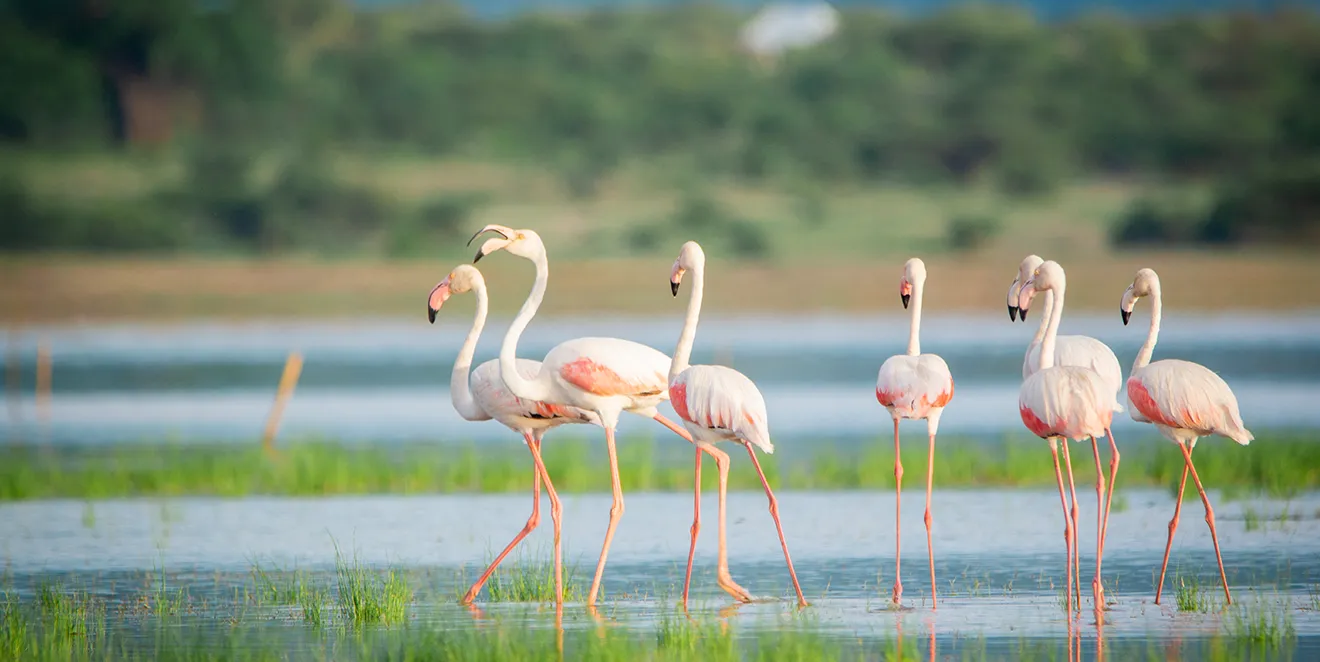
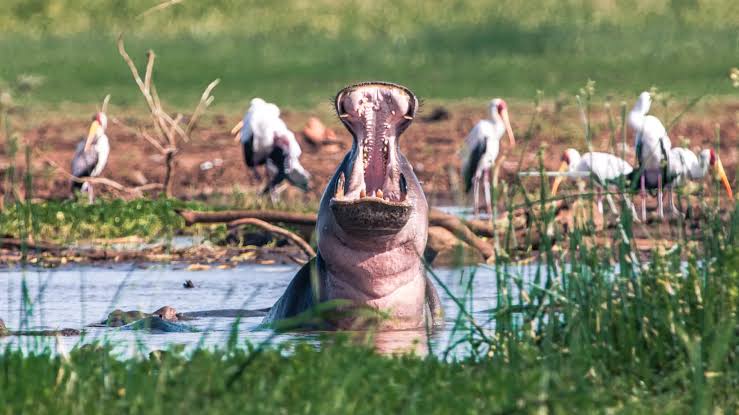
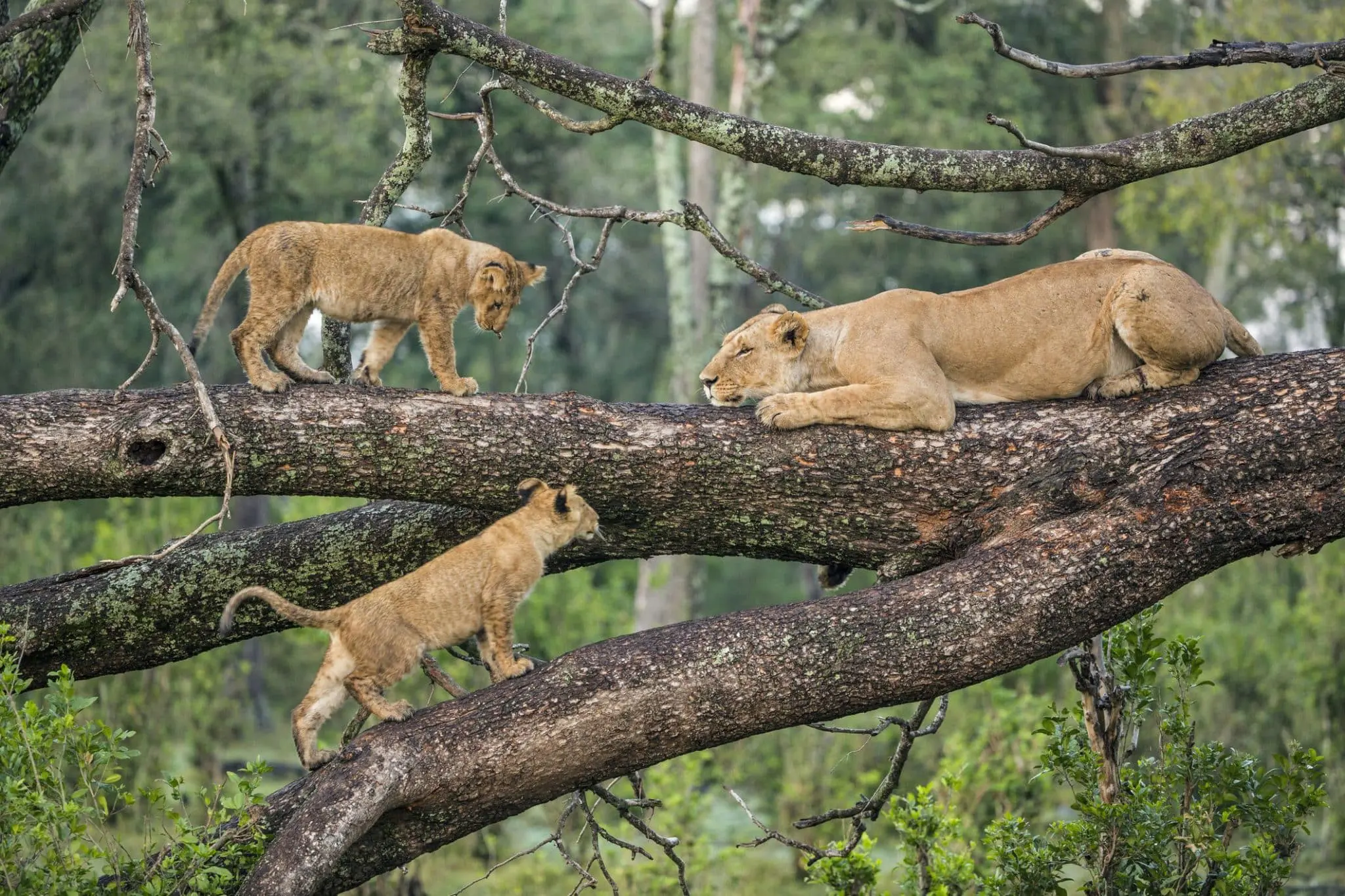
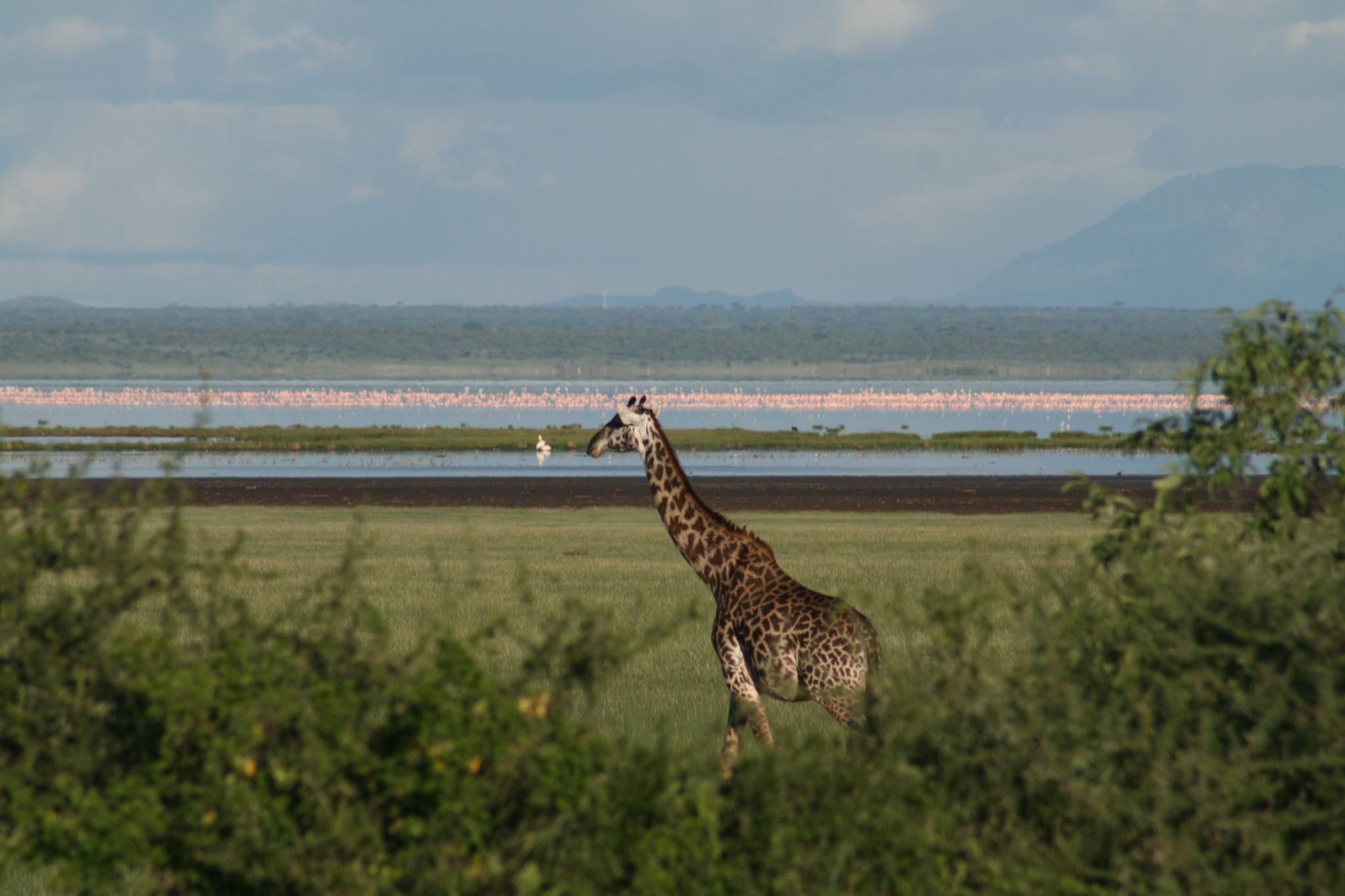
Lake Manyara National Park is a compact yet ecologically diverse wildlife sanctuary located in northern Tanzania, covering 325 square kilometers between the sheer cliffs of the Great Rift Valley Escarpment and the glassy waters of Lake Manyara. Nearly two-thirds of the park’s total surface area is occupied by the alkaline soda lake itself, which regularly draws millions of pink flamingos and other waterbirds to its shallow edges. The remaining terrain features a dramatic sequence of habitats, moving from a dense groundwater forest populated by massive troops of olive baboons and blue monkeys to open acacia woodlands famous for sheltering rare tree-climbing lions. Its rich environment provides critical feeding grounds for large herds of elephants, Cape buffaloes, giraffes, and hippos wallowing at the Mto wa Mbu entry points, offering a visually stunning, rapid safari experience right on the doorstep of the broader Northern Safari Circui

Ngorongoro National Park

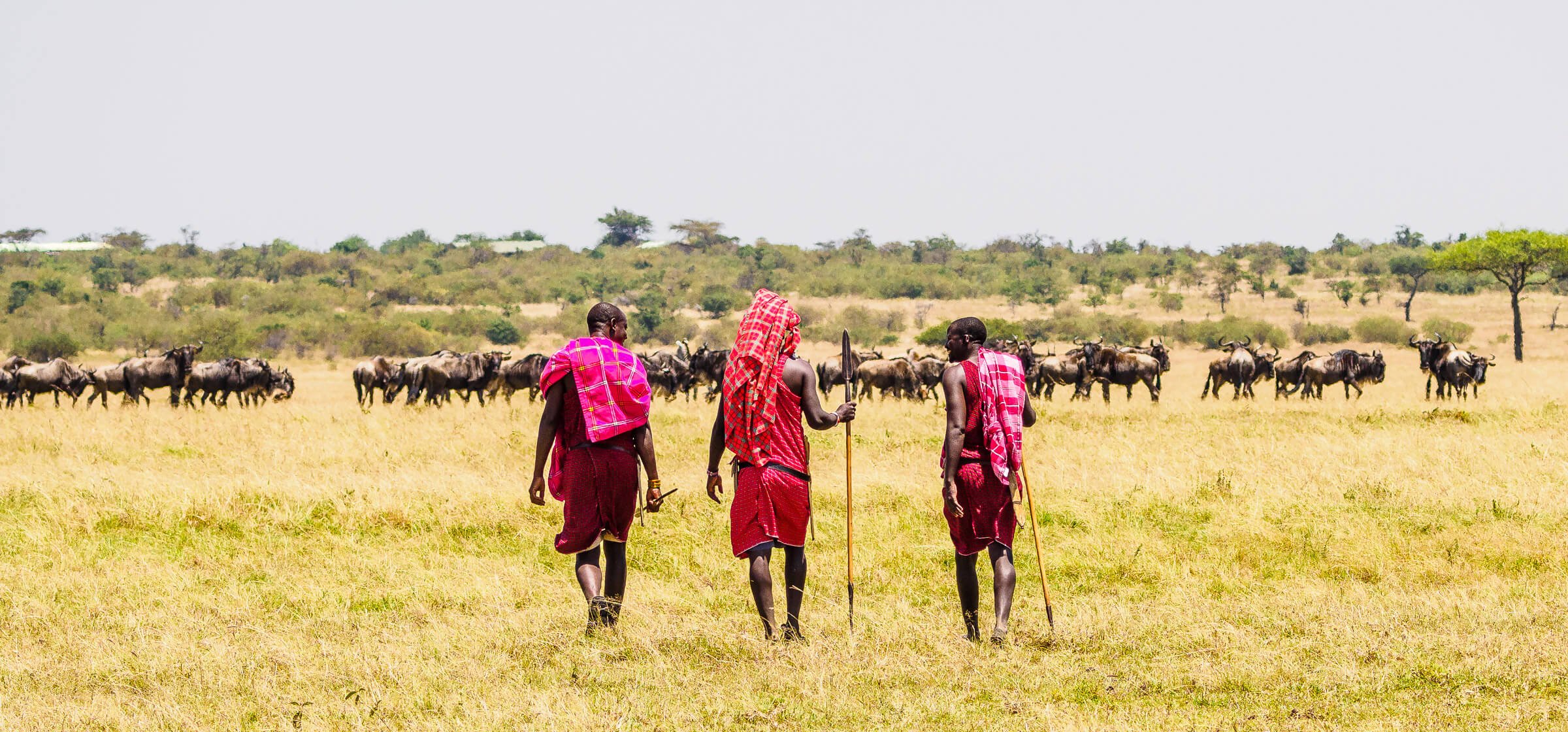
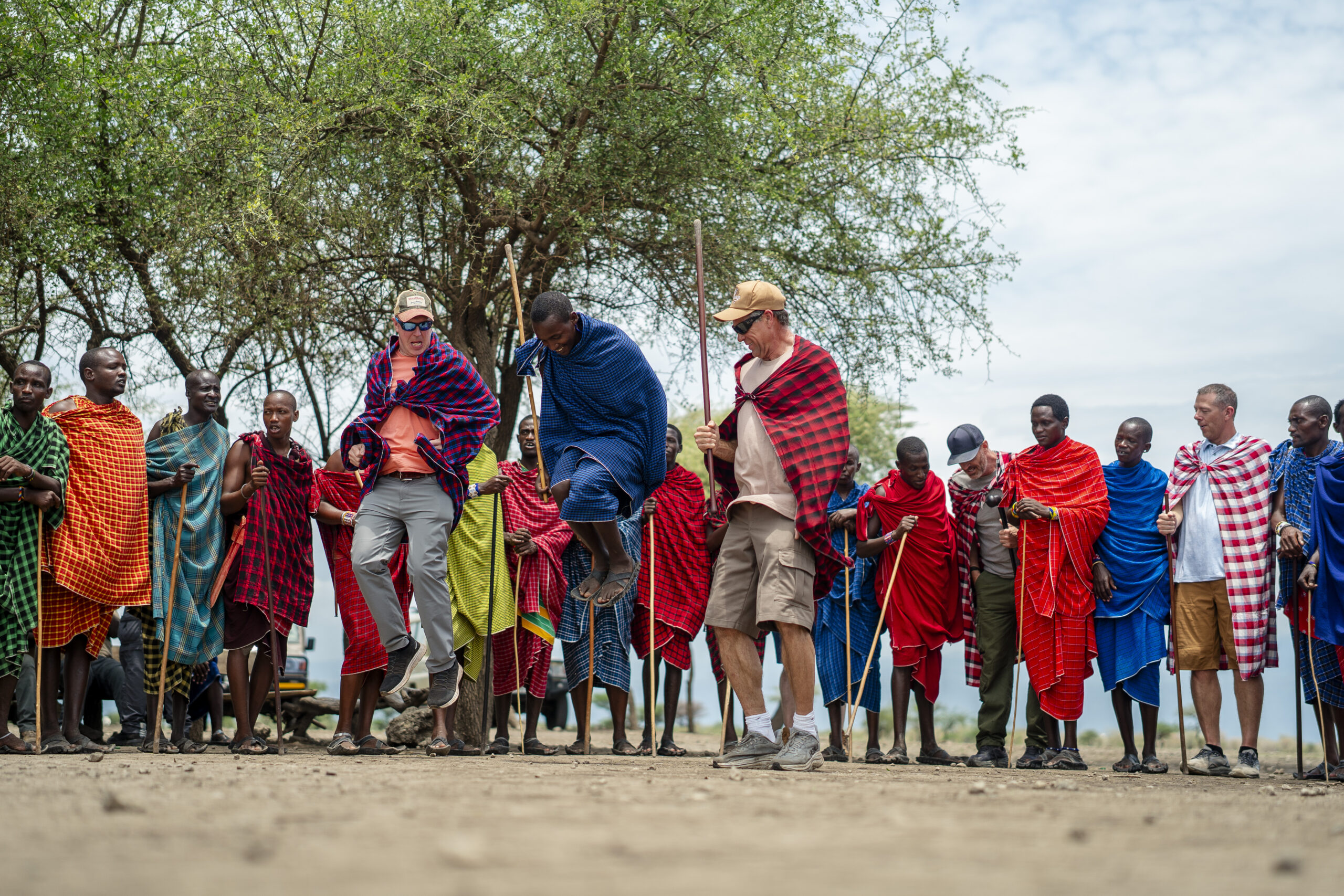
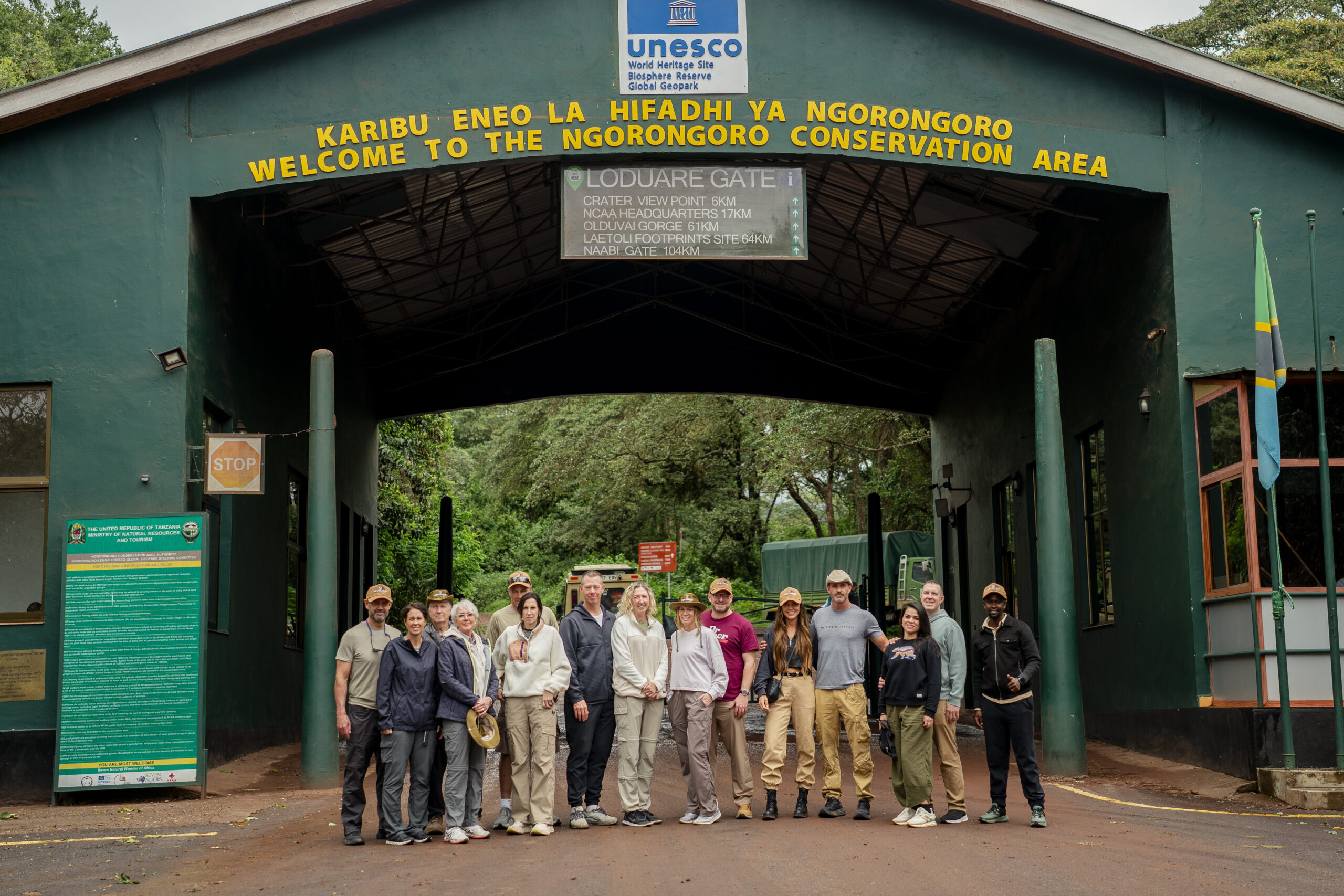
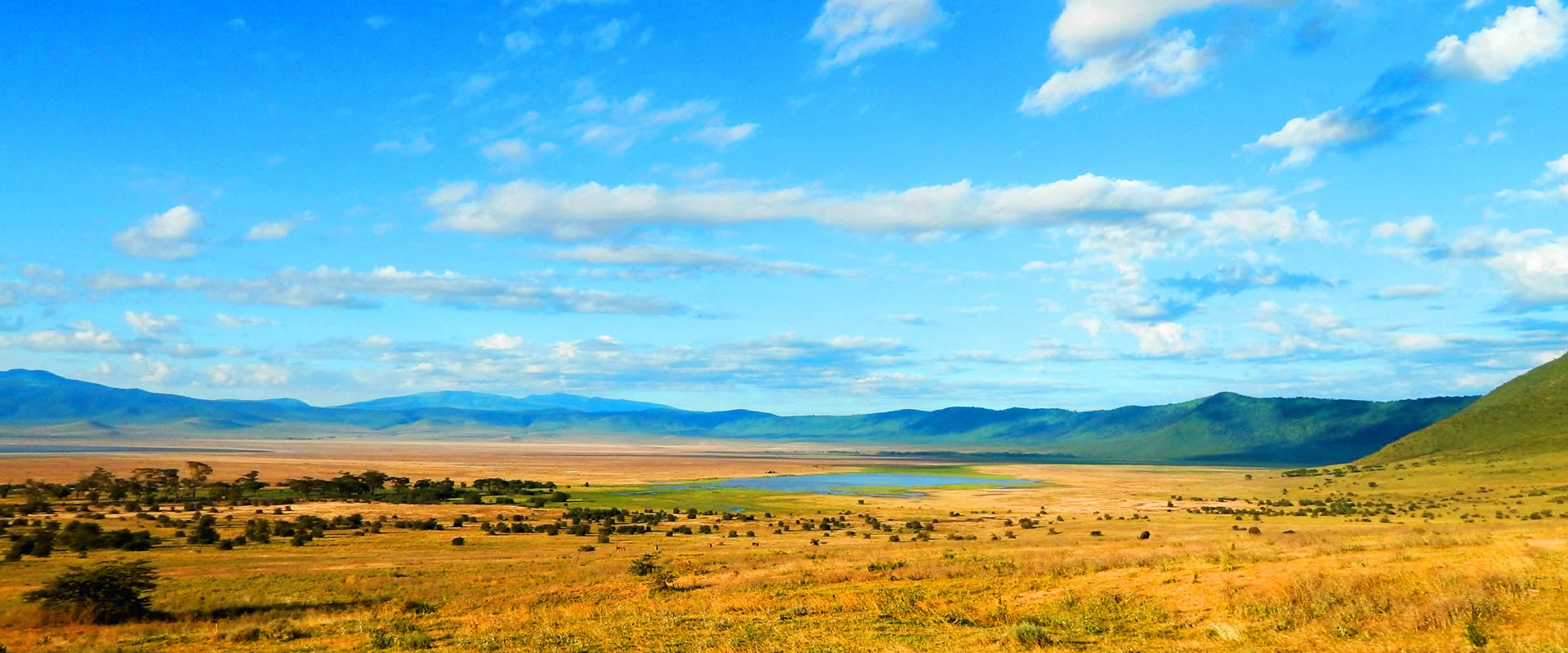
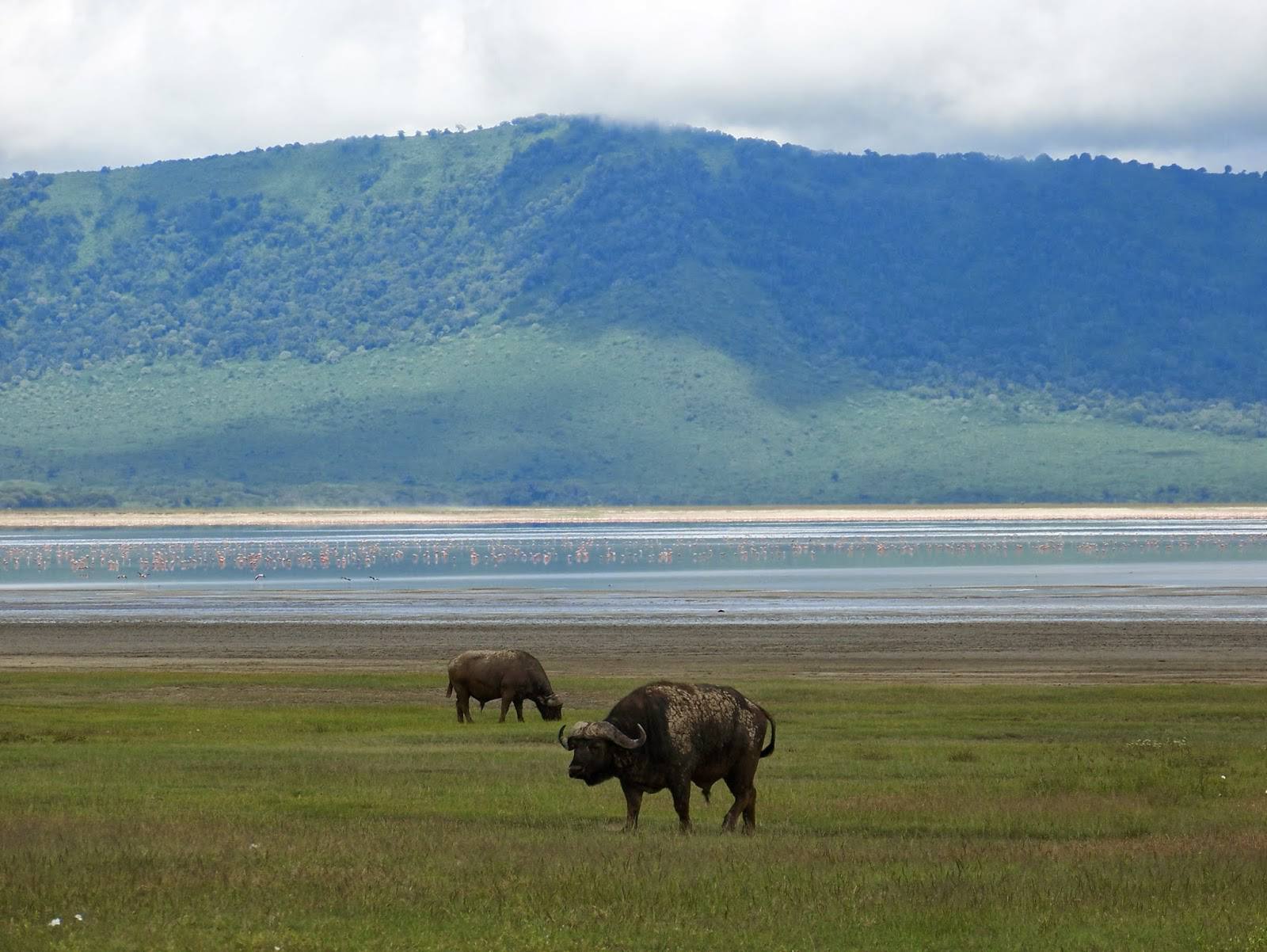
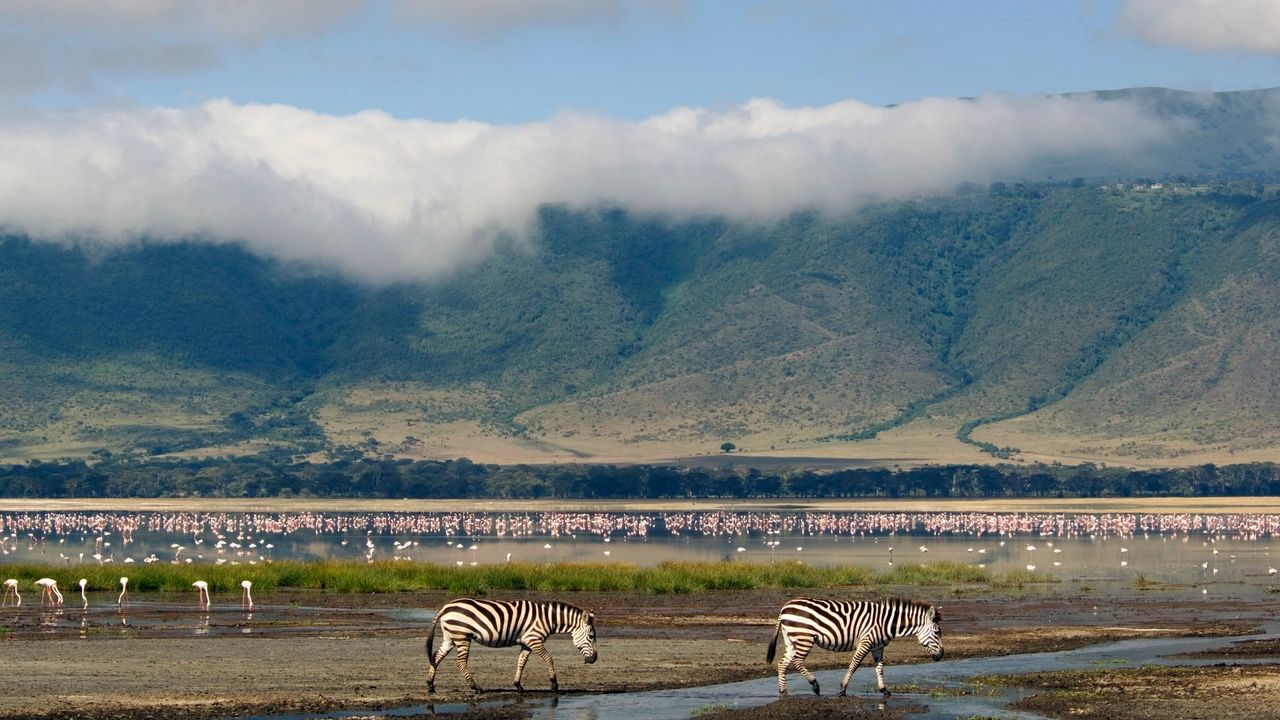
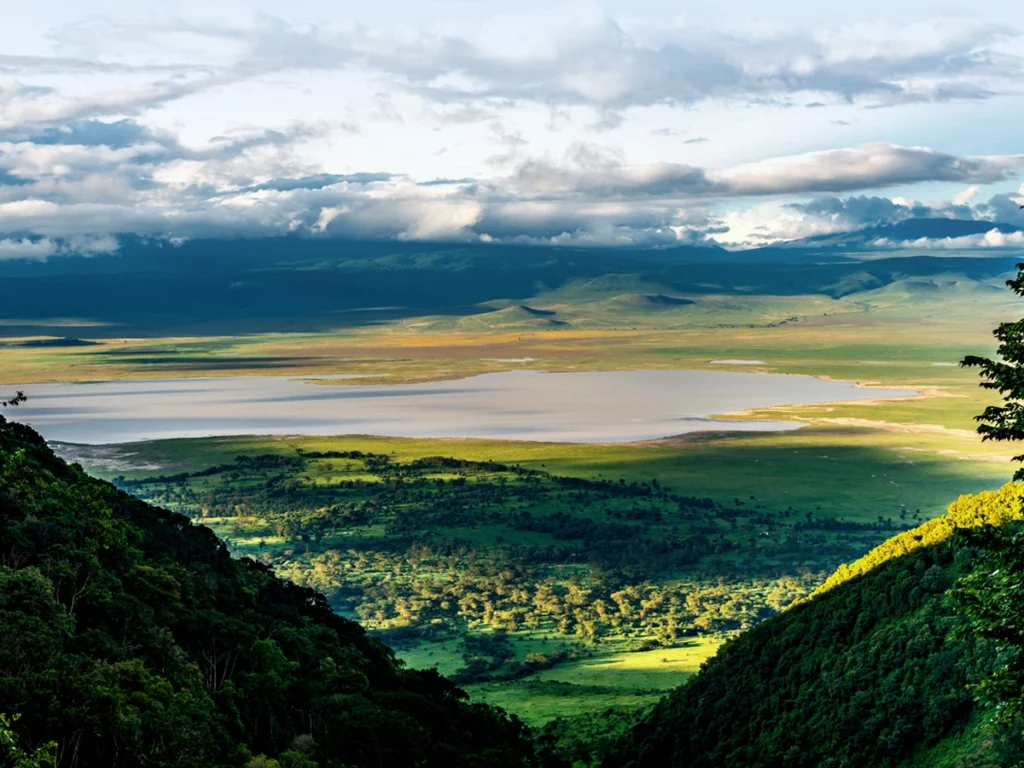
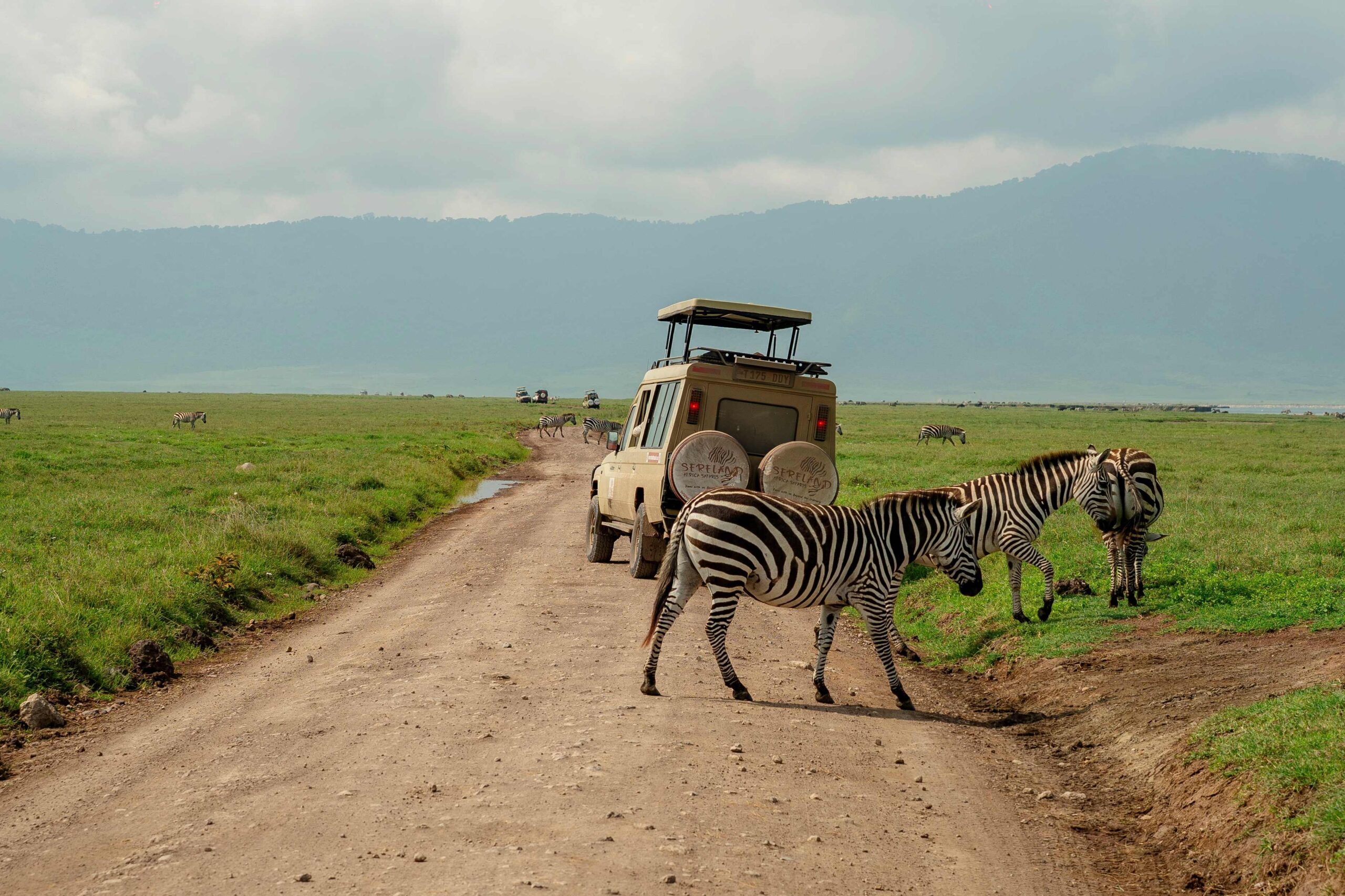
The Ngorongoro Conservation Area, frequently referred to as the Ngorongoro National Park, is a protected UNESCO World Heritage Site in northern Tanzania spanning 8,292 square kilometers across highland plains, savanna, and forests. At its heart lies the famous Ngorongoro Crater, the world’s largest inactive, intact, and unfilled volcanic caldera, which spans 260 square kilometers and drops 610 meters deep. This natural amphitheater functions as a self-sustaining eco-sanction sheltering roughly 30,000 large mammals, boasting the densest known population of mammalian predators in Africa—including prolific lion prides and spotted hyenas. Unlike traditional national parks, it operates as a multi-use territory where semi-nomadic Maasai pastoralists co-exist alongside the native wildlife, creating a globally unique socio-ecological landscape that also encompasses Olduvai Gorge, one of the most critical paleoanthropological sites for human origin research.

TARANGIRE National Park

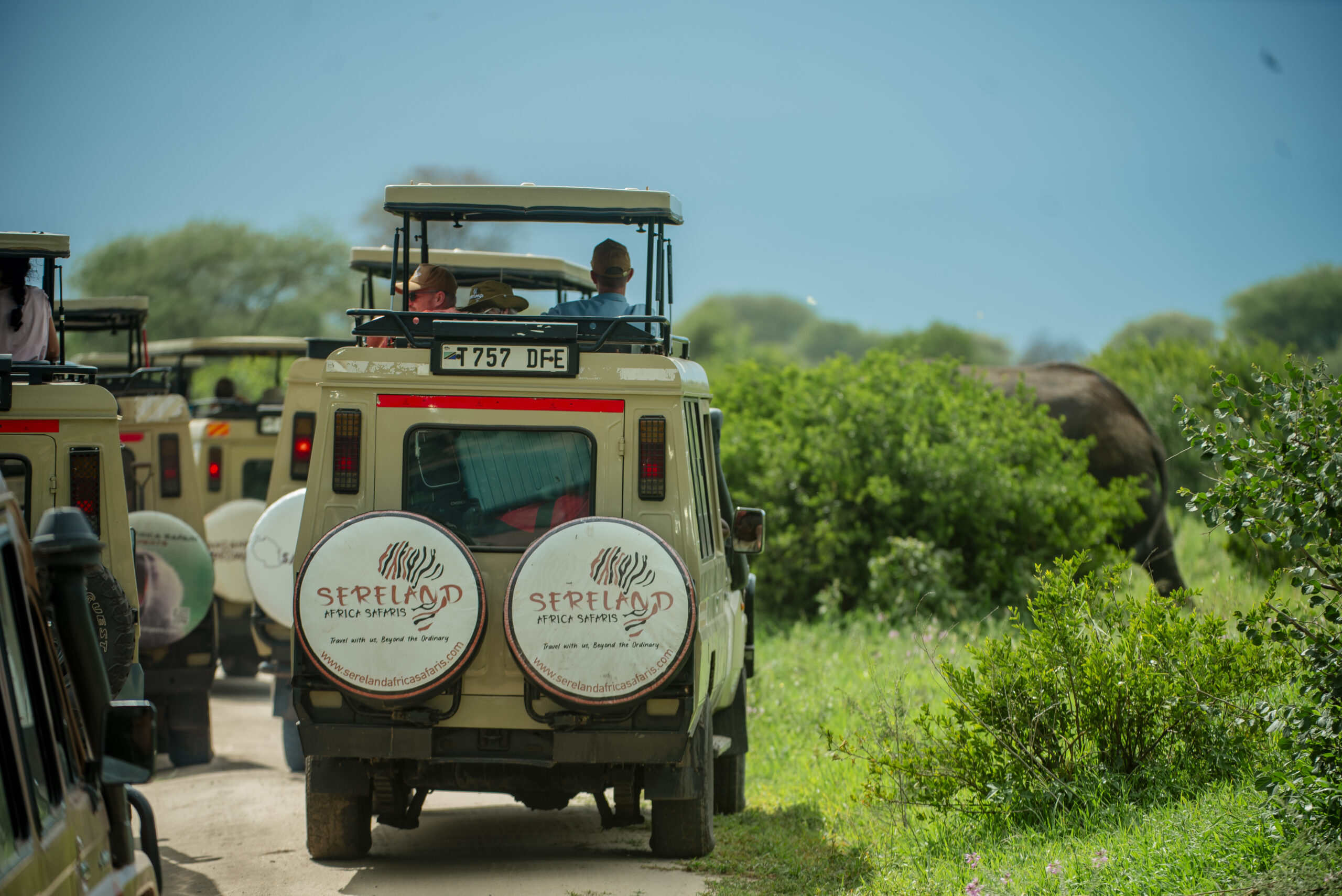
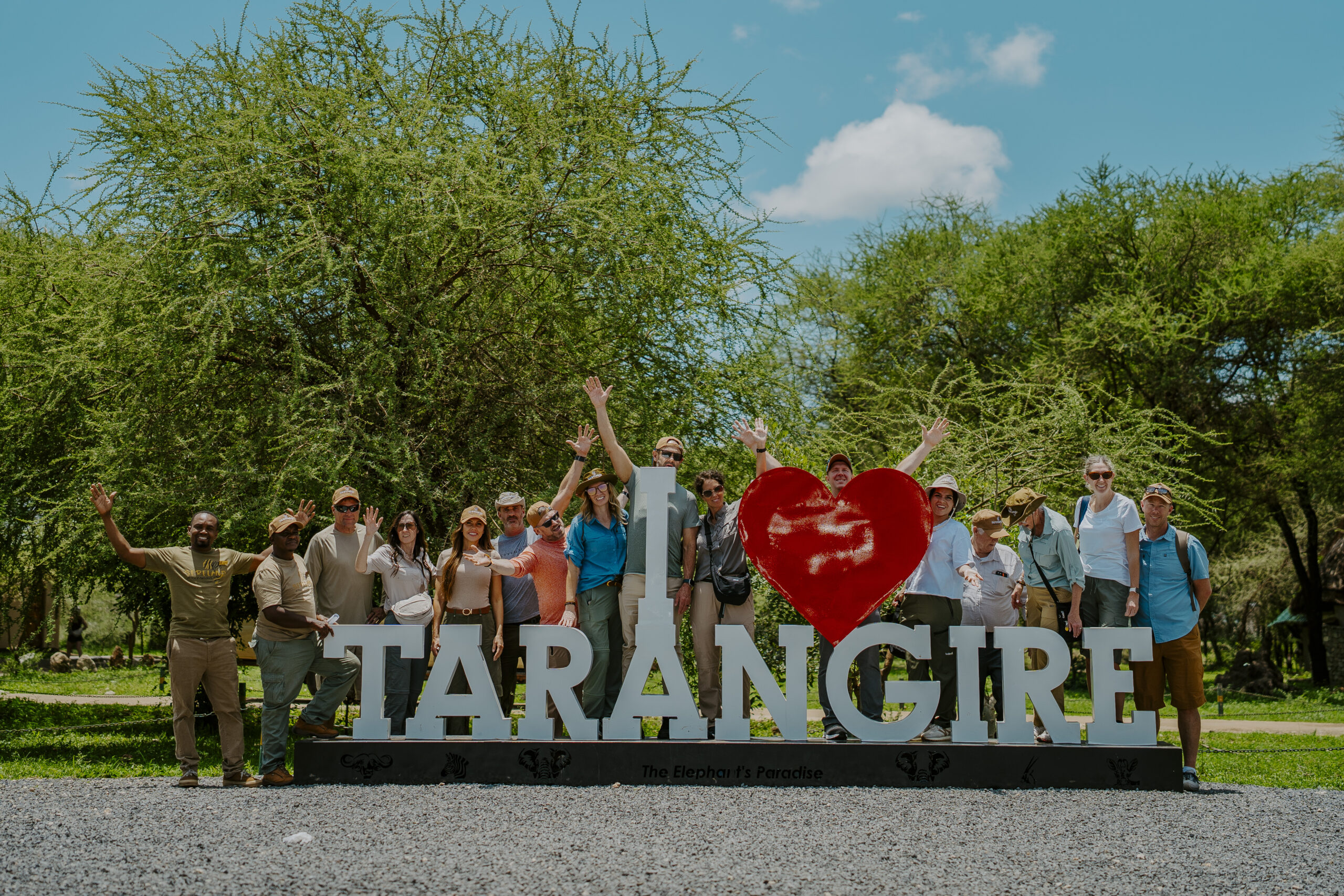
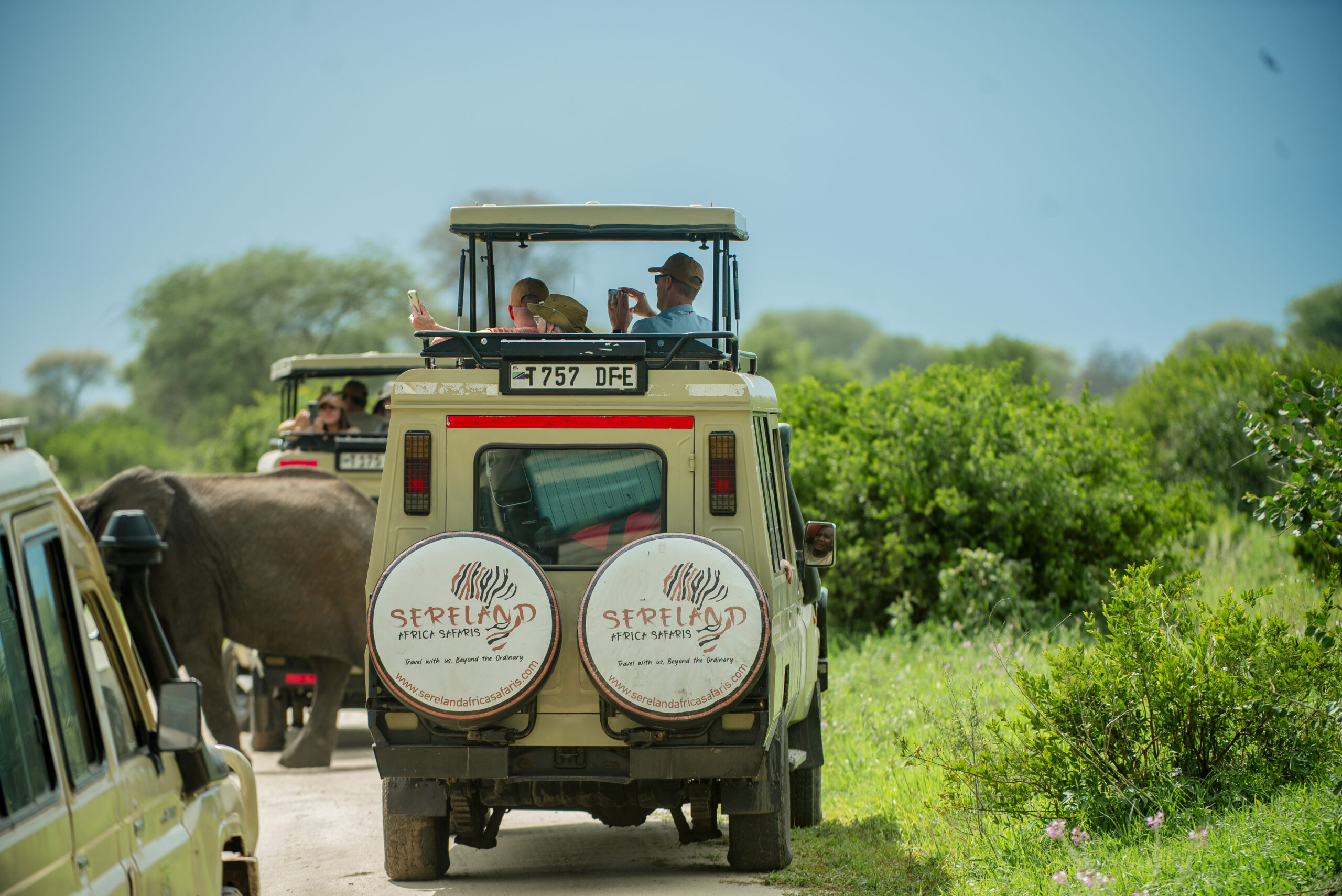
Tarangire National Park in Tanzania is a stunning wildlife sanctuary encompassing roughly 2,850 square kilometers in the Manyara Region, highly celebrated for its iconic baobab-studded landscapes and massive elephant populations. The park is bisected by the Tarangire River, which serves as the primary freshwater lifeline for thousands of migratory animals—including zebras, wildebeests, buffaloes, and elands—that converge on its banks during the annual dry season from June to October. Often described as a quieter, more intimate alternative to the Serengeti, Tarangire provides excellent big game viewing with high concentrations of lions, leopards, and cheetahs, alongside more than 550 distinct bird species.

Serengeti National Park

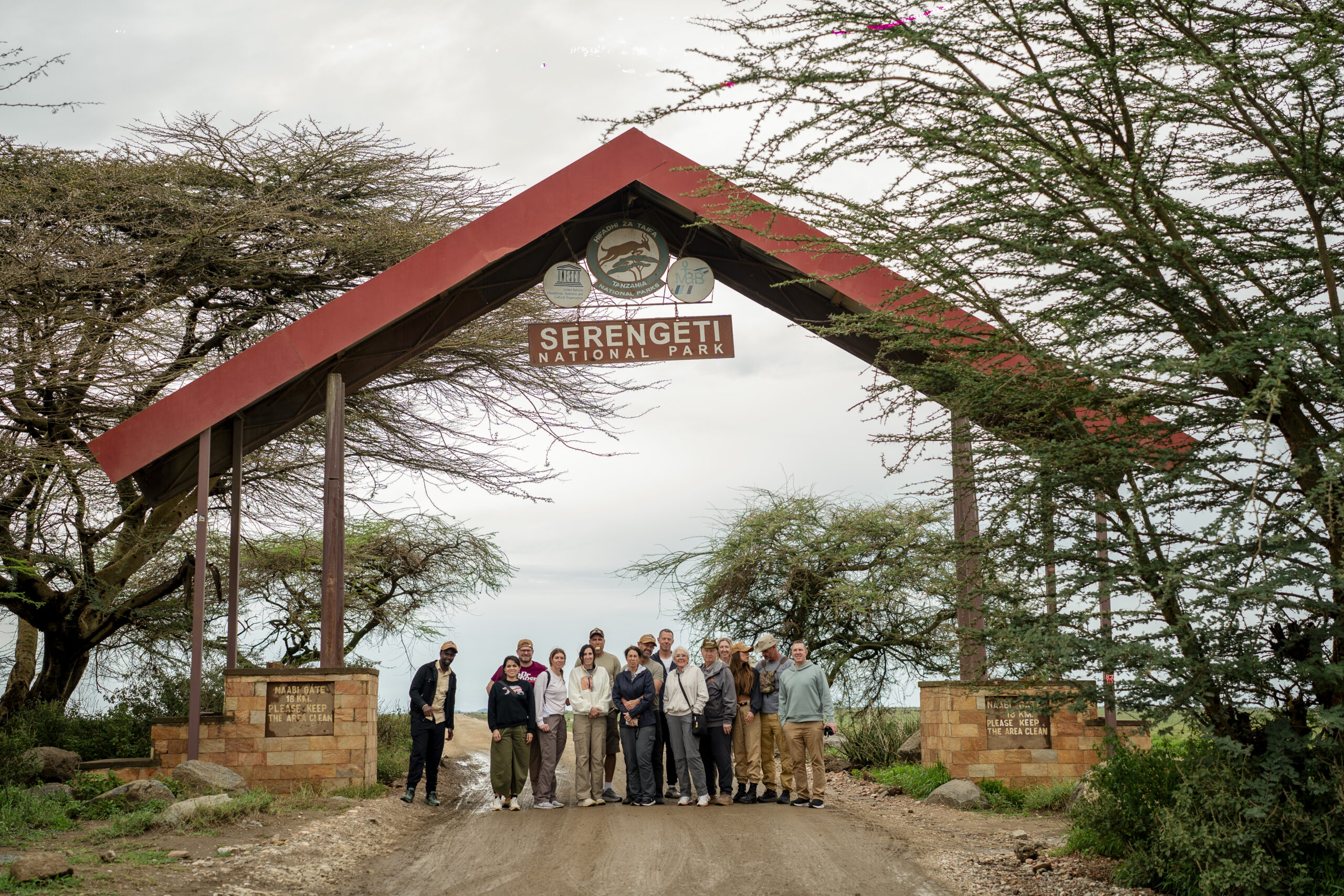
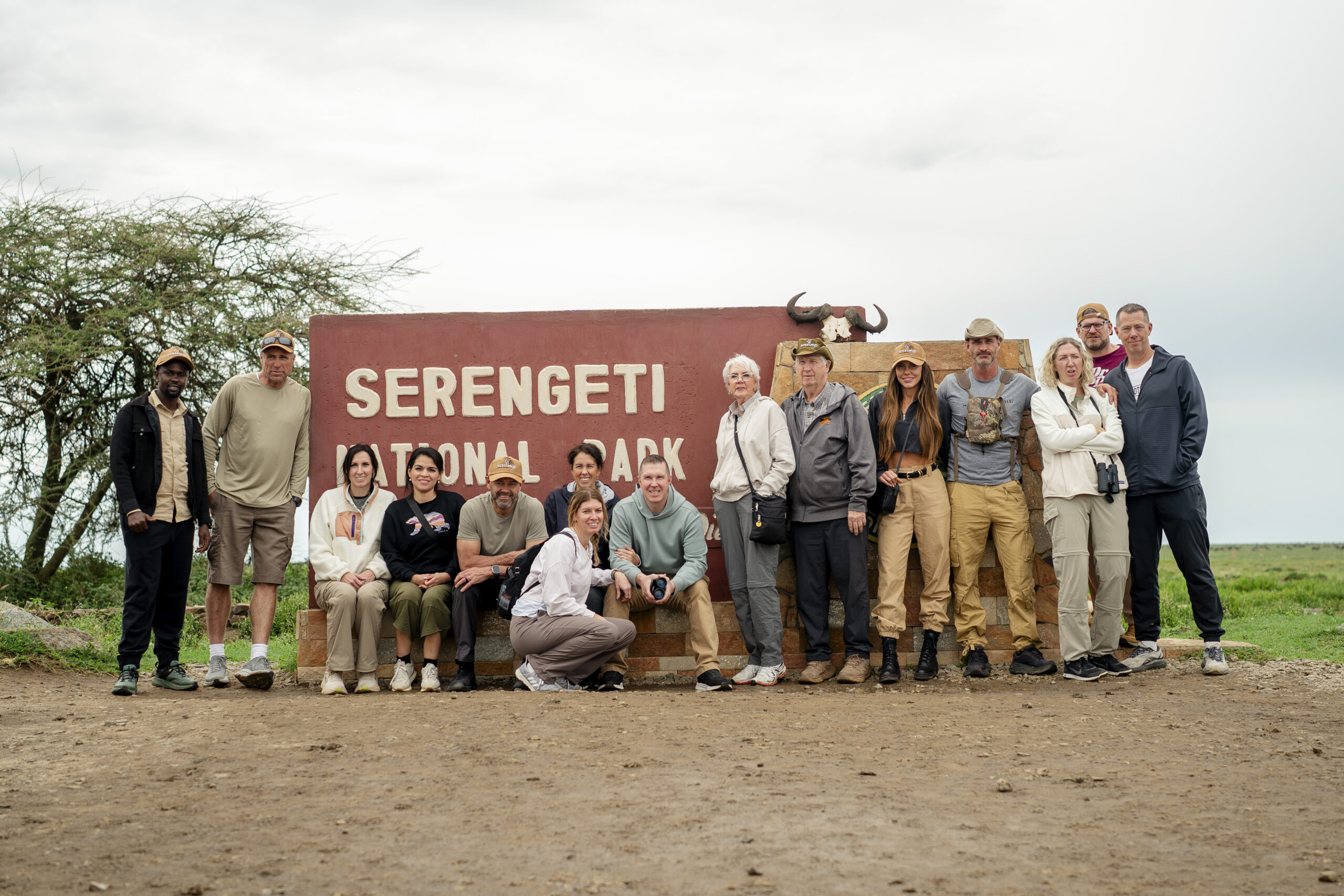
Serengeti National Park in Tanzania is a world-renowned wilderness area encompassing over 14,750 square kilometers of sprawling savanna, riverine forests, and woodlands. Famous for the Great Migration, the park plays host to millions of wildebeest, zebras, and gazelles as they trek across the plains in search of fresh pasture, closely pursued by a dense population of predators including lions, cheetahs, and leopards. As a designated UNESCO World Heritage Site, its unique ecosystems offer unparalleled wildlife viewing, making it a critical sanctuary for biodiversity and one of Africa’s premier safari destinations.