15 best things to do in Tanzania showcase the country’s diversity—from exploring the world-renowned Serengeti and spotting the Big Five, to climbing the majestic Mount Kilimanjaro or relaxing on the white-sand beaches of Zanzibar.
Whether you’re an adventure enthusiast seeking safari thrills or a traveler in search of peace and paradise, Tanzania has something to inspire every visitor. Dive into Maasai culture, wander through ancient towns like Stone Town, or cruise across the glassy waters of Lake Victoria. Each experience promises unforgettable memories and a deeper appreciation for this East African gem.
In this guide, you’ll discover the top activities that make Tanzania a dream destination—from witnessing the Great Migration to snorkeling off pristine coral reefs. Get ready to explore the very best that Tanzania has to offer.
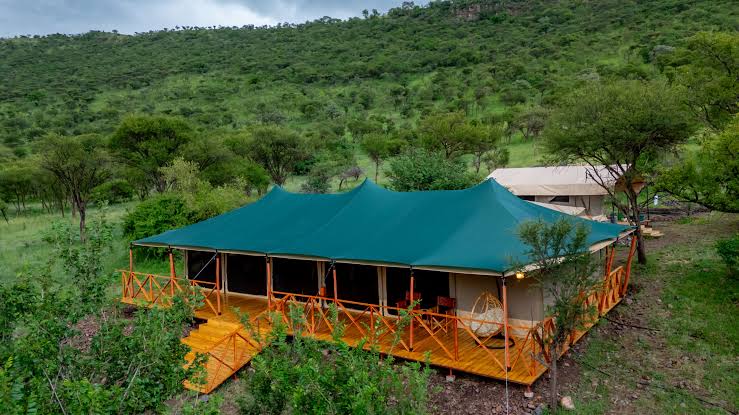
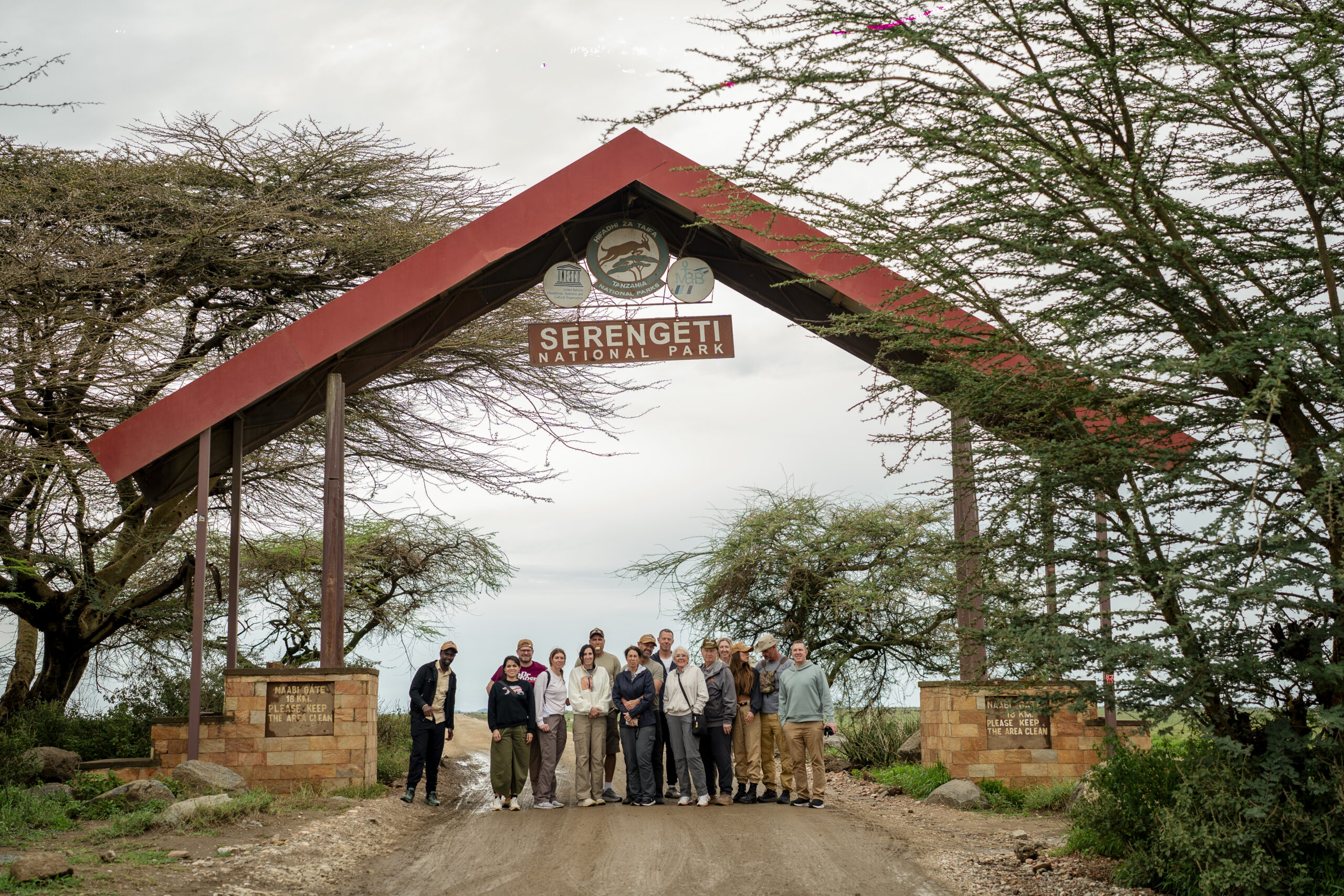
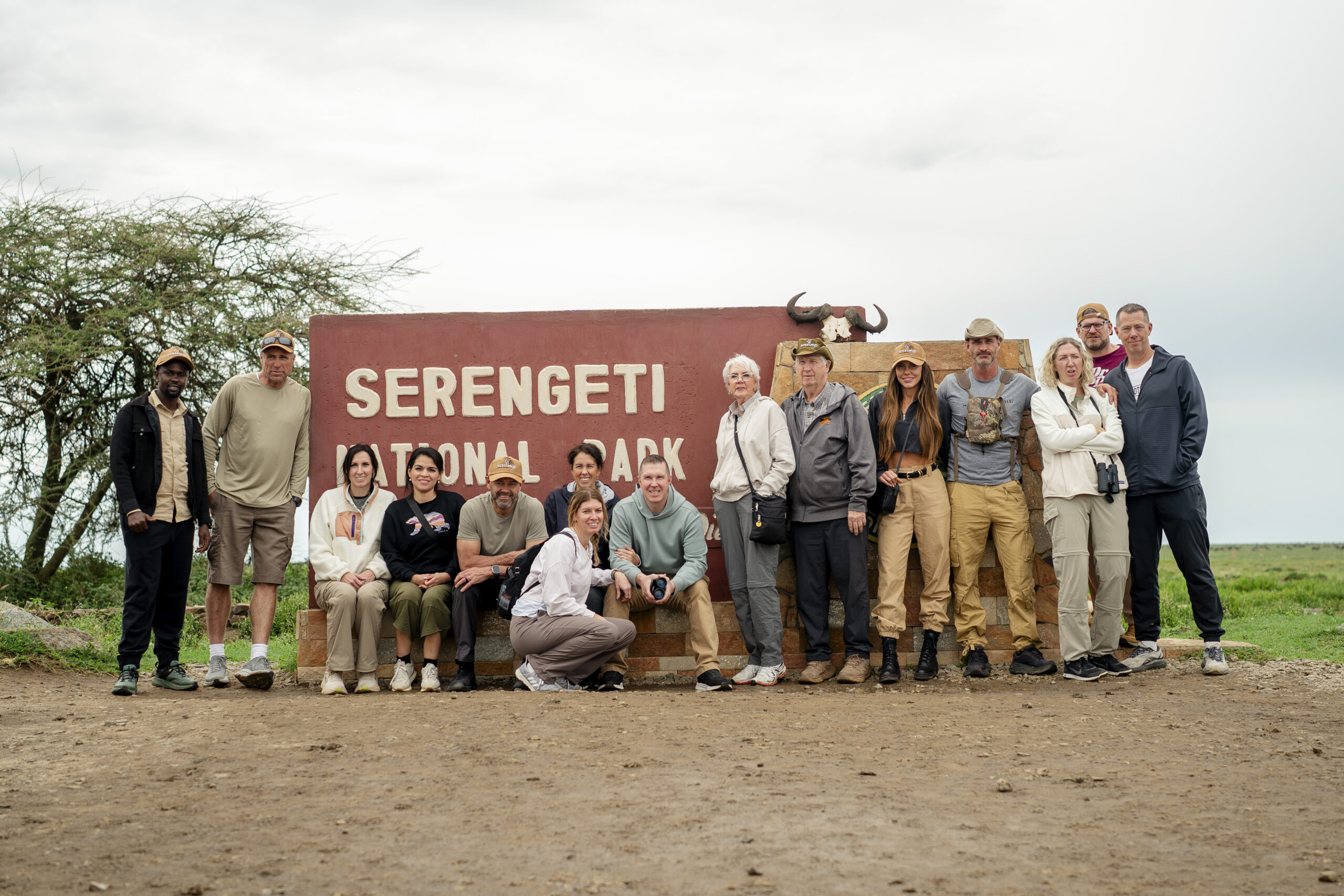
1. Explore Serengeti National Park
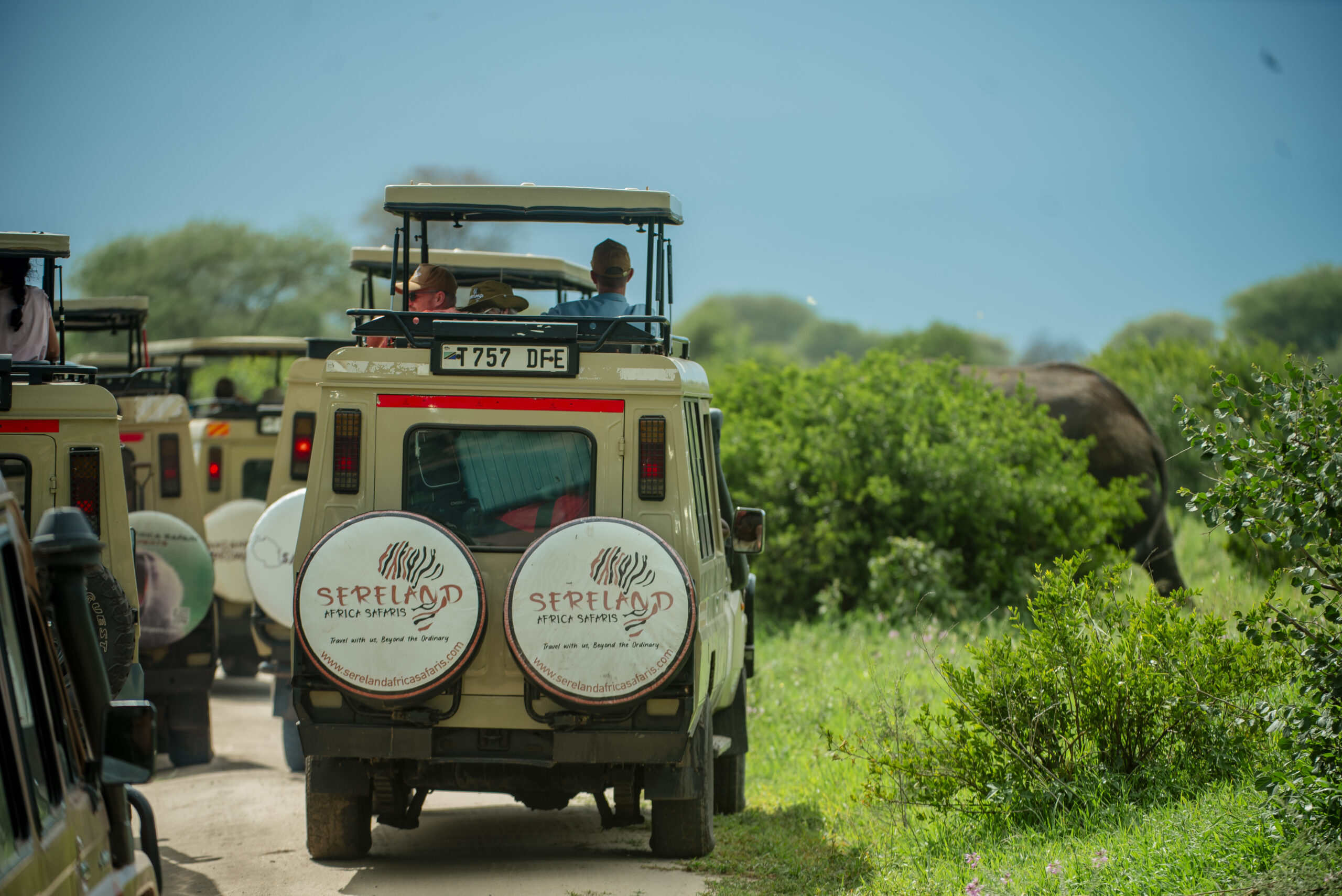
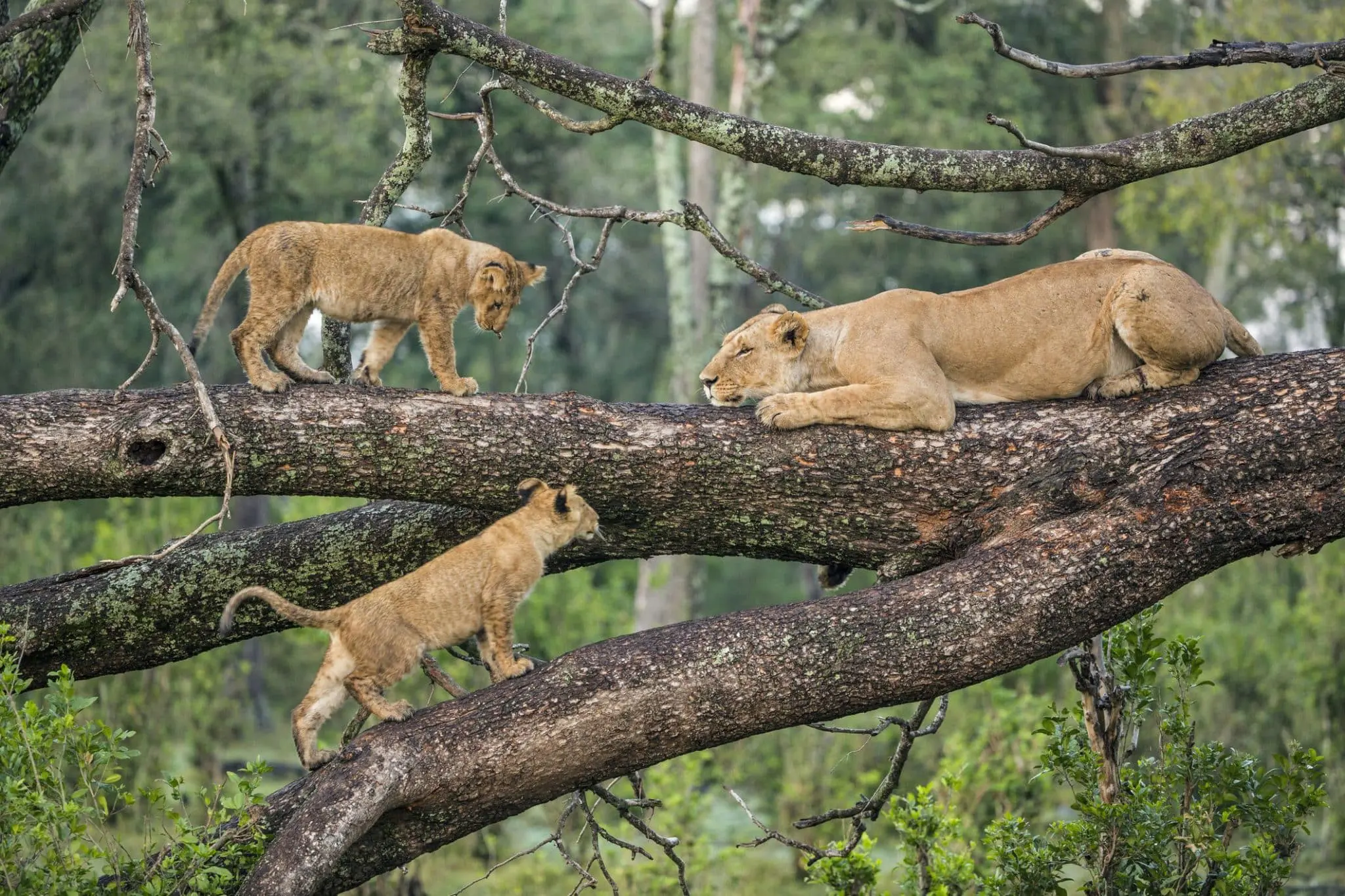
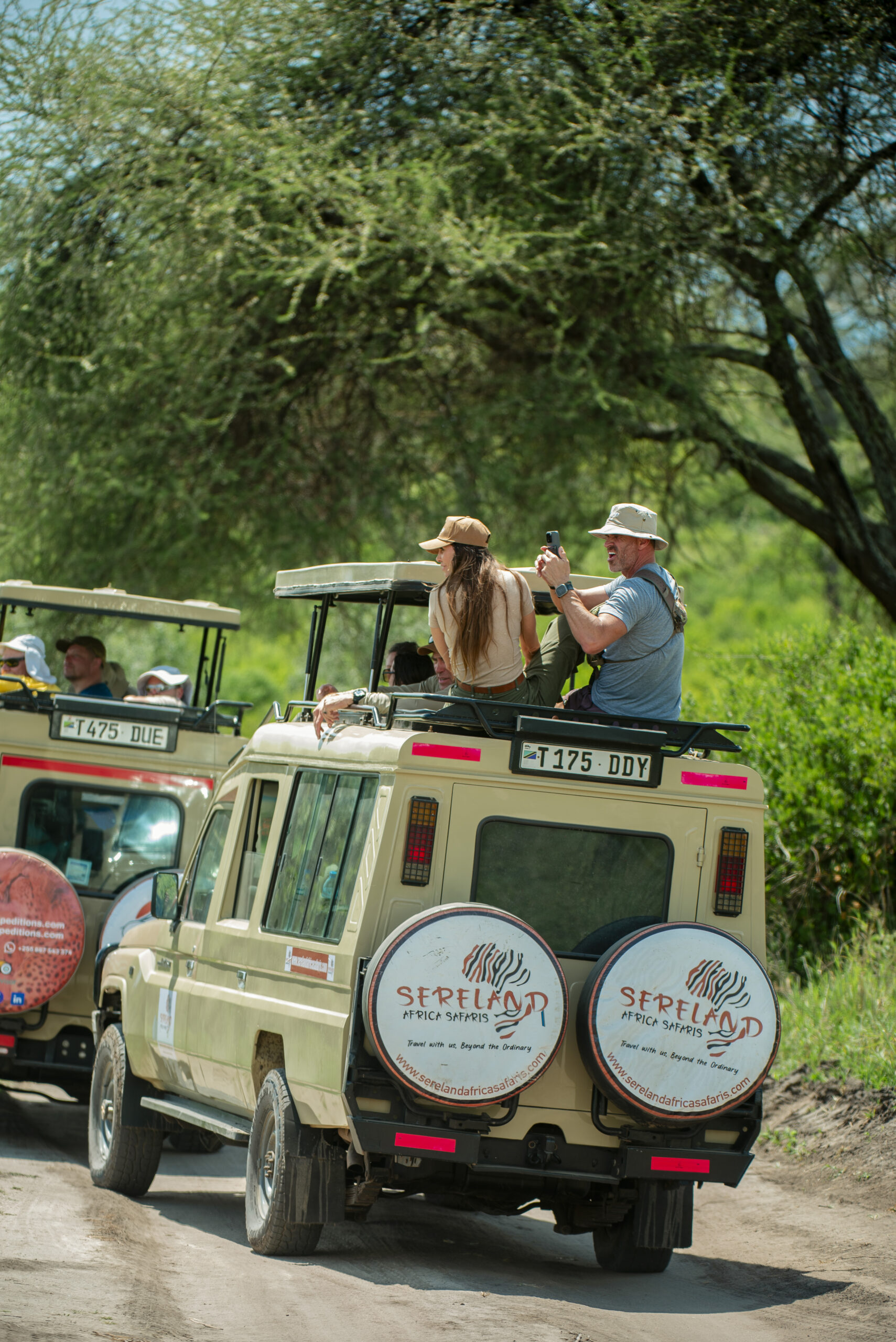
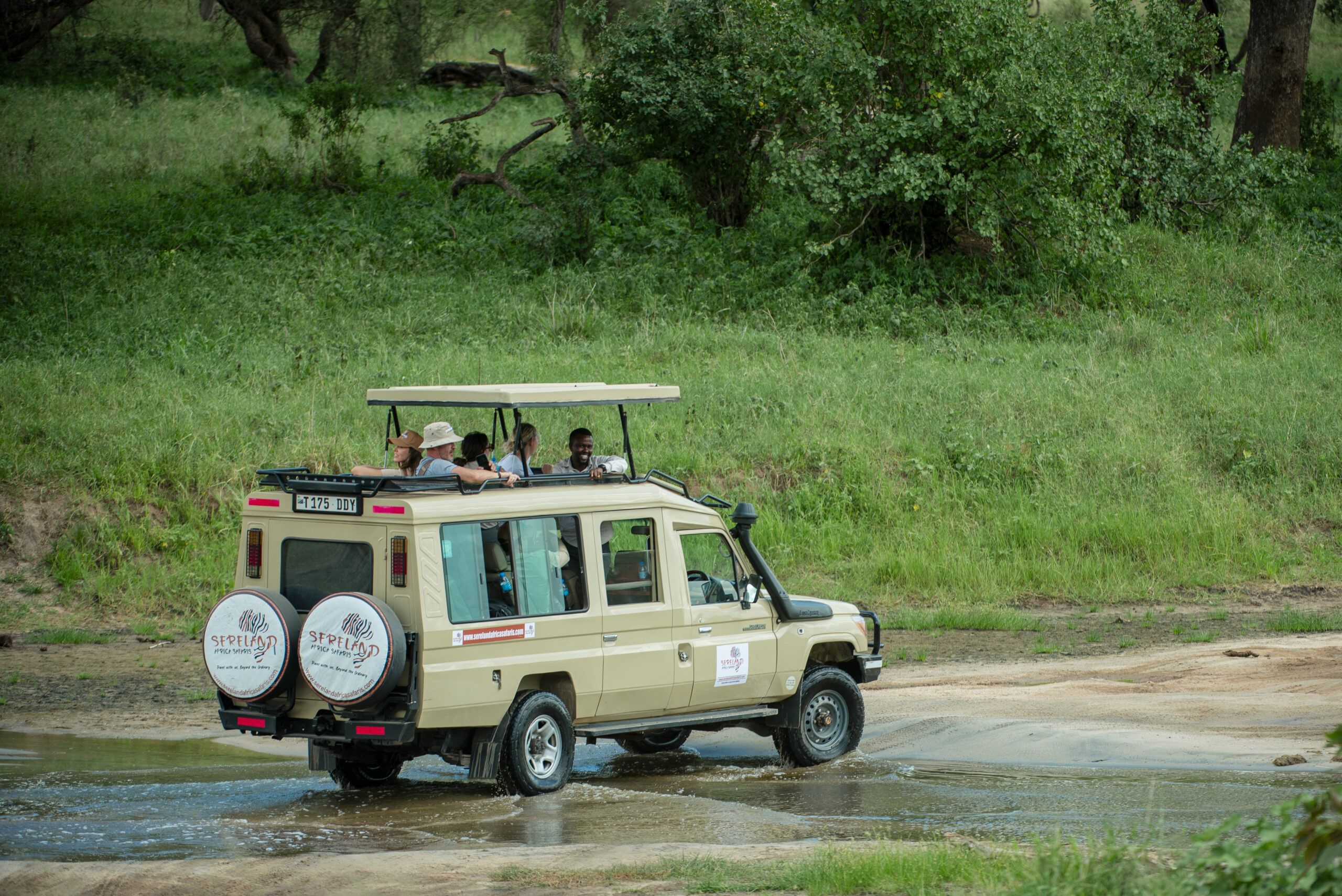
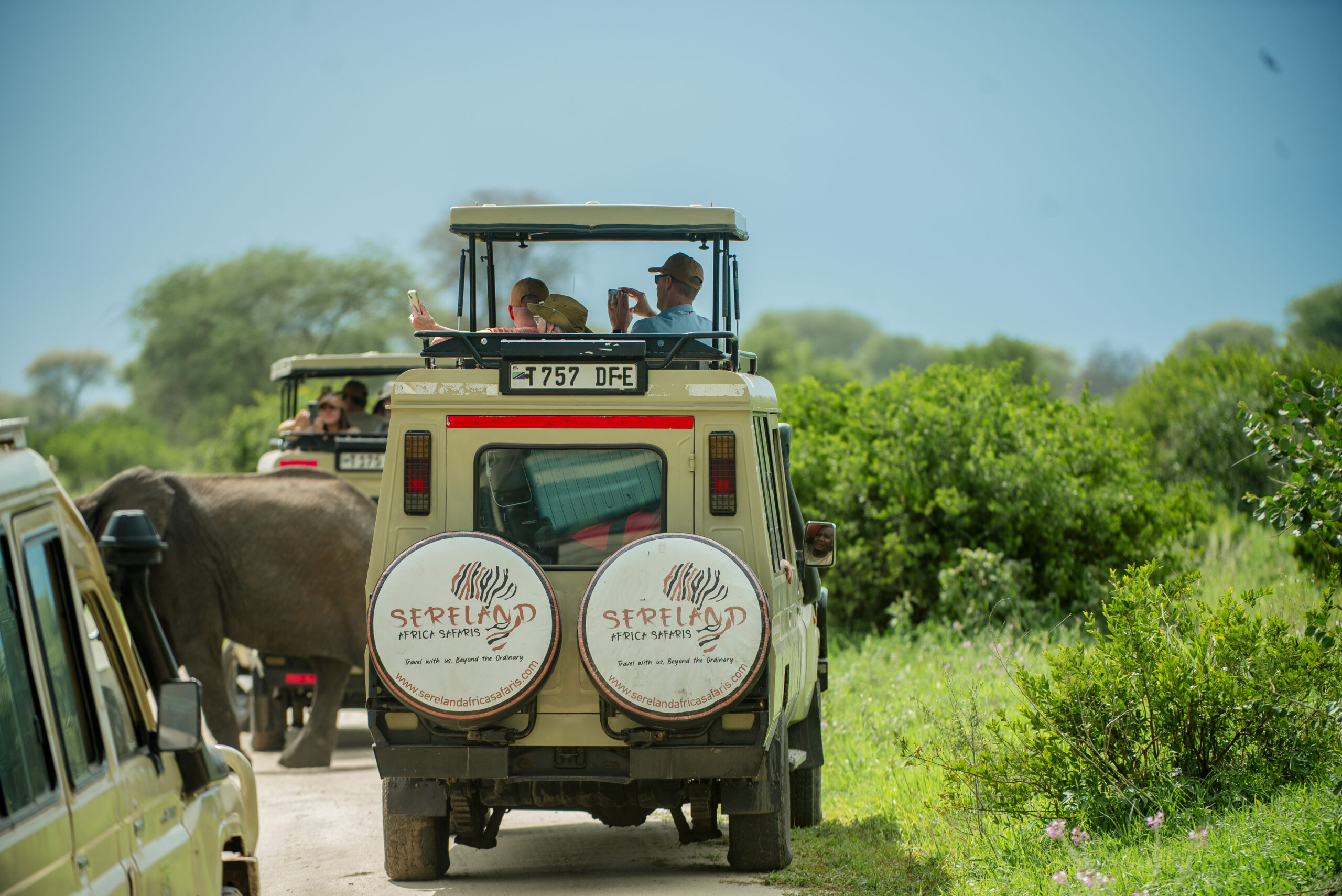
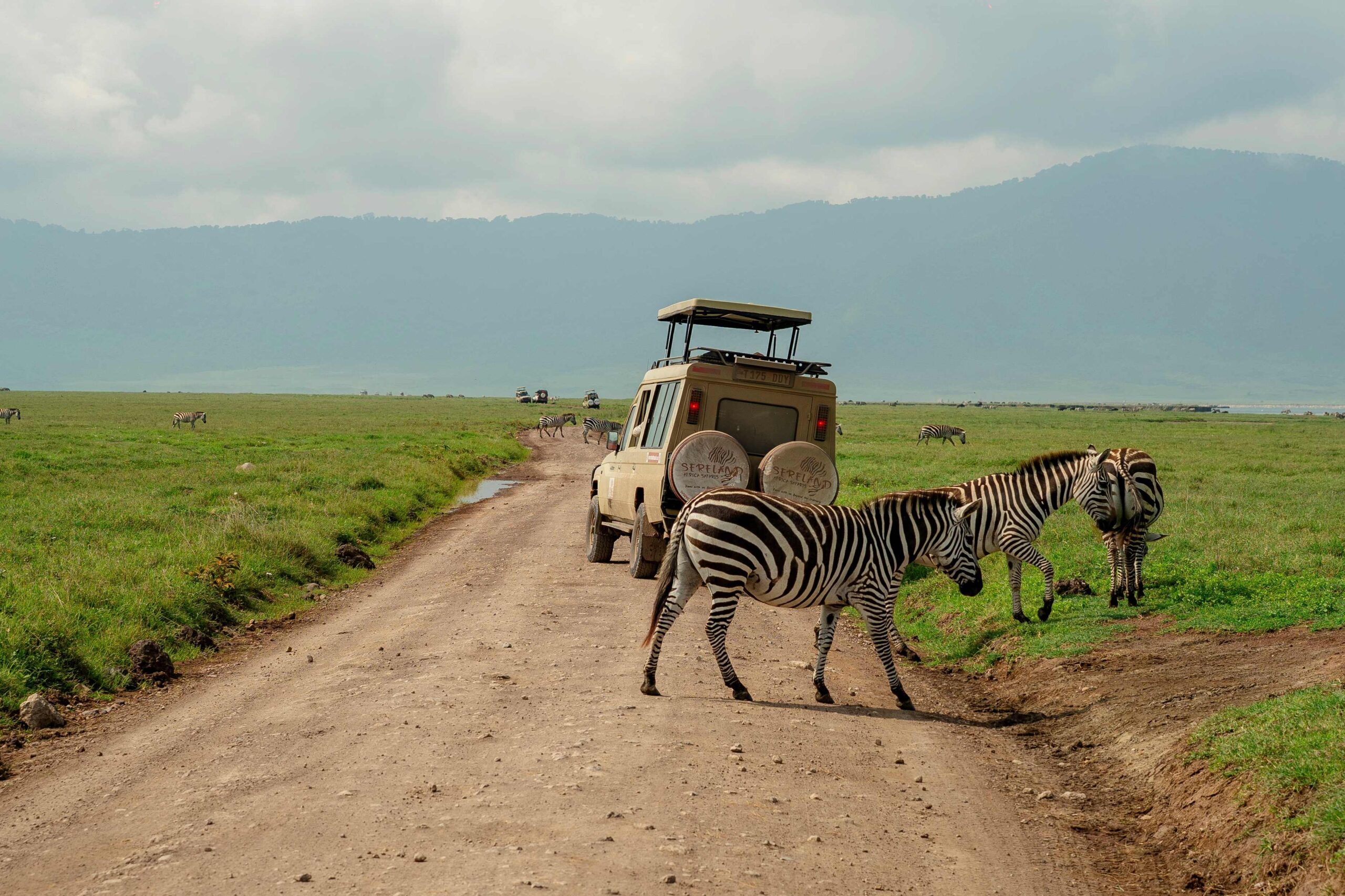
Serengeti National Park is one of the most famous wildlife destinations in the world. Known for the Great Migration, where millions of wildebeest, zebras, and gazelles cross the plains, Serengeti offers an unforgettable safari experience. The park is home to the Big Five—lion, leopard, elephant, buffalo, and rhino—and provides countless opportunities for wildlife viewing.
2. Climb Mount Kilimanjaro
For those seeking adventure, climbing Mount Kilimanjaro, Africa’s tallest peak, is a must. The trek to the summit offers stunning views, varying landscapes, and the sense of accomplishment of reaching the top of the highest point in Africa. Whether you’re a seasoned climber or a first-time hiker, Kilimanjaro provides an extraordinary challenge.
3. Visit Zanzibar’s Beaches
Zanzibar, an idyllic archipelago off the coast of Tanzania, is famous for its pristine beaches, crystal-clear waters, and vibrant cultural history. Spend time on the white sandy beaches, explore the winding streets of Stone Town, and discover the rich Swahili culture that permeates the island.
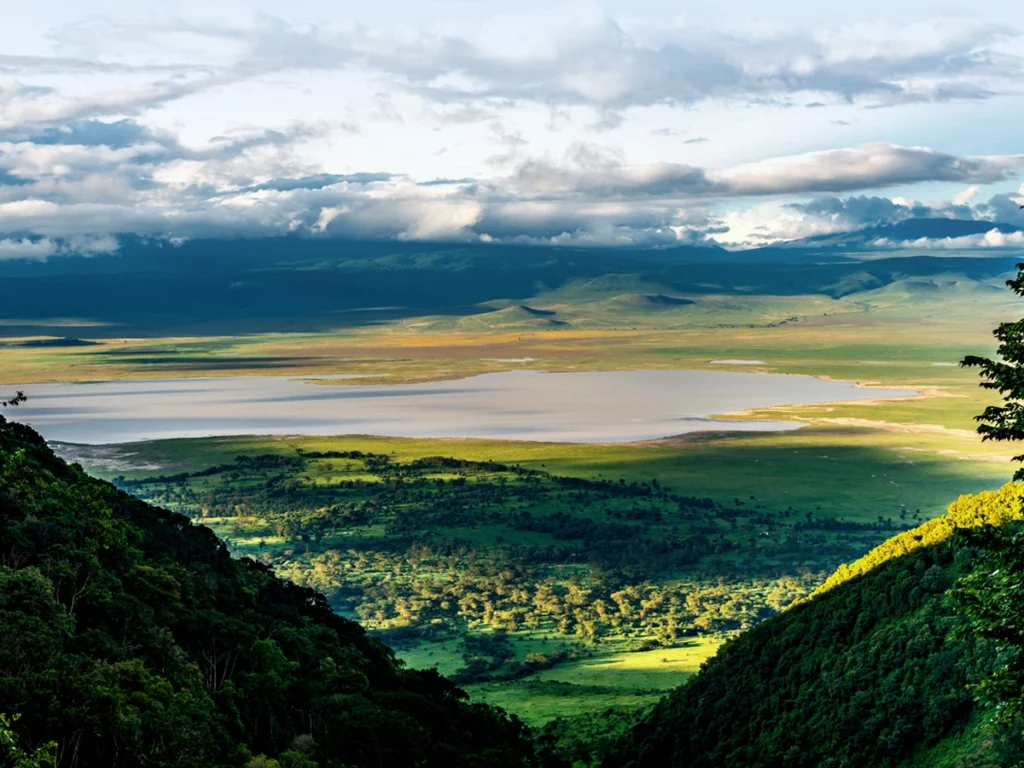
4. Discover Ngorongoro Crater
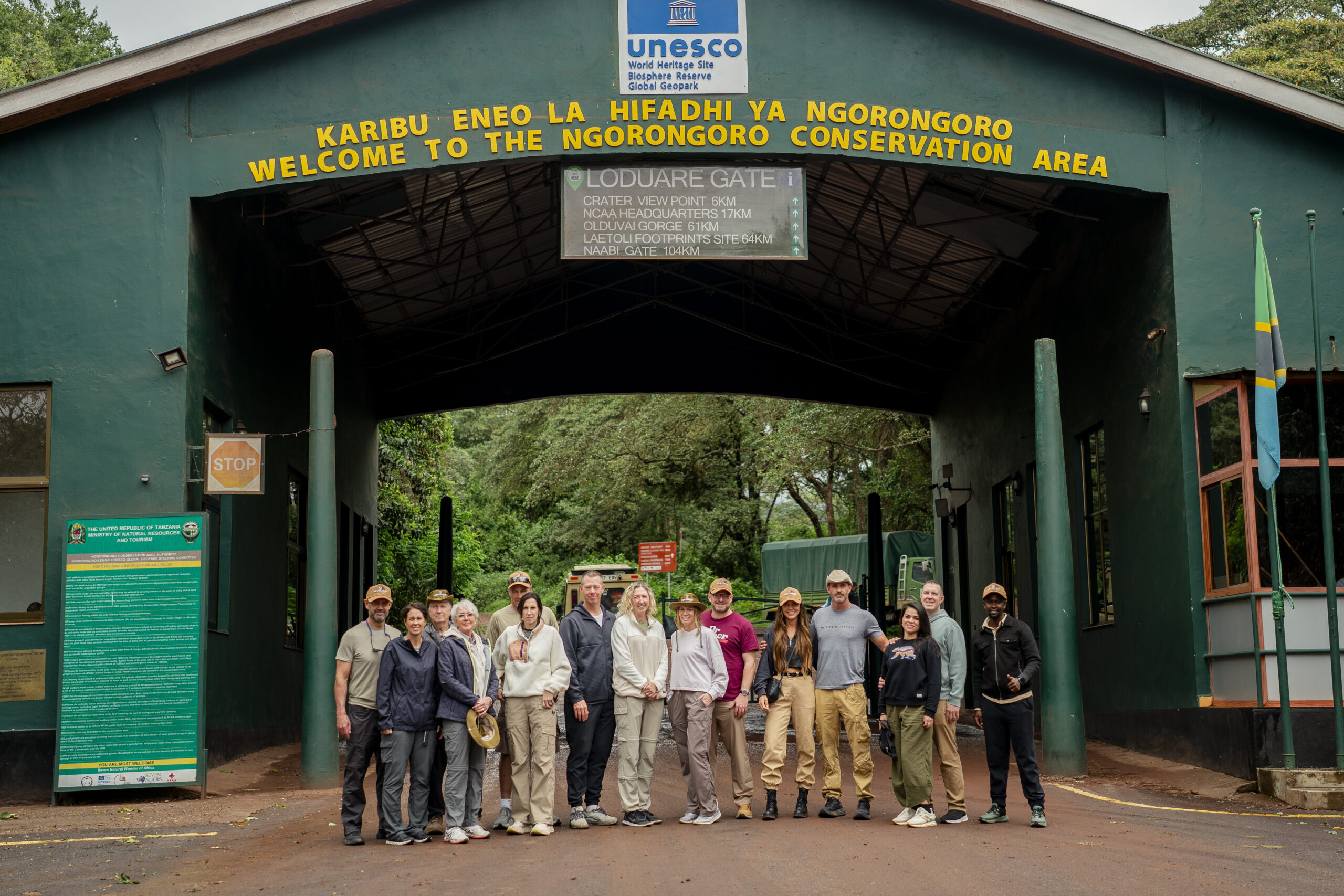
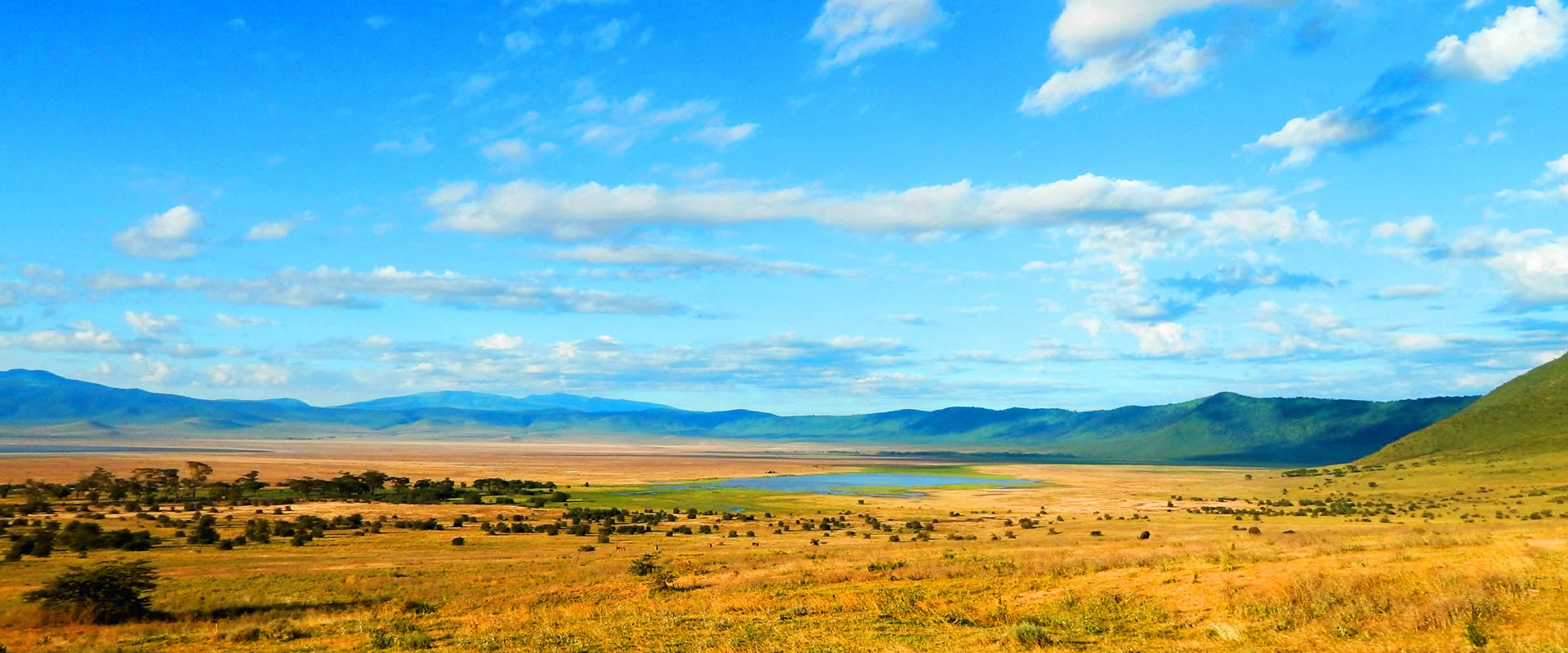
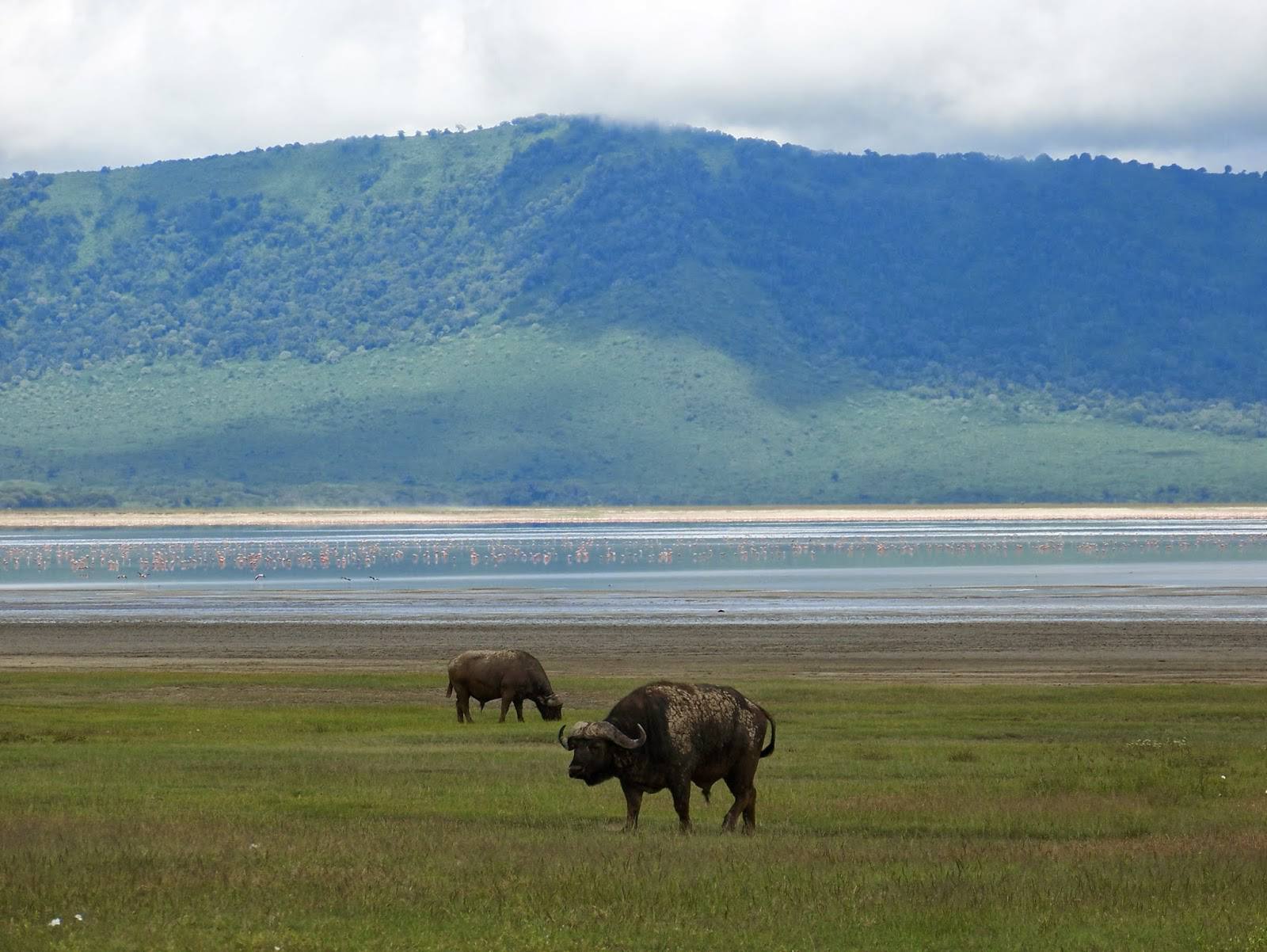
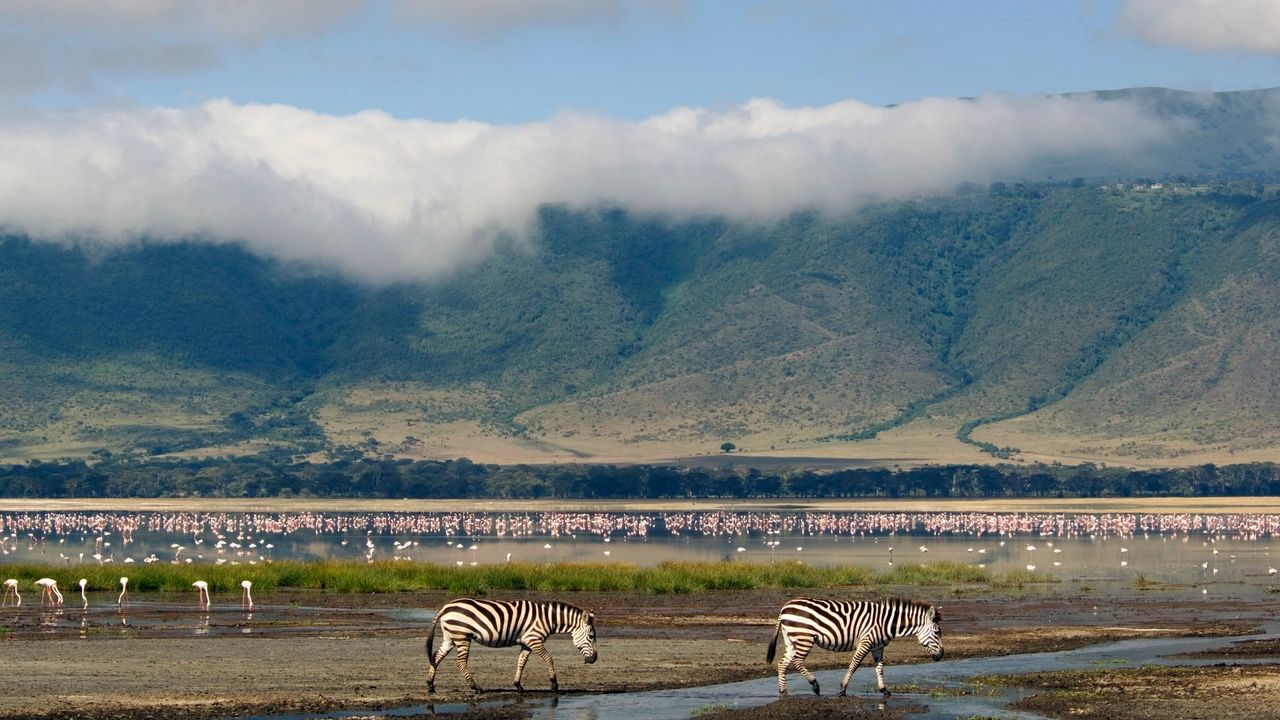
The Ngorongoro Crater is a UNESCO World Heritage Site and one of the most remarkable natural wonders of the world. This ancient caldera is home to an array of wildlife, including lions, elephants, and rhinos. It offers an unparalleled safari experience and breathtaking views.
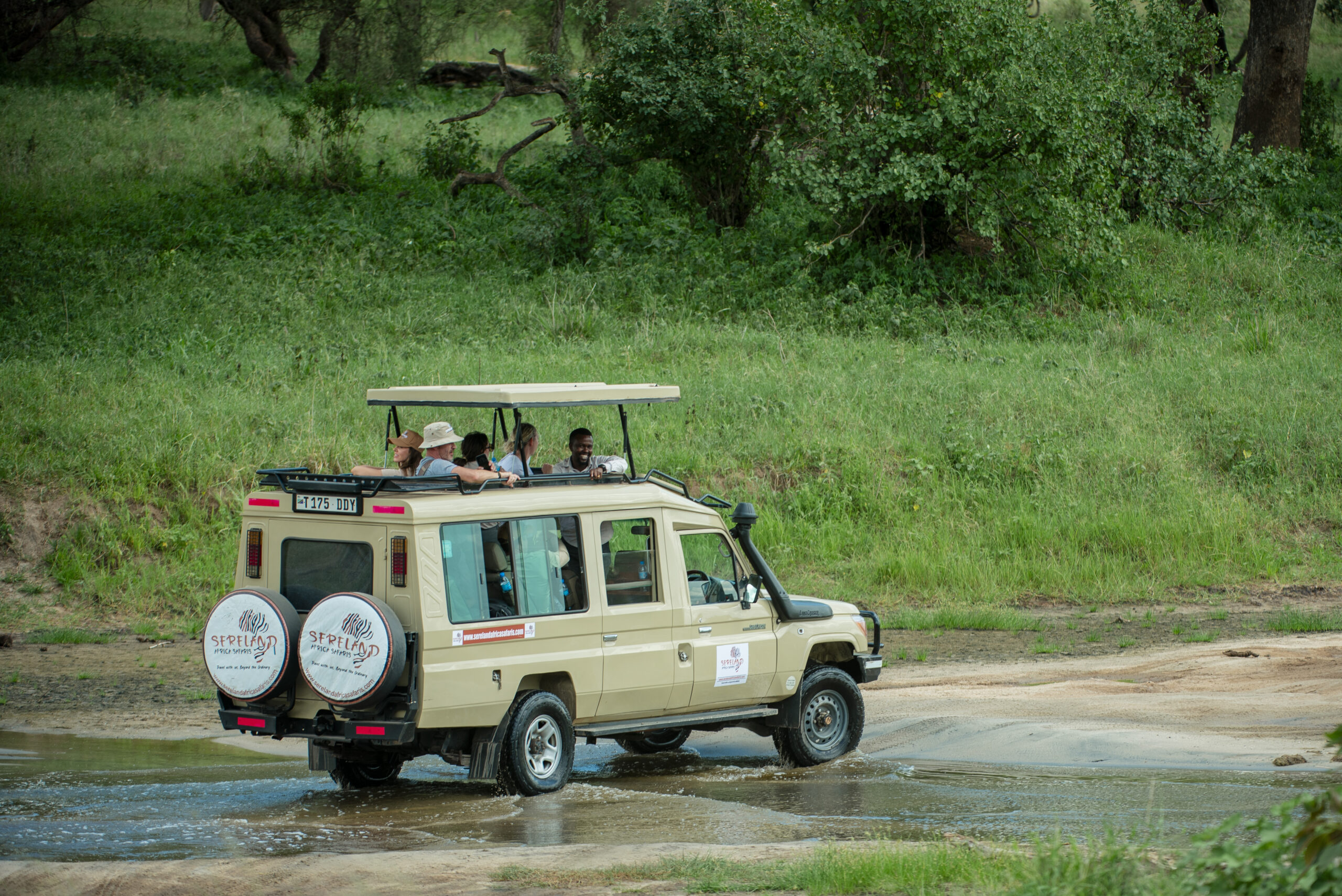
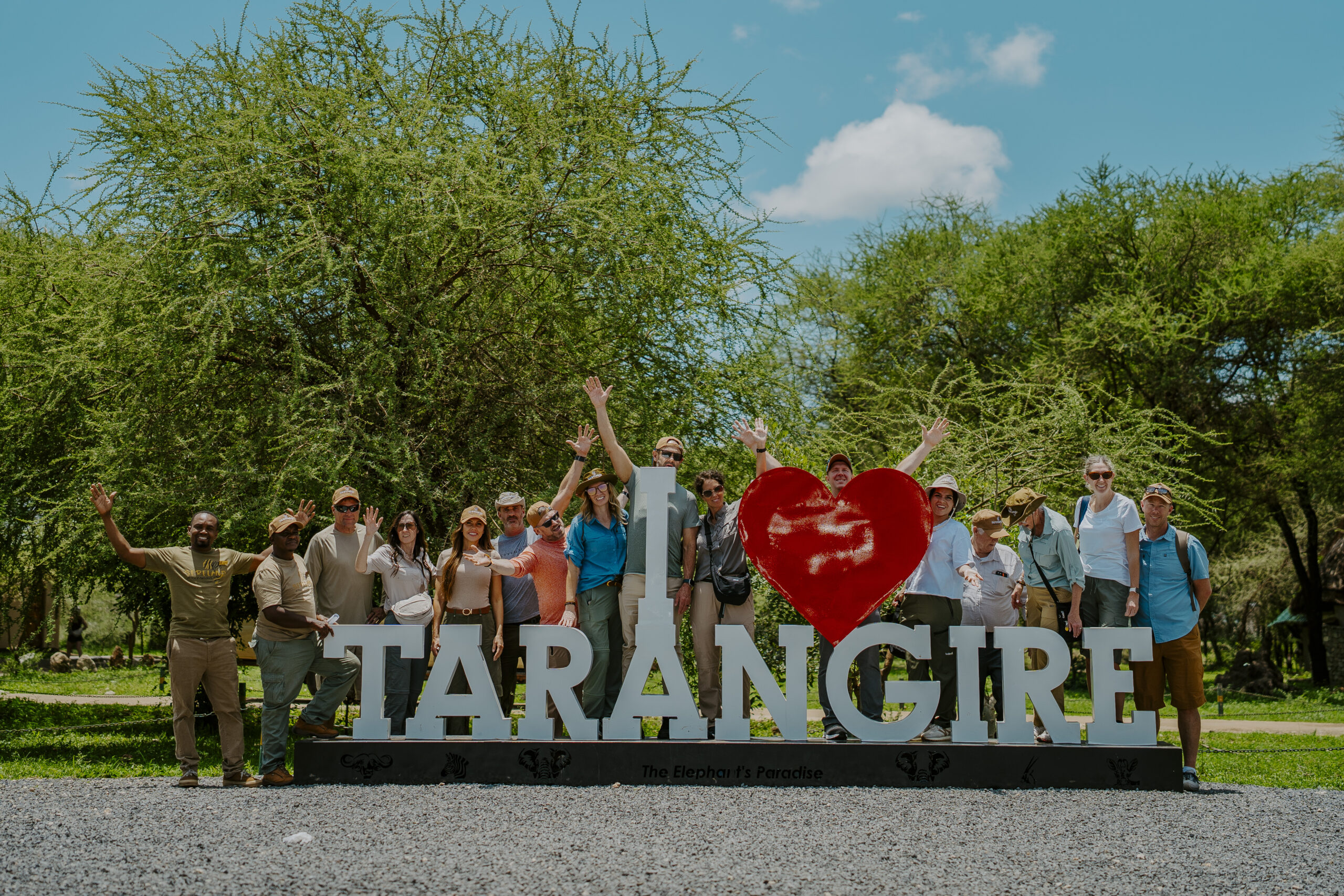
5. Go on a Safari in Tarangire National Park
Tarangire National Park is known for its large herds of elephants and its striking baobab trees. The park offers excellent wildlife viewing opportunities, especially along the Tarangire River, where animals congregate during the dry season.
6. Visit Lake Tanganyika
Lake Tanganyika, the world’s second-largest freshwater lake, is perfect for those who enjoy water activities. Whether you’re fishing, taking a boat ride, or exploring the nearby villages, Lake Tanganyika offers stunning views and a peaceful environment.
7. Explore Selous Game Reserve
The Selous Game Reserve, one of the largest in Africa, is a haven for wildlife lovers. Its vast landscapes, varied ecosystems, and the Rufiji River make it an ideal destination for safaris. The park is home to elephants, crocodiles, and many other species of wildlife.
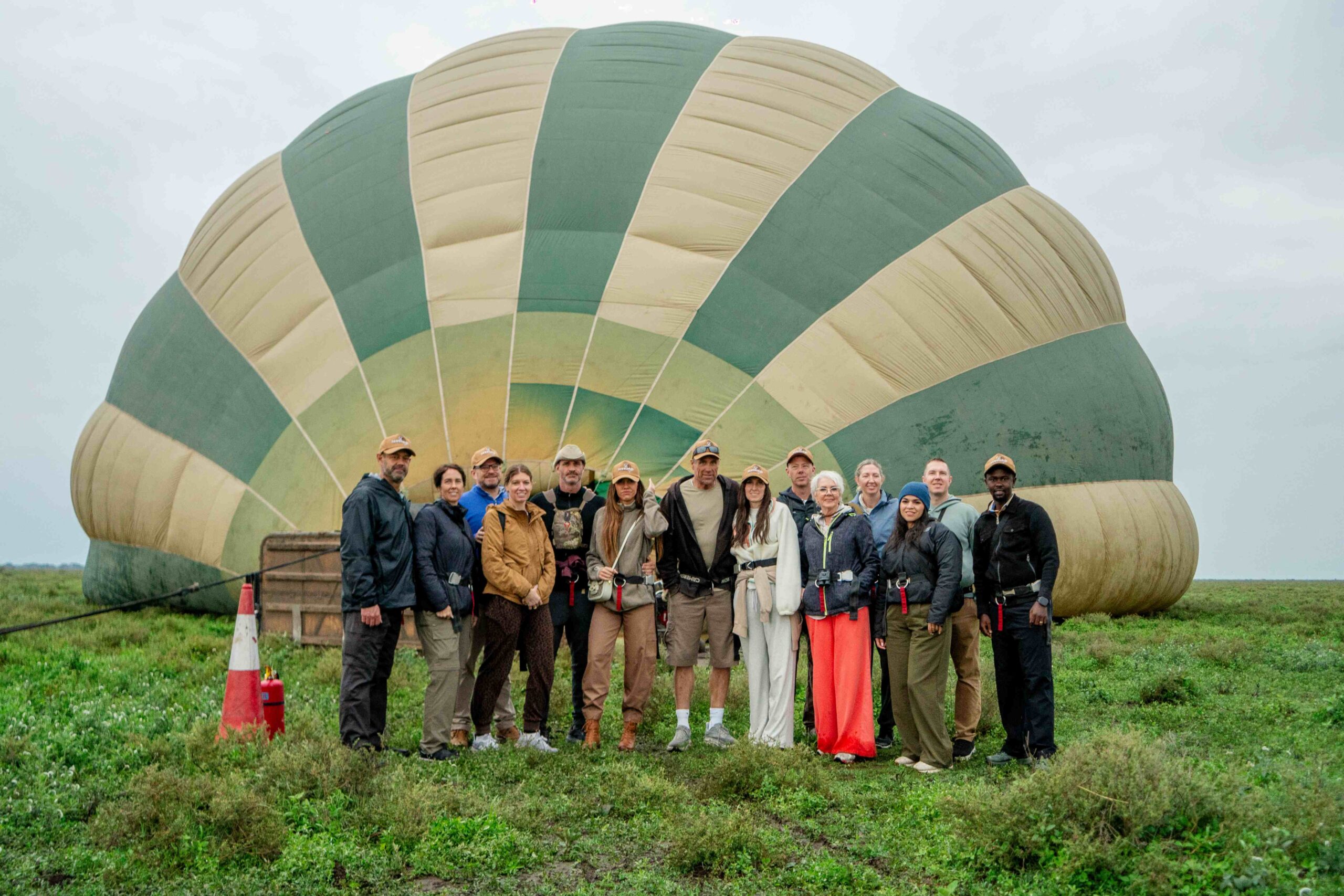
8. Take a Hot Air Balloon Ride over Serengeti
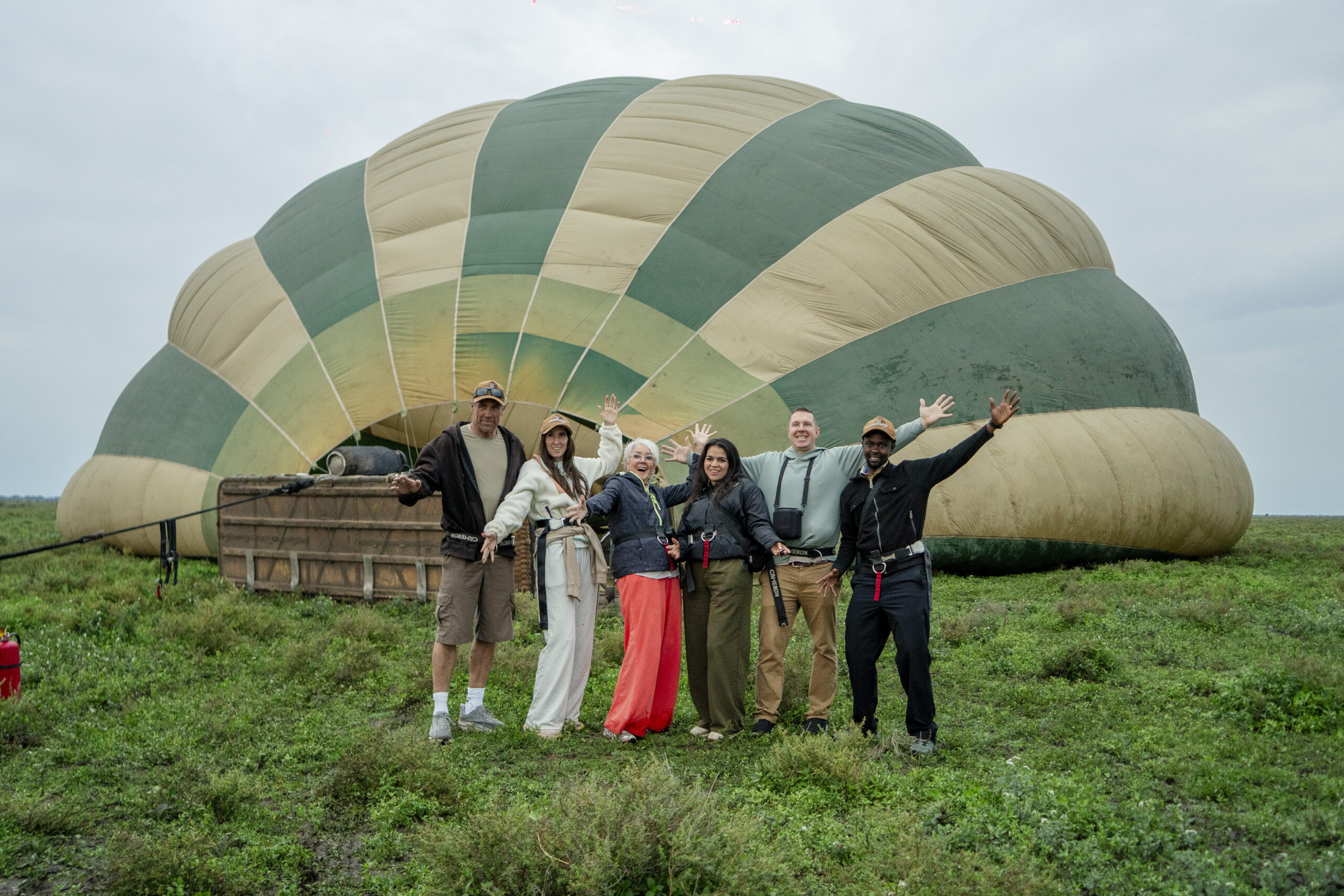
For a truly unique experience, take a hot air balloon ride over the Serengeti at sunrise. The aerial views of the vast savannah and wildlife below are truly spectacular and will leave you with unforgettable memories.
9. Go Scuba Diving in Mafia Island Marine Park
Mafia Island, located off the coast of Tanzania, offers some of the best diving in East Africa. The island is home to vibrant coral reefs and diverse marine life, including whale sharks and turtles. Whether you’re an experienced diver or a beginner, Mafia Island is a top destination for underwater exploration.
10. Trek in the Usambara Mountains
The Usambara Mountains offer scenic hiking trails, lush forests, and views of charming villages. Trekking in the mountains is a peaceful and rewarding experience, allowing you to immerse yourself in nature while learning about the local culture.
11. Visit Historical Stone Town
Stone Town in Zanzibar is a UNESCO World Heritage Site known for its narrow alleys, intricate architecture, and vibrant history. Explore the local markets, visit spice farms, and immerse yourself in the culture of this historical town.
12. Witness the Wildebeest Migration in the Mara River
The Mara River is the dramatic location for one of nature’s most incredible events—the wildebeest migration. Each year, millions of wildebeest cross the river, often encountering crocodiles and other challenges along the way. It’s an unforgettable spectacle that any wildlife enthusiast should experience.
13. Enjoy a Cultural Experience with the Maasai People
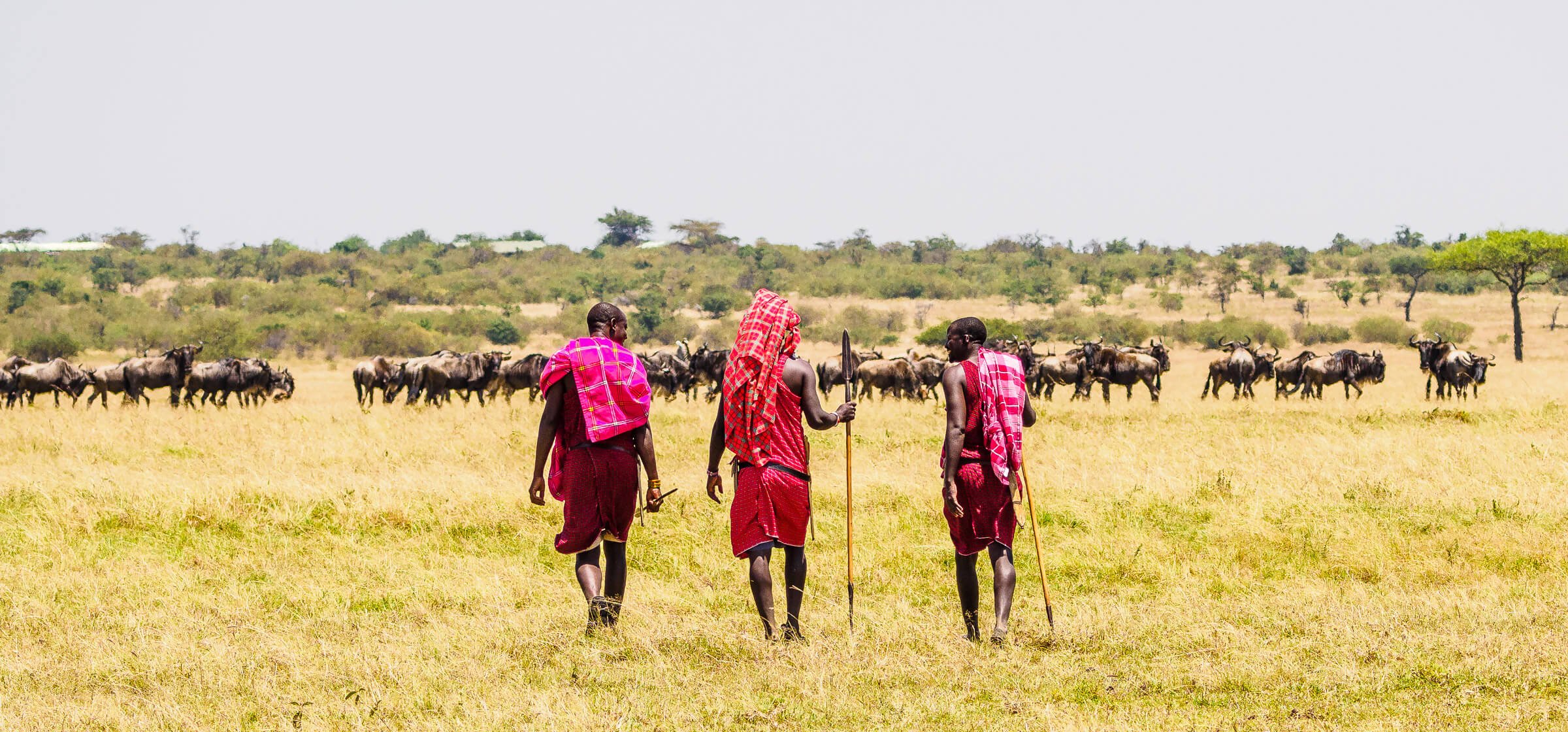
The Maasai are an indigenous ethnic group in Tanzania, known for their vibrant clothing and rich cultural traditions. Visiting a Maasai village offers a glimpse into their way of life, including their customs, rituals, and the opportunity to learn about their pastoral lifestyle.
14. Go on a Canoe Safari in Lake Manyara
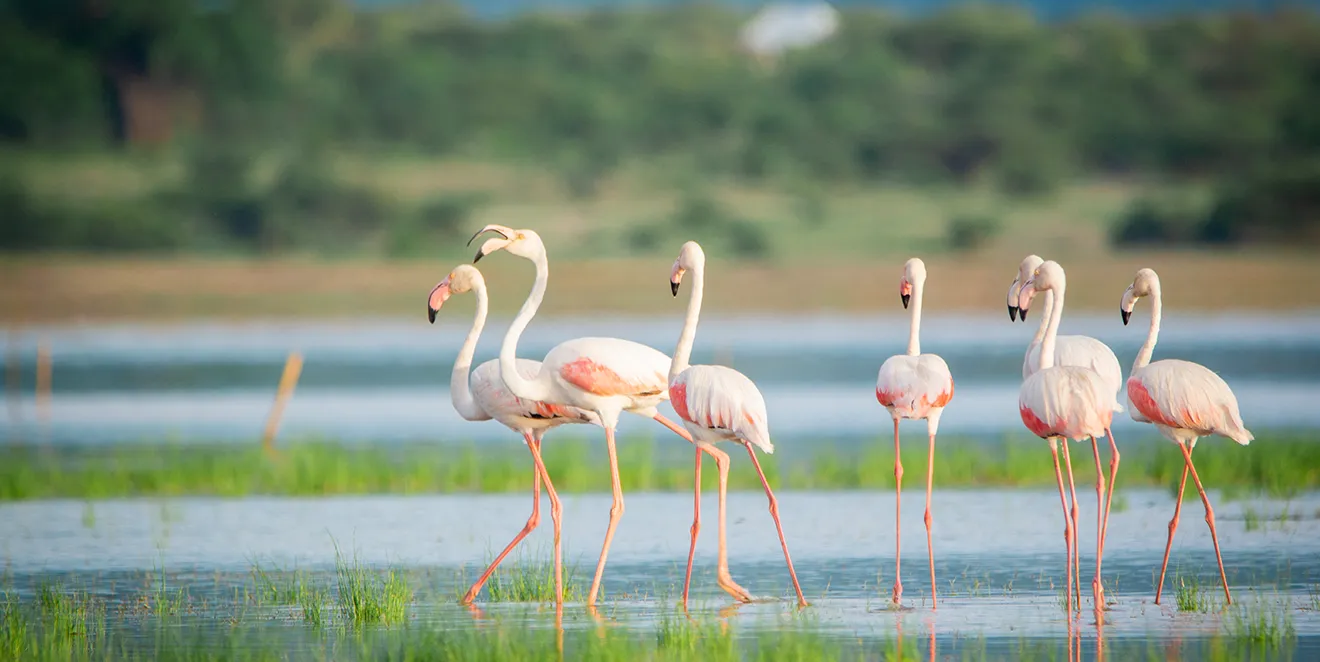
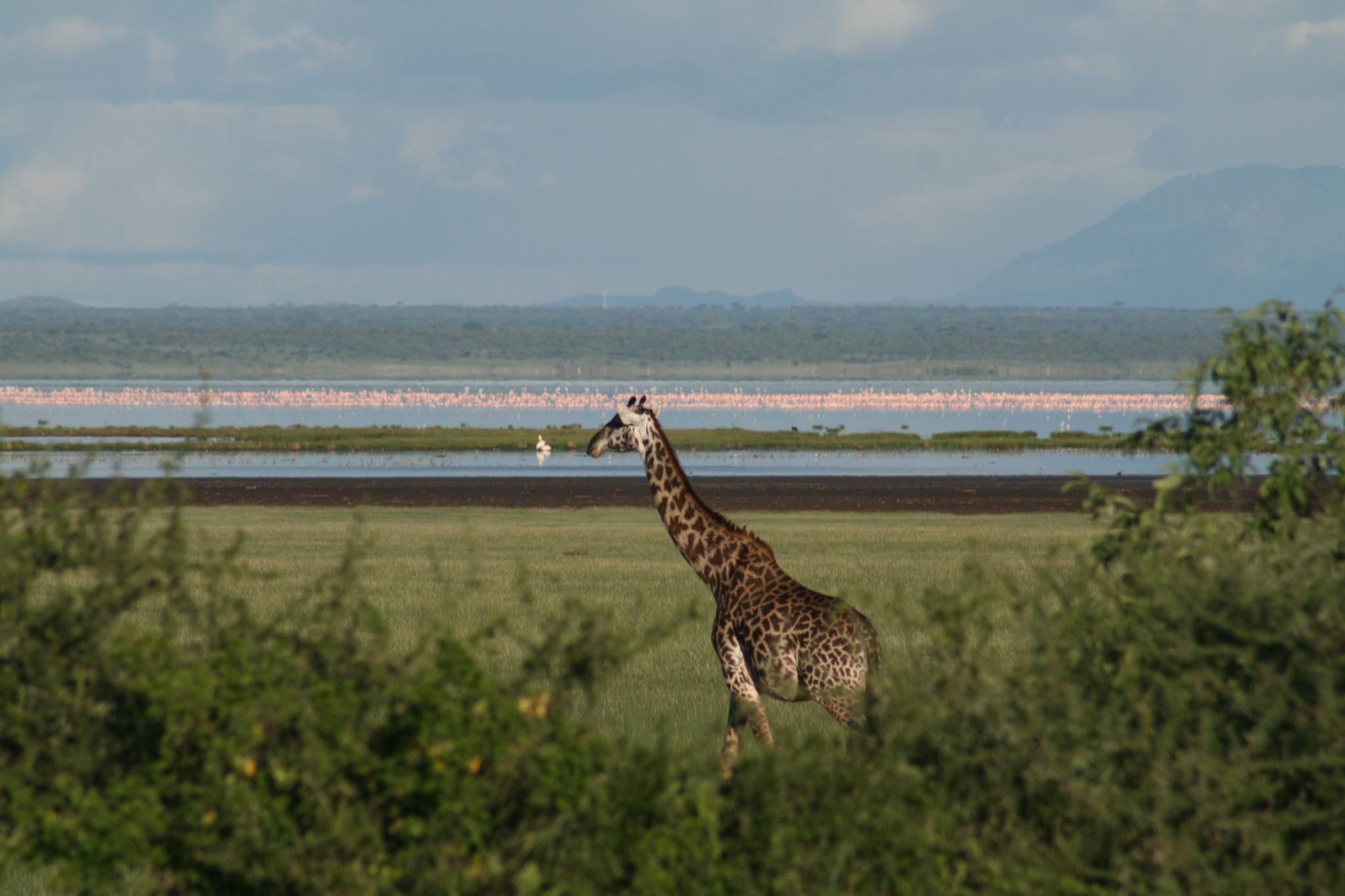
A canoe safari on Lake Manyara offers a unique way to explore the park’s ecosystem. The lake is famous for its flamingos and other birdlife, and paddling through its waters gives visitors a peaceful and close-up view of the wildlife.
15. Explore the Gombe Stream National Park
Gombe Stream National Park is home to one of the most studied populations of chimpanzees in the world, thanks to the work of primatologist Jane Goodall. Visitors can trek through the forest to observe the chimpanzees in their natural habitat while enjoying the park’s stunning landscapes.
Conclusion
Tanzania is a treasure trove of natural beauty, wildlife, and culture, offering an array of activities for every kind of traveler. Whether you’re embarking on a thrilling safari, relaxing on the beach, or exploring the rich cultural heritage of Zanzibar and the Maasai, Tanzania promises to deliver unforgettable experiences. With its diverse landscapes, incredible wildlife, and unique adventures, Tanzania is truly one of the best travel destinations in Africa.