Travel Information

can you fly a drone in tanzania?

Everything you need to know before bringing your drone on safaris

Quick Answer

Yes, drones can be flowns in Tanzania , BUT only wiyh requred permits and approval. Its important to understand the regulatins before yo travel.

Permits Requred

--Yes

Max. Altitudes

--120m (400 ft)

National Parks

--Special authorizations

Bring a Drone?

--Apply at least 3 weeks before arrivals

Drone Requirements for Visitors

If you’re travelling to Tanzania with a drone, you should arrange the necessary approvals before your trip. For non-resident visitors, TCAA currently requires:

Import Permit

Approval to bring your drone into Tanzania.

Drone Registration

Your drone must be registered with TCAA.

Operator Registration

The drone operator must be registered according to TCAA rules.

Operations Permit

Permission to operate the drone in Tanzania.

What Information Is Required?
To start the TCAA application process, you’ll need to provide:
    • Full name
    • Email address
    • Phone number (with country code)
    • Physical address
    • Passport number
    • Nationality
    • Drone model
    • Purpose of drone use
    • Expected arrival date

Contact TCAA for the latest application process and requirements.
 

TCAA Permits & Costs

Fees for non-residents depend on the weight of your drone.

Drone Weight

Registration

Import Permit

Oper. Permit (/day)

Under 5 kg

US$100

US$50

US$10

5.1 – 25 kg

US$200

US$75

US$15

Over 25 kg

US$300

US$100

US$20

Where You Cannot Fly

Drone operations are prohibited or require special authorization in areas such as:
    • Airports and airfields
    • Military installations
    • Government facilities
    • Prisons
    • National parks and protected areas (without authorization)
    • Crowded public areas
    • Other restricted or sensitive locations

Planning a Safari with drones ?

Our safari team can help you understand the practical requirements and plan your itinerary around your photography interests.

Planning a Trip to Tanzania?

Our team is always here to help

landing page form
  • Days
  • Accommodations
  • Travel Dates
  • Personal Details
How many days would you like your safari to be?

Plan Your KILIMAJARO Climbing Route

Our team is always here to help

kilimanjaro
  • STEP 1
  • STEP 1

lake manyara National Park

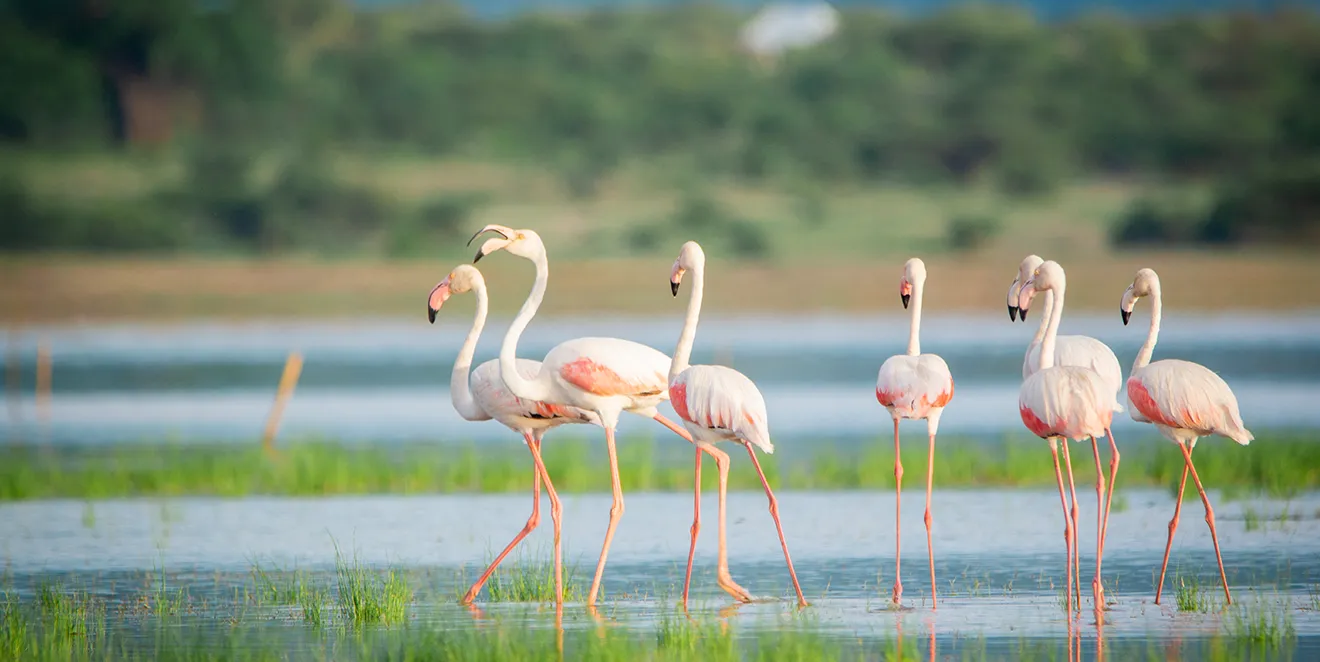
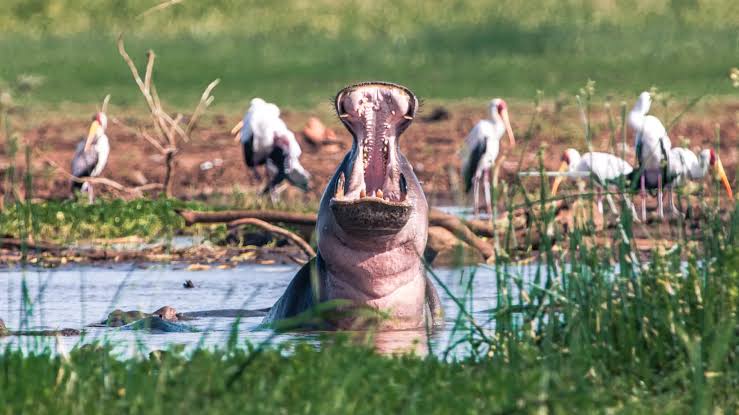
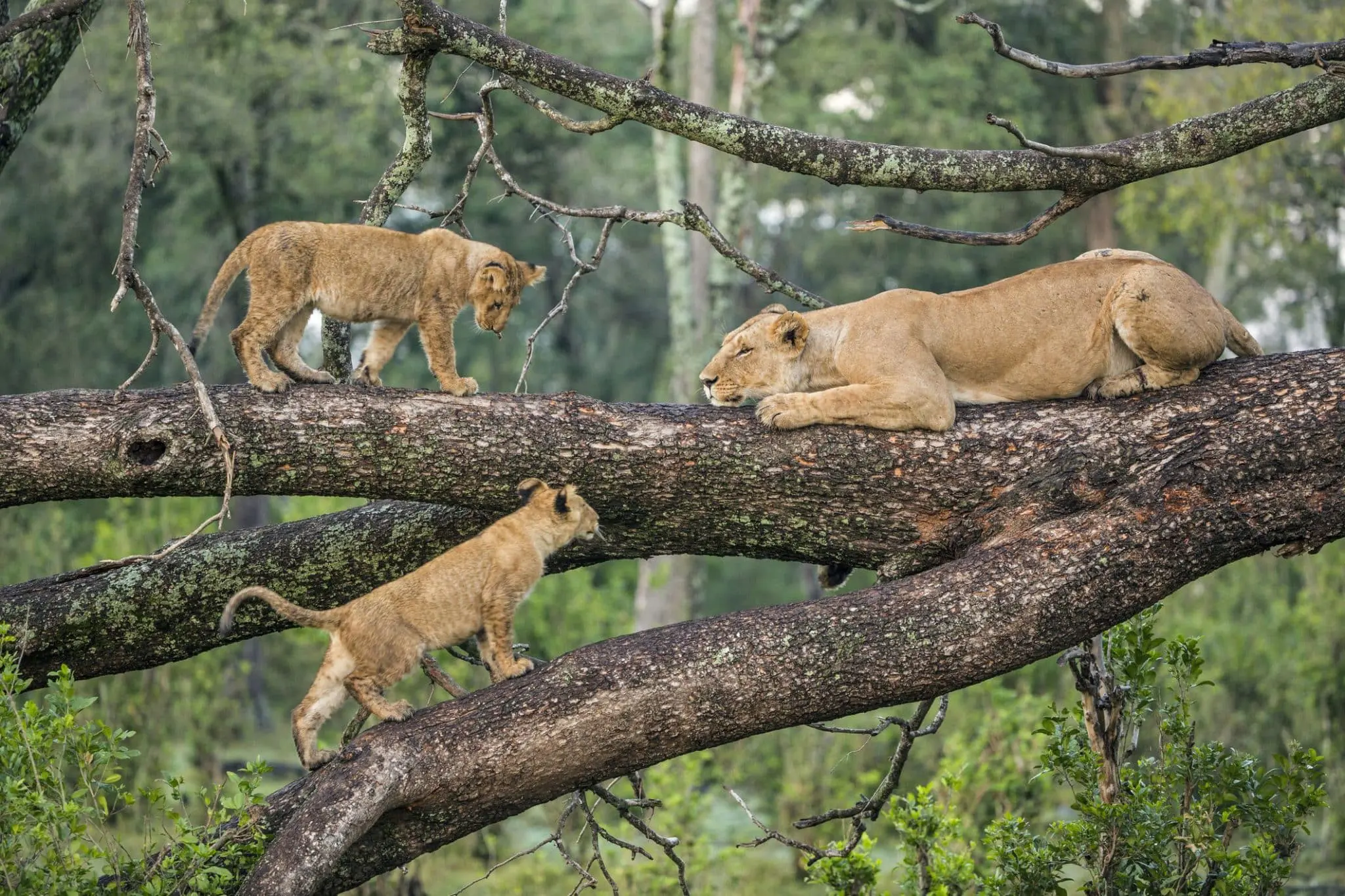
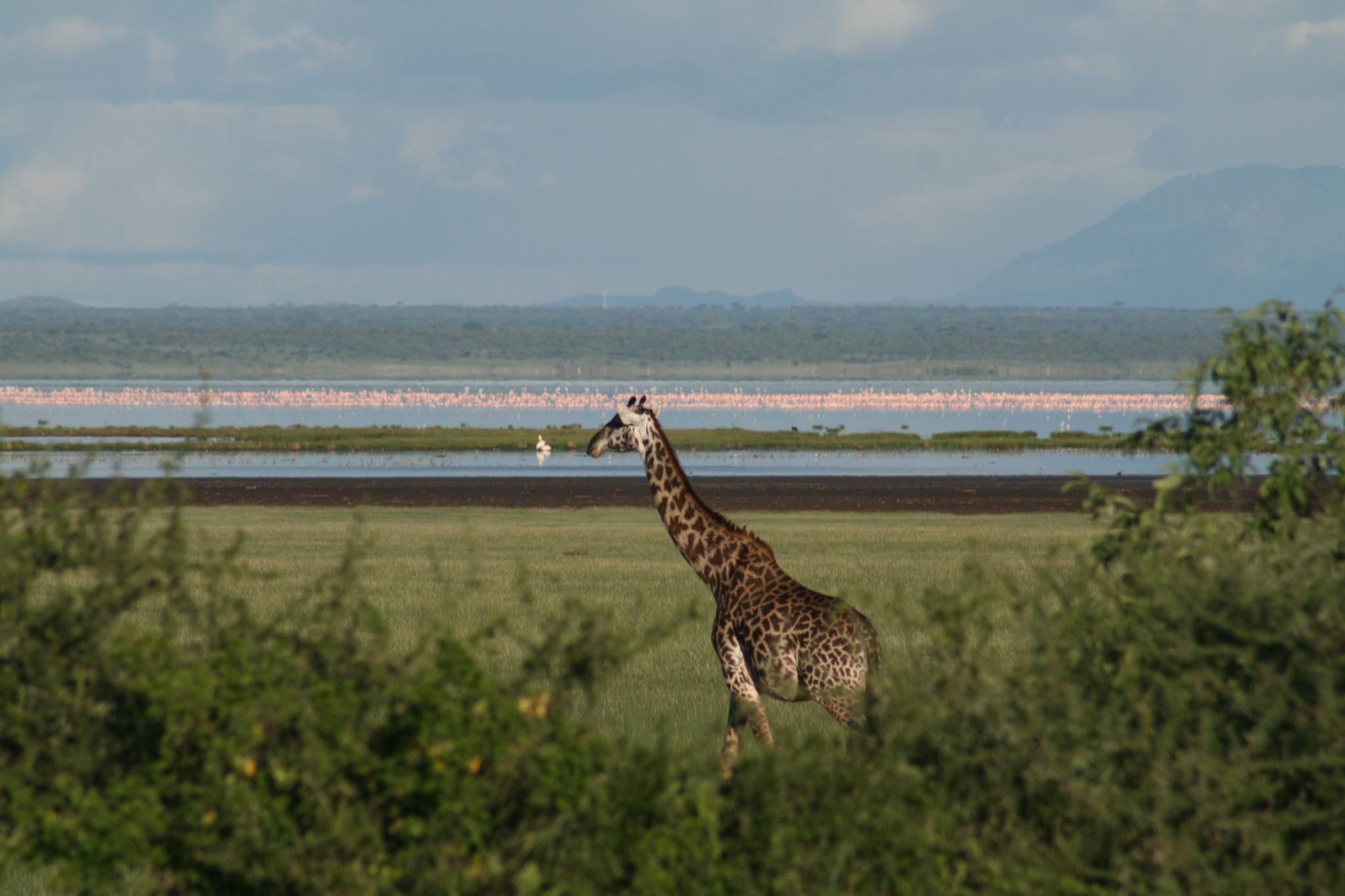
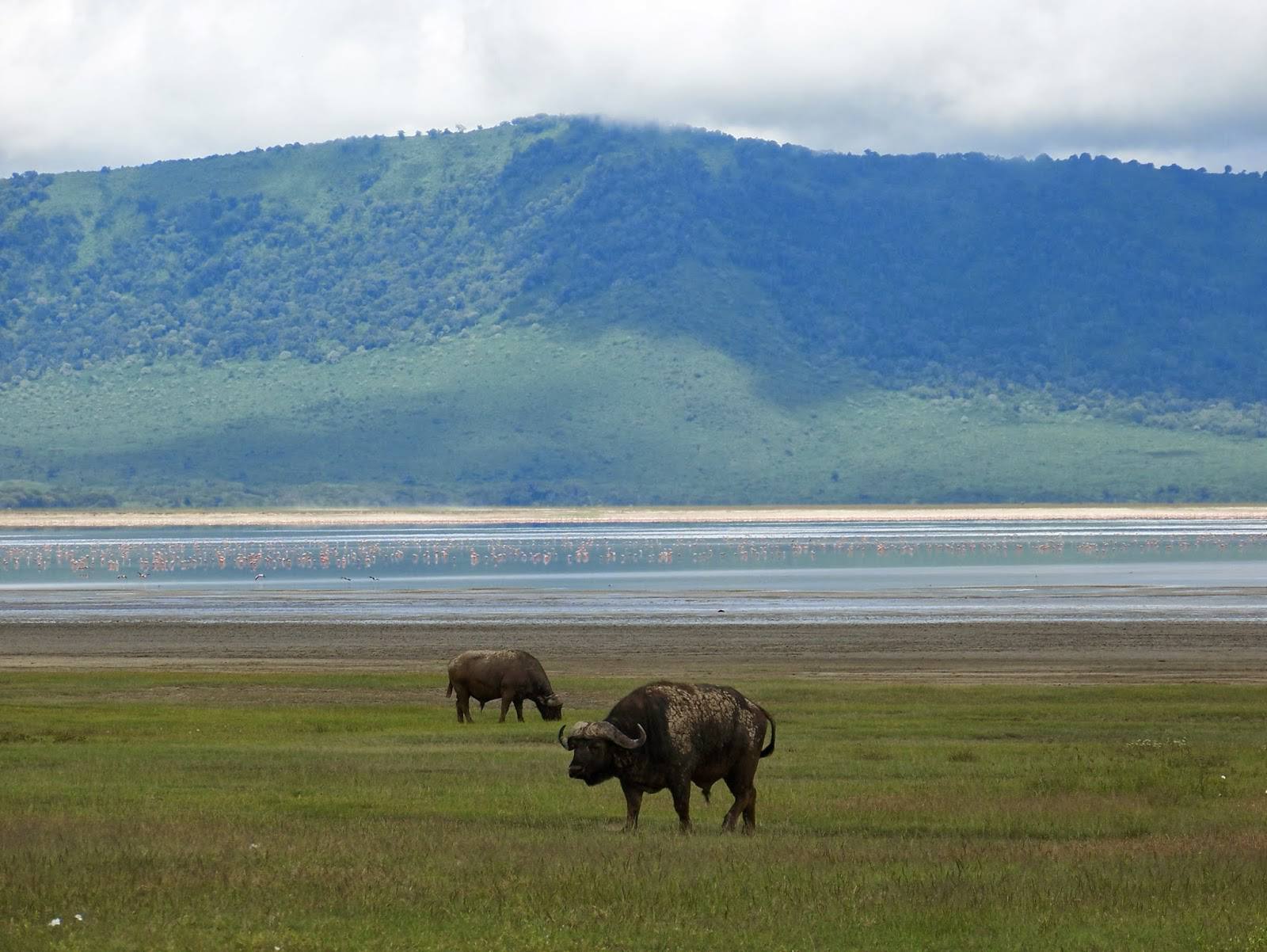
Lake Manyara National Park is a compact yet ecologically diverse wildlife sanctuary located in northern Tanzania, covering 325 square kilometers between the sheer cliffs of the Great Rift Valley Escarpment and the glassy waters of Lake Manyara. Nearly two-thirds of the park’s total surface area is occupied by the alkaline soda lake itself, which regularly draws millions of pink flamingos and other waterbirds to its shallow edges. The remaining terrain features a dramatic sequence of habitats, moving from a dense groundwater forest populated by massive troops of olive baboons and blue monkeys to open acacia woodlands famous for sheltering rare tree-climbing lions. Its rich environment provides critical feeding grounds for large herds of elephants, Cape buffaloes, giraffes, and hippos wallowing at the Mto wa Mbu entry points, offering a visually stunning, rapid safari experience right on the doorstep of the broader Northern Safari Circui

Ngorongoro National Park

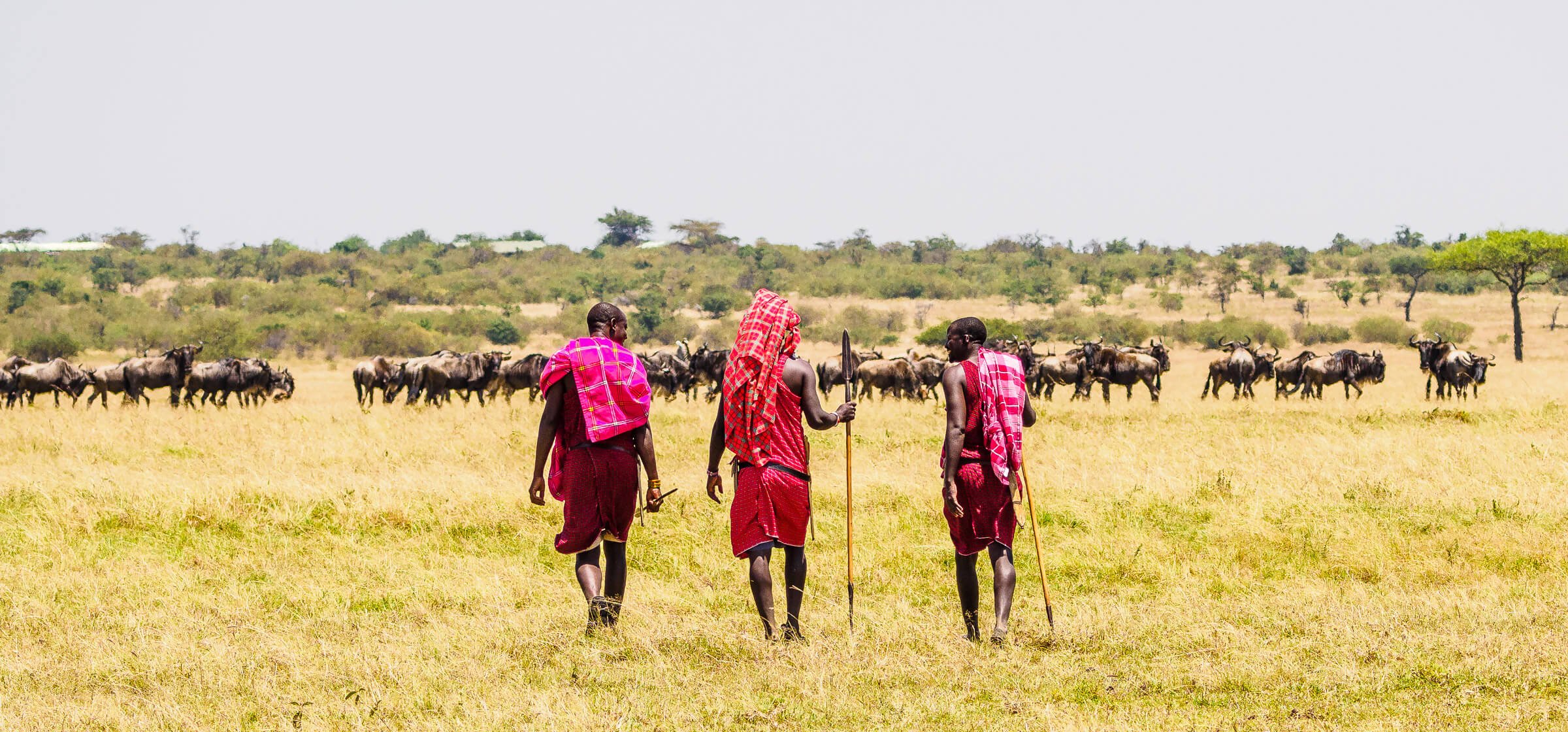
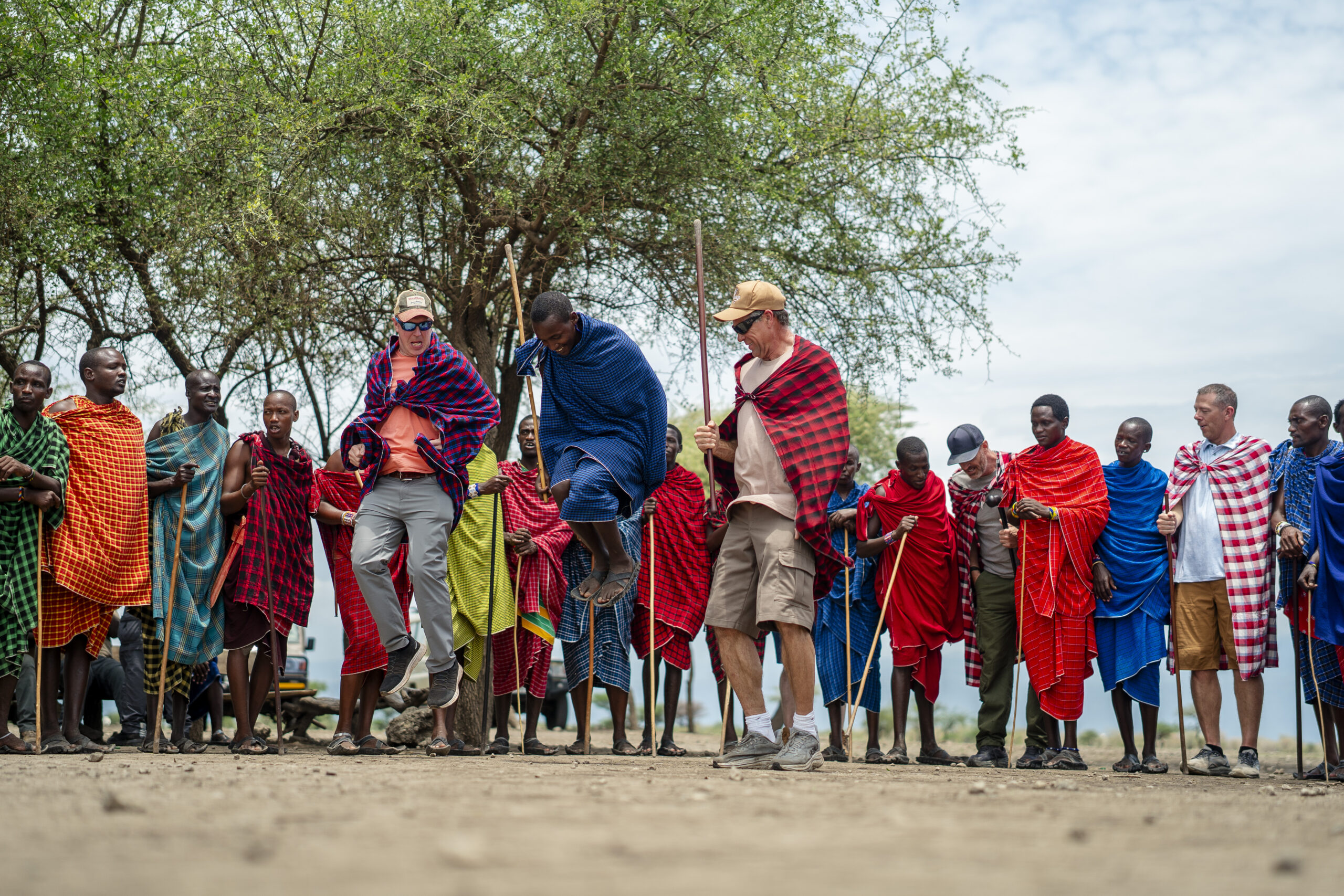
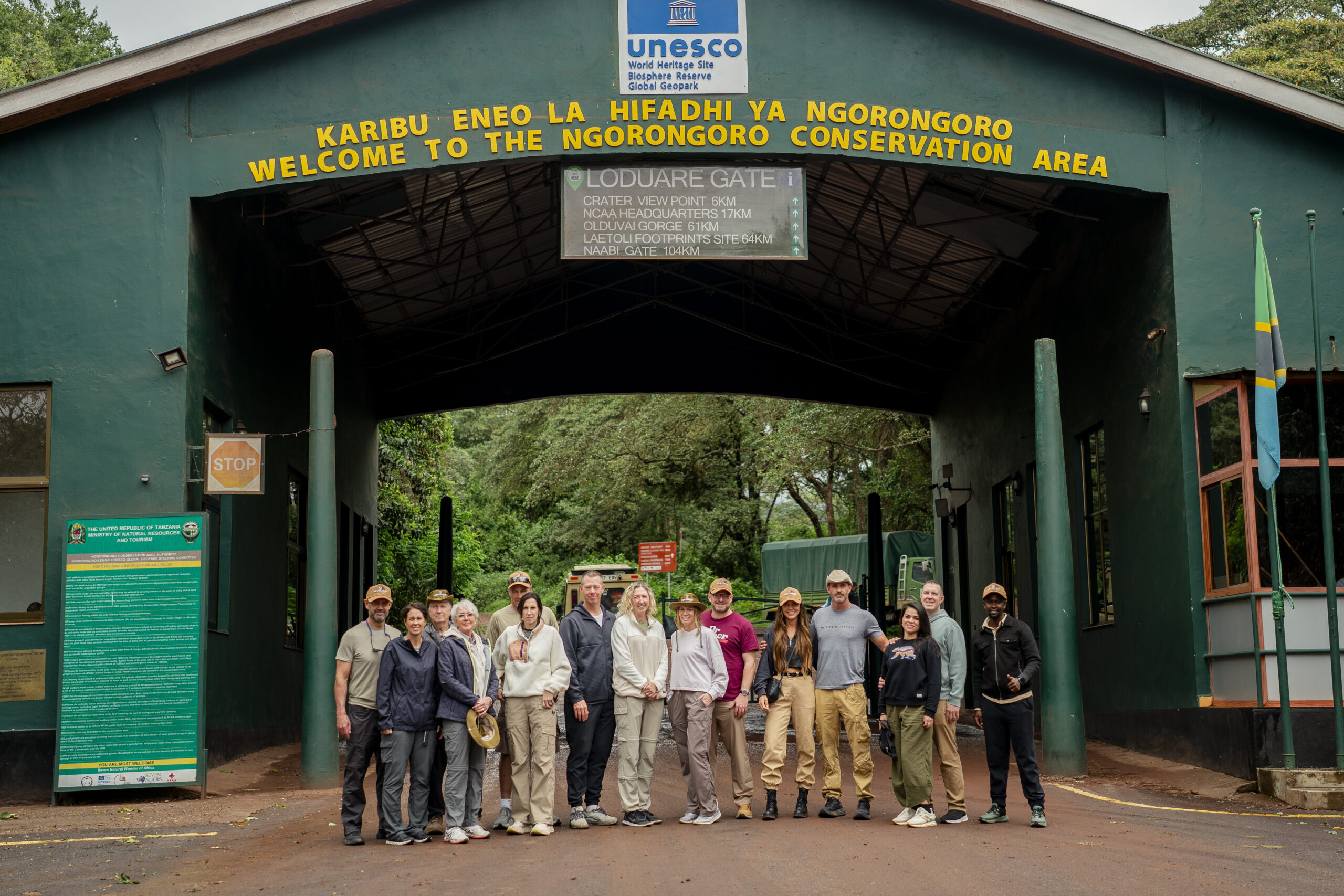
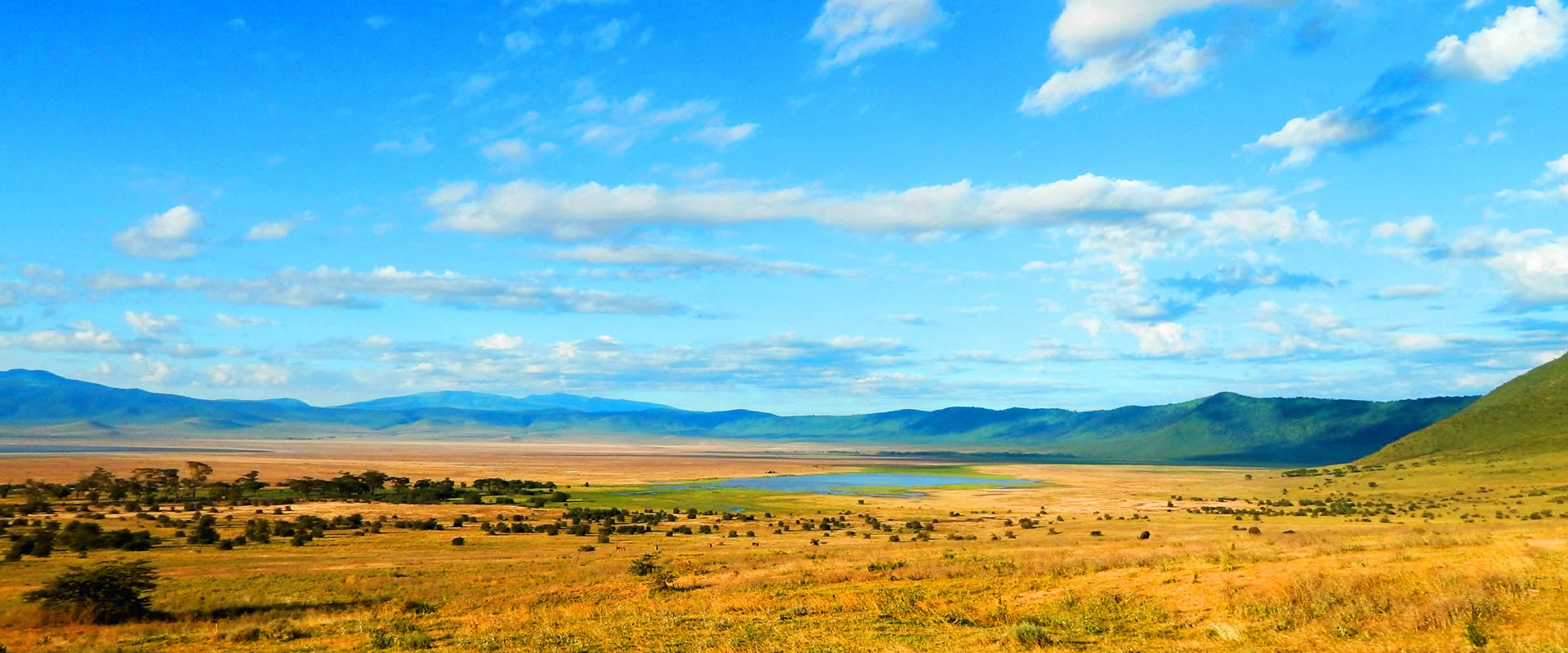
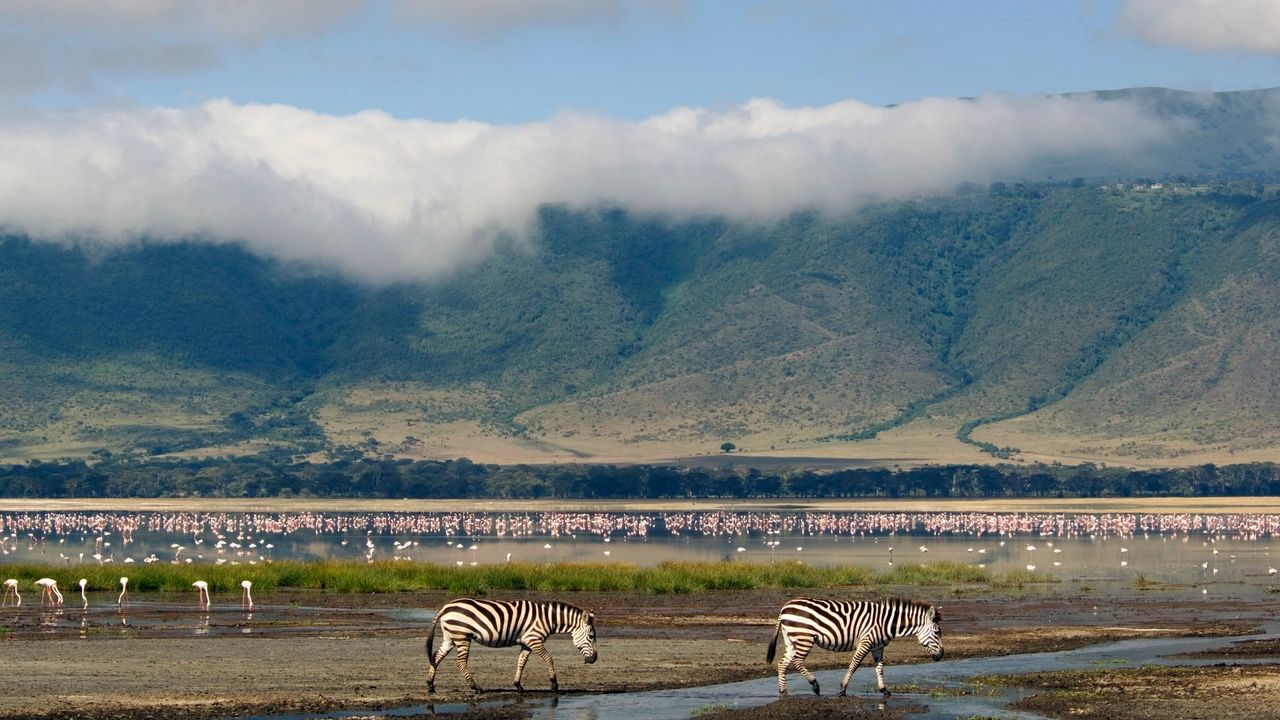
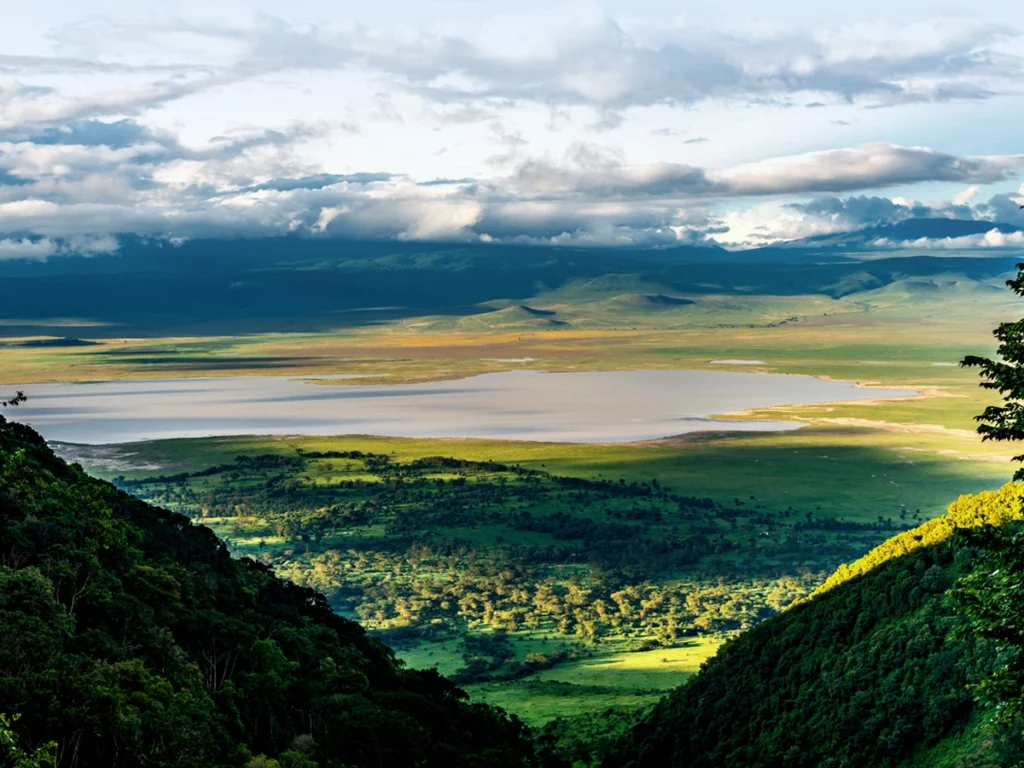
The Ngorongoro Conservation Area, frequently referred to as the Ngorongoro National Park, is a protected UNESCO World Heritage Site in northern Tanzania spanning 8,292 square kilometers across highland plains, savanna, and forests. At its heart lies the famous Ngorongoro Crater, the world’s largest inactive, intact, and unfilled volcanic caldera, which spans 260 square kilometers and drops 610 meters deep. This natural amphitheater functions as a self-sustaining eco-sanction sheltering roughly 30,000 large mammals, boasting the densest known population of mammalian predators in Africa—including prolific lion prides and spotted hyenas. Unlike traditional national parks, it operates as a multi-use territory where semi-nomadic Maasai pastoralists co-exist alongside the native wildlife, creating a globally unique socio-ecological landscape that also encompasses Olduvai Gorge, one of the most critical paleoanthropological sites for human origin research.

TARANGIRE National Park

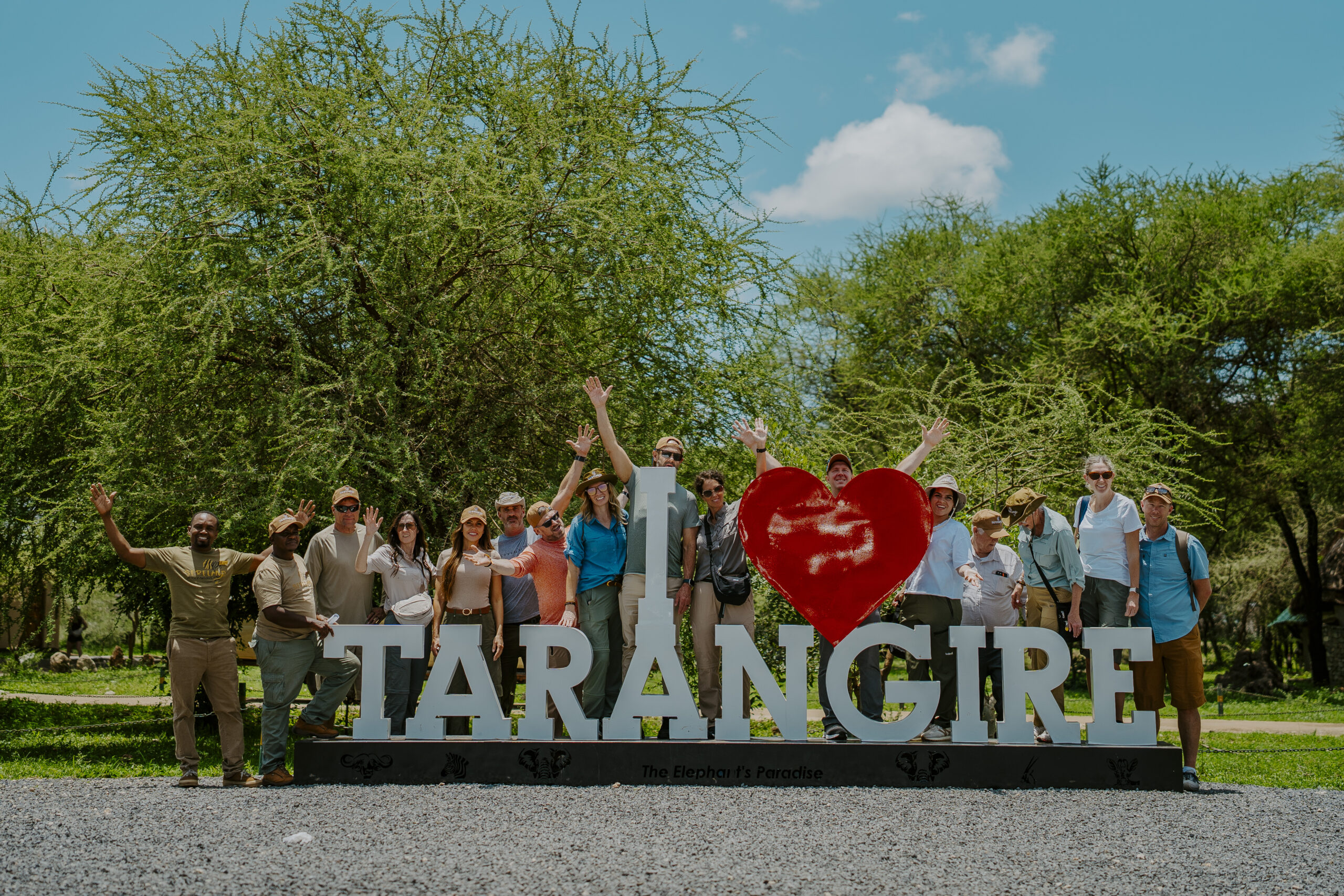
Tarangire National Park in Tanzania is a stunning wildlife sanctuary encompassing roughly 2,850 square kilometers in the Manyara Region, highly celebrated for its iconic baobab-studded landscapes and massive elephant populations. The park is bisected by the Tarangire River, which serves as the primary freshwater lifeline for thousands of migratory animals—including zebras, wildebeests, buffaloes, and elands—that converge on its banks during the annual dry season from June to October. Often described as a quieter, more intimate alternative to the Serengeti, Tarangire provides excellent big game viewing with high concentrations of lions, leopards, and cheetahs, alongside more than 550 distinct bird species.

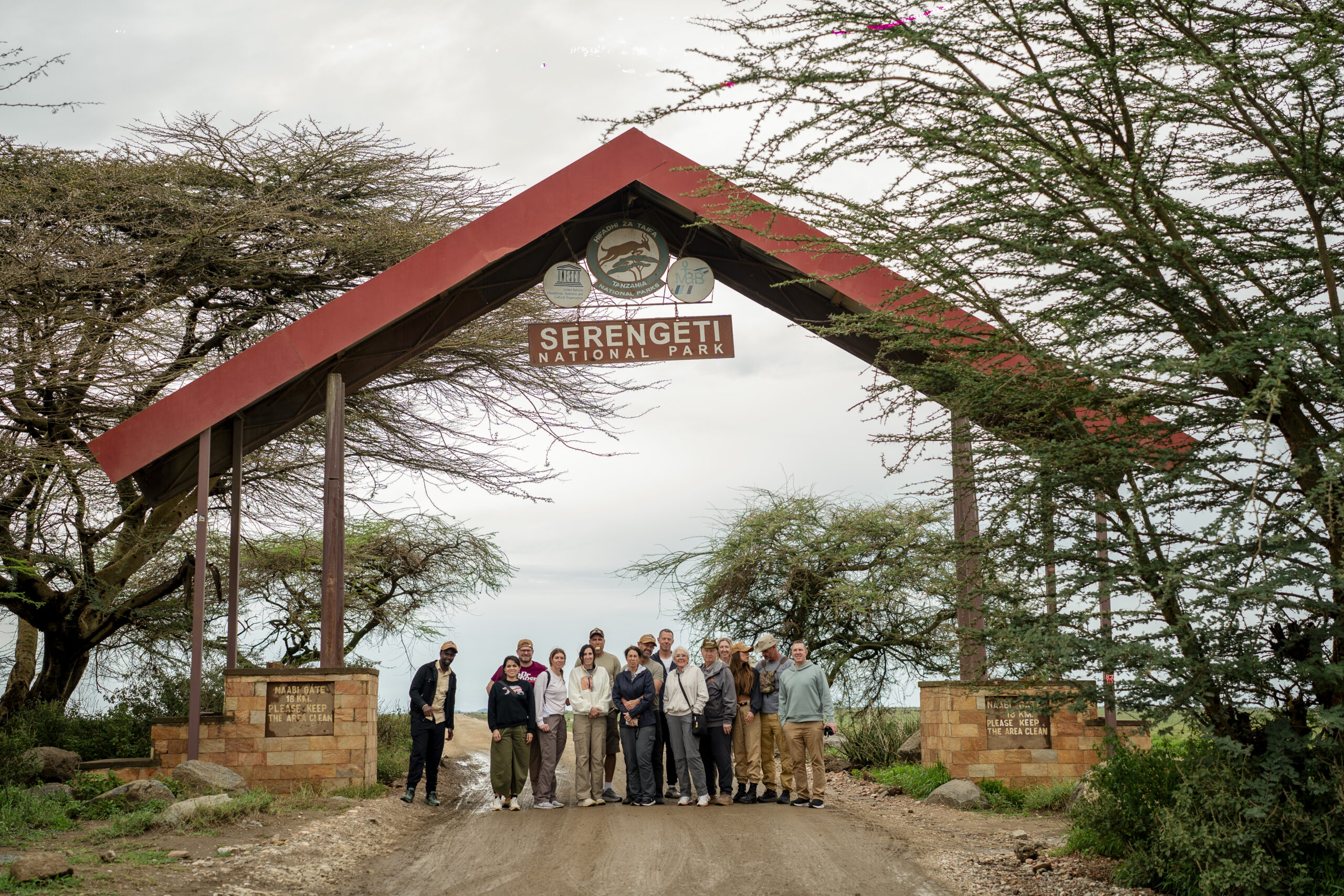
Serengeti National Park

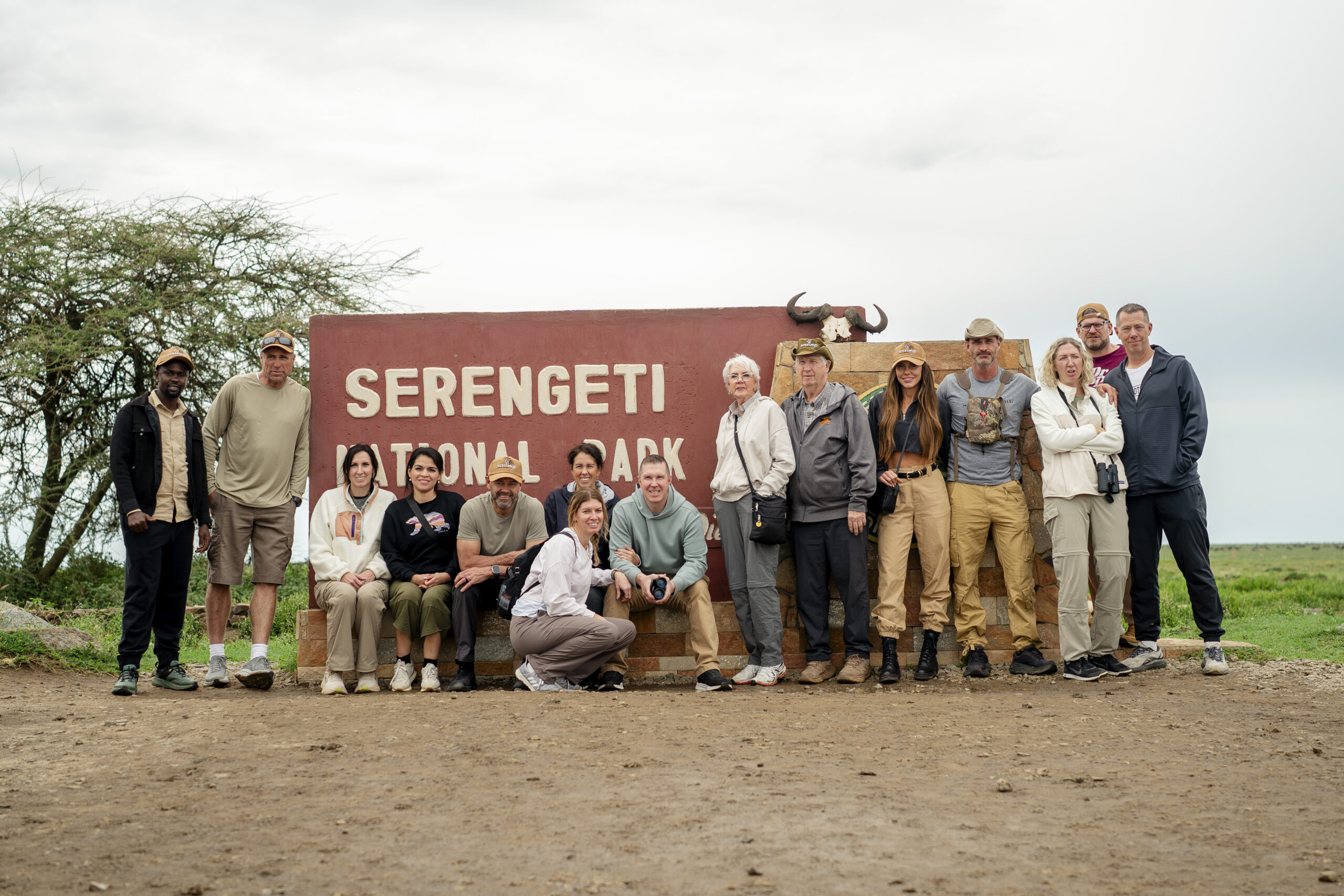
Serengeti National Park in Tanzania is a world-renowned wilderness area encompassing over 14,750 square kilometers of sprawling savanna, riverine forests, and woodlands. Famous for the Great Migration, the park plays host to millions of wildebeest, zebras, and gazelles as they trek across the plains in search of fresh pasture, closely pursued by a dense population of predators including lions, cheetahs, and leopards. As a designated UNESCO World Heritage Site, its unique ecosystems offer unparalleled wildlife viewing, making it a critical sanctuary for biodiversity and one of Africa’s premier safari destinations.