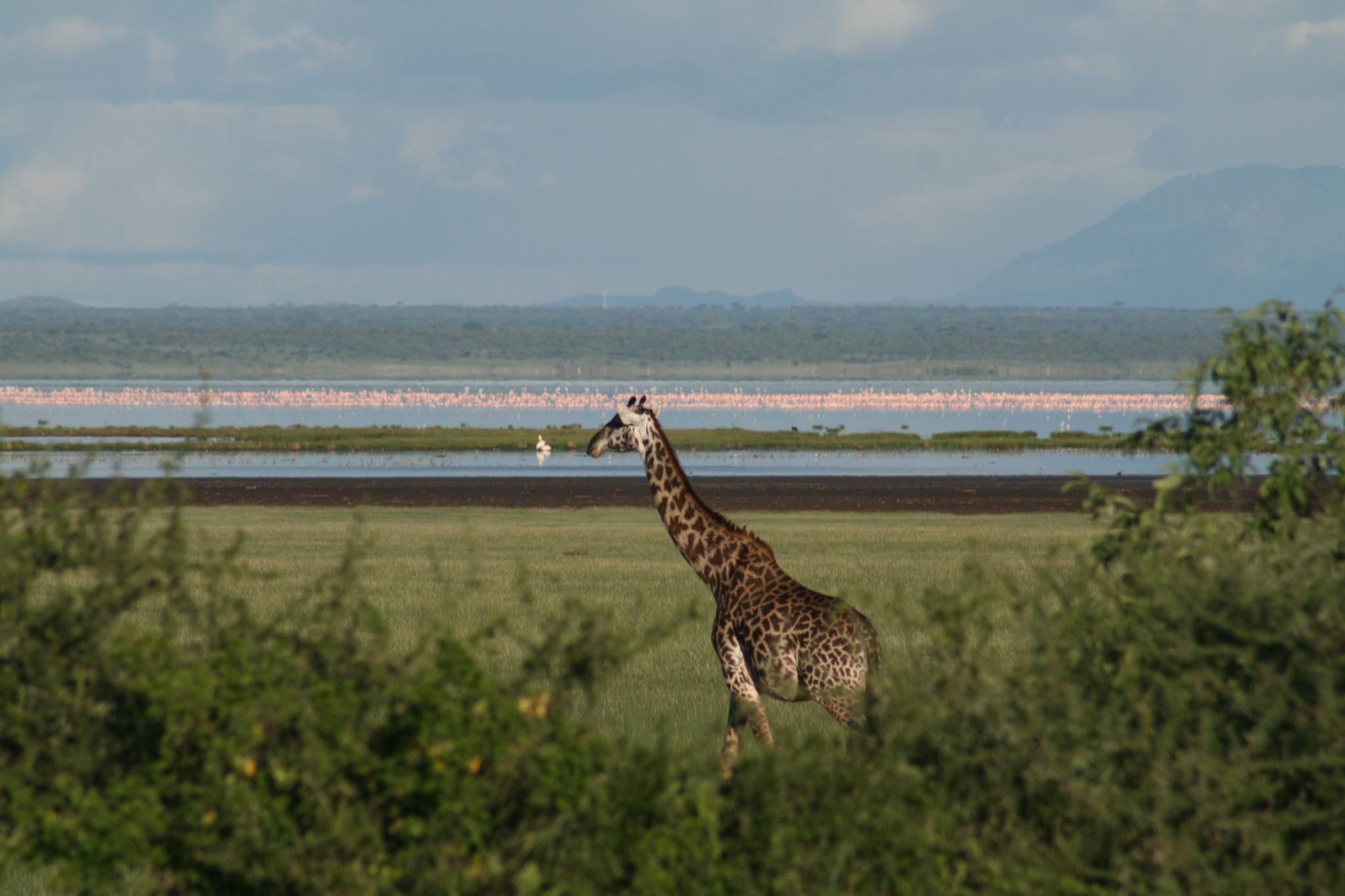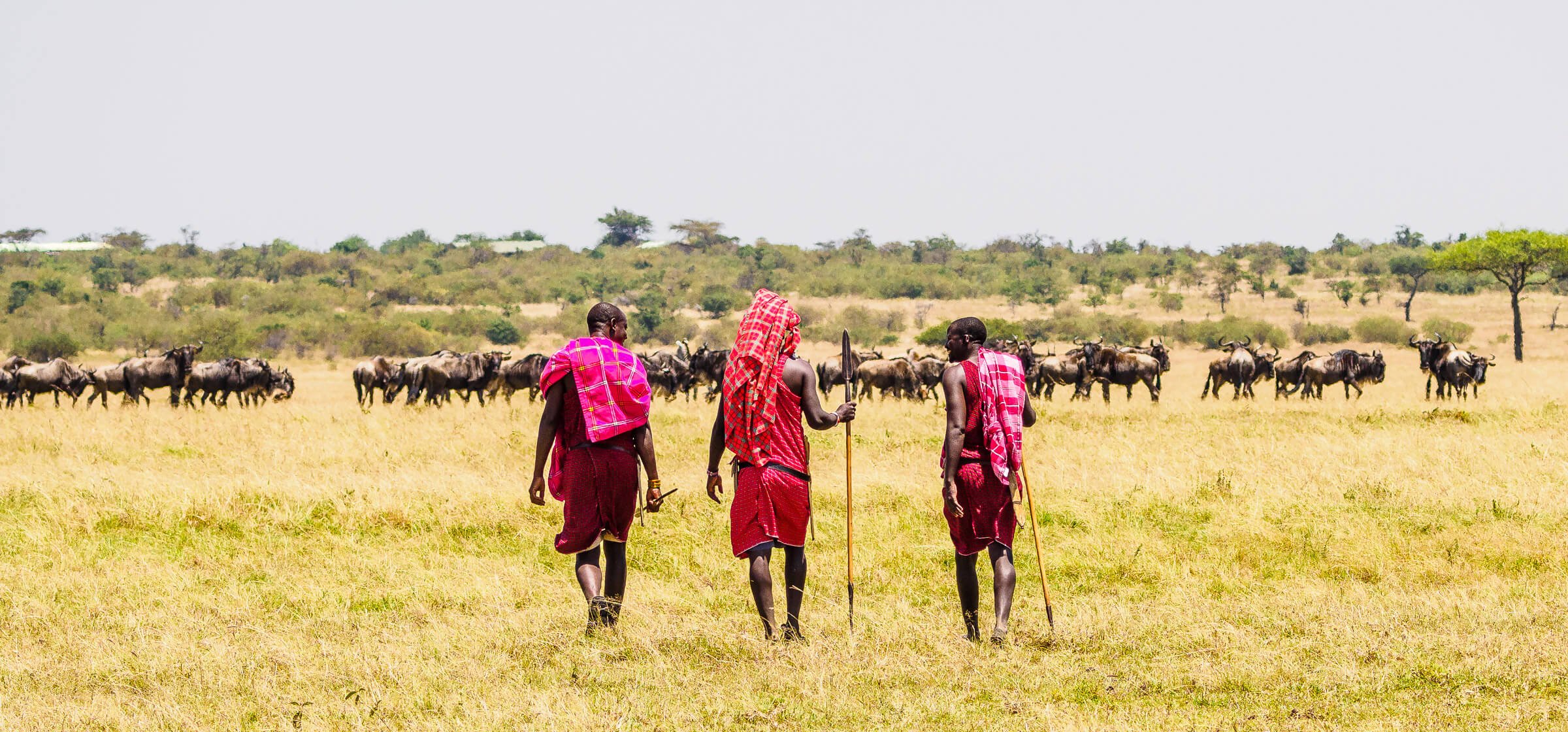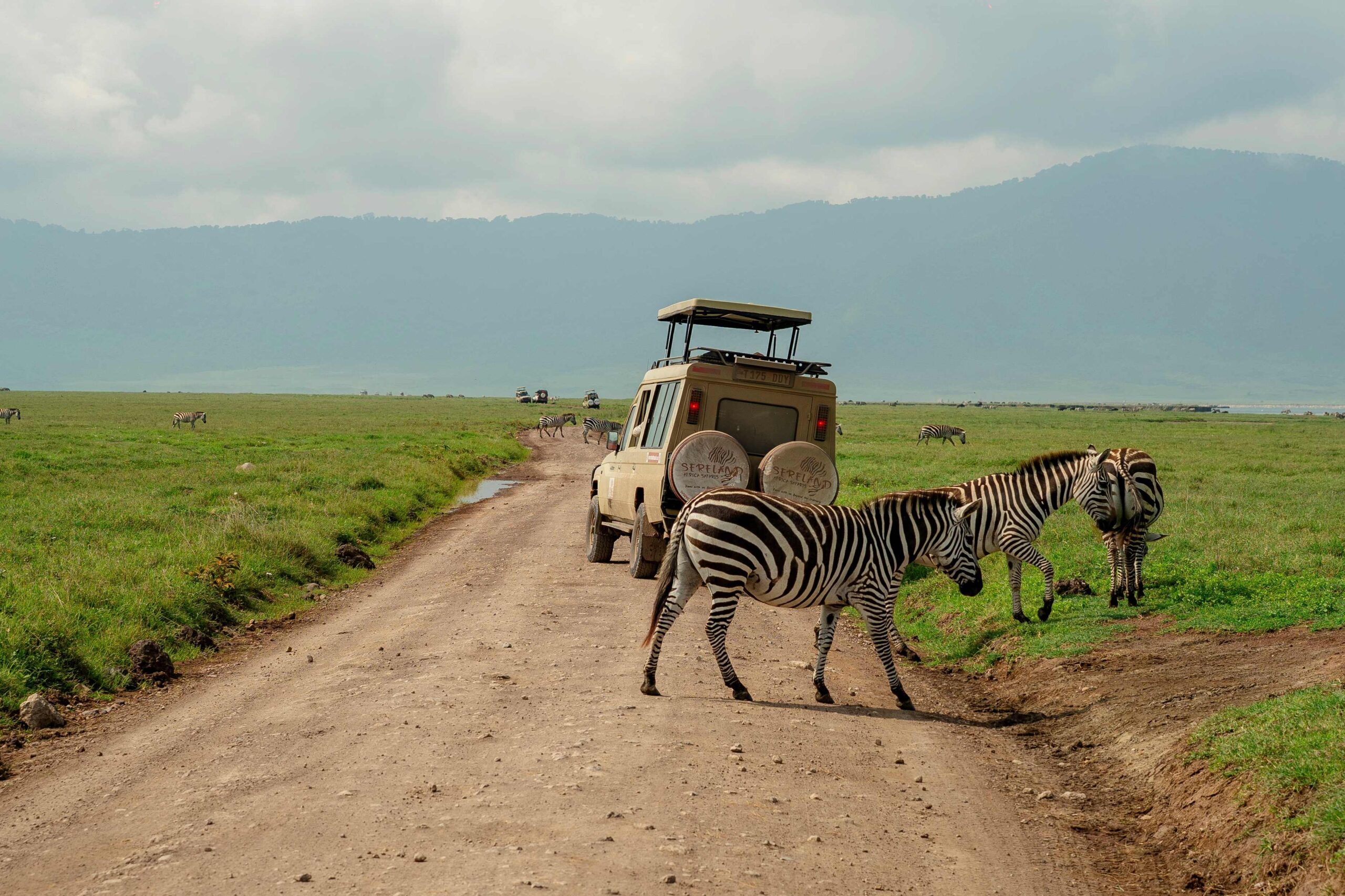
The Great Wildebeest Migration Safari is one of Africa’s most extraordinary wildlife experiences and one of the world’s most remarkable natural spectacles. Each year, more than two million wildebeest, zebras, and gazelles journey across the Serengeti ecosystem, following the seasonal rains in search of fresh grazing and water.
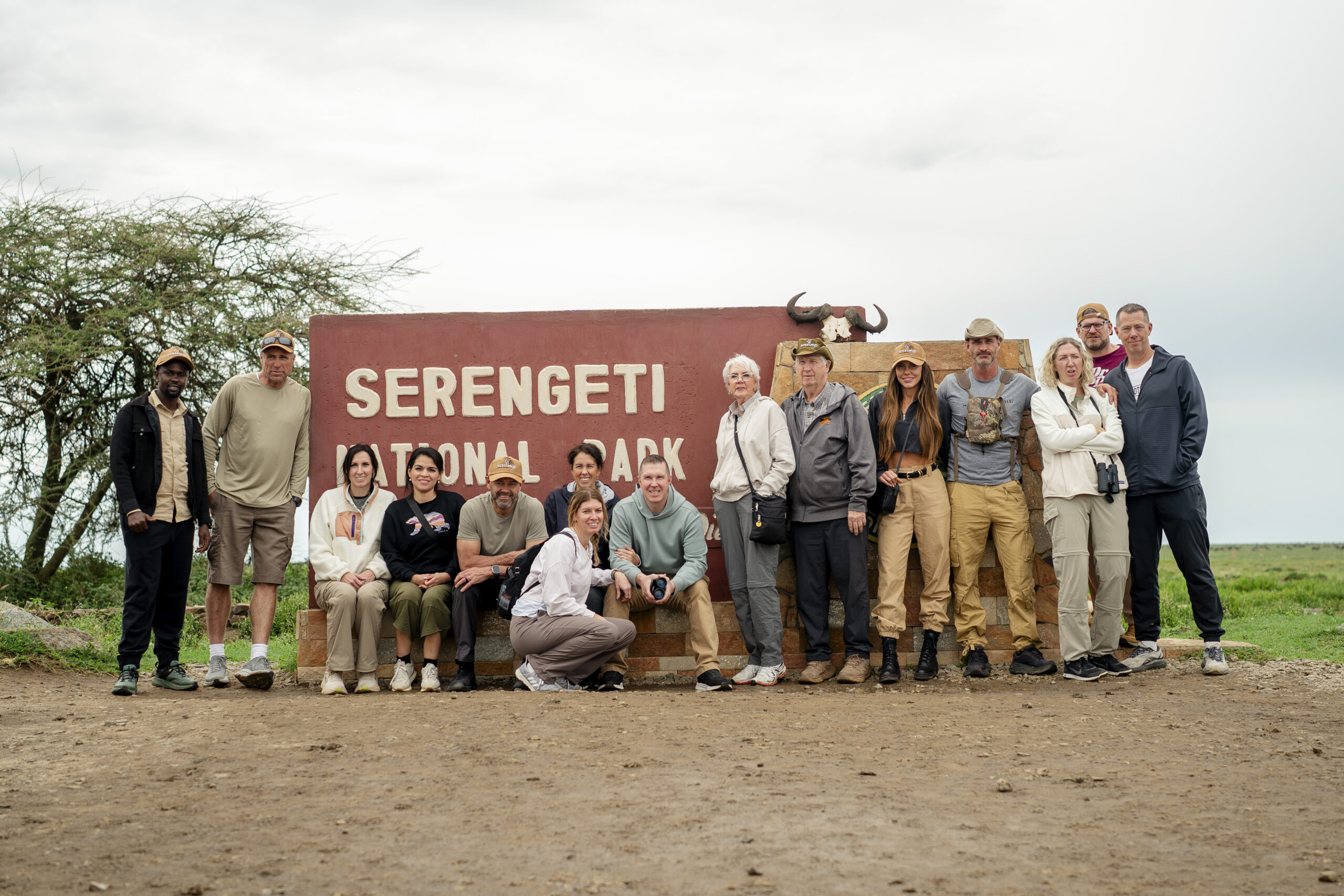
At Sereland Africa Safaris, we take you into the heart of this incredible phenomenon across Serengeti National Park in northern Tanzania. The migration is not a single event but a continuous, year-round cycle, with each season offering its own unforgettable highlights—from the dramatic calving season and vast herd movements to the legendary river crossings.
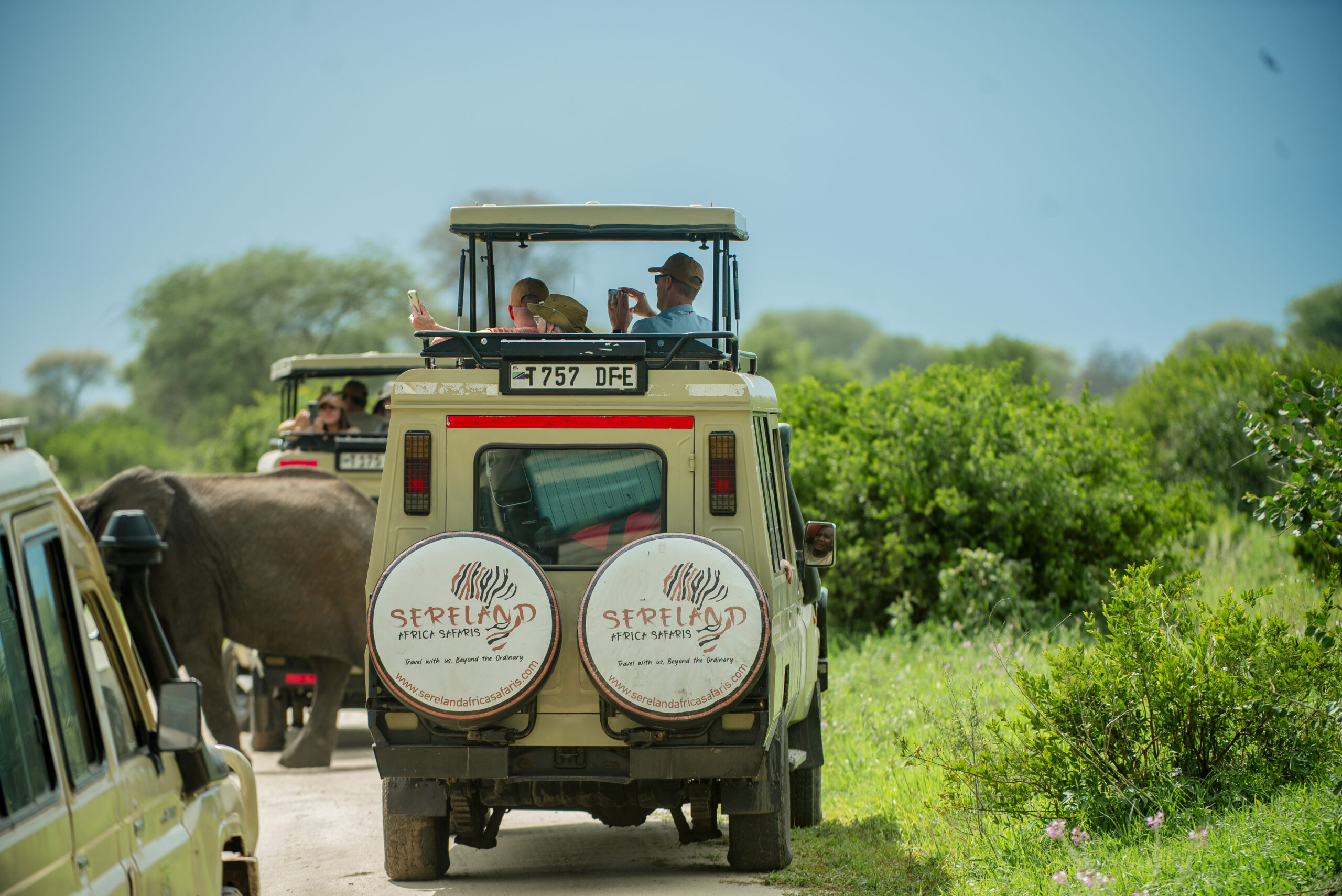
A Great Migration safari with Sereland Africa Safaris brings you closer to the wild in its most authentic form. Witness endless golden plains filled with thousands of animals and experience extraordinary encounters with lions, cheetahs, hyenas, and crocodiles. With our local expertise and carefully crafted safari experiences, we help you discover the Serengeti at its most spectacular—whether you are a first-time safari traveller, passionate photographer, or experienced wildlife enthusiast.
Tell us how you envision your Serengeti adventure, and our safari specialists will craft a personalised itinerary and detailed quote designed around your ideal African experience.
Our carefully crafted Great Migration safari experiences are designed around the most spectacular stages of the migration, from the dramatic calving season and vast herd movements to the unforgettable river crossings.
A Great Wildebeest Migration safari in the Serengeti offers a scale and intensity of wildlife viewing that few places in Africa can match. The sheer number of animals, dramatic landscapes, and year-round presence of predators create an experience that is both visually spectacular and deeply memorable.
At Sereland Africa Safaris, we carefully plan each migration journey around your interests and the seasonal movements of the herds, helping you experience the Serengeti at its most remarkable.
Witness one of Africa’s most remarkable natural spectacles and a globally recognised ecological phenomenon
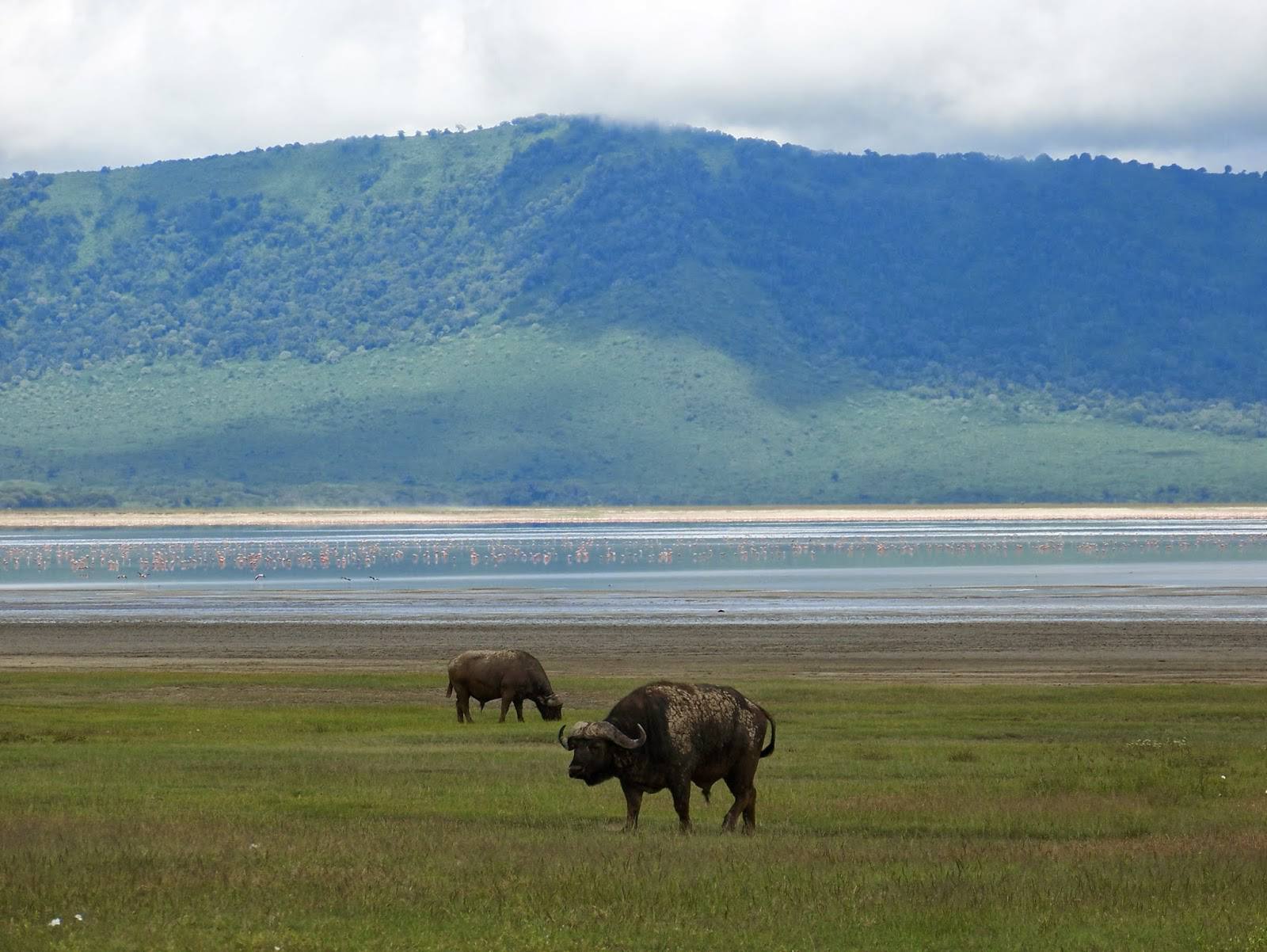
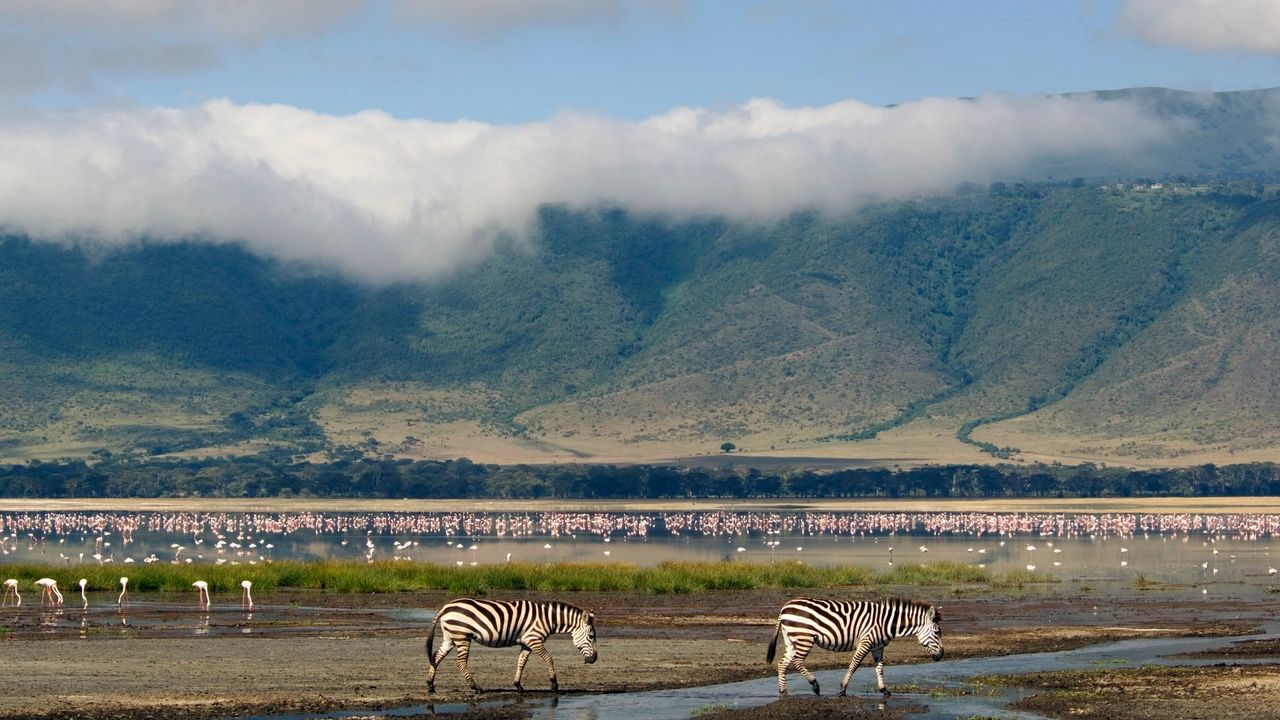
Watch enormous herds of wildebeest, zebras, and gazelles stretch across the Serengeti plains
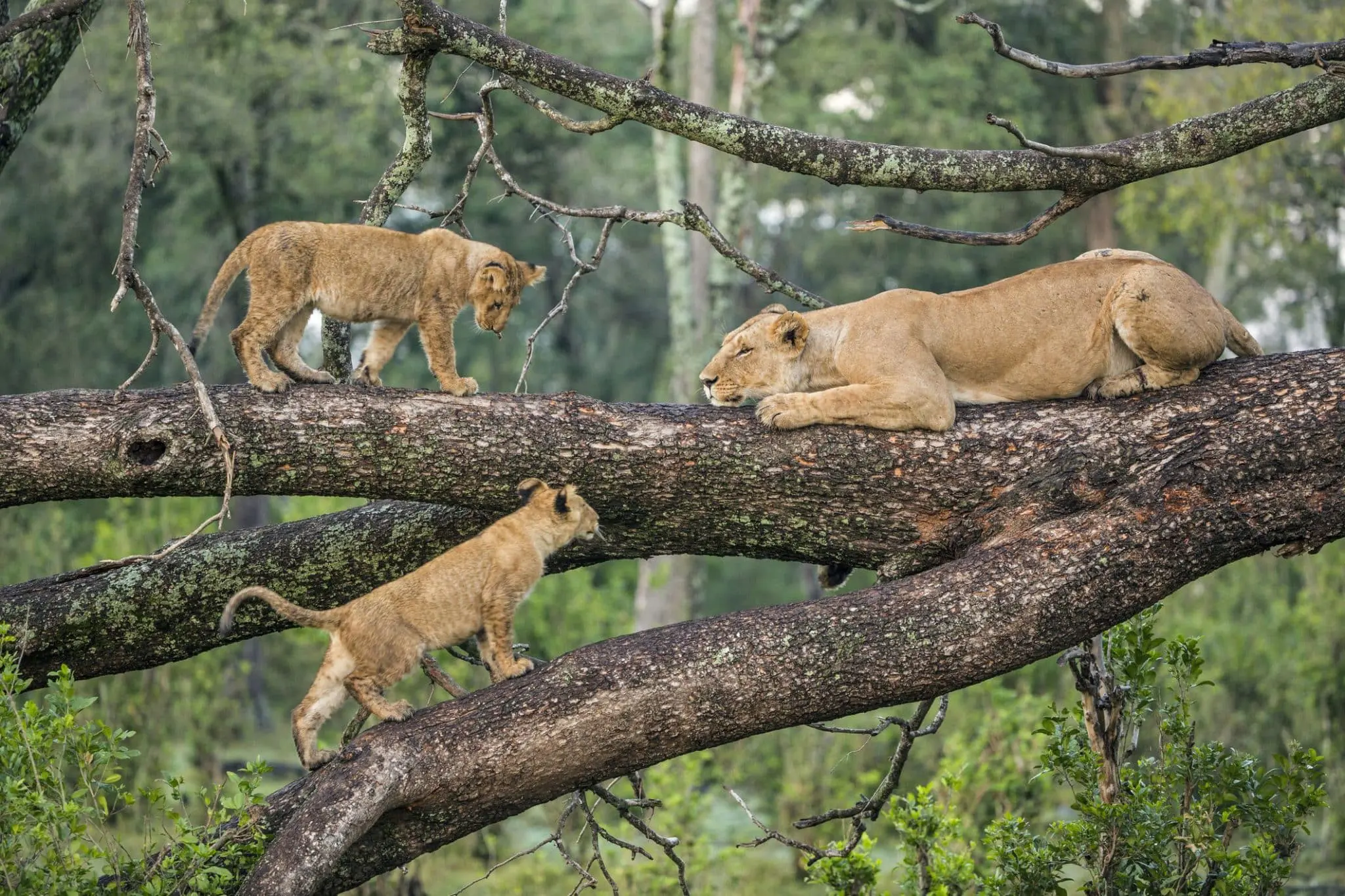
Experience extraordinary predator encounters involving lions, cheetahs, leopards, hyenas, and Nile crocodiles
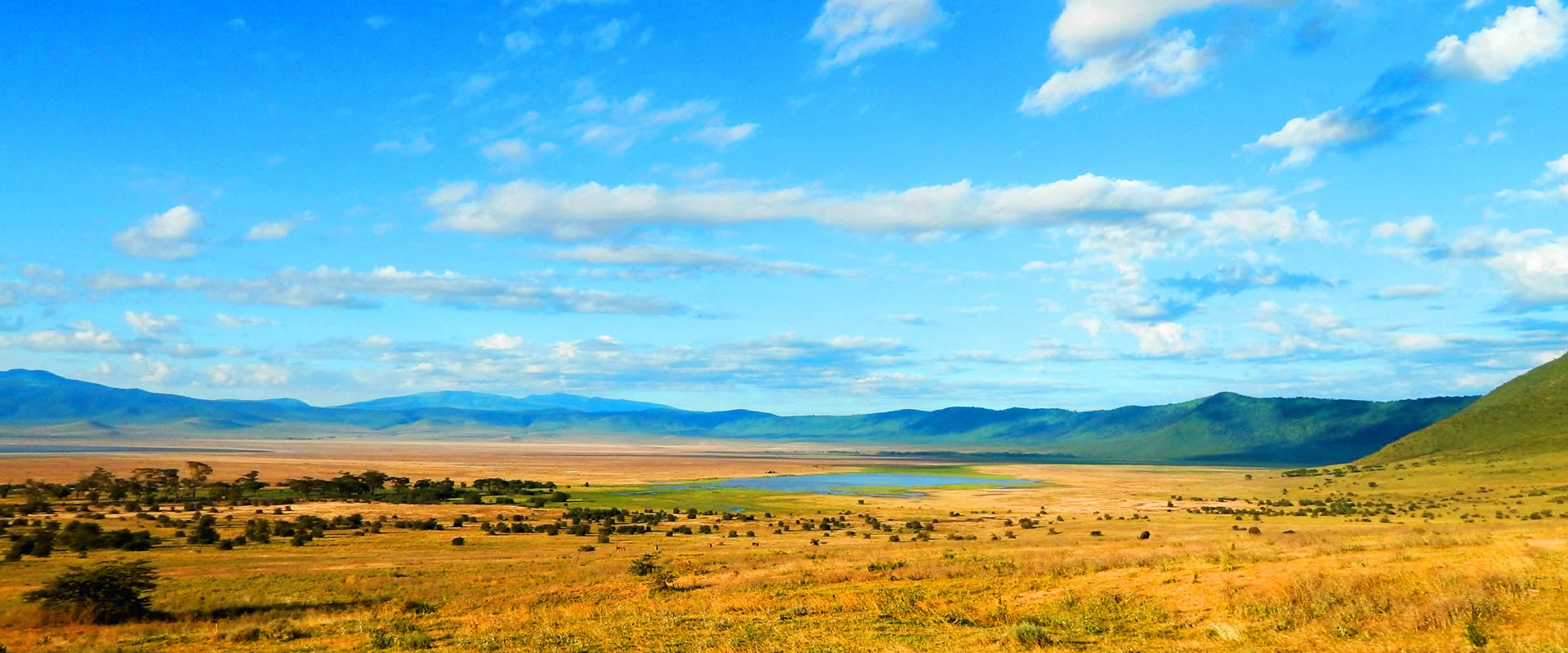
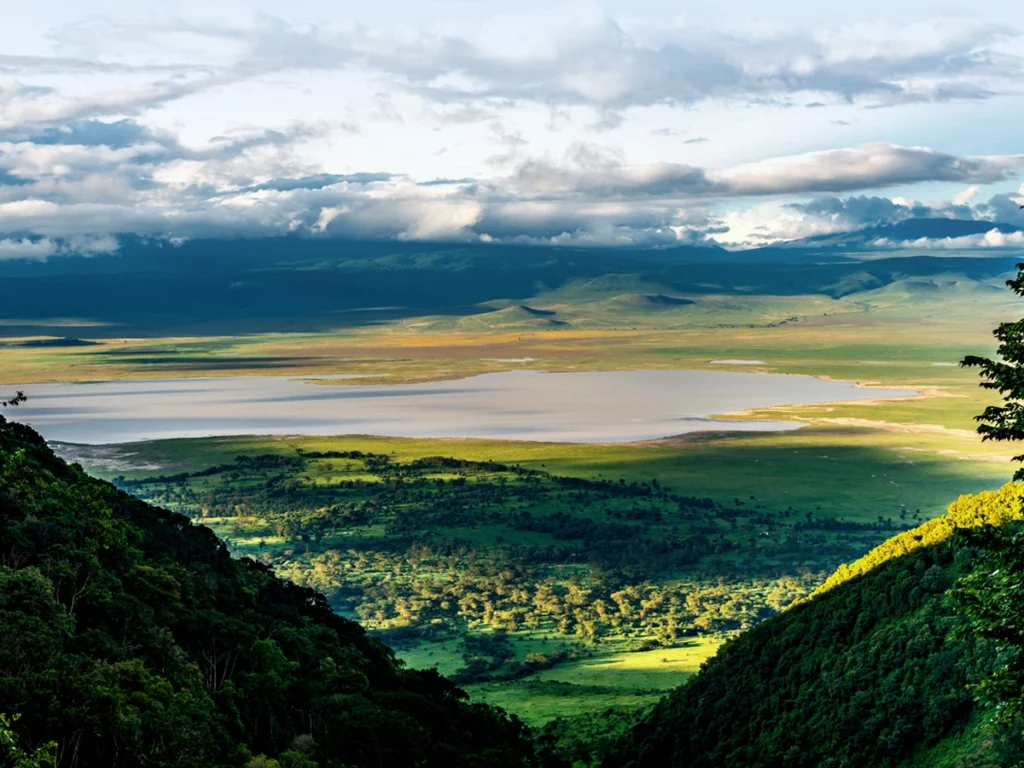
Explore diverse Serengeti landscapes, from vast open plains and woodland areas to rivers and seasonal wetlands
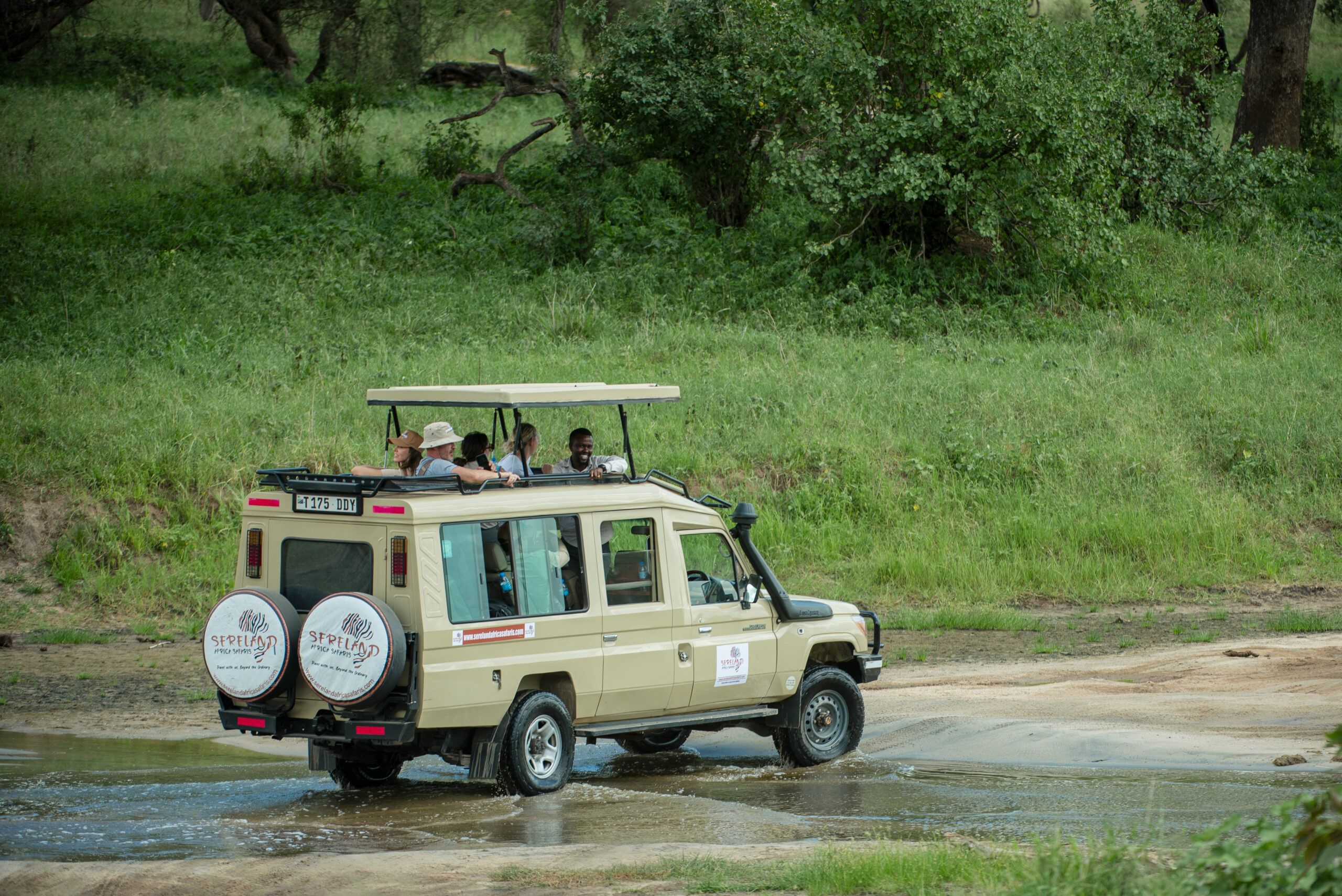
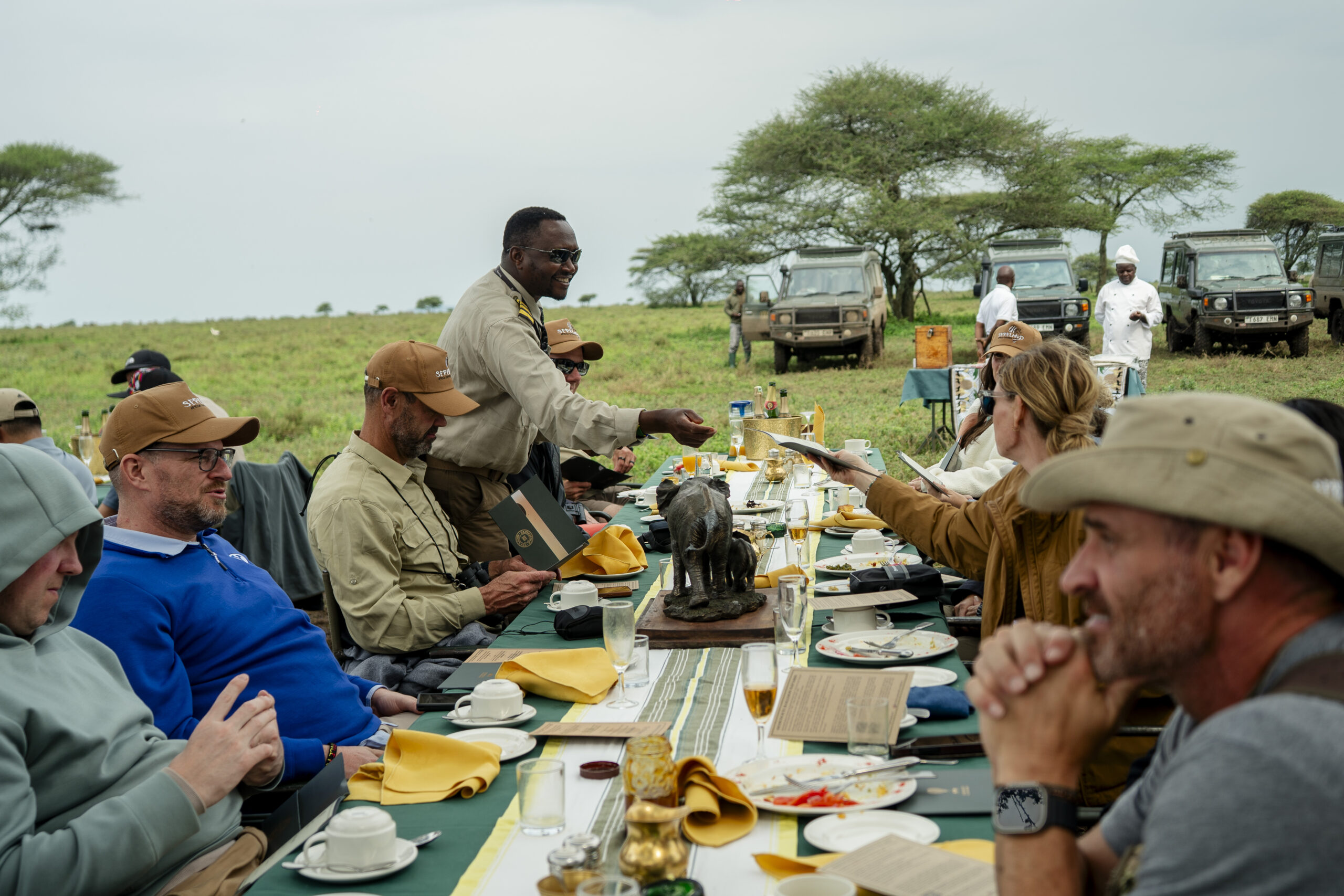
Enjoy expert-guided game drives with knowledgeable professional local safari guides
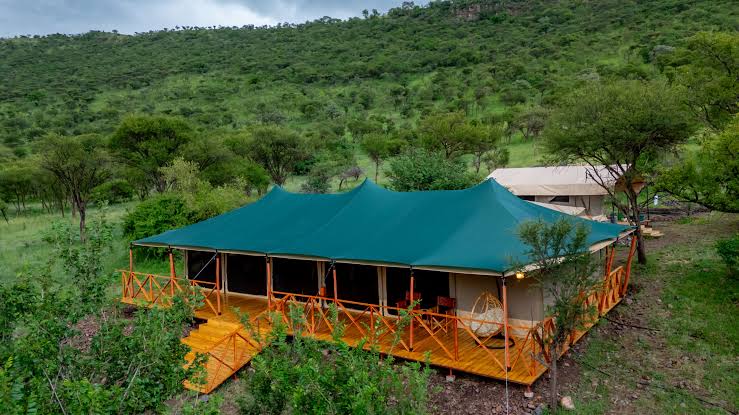
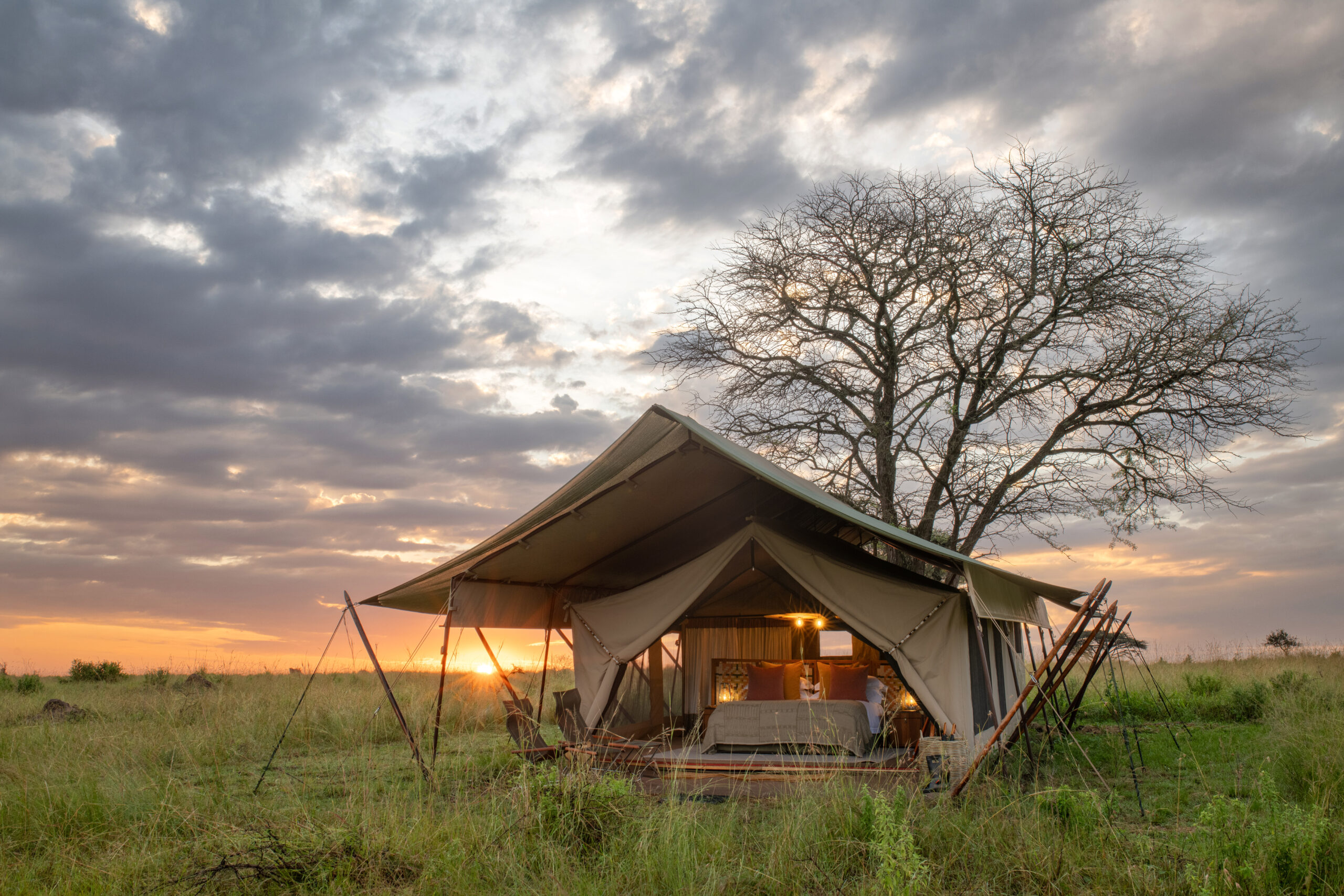
Choose from a carefully selected range of luxury lodges, elegant tented camps, and mobile camps positioned to offer excellent access to the migration
Combine your Serengeti adventure with a relaxing Zanzibar beach escape for the ultimate Tanzania safari and beach experience
The Great Wildebeest Migration is a year-round natural cycle, with each season offering a different way to experience the Serengeti. At Sereland Africa Safaris, we carefully plan your safari around the phase of the migration you most want to witness—from the excitement of calving season to the movement of vast herds and the legendary river crossings.
The herds gather in the Southern Serengeti and Ndutu region, where thousands of wildebeest calves are born. This is an exceptional time for dramatic predator encounters, photography, and witnessing new life on the plains.
As the rains transform the Serengeti into lush green landscapes, the herds begin moving north. With fewer visitors and spectacular scenery, this season is ideal for travellers seeking a more peaceful and intimate safari experience.
The migration reaches the Northern Serengeti, where the herds encounter the dramatic Grumeti and Mara River crossings. This is the most sought-after period and offers unforgettable wildlife encounters, making early planning highly recommended.
Following the short rains, the herds begin moving back toward the Southern Serengeti. Fresh green landscapes, abundant wildlife, and fewer crowds make this an excellent time for a quieter migration experience.
Calving & newborn wildlife: January – March
Herd movement & greener landscapes: April – June
River crossings: July – October
Quieter migration experience: November – December
With Sereland Africa Safaris, your travel dates are matched with the right region and season to give you the best possible opportunity to experience the Great Migration.
1. What is the Great Migration?
The Great Migration is the annual movement of more than two million wildebeest, zebras, and gazelles across the Serengeti in search of fresh grass and water.
2. When is the best time to see the Great Migration?
The migration takes place year-round, with January–March ideal for calving, April–June for herd movement, and July–October for the famous river crossings.
3. Are the river crossings guaranteed?
No. River crossings depend on rainfall and natural herd movement. Our local expertise helps position you in the best areas at the right time.
4. How many days do I need for a Great Migration safari?
We recommend 5–7 days for a comfortable and rewarding experience, with longer itineraries available for travellers who want to explore more of Tanzania.
5. Can I combine my Serengeti safari with Zanzibar?
Yes. Sereland Africa Safaris can combine your Great Migration safari with a relaxing Zanzibar beach escape for the perfect Tanzania safari and beach experience.
6. Can I customise my Great Migration safari?
Absolutely. Sereland Africa Safaris creates tailor-made safari experiences based on your travel dates, accommodation preferences, safari style, interests, and budget.
WhatsApp us

Our team is always here to help
Our team is always here to help
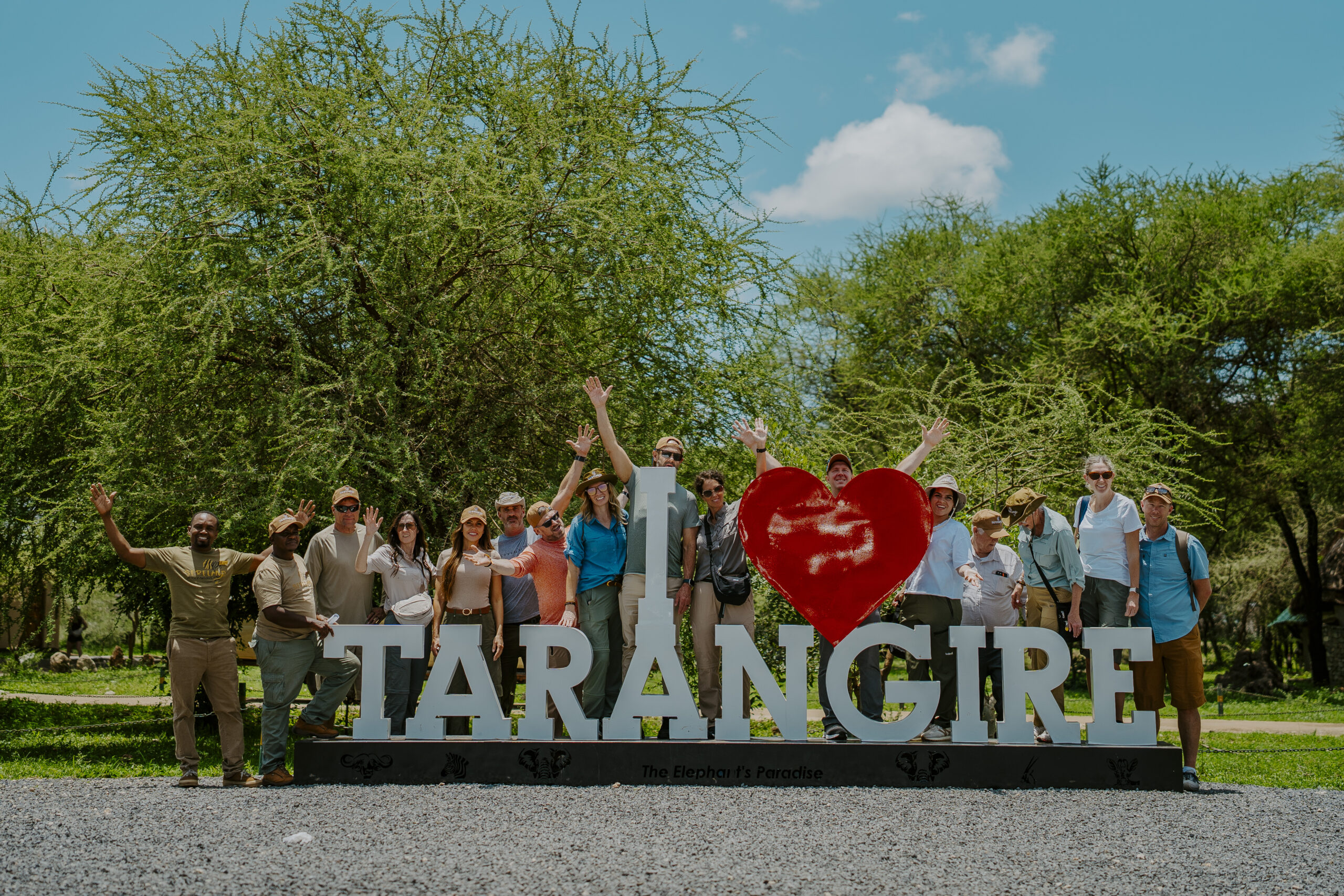
Tarangire National Park in Tanzania is a stunning wildlife sanctuary encompassing roughly 2,850 square kilometers in the Manyara Region, highly celebrated for its iconic baobab-studded landscapes and massive elephant populations. The park is bisected by the Tarangire River, which serves as the primary freshwater lifeline for thousands of migratory animals—including zebras, wildebeests, buffaloes, and elands—that converge on its banks during the annual dry season from June to October. Often described as a quieter, more intimate alternative to the Serengeti, Tarangire provides excellent big game viewing with high concentrations of lions, leopards, and cheetahs, alongside more than 550 distinct bird species.
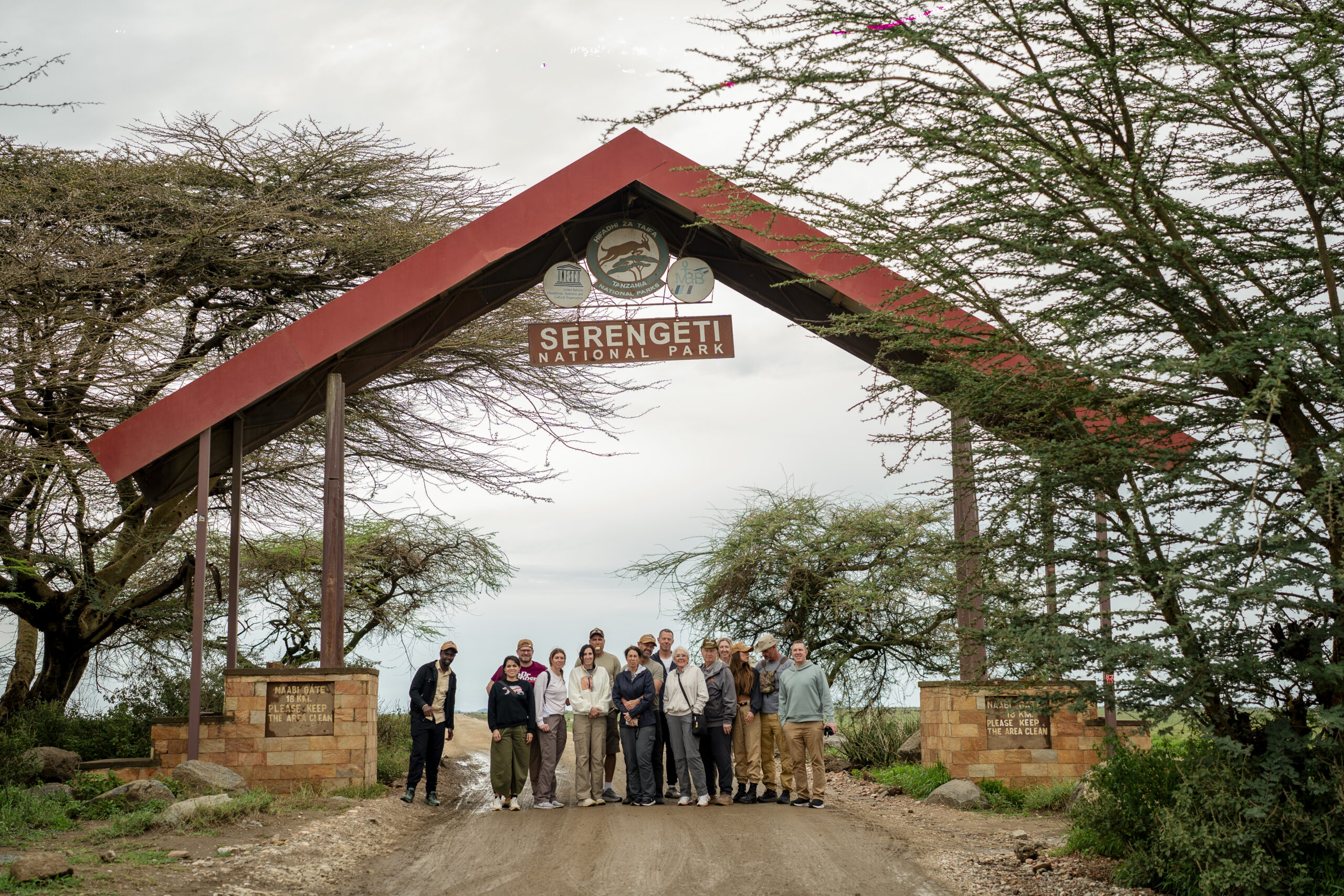
Serengeti National Park in Tanzania is a world-renowned wilderness area encompassing over 14,750 square kilometers of sprawling savanna, riverine forests, and woodlands. Famous for the Great Migration, the park plays host to millions of wildebeest, zebras, and gazelles as they trek across the plains in search of fresh pasture, closely pursued by a dense population of predators including lions, cheetahs, and leopards. As a designated UNESCO World Heritage Site, its unique ecosystems offer unparalleled wildlife viewing, making it a critical sanctuary for biodiversity and one of Africa’s premier safari destinations.