Mafia island | Tanzania’s Best-Kept Secret for Diving, Snorkeling & Beach Escapes

Mafia Island – Tanzania’s Best-Kept Secret for Diving, Snorkeling & Beach Escapes

Mafia Island, located off Tanzania’s southern coast, is a tropical paradise known for its uncrowded white-sand beaches, crystal-clear turquoise waters, and world-class marine life. As part of the Mafia Archipelago in the Indian Ocean. This serene island offers a peaceful and authentic escape from the busy mainland and more commercialized beach destinations like Zanzibar.

Perfect for snorkelers, scuba divers, nature lovers, and those seeking off-the-beaten-path beach holidays, Mafia Island is one of East Africa’s most unspoiled gems.


Why Visit Mafia Island?

At the heart of Mafia’s appeal is the Mafia Island Marine Park, one of the largest and most biodiverse marine protected areas in the Indian Ocean. The park is home to:

  • Over 400 species of tropical fish

  • Pristine coral reefs

  • Dugongs and sea turtles

  • Seasonal whale sharks (October–March)

Whether you’re a seasoned diver or a first-time snorkeler, the calm waters and vibrant underwater world make Mafia one of Tanzania’s top diving and snorkeling destinations.


Top Things to Do on Mafia Island

  • 🤿 Scuba Diving & Snorkeling – Explore coral gardens, reef walls, and marine life in some of the clearest waters in Tanzania.

  • 🐋 Swim with Whale Sharks – Witness the gentle giants of the sea during their seasonal migration (best seen between October and March).

  • 🛶 Island Hopping – Visit Chole Island to explore Swahili ruins, mangrove forests, and authentic coastal villages.

  • 🦜 Birdwatching & Nature Walks – Discover the island’s mangroves, coastal forests, and diverse birdlife.

  • 🌅 Relax on Unspoiled Beaches – Enjoy peaceful stretches of beach with few crowds and breathtaking sunsets.


Cultural and Historical Experiences

The Island has a rich cultural heritage shaped by African, Arab, and European influences. Explore historic sites, visit traditional fishing villages, and experience Swahili coastal culture through local cuisine, crafts, and festivals. The nearby Chole Island is home to ancient ruins, including old mosques and colonial-era buildings dating back to the 12th century.


How to Get to Mafia Island

Mafia Island is easily accessible by a short domestic flight (about 30 minutes) from Dar es Salaam. Daily scheduled flights connect visitors to Mafia Airport, with airport transfers available to most lodges and hotels. There is no ferry service from the mainland, which helps preserve the island’s remote and exclusive atmosphere.


Where to Stay on Mafia Island

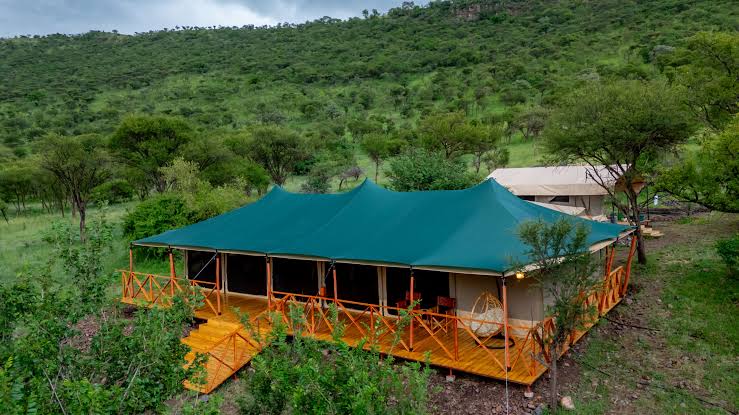
Accommodation ranges from luxury beachfront lodges to eco-friendly guesthouses and mid-range boutique resorts. Many properties are located within or near the Marine Park, offering direct access to the sea, diving centers, and peaceful beach settings.

Top resorts often include:

  • All-inclusive packages

  • PADI dive centers

  • Private beach access

  • Oceanfront bungalows or villas


Escape the Crowds – Discover Mafia Island’s Untouched Beauty

Mafia Island is ideal for travelers looking for a quiet, uncrowded, and authentic island experience. Whether you’re diving with whale sharks, snorkeling coral reefs, or simply relaxing on the beach under swaying palms, Mafia offers a unique blend of adventure and serenity.

Far from the crowds but rich in natural wonder, Mafia Island is Tanzania’s ultimate hidden paradise — perfect for a romantic getaway, eco-tourism escape, or marine adventure of a lifetime.

FEATURED TOURS

No trips was found

Planning a Trip to Tanzania?

Our team is always here to help

landing page form
  • Days
  • Accommodations
  • Travel Dates
  • Personal Details
How many days would you like your safari to be?

Plan Your KILIMAJARO Climbing Route

Our team is always here to help

kilimanjaro
  • STEP 1
  • STEP 1

lake manyara National Park

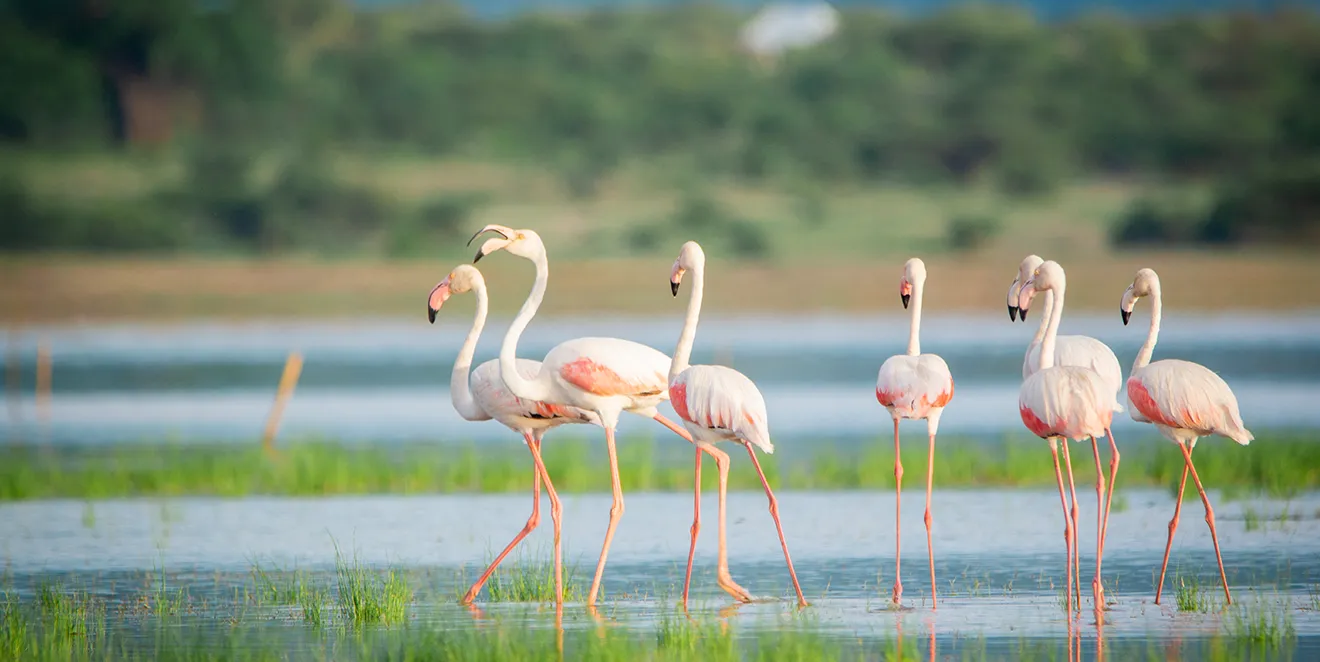
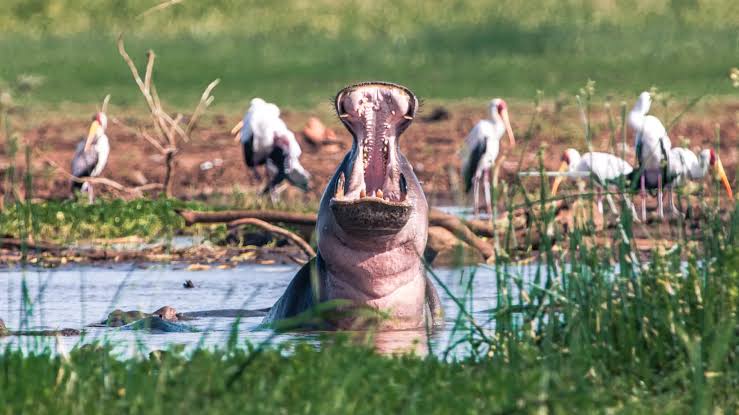
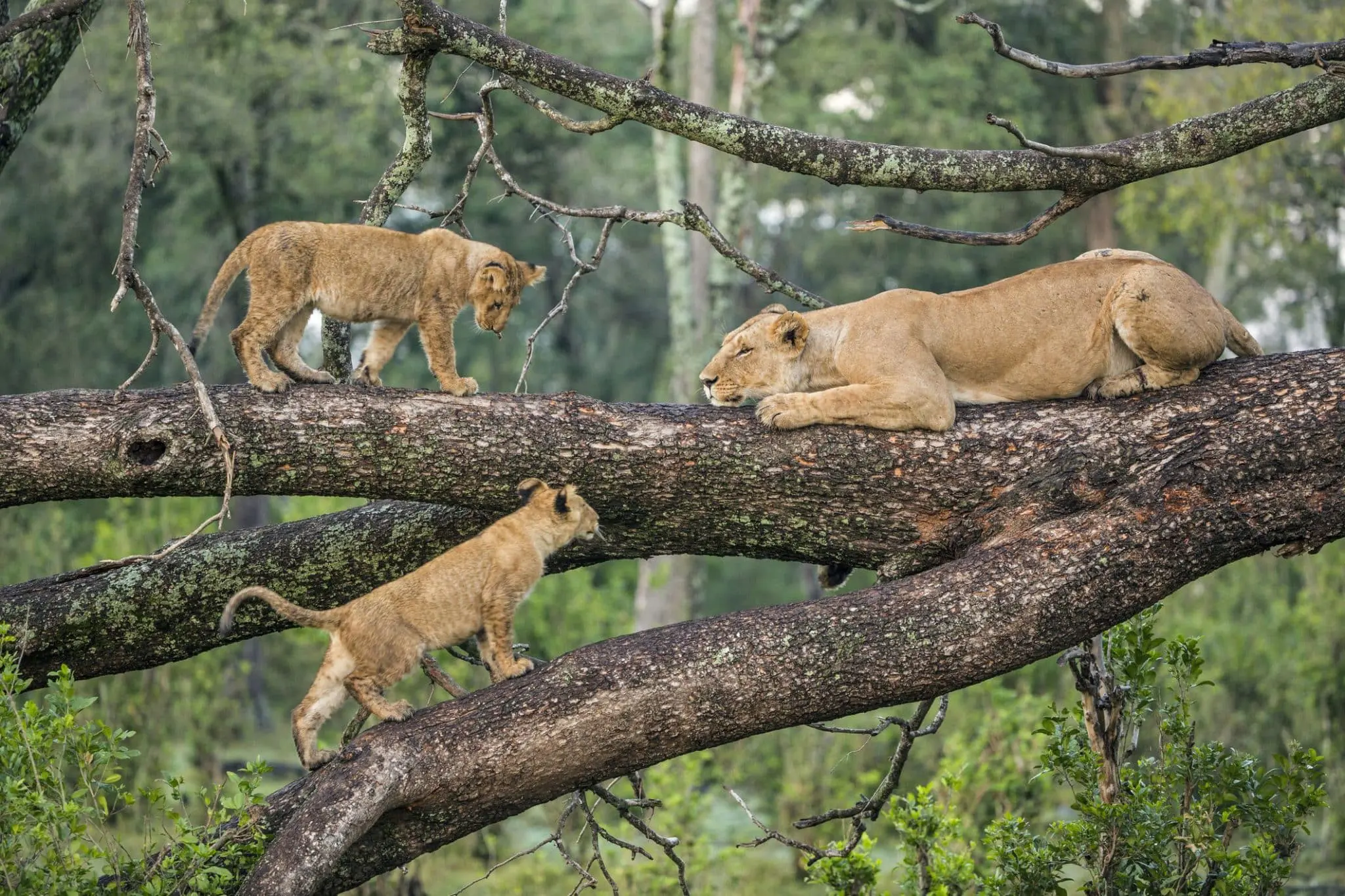
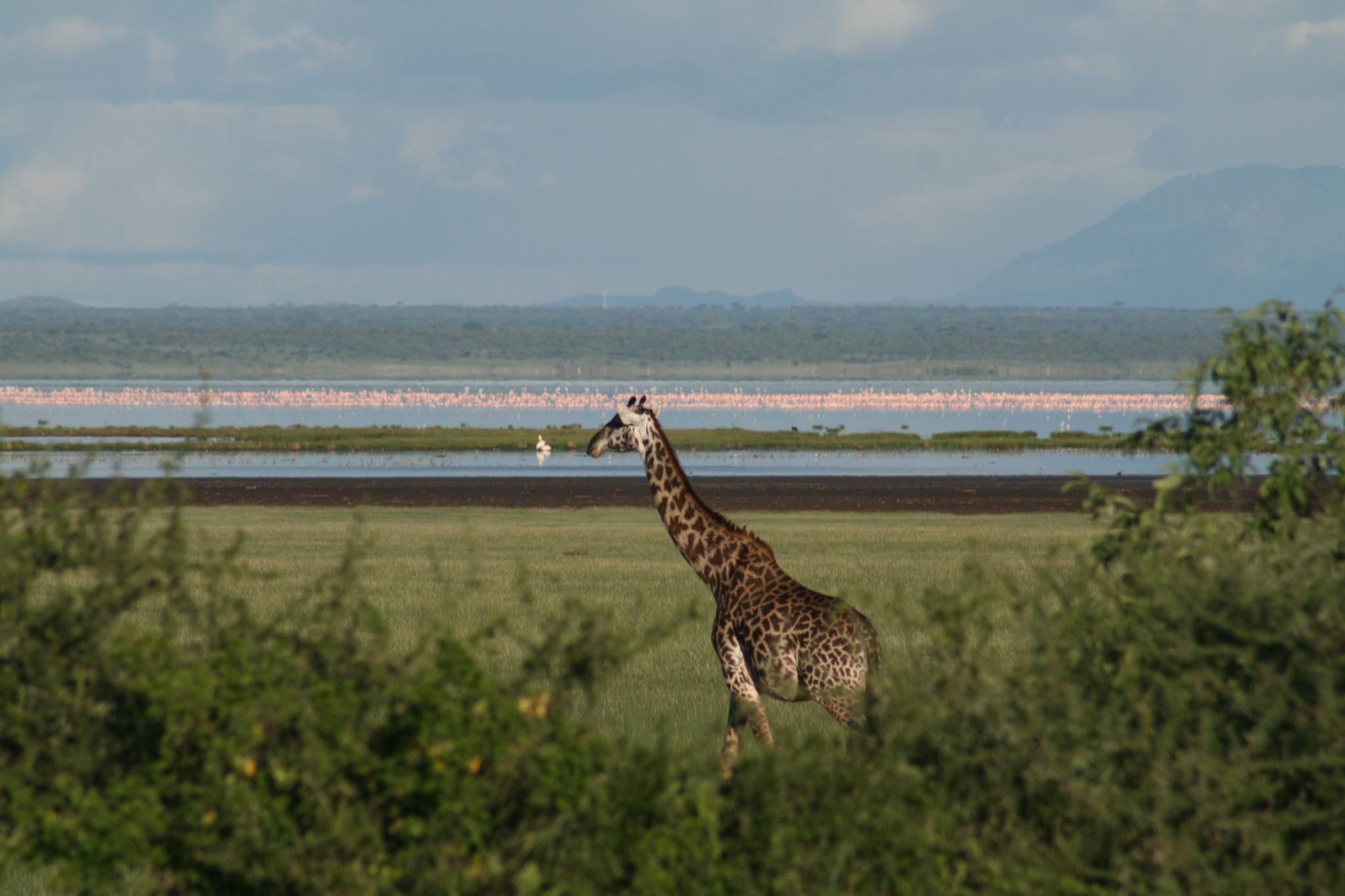
Lake Manyara National Park is a compact yet ecologically diverse wildlife sanctuary located in northern Tanzania, covering 325 square kilometers between the sheer cliffs of the Great Rift Valley Escarpment and the glassy waters of Lake Manyara. Nearly two-thirds of the park’s total surface area is occupied by the alkaline soda lake itself, which regularly draws millions of pink flamingos and other waterbirds to its shallow edges. The remaining terrain features a dramatic sequence of habitats, moving from a dense groundwater forest populated by massive troops of olive baboons and blue monkeys to open acacia woodlands famous for sheltering rare tree-climbing lions. Its rich environment provides critical feeding grounds for large herds of elephants, Cape buffaloes, giraffes, and hippos wallowing at the Mto wa Mbu entry points, offering a visually stunning, rapid safari experience right on the doorstep of the broader Northern Safari Circui

Ngorongoro National Park

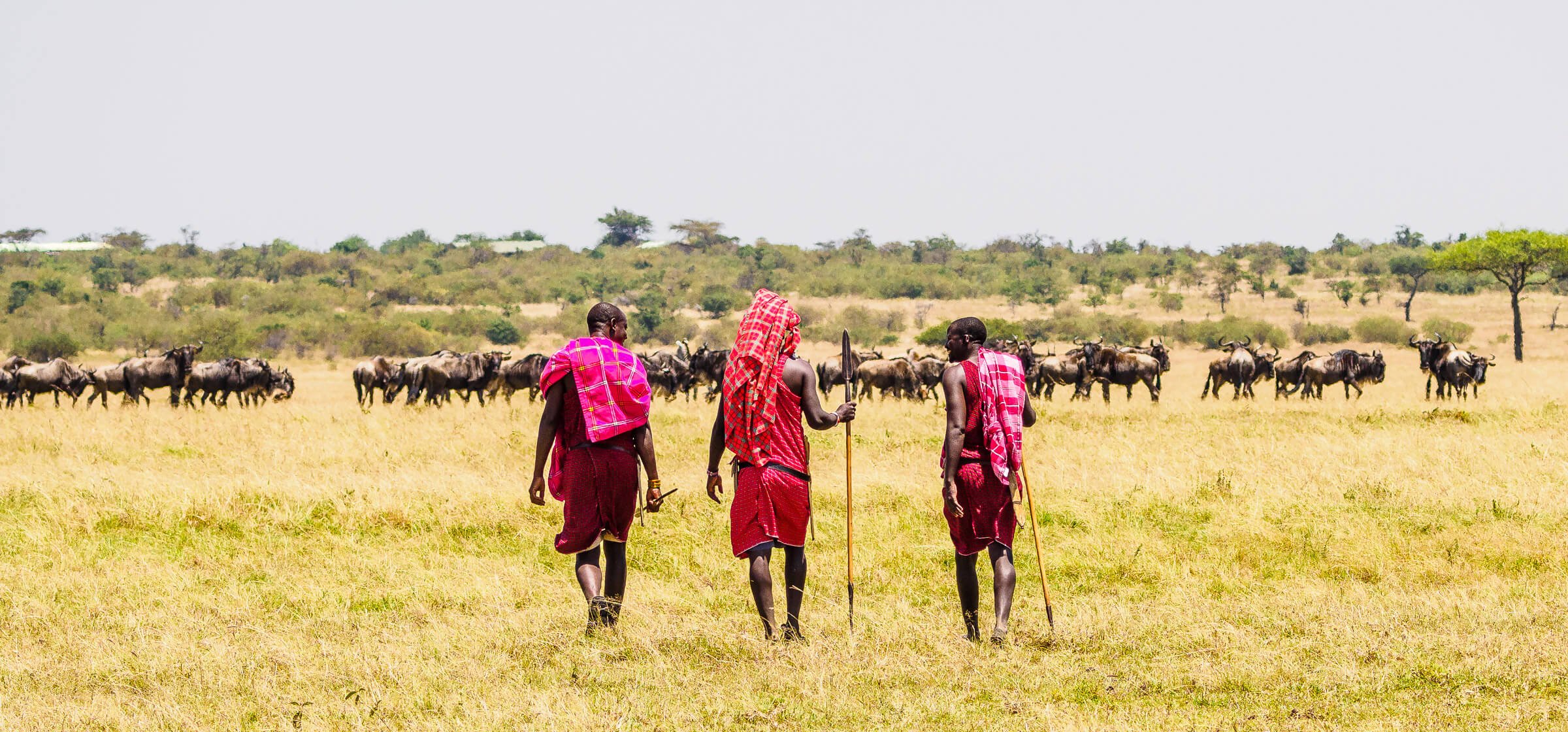
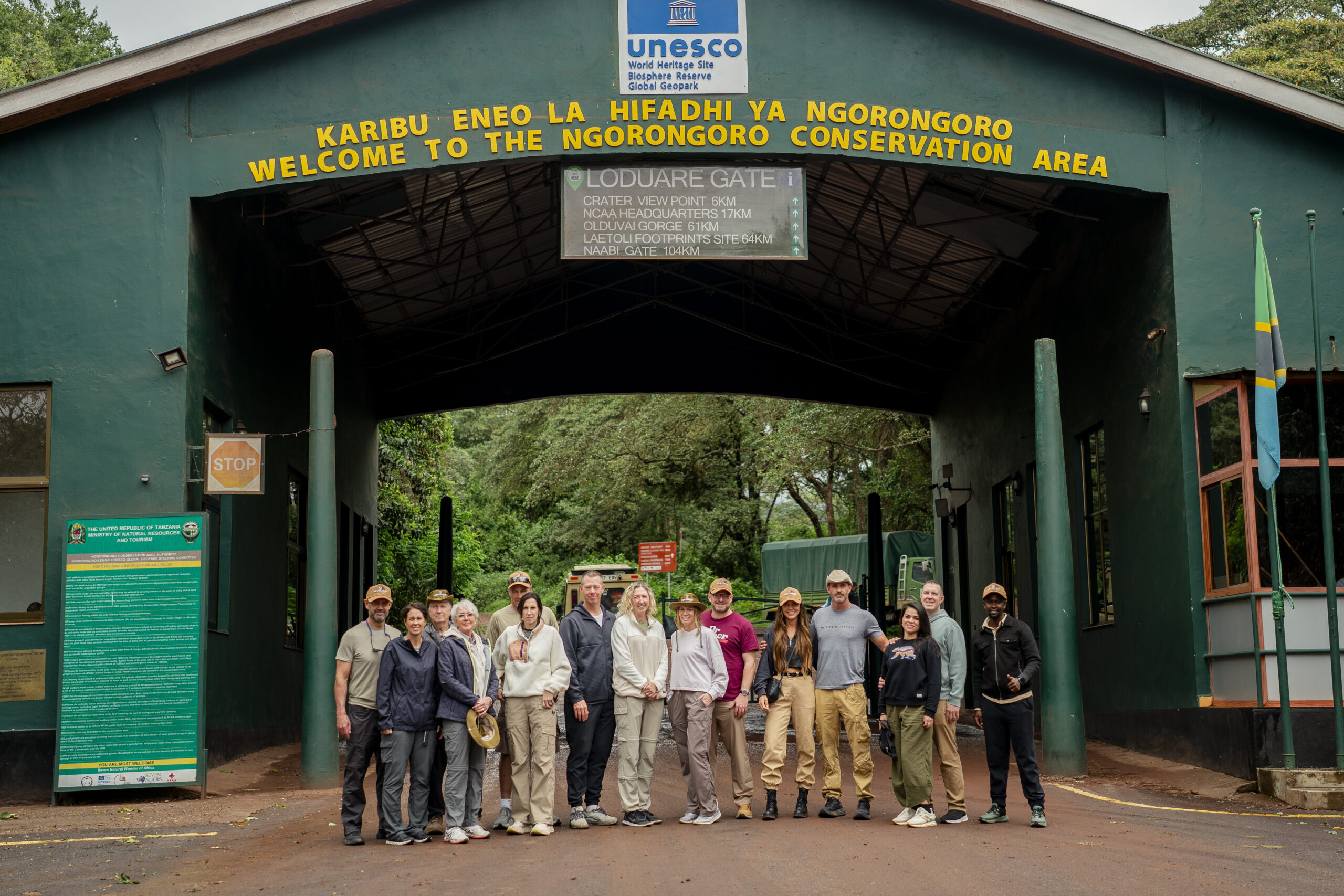
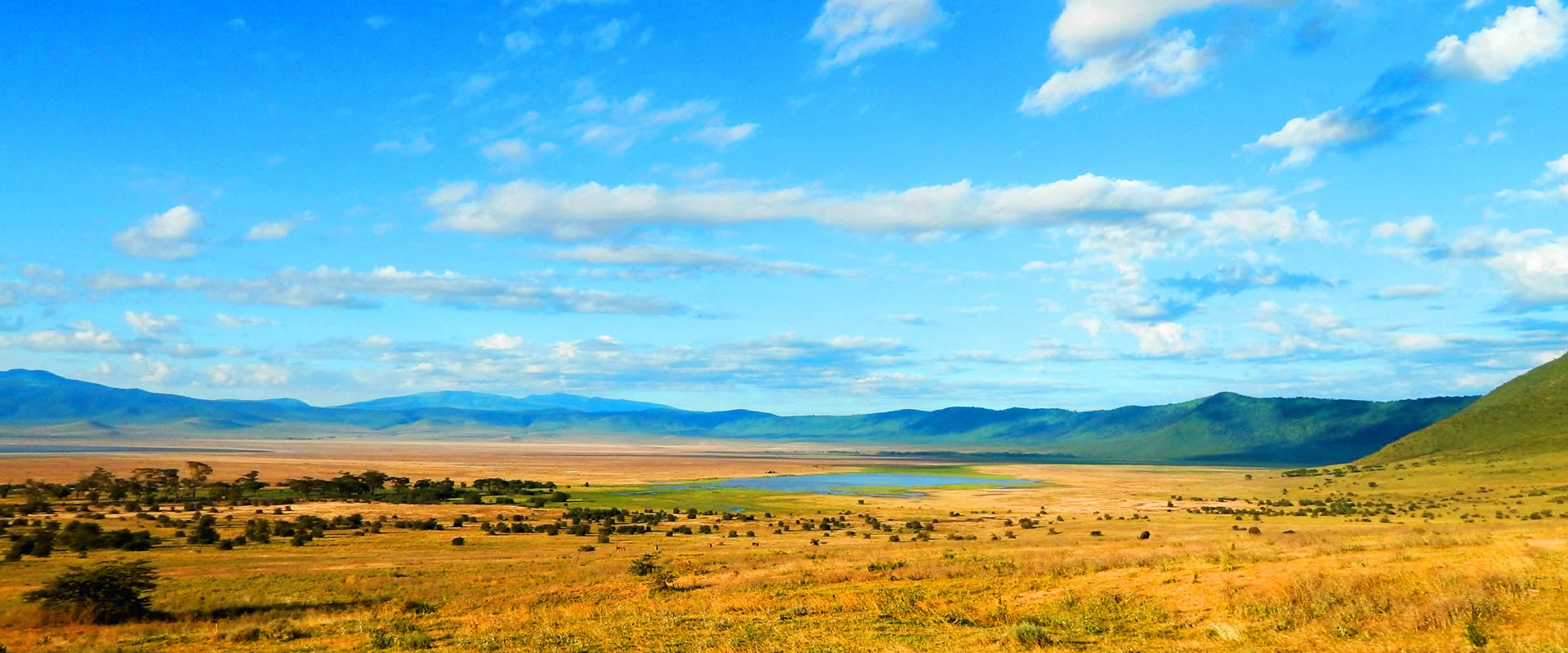
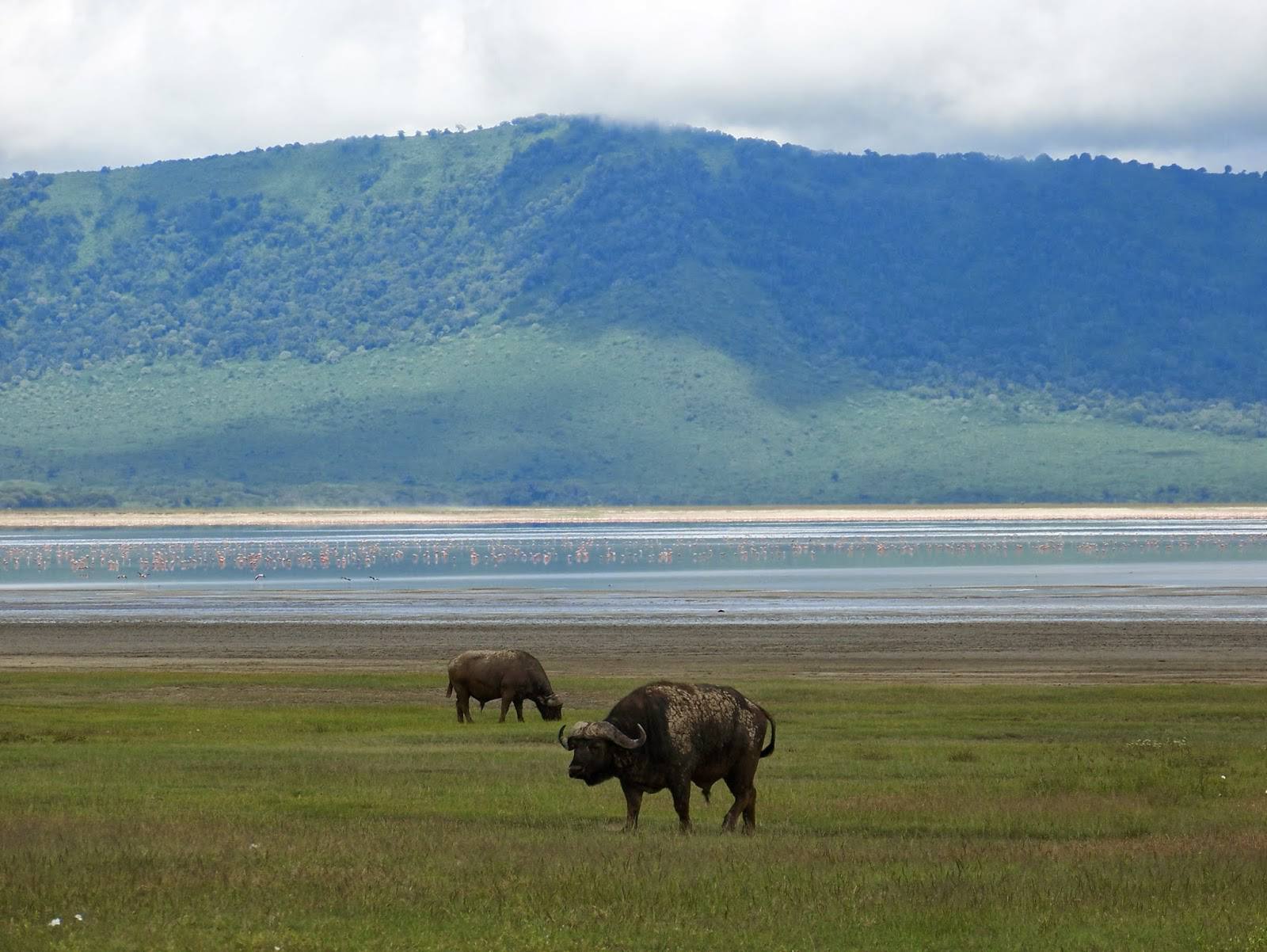
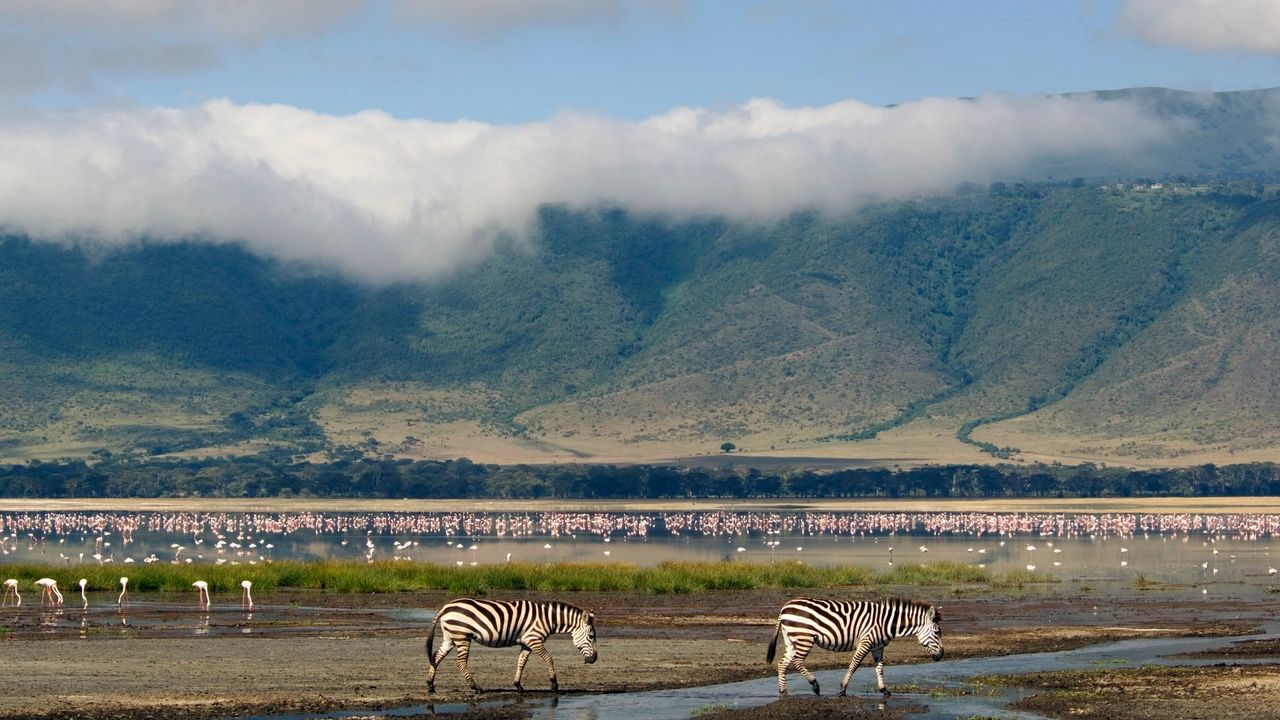
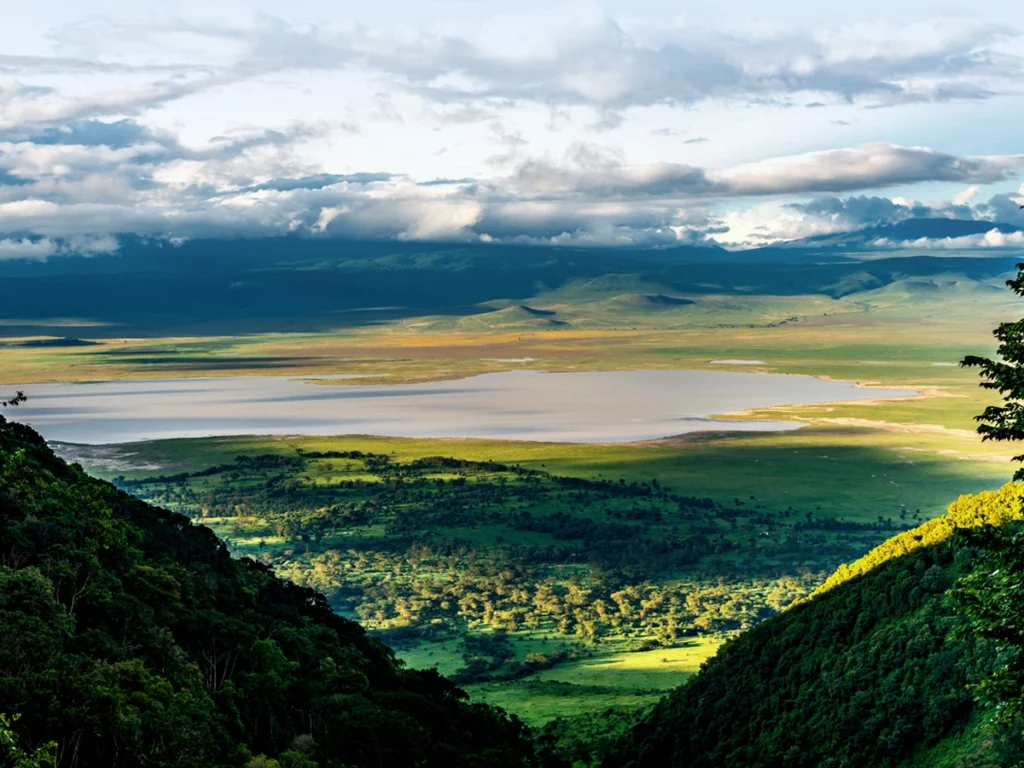
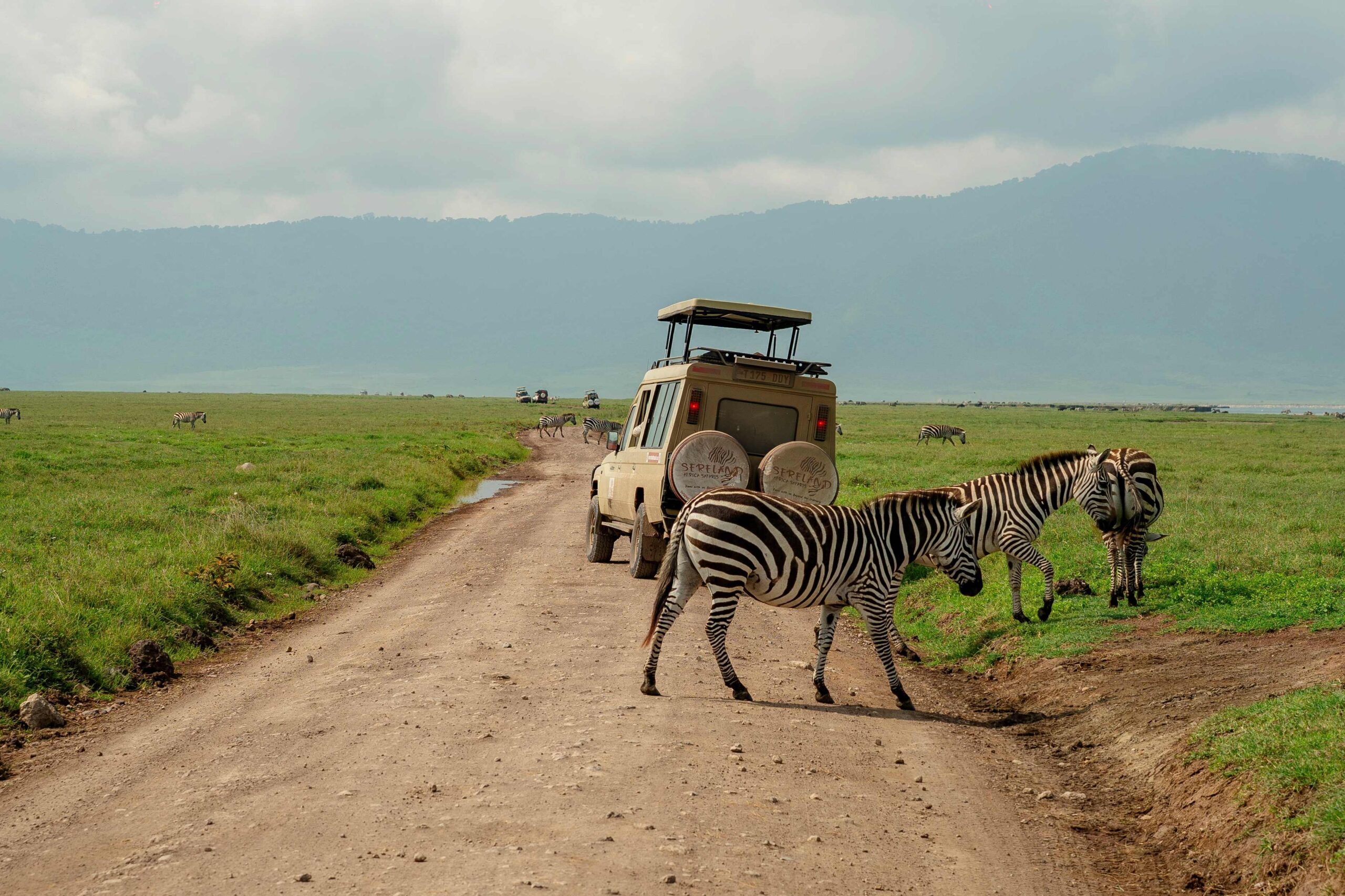
The Ngorongoro Conservation Area, frequently referred to as the Ngorongoro National Park, is a protected UNESCO World Heritage Site in northern Tanzania spanning 8,292 square kilometers across highland plains, savanna, and forests. At its heart lies the famous Ngorongoro Crater, the world’s largest inactive, intact, and unfilled volcanic caldera, which spans 260 square kilometers and drops 610 meters deep. This natural amphitheater functions as a self-sustaining eco-sanction sheltering roughly 30,000 large mammals, boasting the densest known population of mammalian predators in Africa—including prolific lion prides and spotted hyenas. Unlike traditional national parks, it operates as a multi-use territory where semi-nomadic Maasai pastoralists co-exist alongside the native wildlife, creating a globally unique socio-ecological landscape that also encompasses Olduvai Gorge, one of the most critical paleoanthropological sites for human origin research.

TARANGIRE National Park

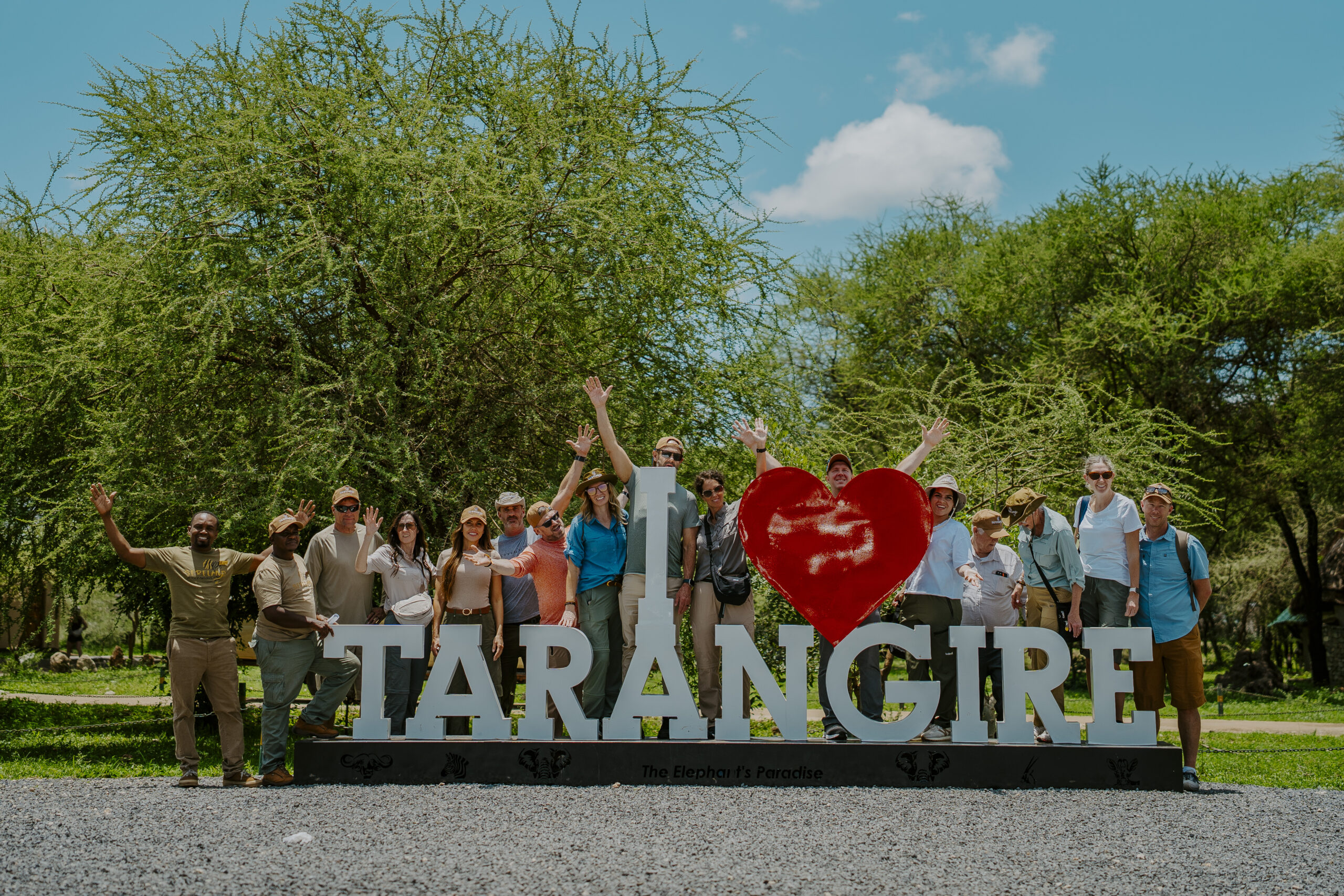
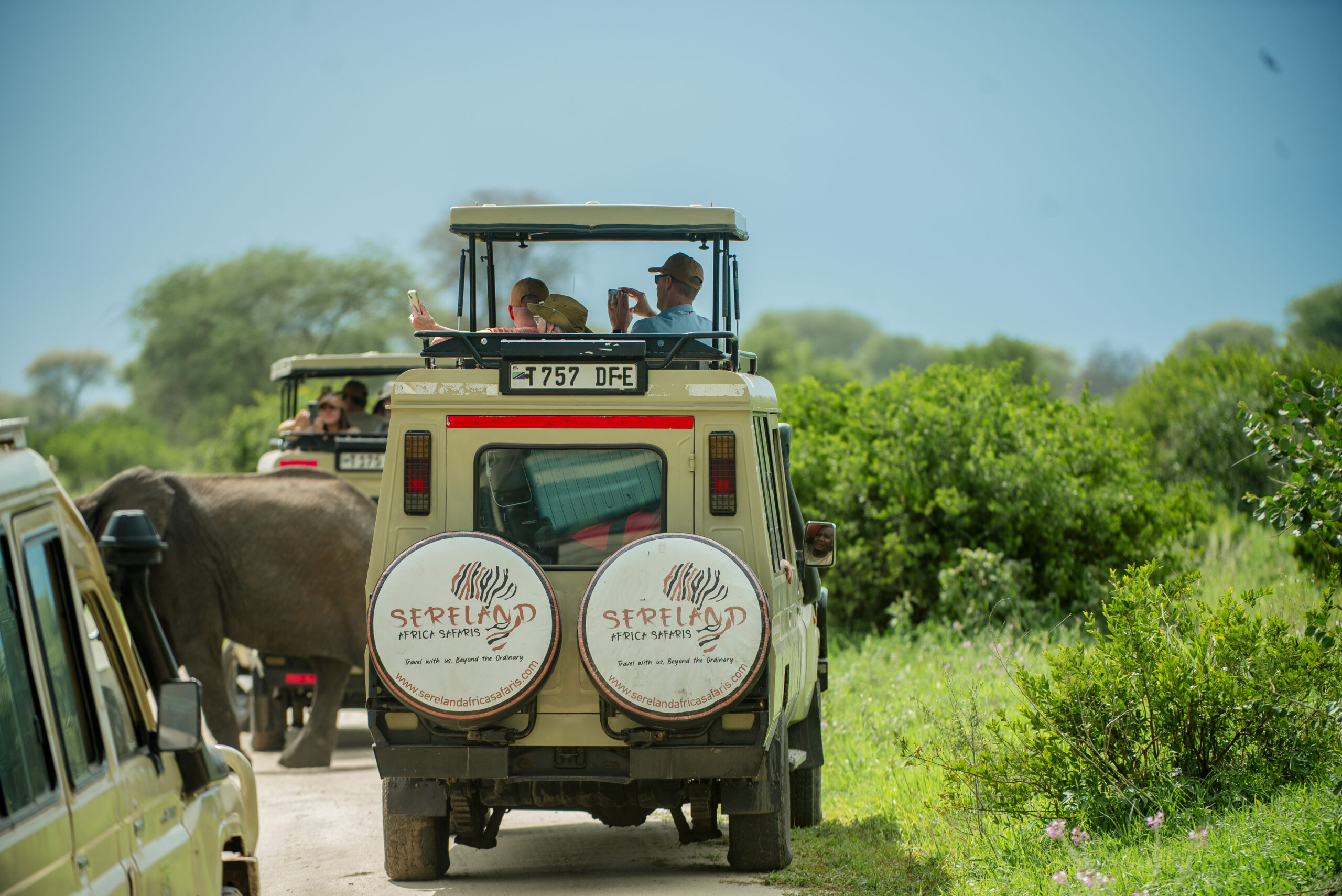
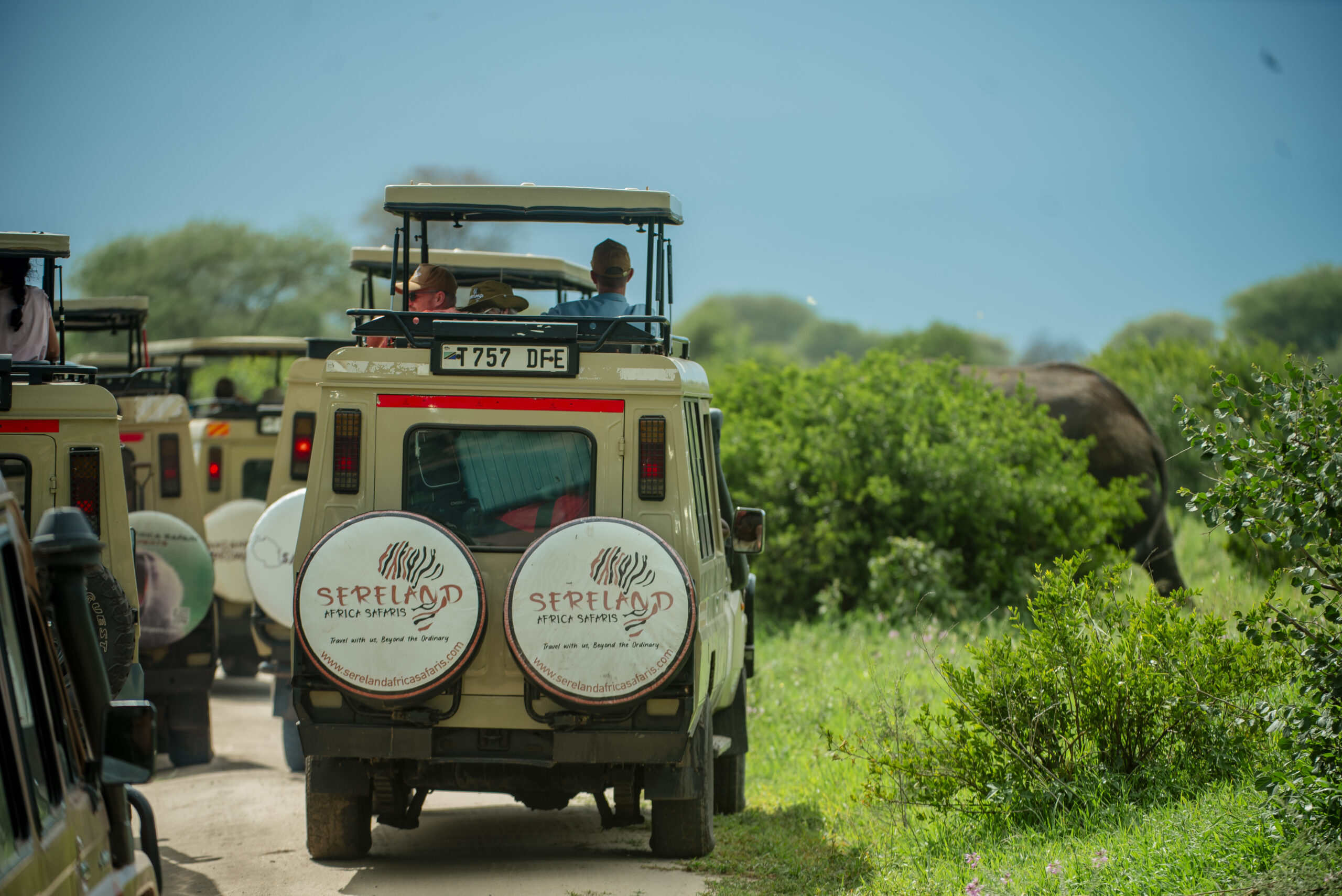
Tarangire National Park in Tanzania is a stunning wildlife sanctuary encompassing roughly 2,850 square kilometers in the Manyara Region, highly celebrated for its iconic baobab-studded landscapes and massive elephant populations. The park is bisected by the Tarangire River, which serves as the primary freshwater lifeline for thousands of migratory animals—including zebras, wildebeests, buffaloes, and elands—that converge on its banks during the annual dry season from June to October. Often described as a quieter, more intimate alternative to the Serengeti, Tarangire provides excellent big game viewing with high concentrations of lions, leopards, and cheetahs, alongside more than 550 distinct bird species.

Serengeti National Park

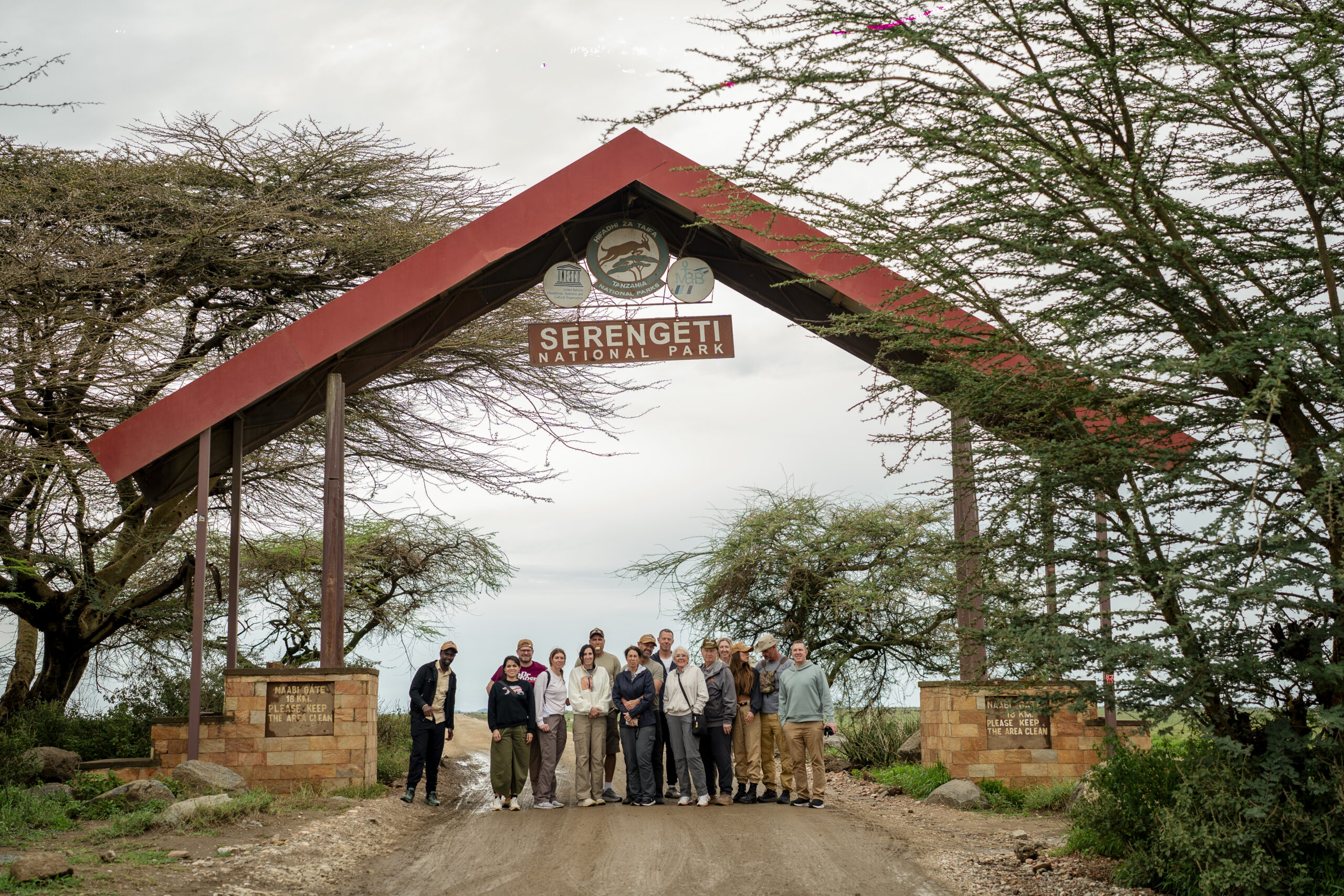
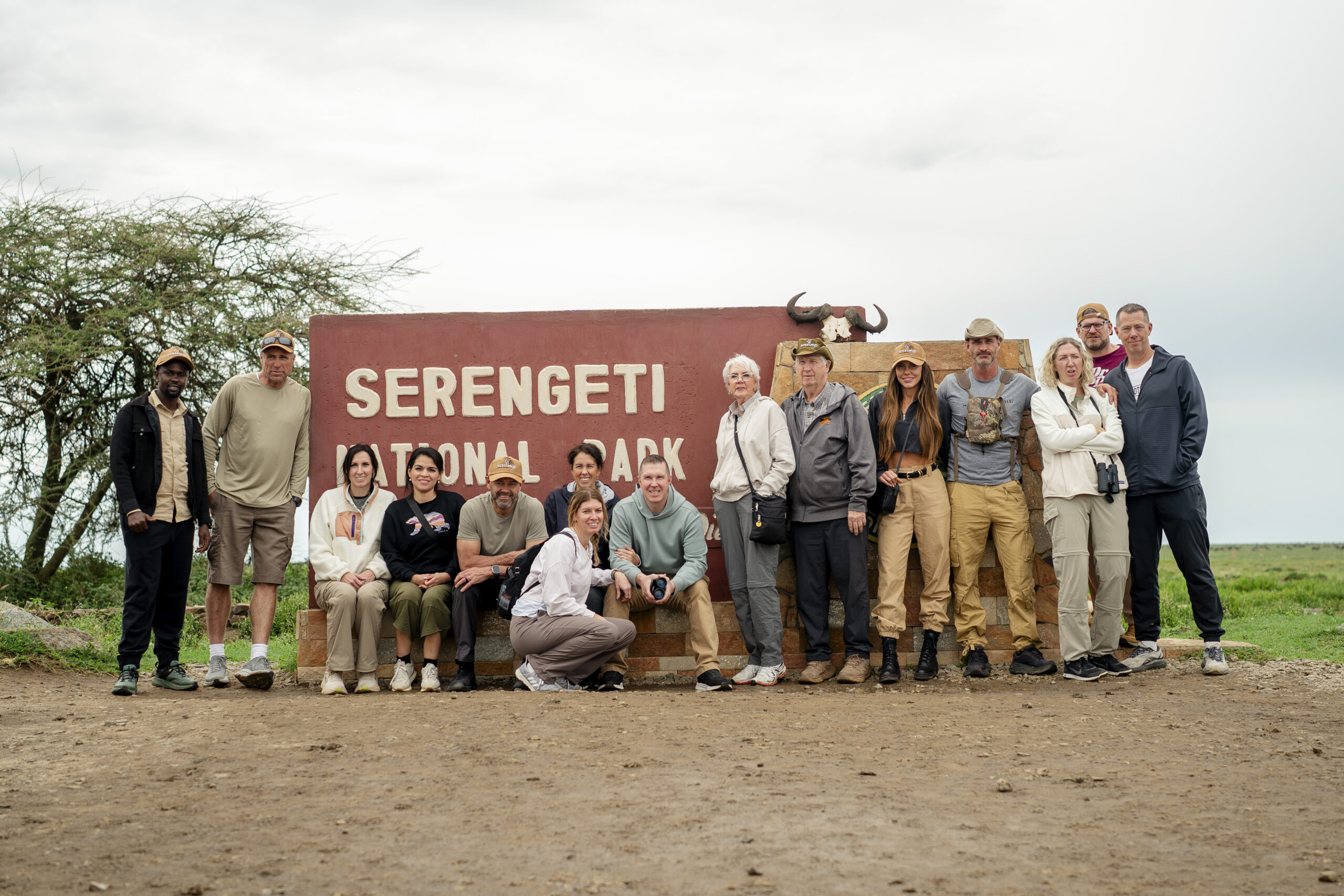
Serengeti National Park in Tanzania is a world-renowned wilderness area encompassing over 14,750 square kilometers of sprawling savanna, riverine forests, and woodlands. Famous for the Great Migration, the park plays host to millions of wildebeest, zebras, and gazelles as they trek across the plains in search of fresh pasture, closely pursued by a dense population of predators including lions, cheetahs, and leopards. As a designated UNESCO World Heritage Site, its unique ecosystems offer unparalleled wildlife viewing, making it a critical sanctuary for biodiversity and one of Africa’s premier safari destinations.