Gombe National Park | The Ultimate Chimpanzee Trekking Experience in Tanzania

Gombe Stream National Park – The Ultimate Chimpanzee Trekking Experience in Tanzania

Gombe Stream National Park, nestled on the eastern shores of Lake Tanganyika in western Tanzania, is one of Africa’s most iconic primate destinations. Covering just 52 square kilometers, this compact yet biodiverse park is world-renowned for its wild chimpanzees and the groundbreaking research of Dr. Jane Goodall, who began studying chimpanzee behavior here in the 1960s. Today, Gombe remains one of the best places on Earth to observe chimpanzees in their natural habitat.


Why Visit Gombe Stream National Park?

The highlight of Gombe is the unforgettable chimpanzee trekking experience. Visitors can hike through lush tropical forests alongside expert trackers to encounter these intelligent and social primates up close. The chimpanzees of Gombe are well habituated to humans, offering a rare opportunity to witness behaviors such as grooming, foraging, playing, and tool use — insights made famous by Dr. Goodall’s pioneering work.

Beyond chimpanzees, Gombe is home to an array of other wildlife, including:

  • Olive baboons

  • Red colobus monkeys

  • Blue monkeys

  • Over 200 bird species

The park’s diverse ecosystems—ranging from steep forested hills to sandy beaches and crystal-clear waters—create a stunning and serene environment for nature lovers, photographers, and wildlife enthusiasts.


Activities in Gombe National Park

  • 🐒 Chimpanzee Trekking – Follow expert guides into the forest to locate and observe chimpanzee families in the wild.

  • 🦜 Birdwatching – Spot unique species in a rich and varied habitat.

  • 🌿 Forest Hikes – Discover waterfalls, viewpoints, and the forest’s biodiversity.

  • 🚣 Lake Activities – Enjoy boat rides, swimming, and snorkeling in the pristine waters of Lake Tanganyika.


How to Get to Gombe National Park

Reaching Gombe requires a bit of adventure. Most travelers take a domestic flight to Kigoma from Dar es Salaam or Arusha. From Kigoma, a boat transfer (1.5–2 hours) across Lake Tanganyika is the only way to access the park, adding to the feeling of exclusivity and seclusion.


Where to Stay in Gombe

While accommodations in Gombe are limited, they offer authentic and eco-friendly lodging experiences. Options include:

  • Gombe Forest Lodge – A luxurious eco-lodge nestled within the park.

  • Basic campsites – For those seeking a rustic, immersive experience in nature.

These lodges and camps provide guided treks, meals, and boat transfers, making them ideal bases for exploring this remote paradise.


A Must-Visit for Wildlife Lovers and Conservation Enthusiasts

Gombe National Park is more than just a safari destination — it is a living symbol of conservation and scientific discovery. With its rich biodiversity, deep historical ties to primate research, and intimate wildlife experiences, Gombe offers one of the most unique and meaningful safari adventures in Tanzania.

Whether you’re passionate about chimpanzees, interested in eco-tourism, or simply looking for a peaceful escape into nature, Gombe Stream National Park is a hidden gem that belongs on every wildlife traveler’s bucket list.

FEATURED TOURS

No trips was found

Planning a Trip to Tanzania?

Our team is always here to help

landing page form
  • Days
  • Accommodations
  • Travel Dates
  • Personal Details
How many days would you like your safari to be?

Plan Your KILIMAJARO Climbing Route

Our team is always here to help

kilimanjaro
  • STEP 1
  • STEP 1

lake manyara National Park

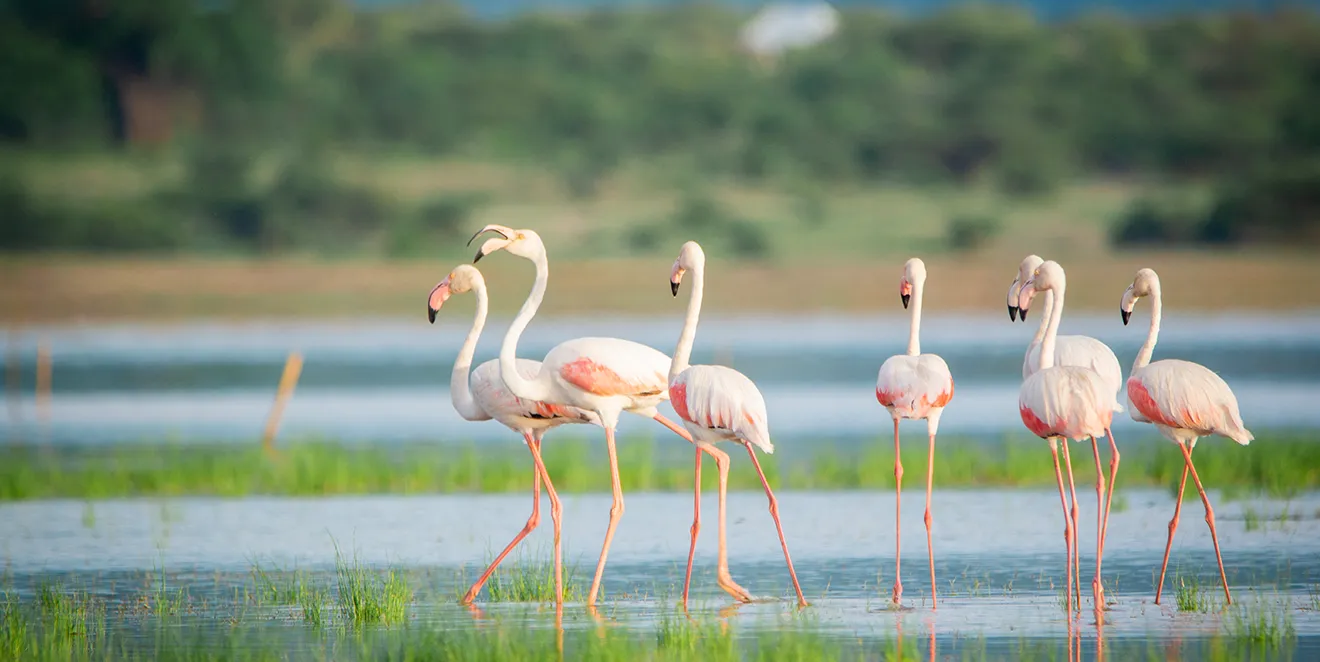
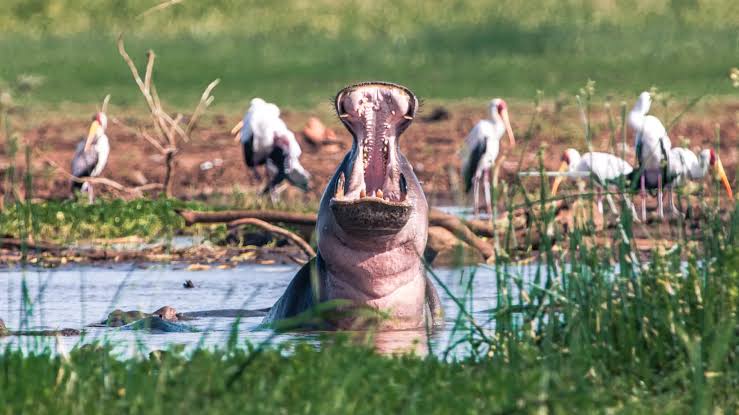
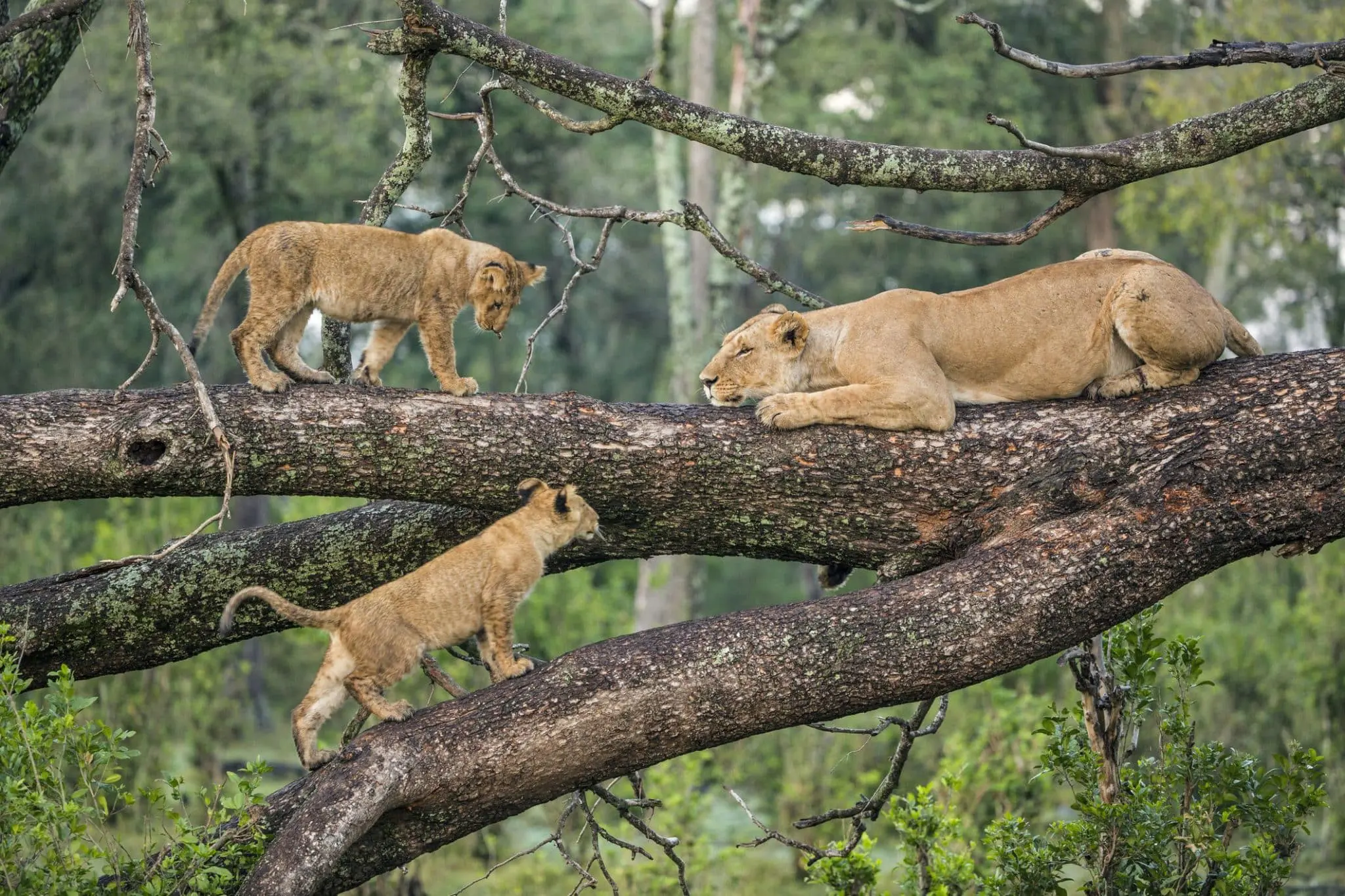
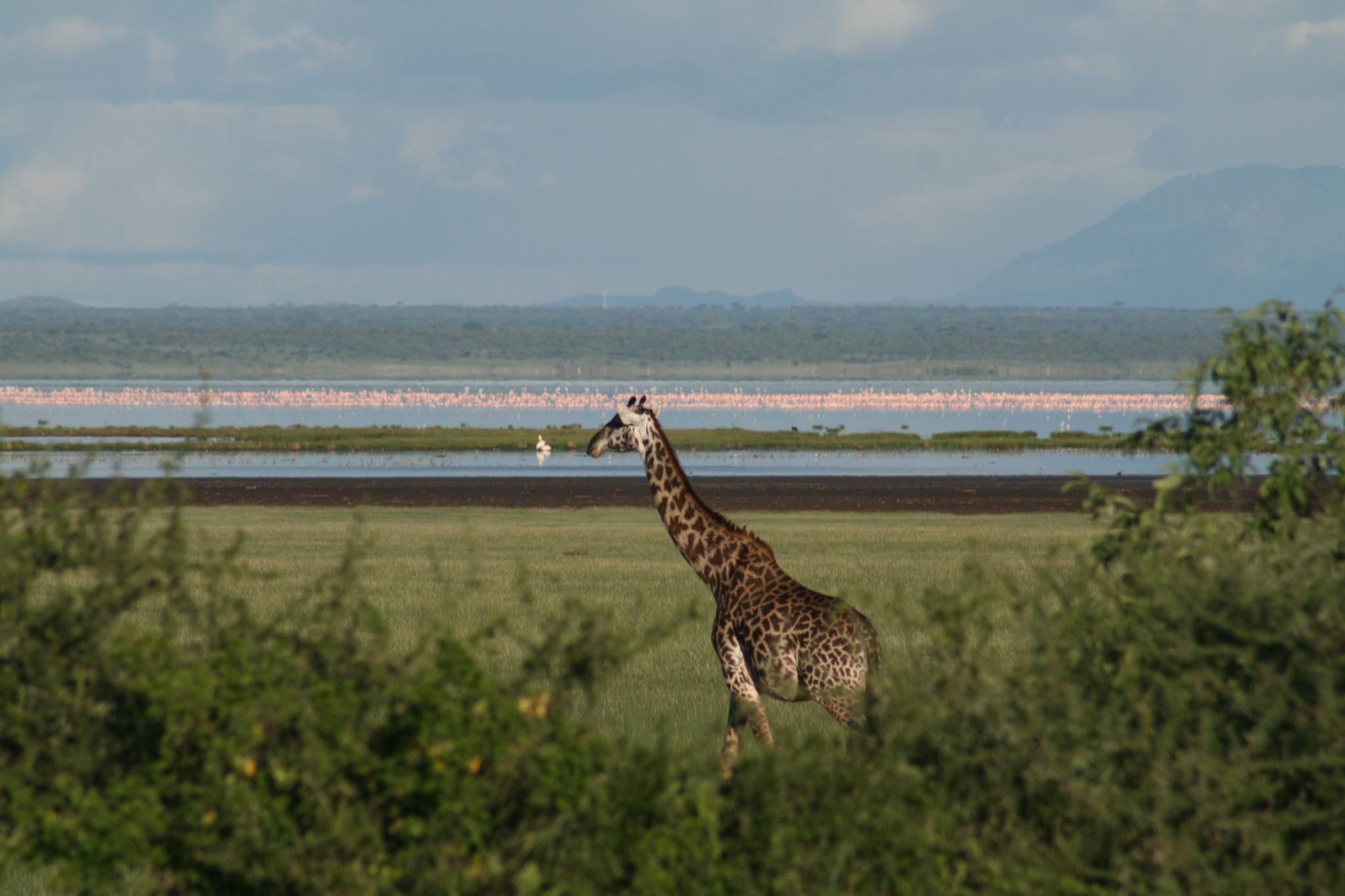
Lake Manyara National Park is a compact yet ecologically diverse wildlife sanctuary located in northern Tanzania, covering 325 square kilometers between the sheer cliffs of the Great Rift Valley Escarpment and the glassy waters of Lake Manyara. Nearly two-thirds of the park’s total surface area is occupied by the alkaline soda lake itself, which regularly draws millions of pink flamingos and other waterbirds to its shallow edges. The remaining terrain features a dramatic sequence of habitats, moving from a dense groundwater forest populated by massive troops of olive baboons and blue monkeys to open acacia woodlands famous for sheltering rare tree-climbing lions. Its rich environment provides critical feeding grounds for large herds of elephants, Cape buffaloes, giraffes, and hippos wallowing at the Mto wa Mbu entry points, offering a visually stunning, rapid safari experience right on the doorstep of the broader Northern Safari Circui

Ngorongoro National Park

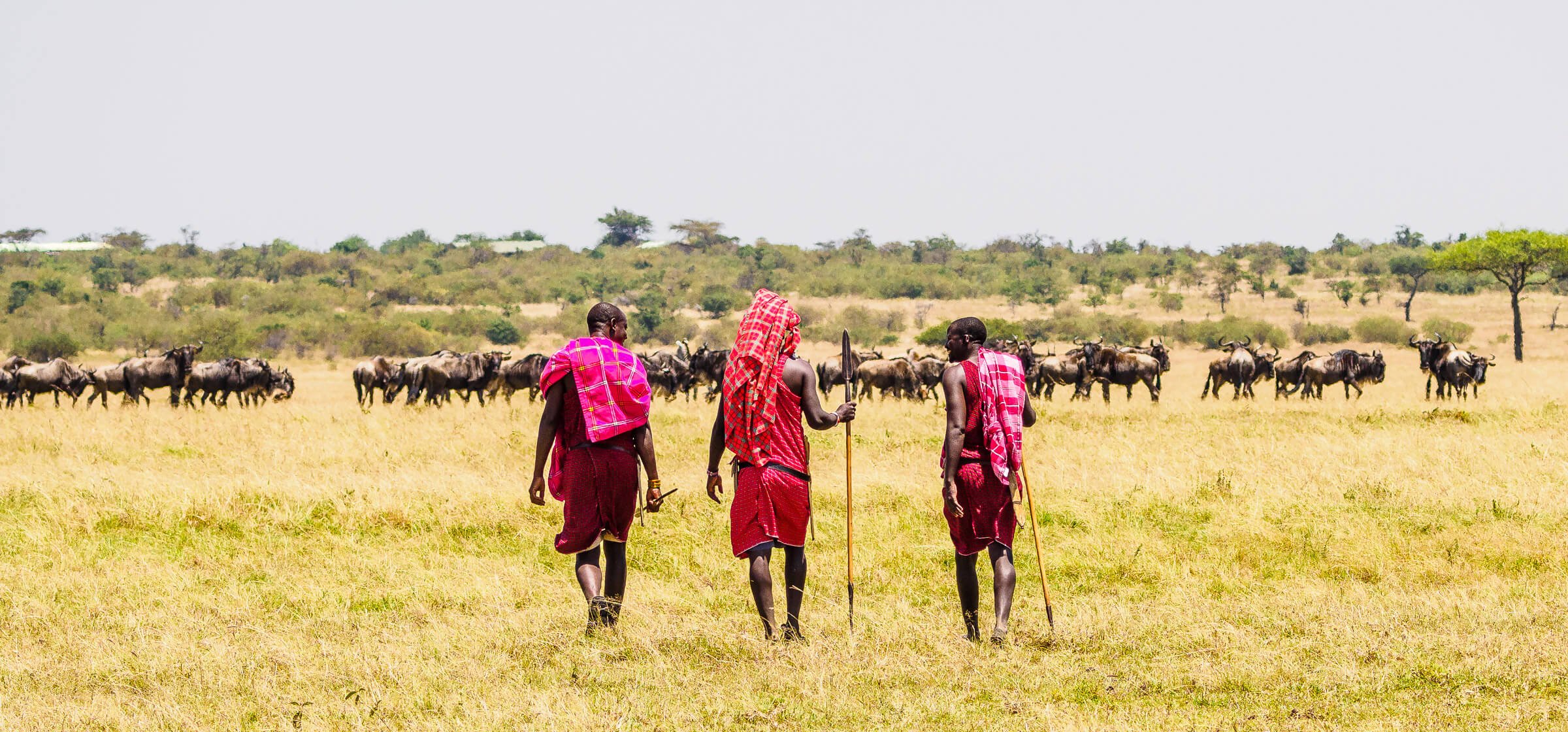
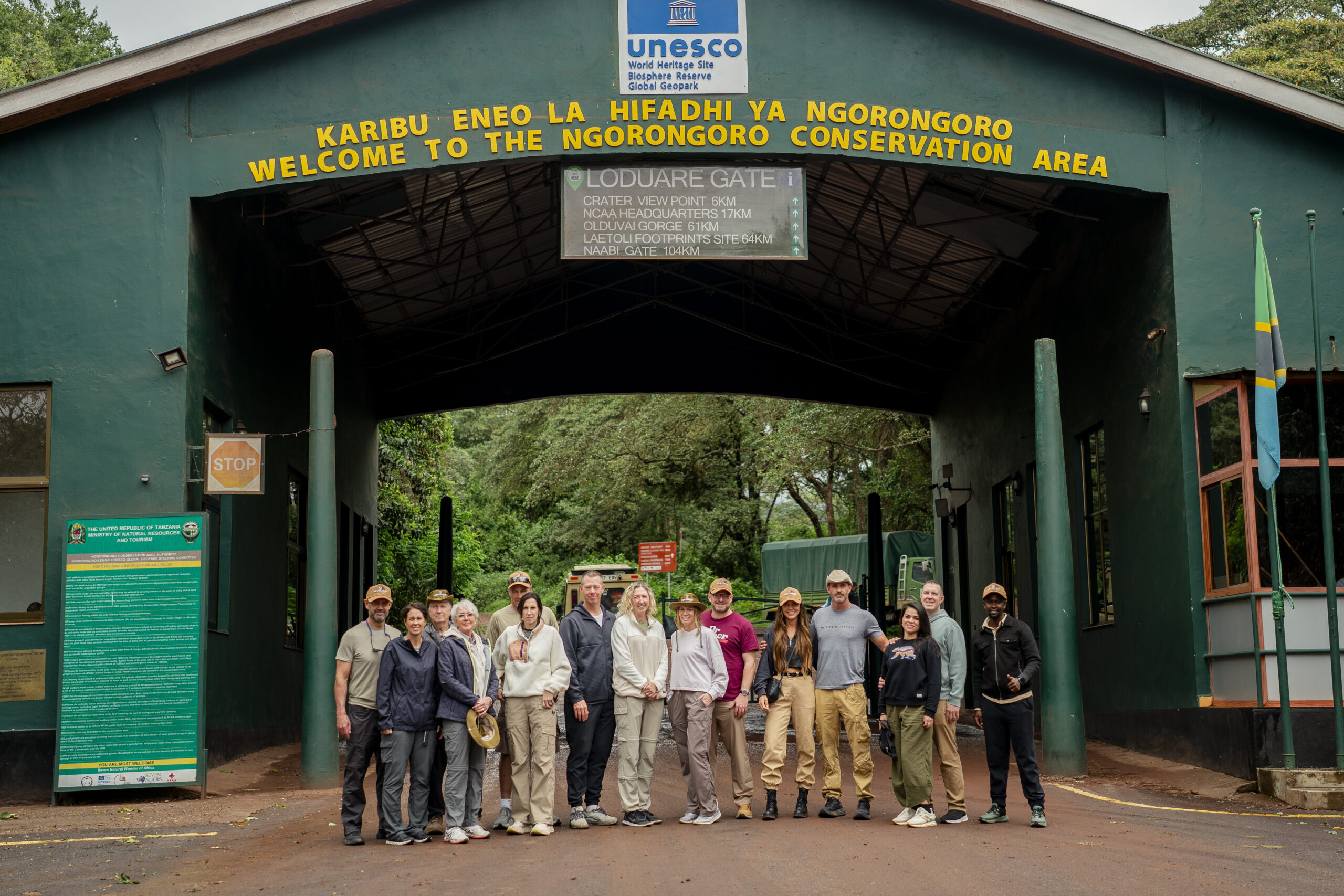
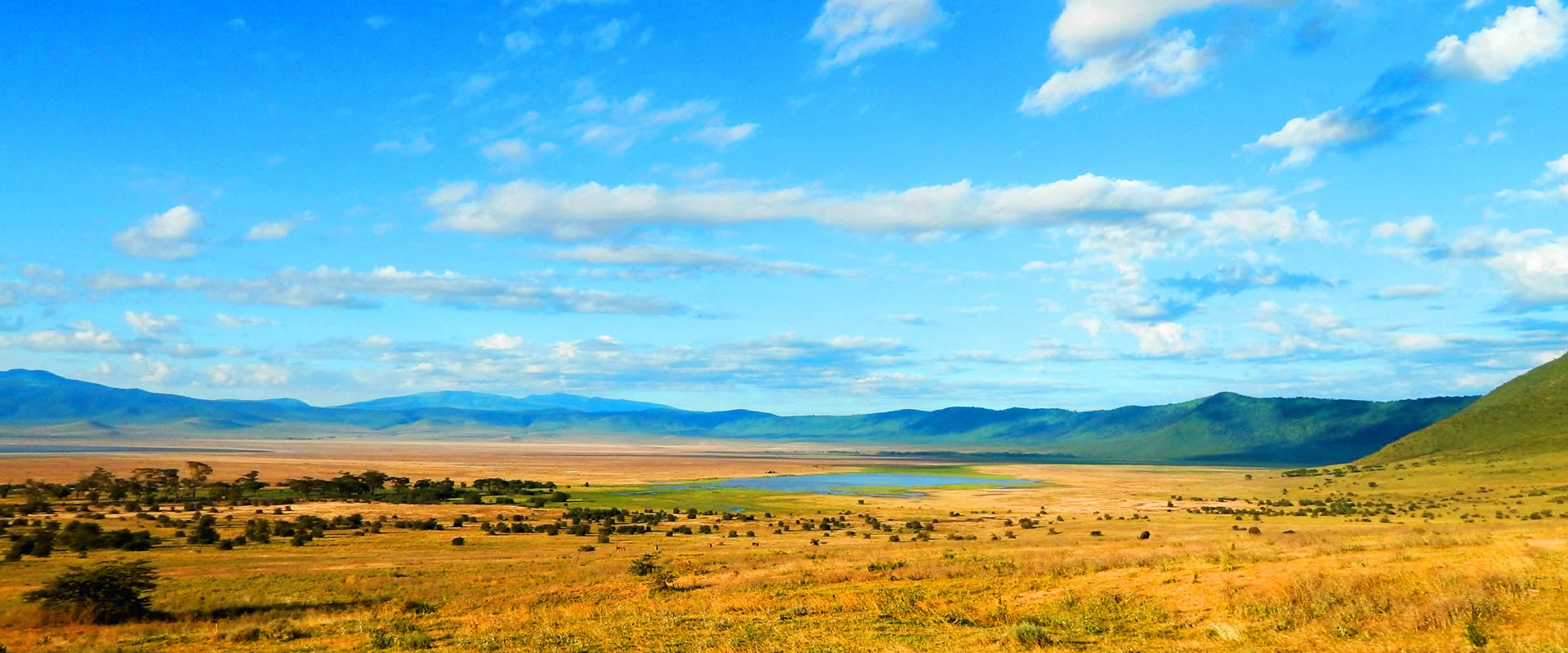
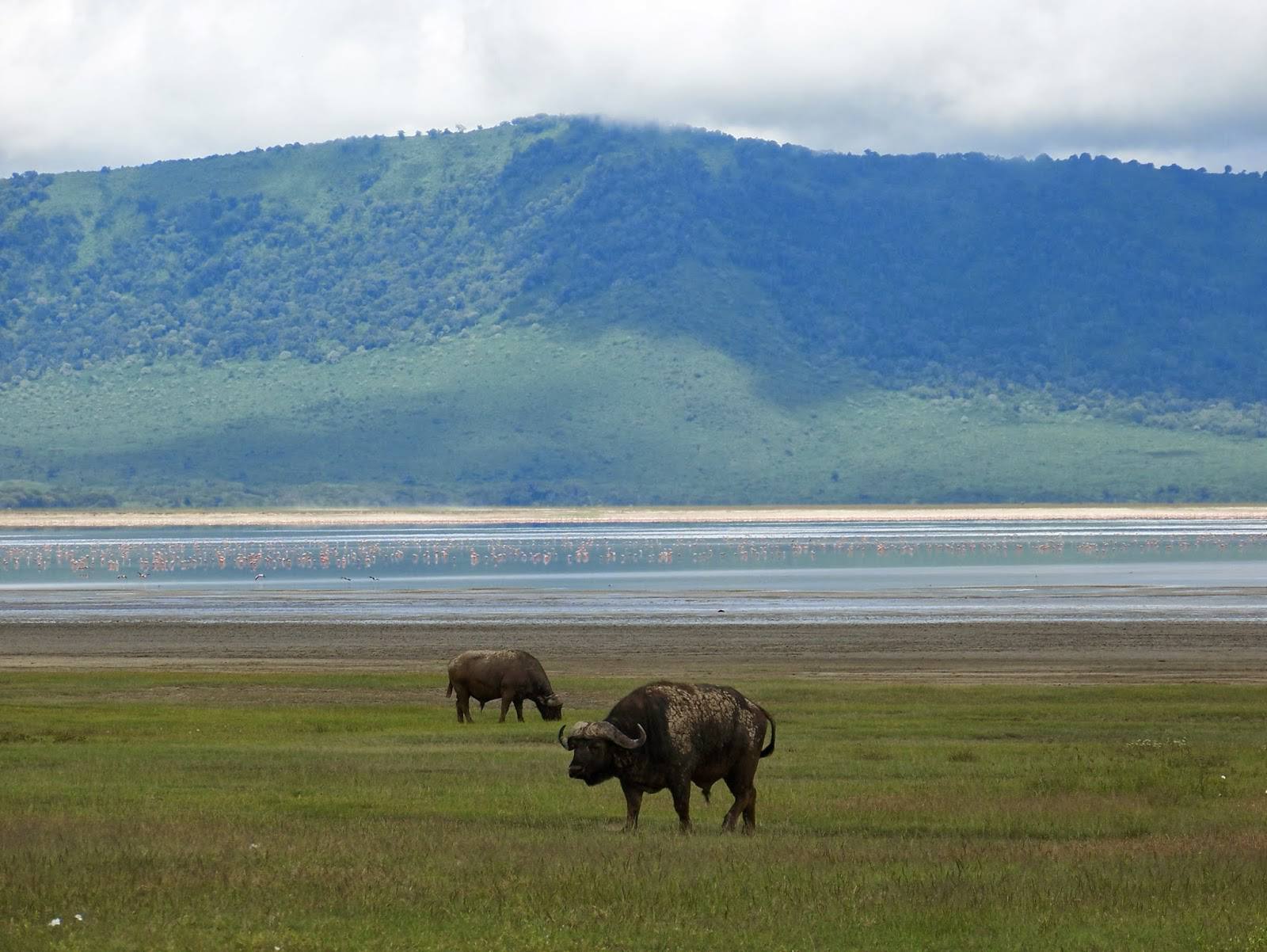
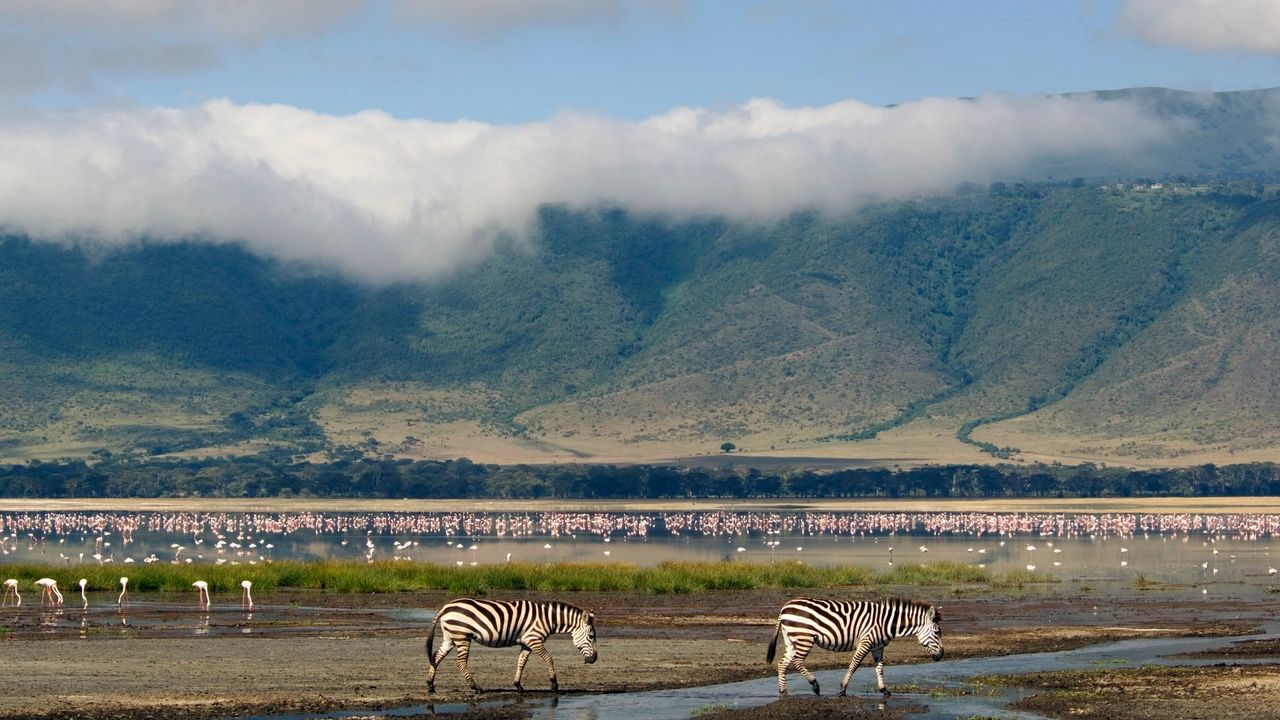
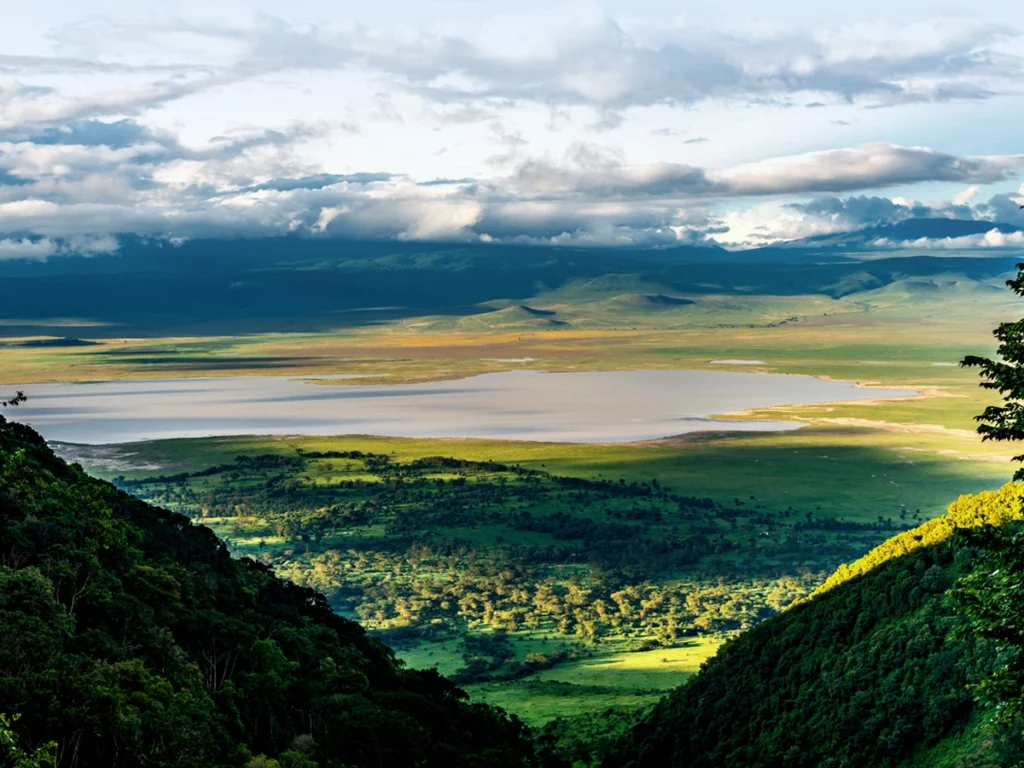
The Ngorongoro Conservation Area, frequently referred to as the Ngorongoro National Park, is a protected UNESCO World Heritage Site in northern Tanzania spanning 8,292 square kilometers across highland plains, savanna, and forests. At its heart lies the famous Ngorongoro Crater, the world’s largest inactive, intact, and unfilled volcanic caldera, which spans 260 square kilometers and drops 610 meters deep. This natural amphitheater functions as a self-sustaining eco-sanction sheltering roughly 30,000 large mammals, boasting the densest known population of mammalian predators in Africa—including prolific lion prides and spotted hyenas. Unlike traditional national parks, it operates as a multi-use territory where semi-nomadic Maasai pastoralists co-exist alongside the native wildlife, creating a globally unique socio-ecological landscape that also encompasses Olduvai Gorge, one of the most critical paleoanthropological sites for human origin research.

TARANGIRE National Park

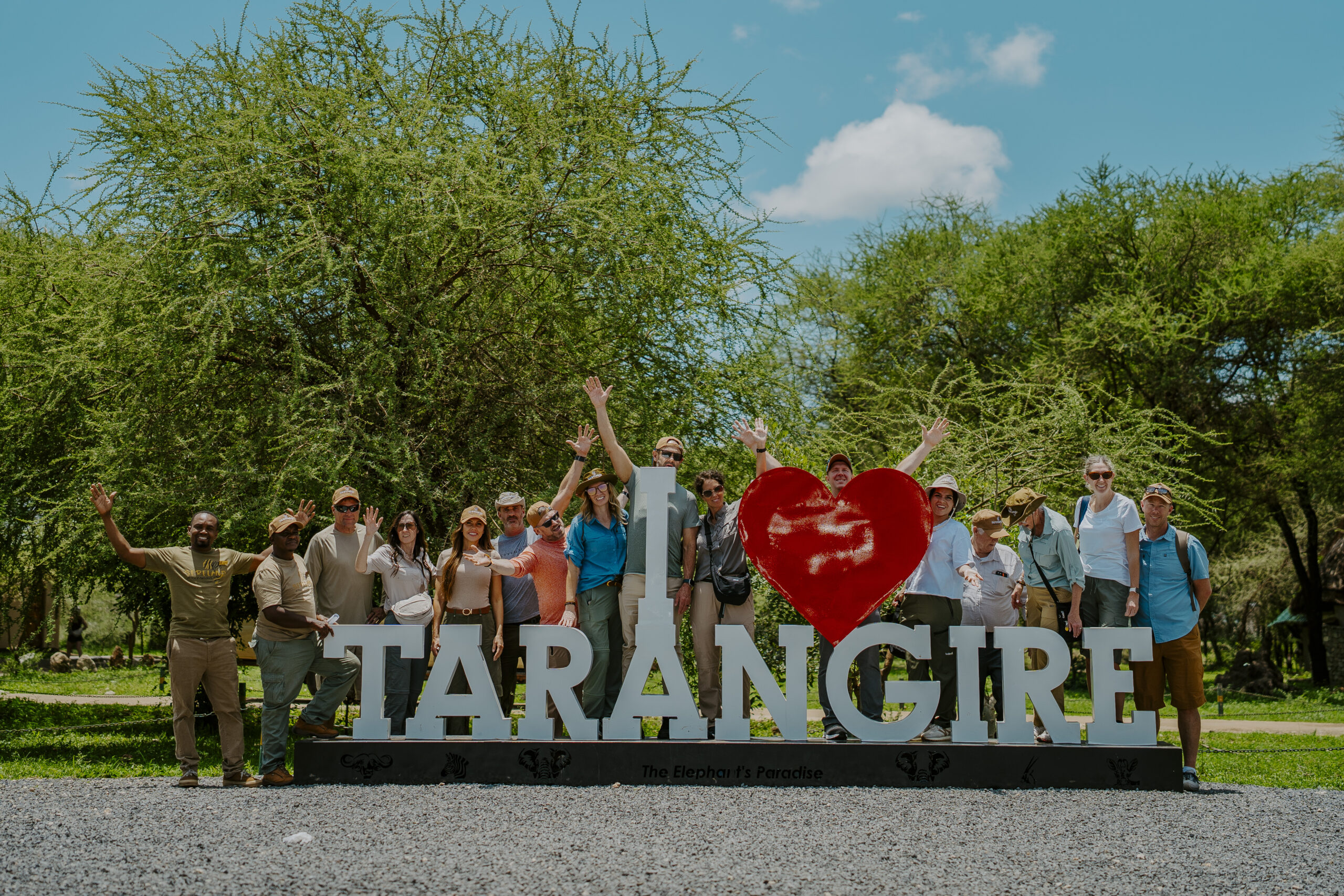
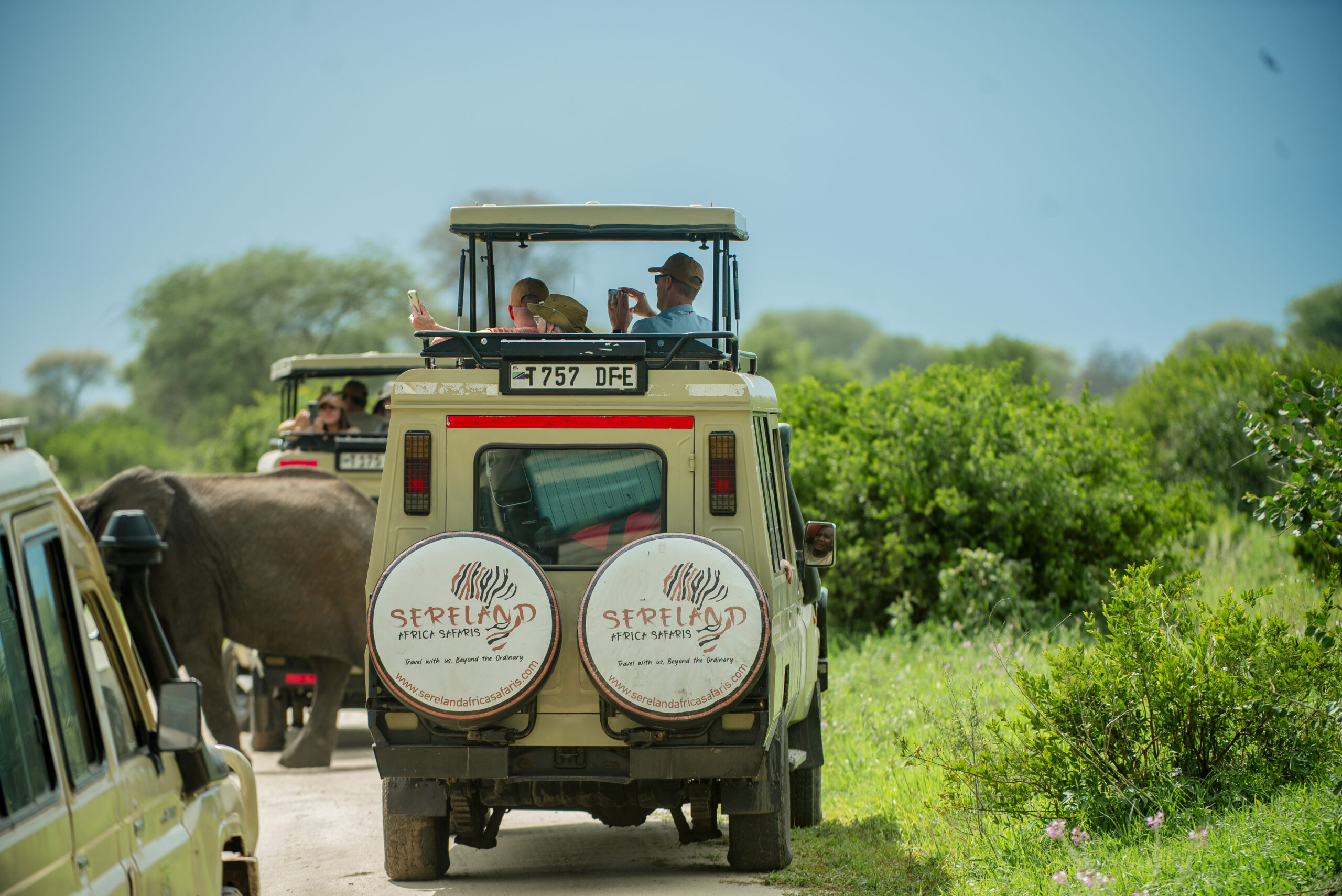
Tarangire National Park in Tanzania is a stunning wildlife sanctuary encompassing roughly 2,850 square kilometers in the Manyara Region, highly celebrated for its iconic baobab-studded landscapes and massive elephant populations. The park is bisected by the Tarangire River, which serves as the primary freshwater lifeline for thousands of migratory animals—including zebras, wildebeests, buffaloes, and elands—that converge on its banks during the annual dry season from June to October. Often described as a quieter, more intimate alternative to the Serengeti, Tarangire provides excellent big game viewing with high concentrations of lions, leopards, and cheetahs, alongside more than 550 distinct bird species.

Serengeti National Park

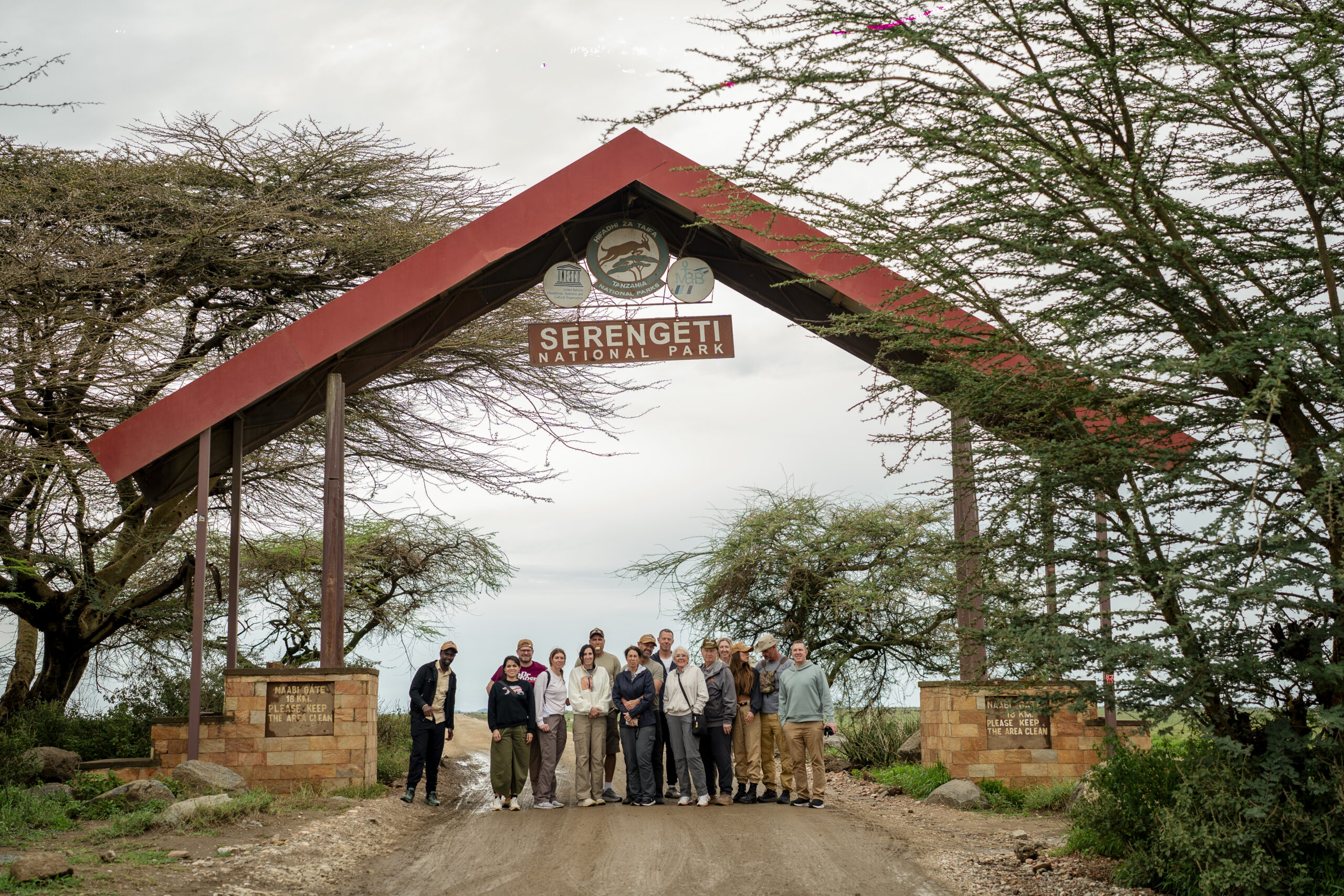
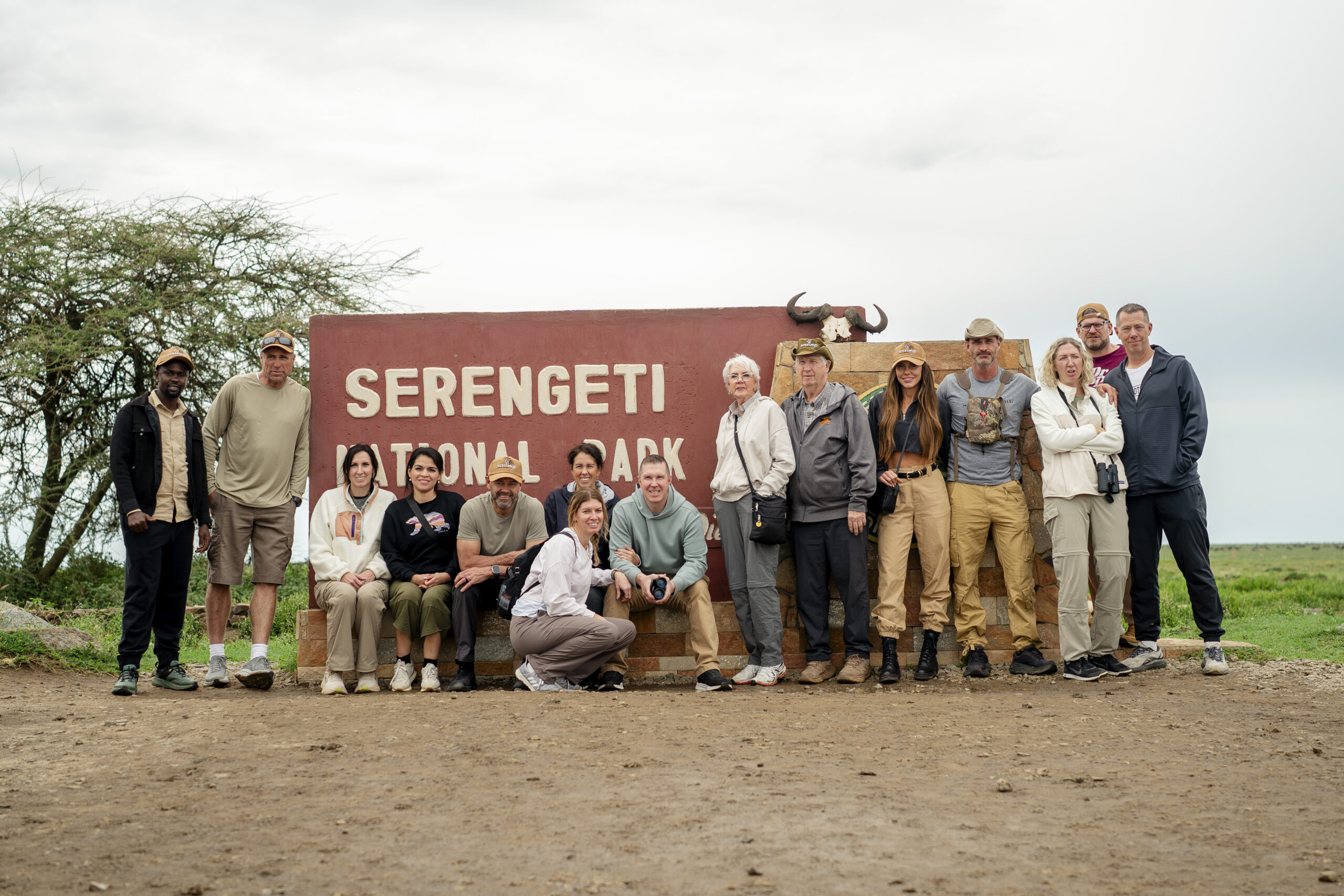
Serengeti National Park in Tanzania is a world-renowned wilderness area encompassing over 14,750 square kilometers of sprawling savanna, riverine forests, and woodlands. Famous for the Great Migration, the park plays host to millions of wildebeest, zebras, and gazelles as they trek across the plains in search of fresh pasture, closely pursued by a dense population of predators including lions, cheetahs, and leopards. As a designated UNESCO World Heritage Site, its unique ecosystems offer unparalleled wildlife viewing, making it a critical sanctuary for biodiversity and one of Africa’s premier safari destinations.