Climbing Mount Kilimanjaro is truly the adventure of a lifetime. Standing tall at 5,895 meters (19,341 feet), it’s the highest peak in Africa and the tallest free-standing mountain in the world. While some routes can be challenging, you don’t need to be a seasoned climber to reach the summit—just determination, preparation, and the support of a skilled guide.
Home » Kilimanjaro Climbing
The best time to climb Mount Kilimanjaro is during the dry seasons, when the weather is most stable and visibility is clear. These periods offer the best chance of reaching the summit comfortably and safely.
Weather: Warm, clear mornings; occasional light rains in the afternoon.
Crowds: Moderate.
Pros: Less crowded than peak season; good for photography due to clear skies.
Best for: Those who prefer quieter trails but still want good weather.
Weather: Cool and dry, especially at higher altitudes.
Crowds: Peak season (especially August & September).
Pros: Most reliable weather and best trail conditions.
Best for: First-time climbers and those seeking the best summit success rate.
Weather: Wet, muddy, and cloudy—tough climbing conditions.
Cons: Slippery trails, poor views, higher risk of altitude sickness due to lower morale.
Exceptions: The Rongai Route (north side) is drier and may still be an option.
Weather: Less rain than March–May but still unpredictable.
Best avoided unless you’re prepared for wet conditions.
| Months | Conditions | Crowds | Best For |
|---|---|---|---|
| Jan – Mar | Dry & warm | Moderate | Fewer crowds, clear views |
| Apr – May | Rainy & slippery | Low | Budget climbers (less recommended) |
| Jun – Oct | Dry & cool | High | Best weather, highest summit success |
| Nov | Light rains | Low | Risky weather, fewer climbers |
| Dec (late) | Dry & warm | Medium | Holiday season, decent climbing weather |
If you’re planning for a luxury Kilimanjaro trek, aiming for June to October or January to early March is ideal. Want route suggestions or tips for choosing the right operator?
WhatsApp us

Our team is always here to help
Our team is always here to help
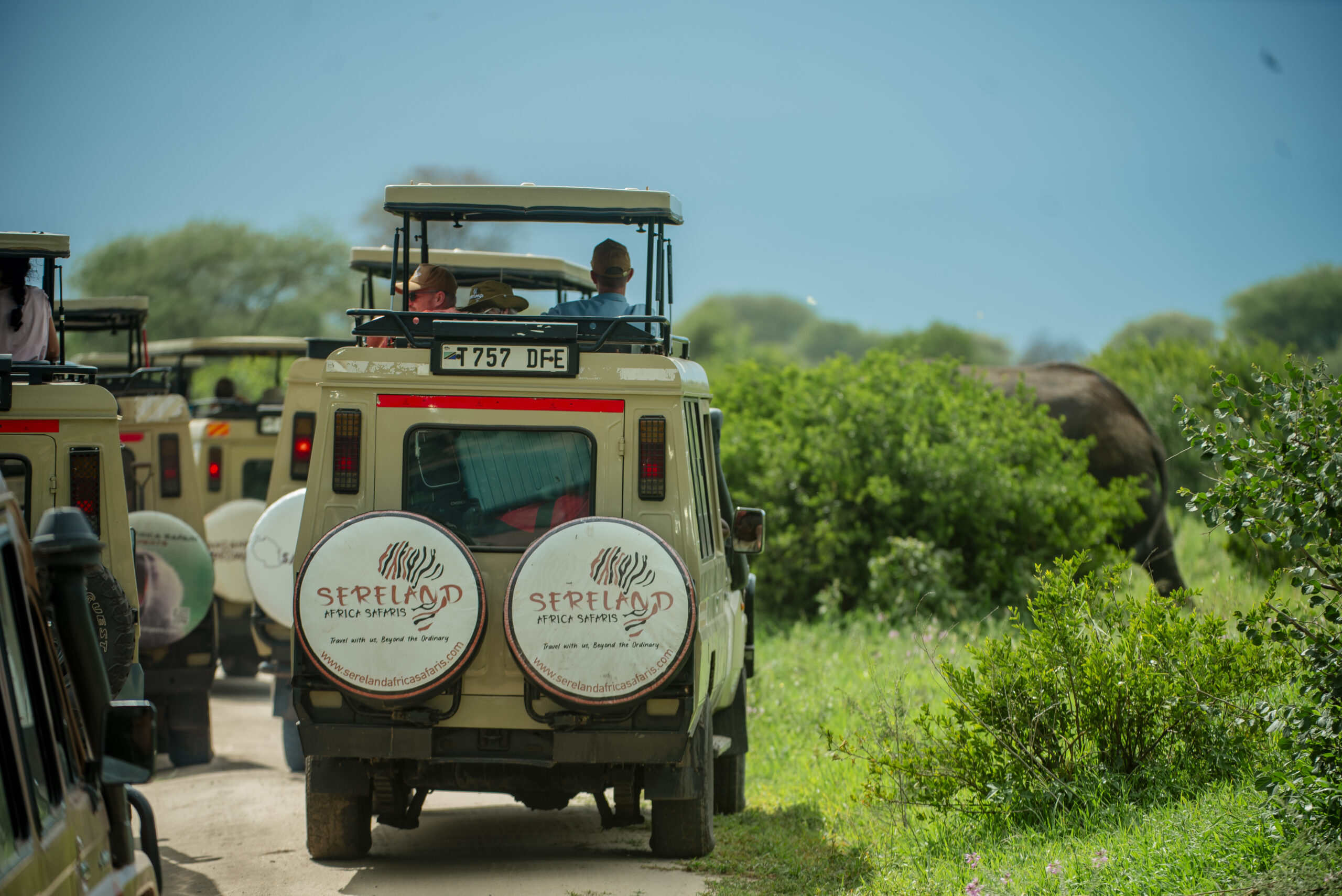
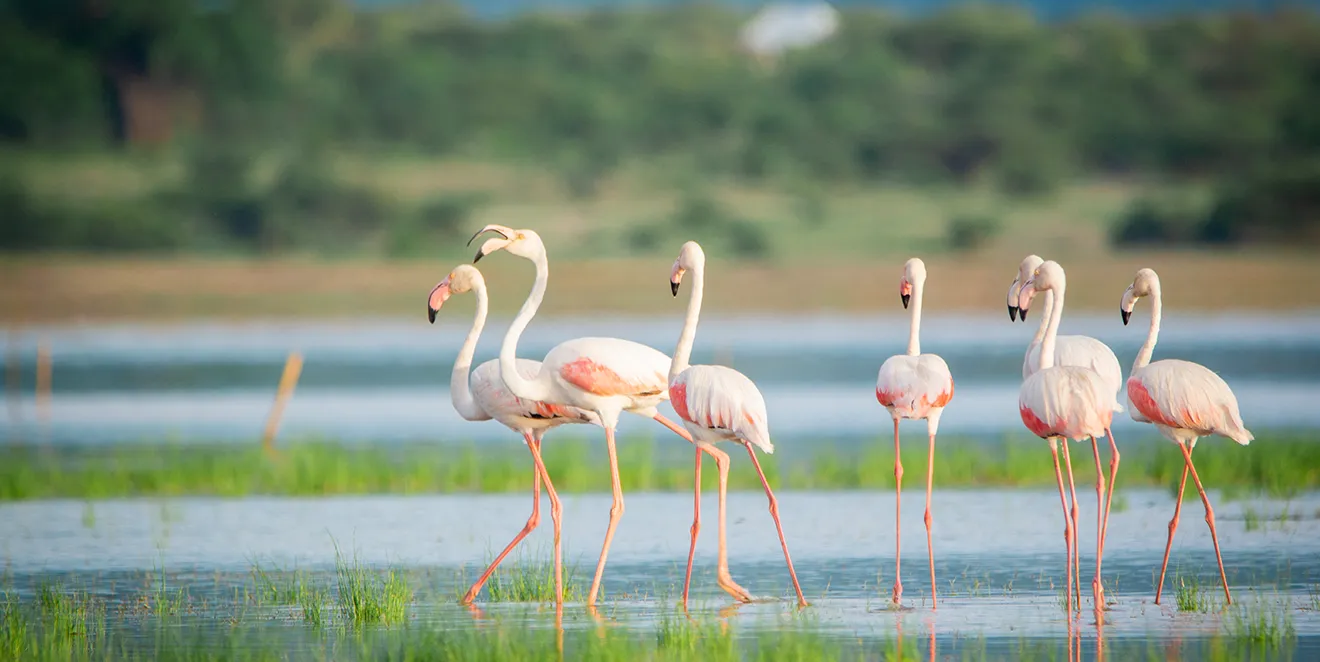
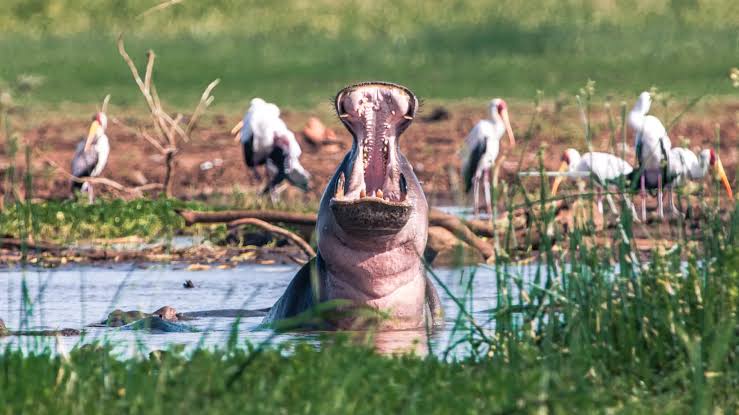
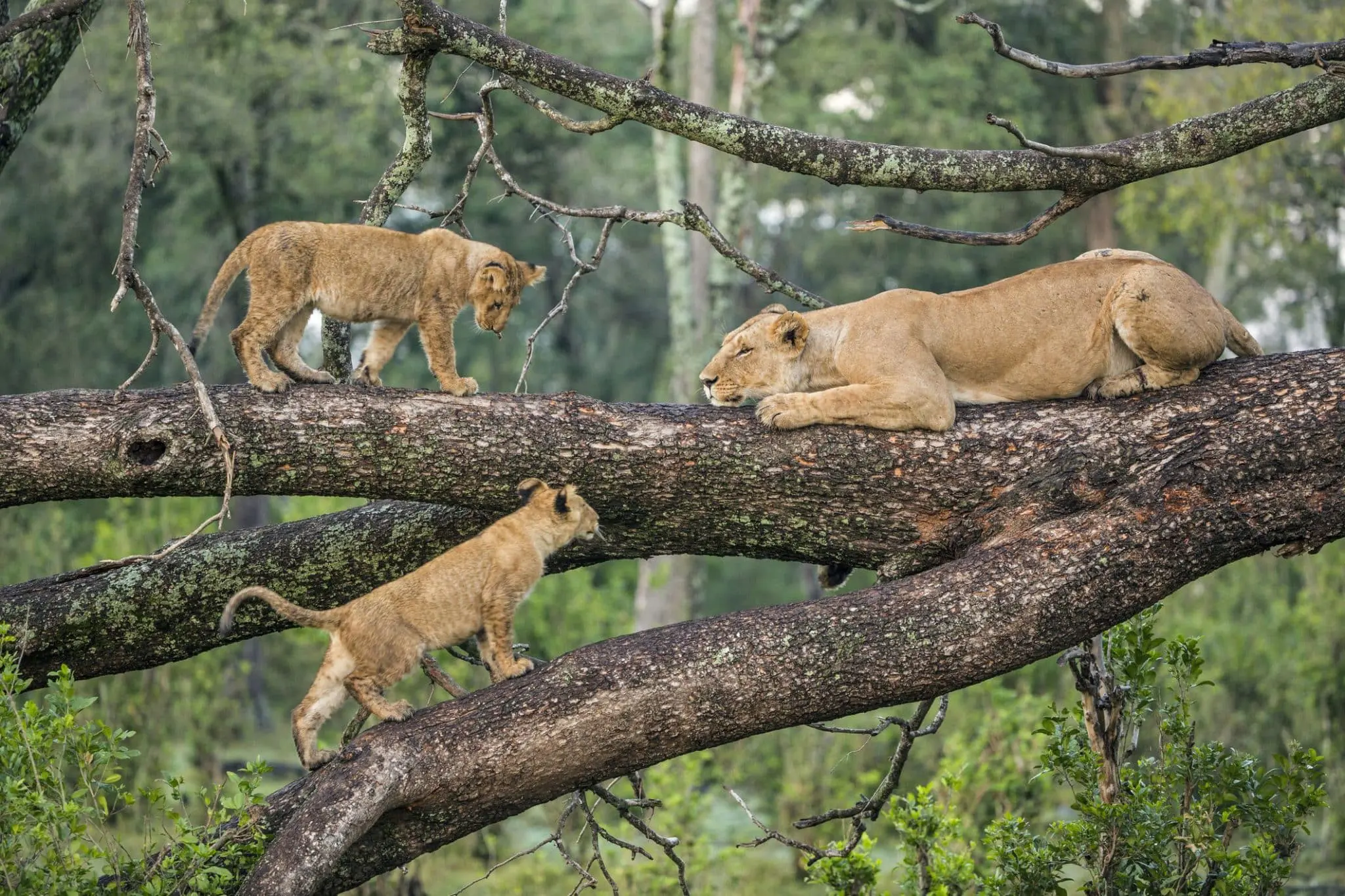
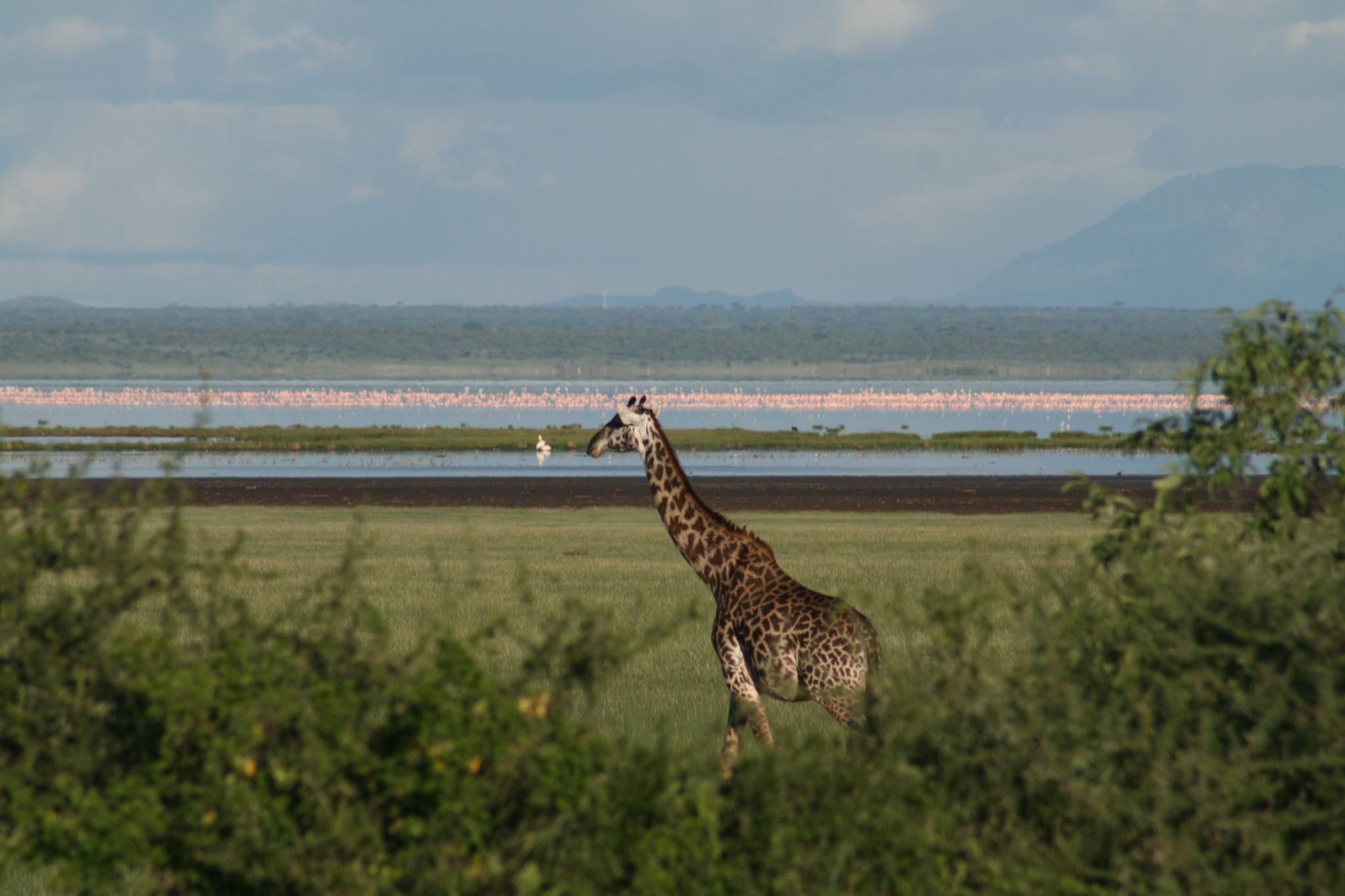
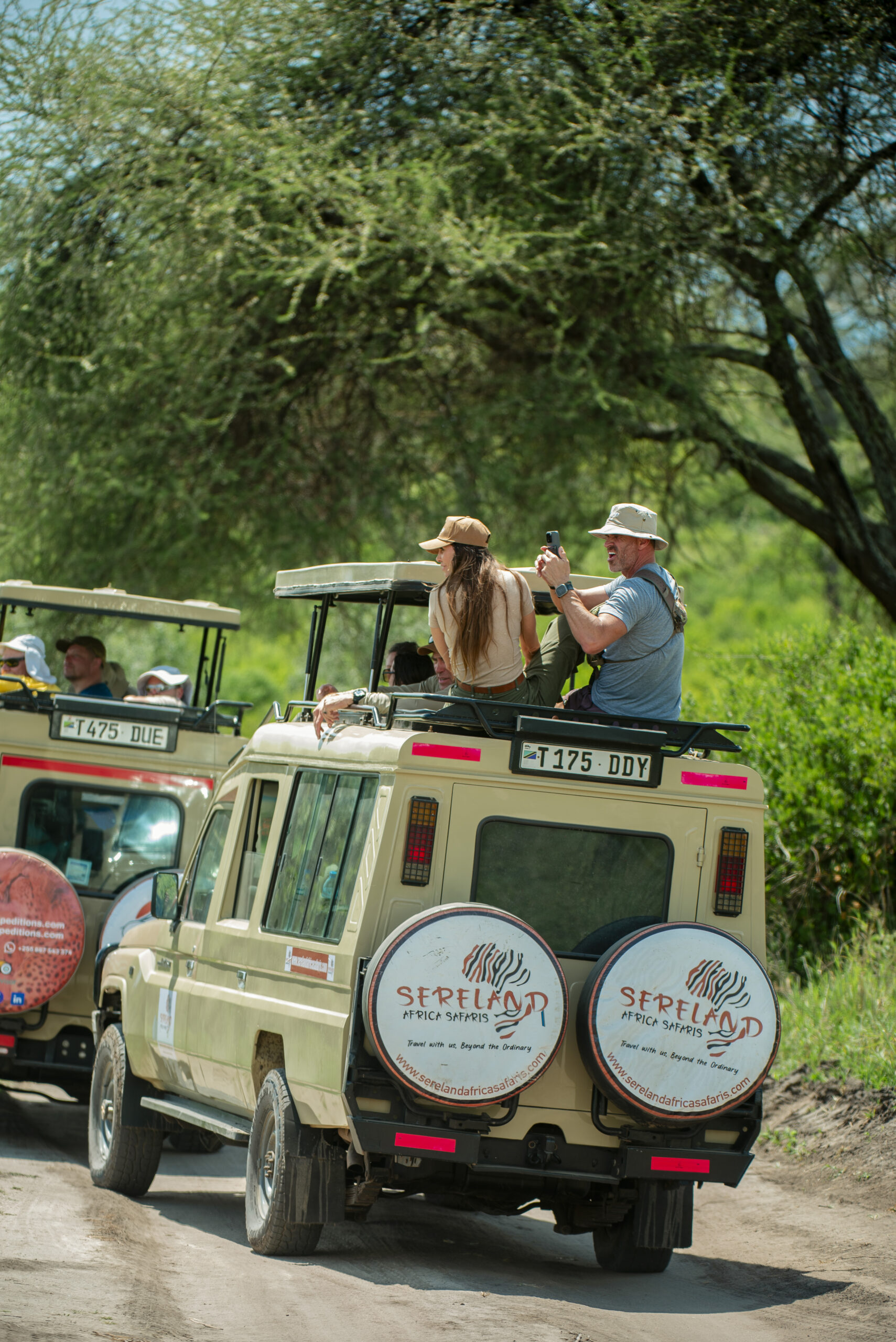
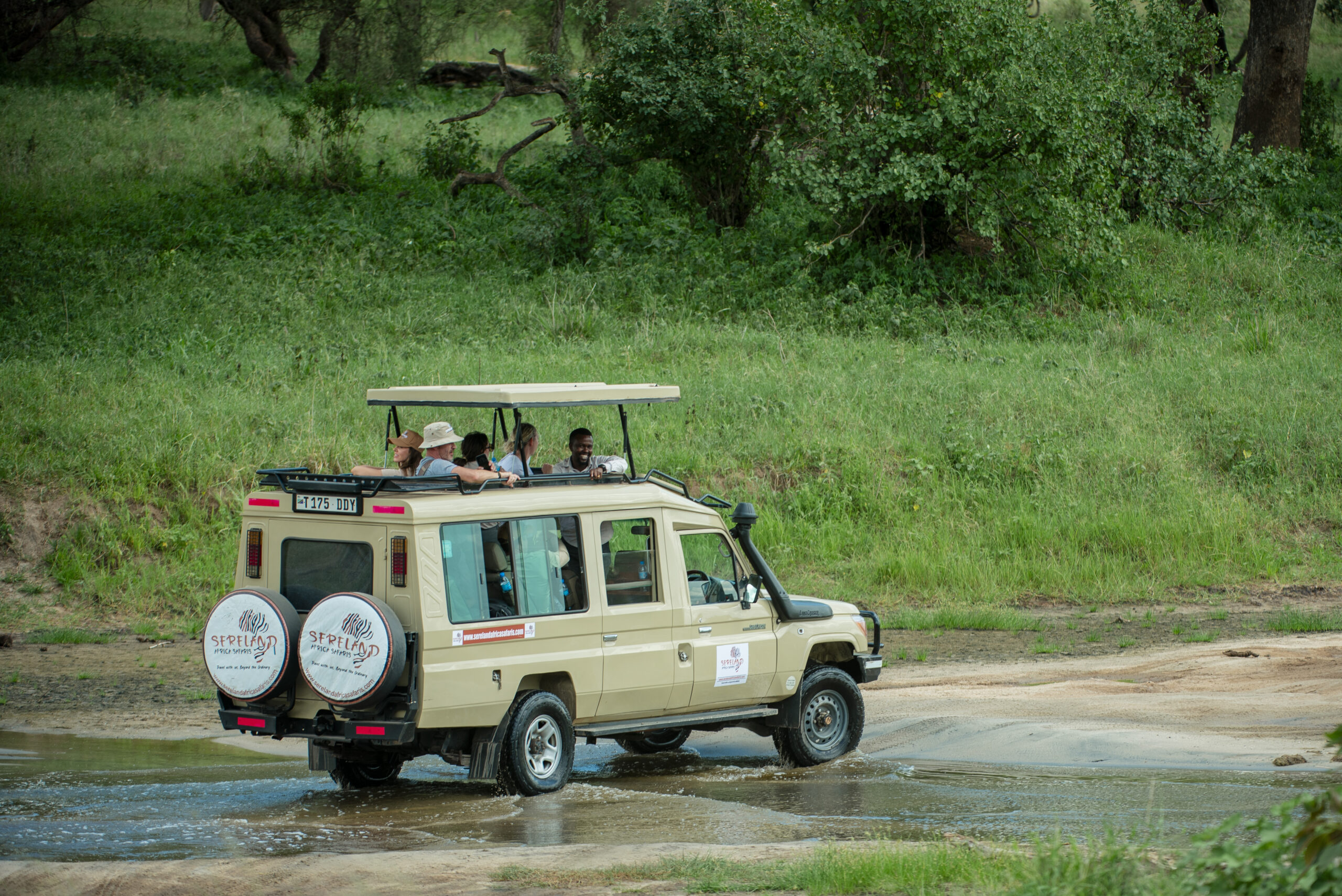
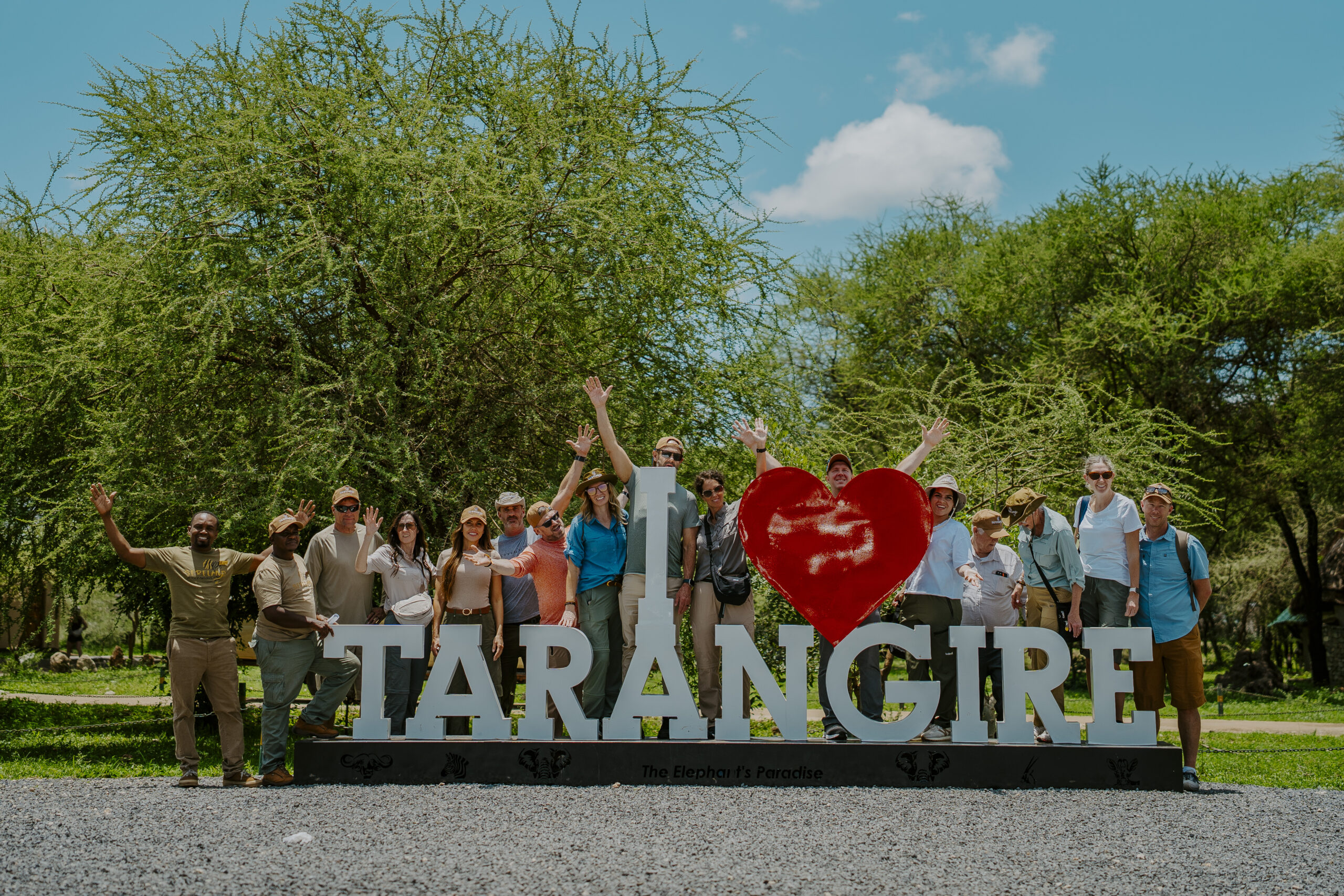
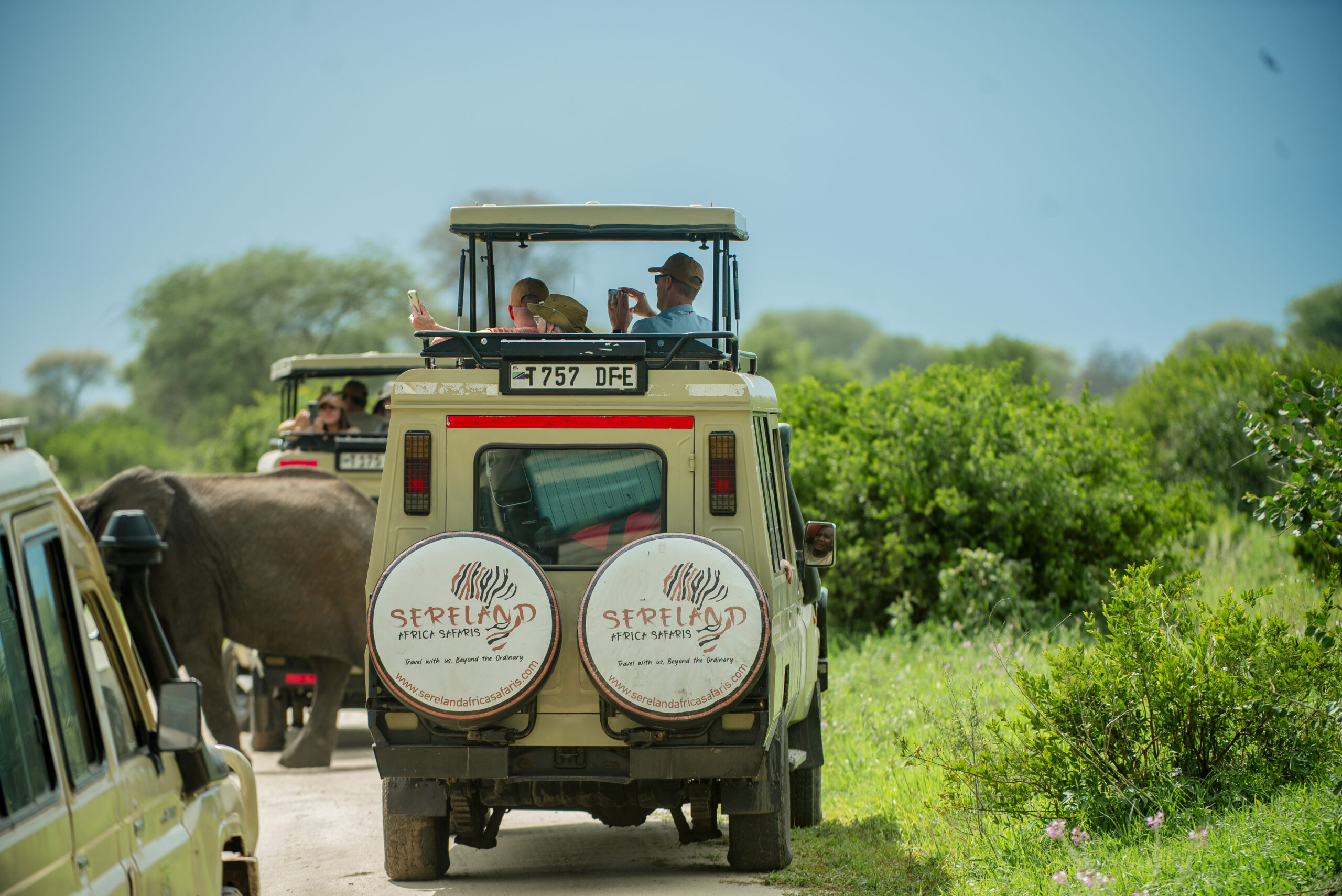
Tarangire National Park in Tanzania is a stunning wildlife sanctuary encompassing roughly 2,850 square kilometers in the Manyara Region, highly celebrated for its iconic baobab-studded landscapes and massive elephant populations. The park is bisected by the Tarangire River, which serves as the primary freshwater lifeline for thousands of migratory animals—including zebras, wildebeests, buffaloes, and elands—that converge on its banks during the annual dry season from June to October. Often described as a quieter, more intimate alternative to the Serengeti, Tarangire provides excellent big game viewing with high concentrations of lions, leopards, and cheetahs, alongside more than 550 distinct bird species.
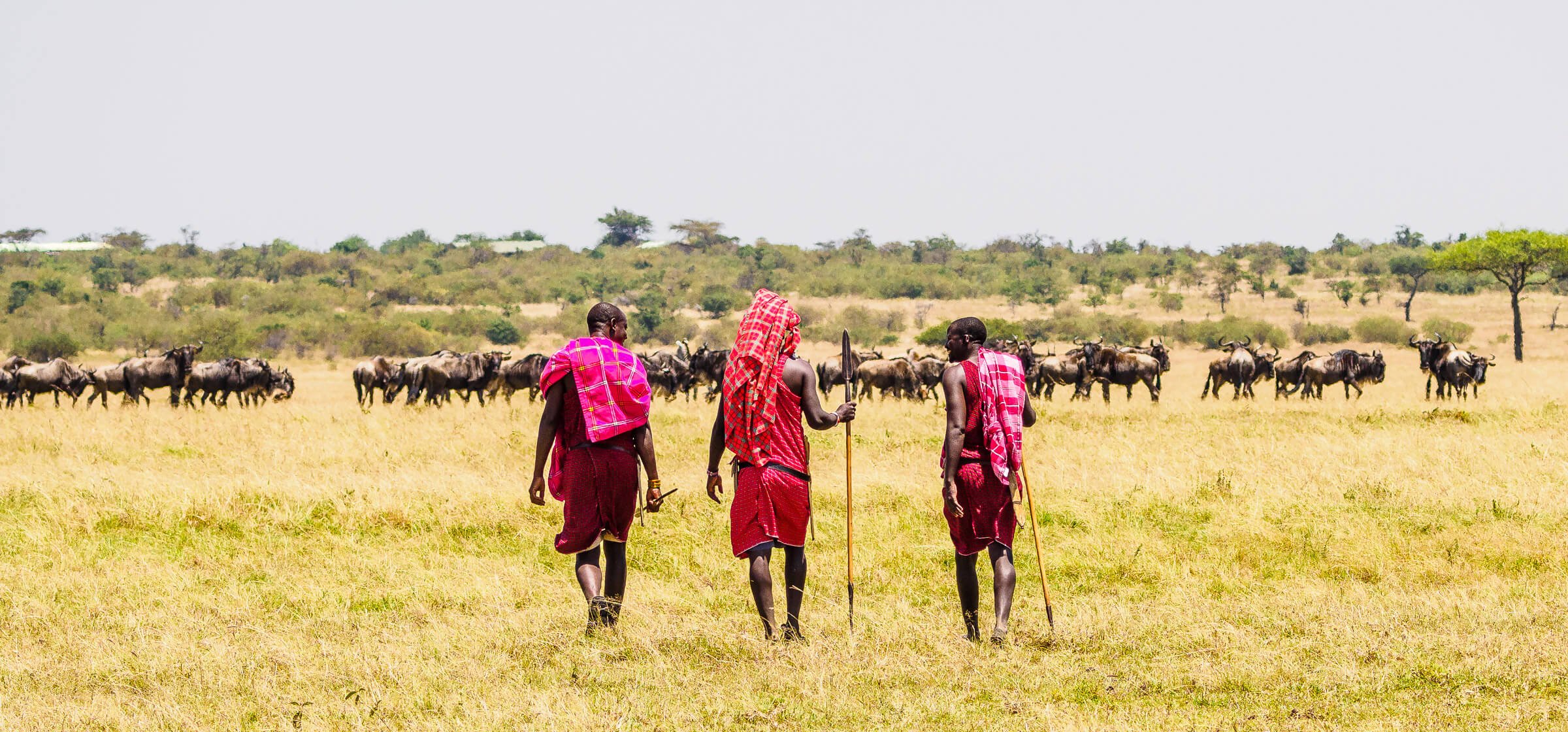
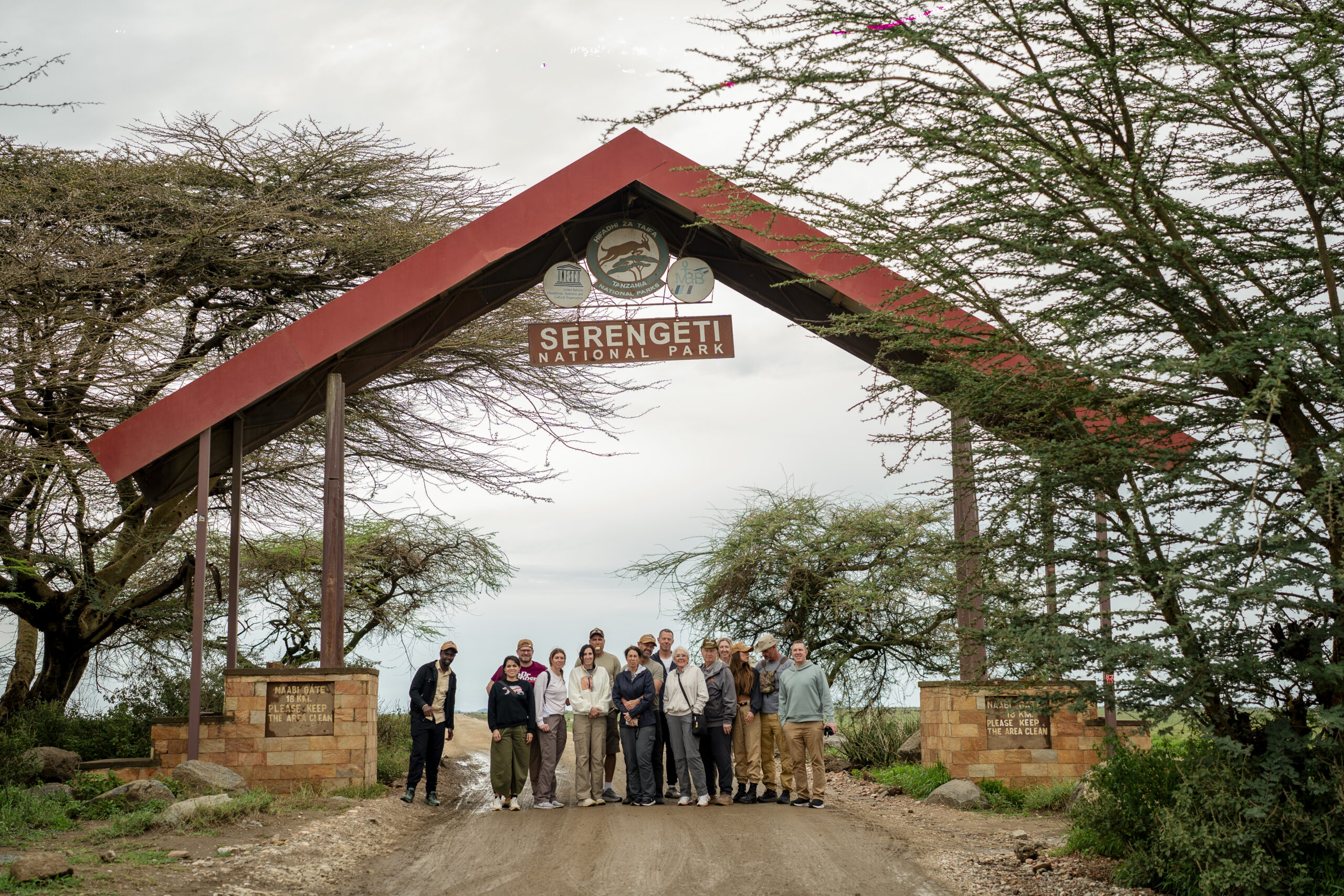
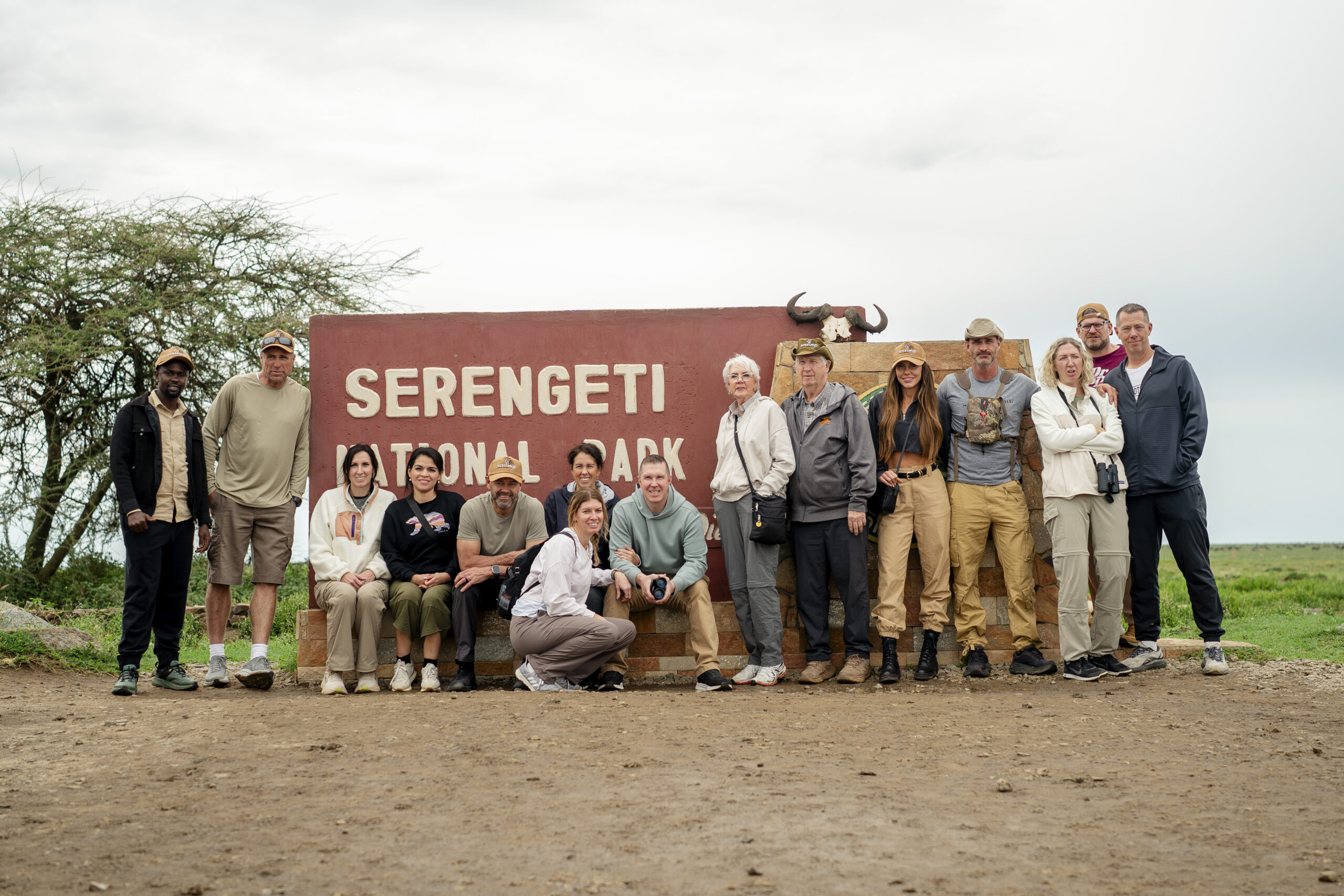
Serengeti National Park in Tanzania is a world-renowned wilderness area encompassing over 14,750 square kilometers of sprawling savanna, riverine forests, and woodlands. Famous for the Great Migration, the park plays host to millions of wildebeest, zebras, and gazelles as they trek across the plains in search of fresh pasture, closely pursued by a dense population of predators including lions, cheetahs, and leopards. As a designated UNESCO World Heritage Site, its unique ecosystems offer unparalleled wildlife viewing, making it a critical sanctuary for biodiversity and one of Africa’s premier safari destinations.