Tanzania’s Perfect Family Safari: The Ultimate Guide to an Unforgettable Family Adventure
A family safari in Tanzania is not simply a holiday.
It is the moment your children see a wild elephant for the first time.
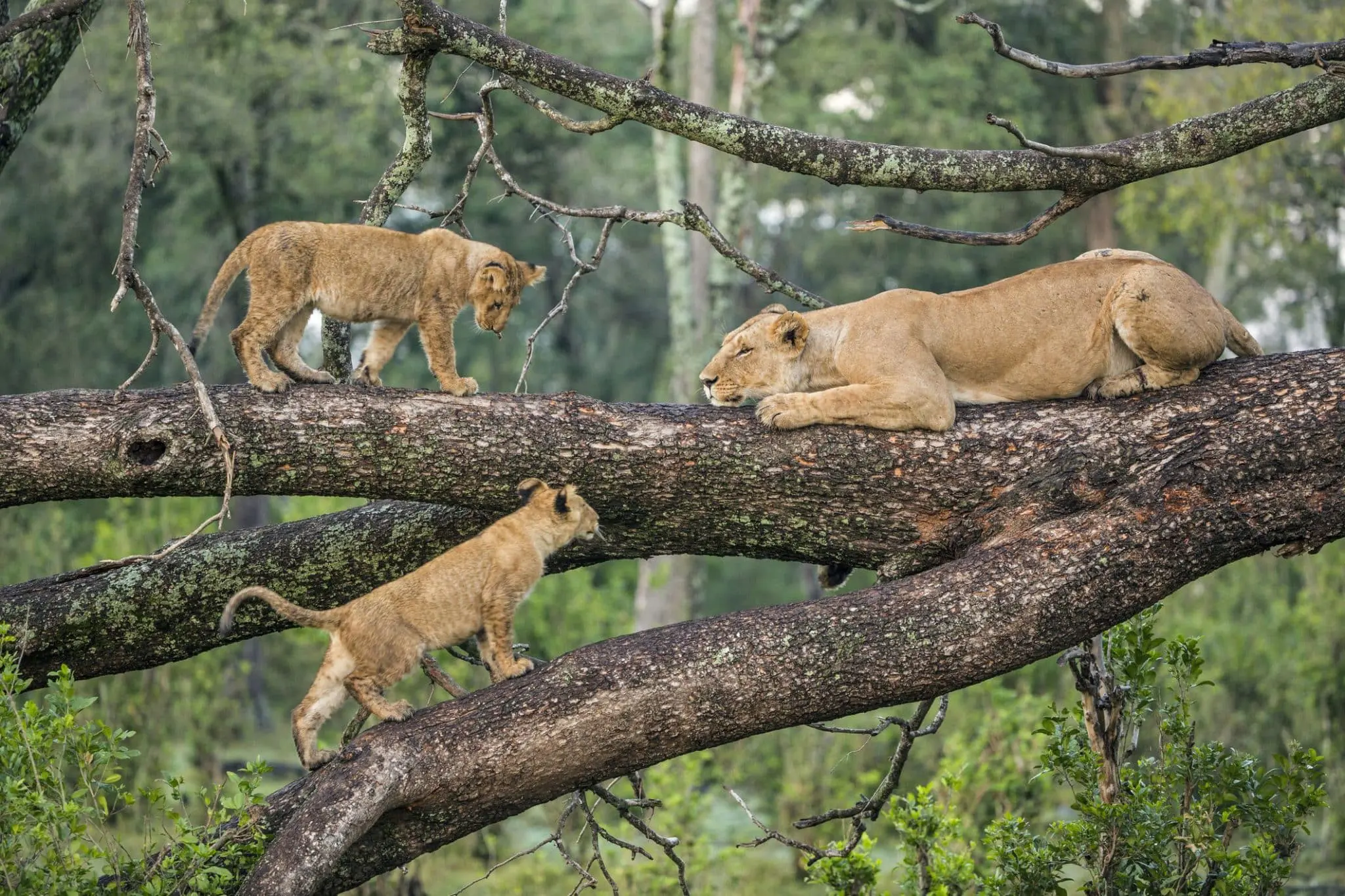
It is watching a lioness with her cubs across the Serengeti plains.
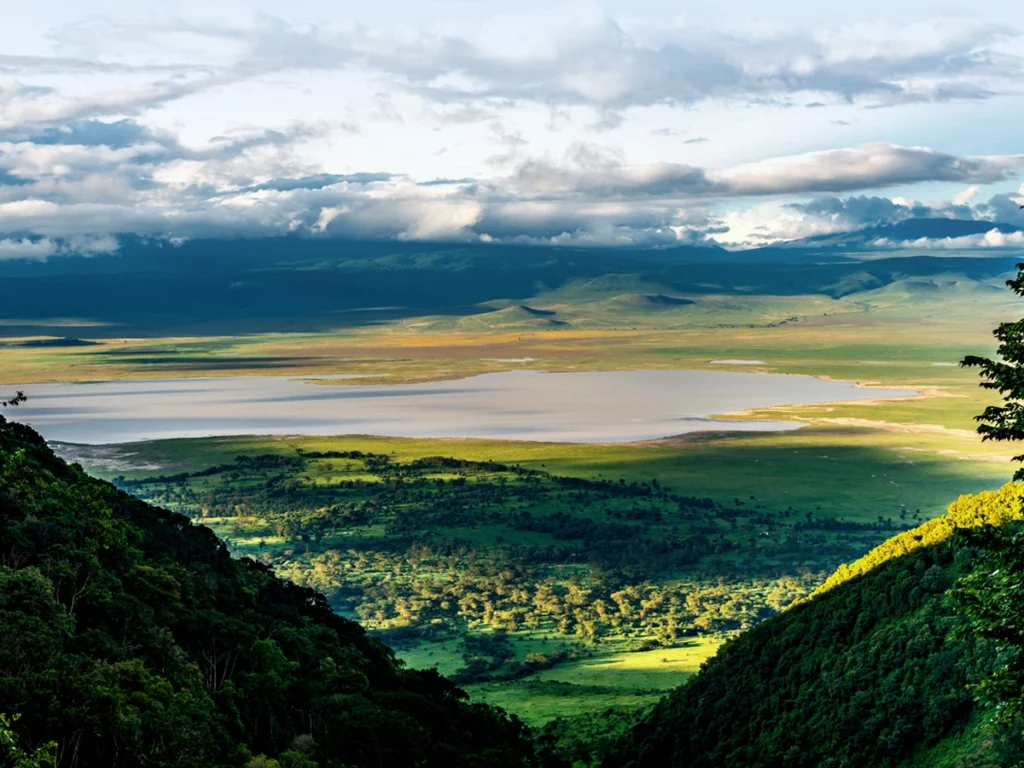
It is standing together above the Ngorongoro Crater and realizing that you are looking at one of the most extraordinary landscapes on Earth.
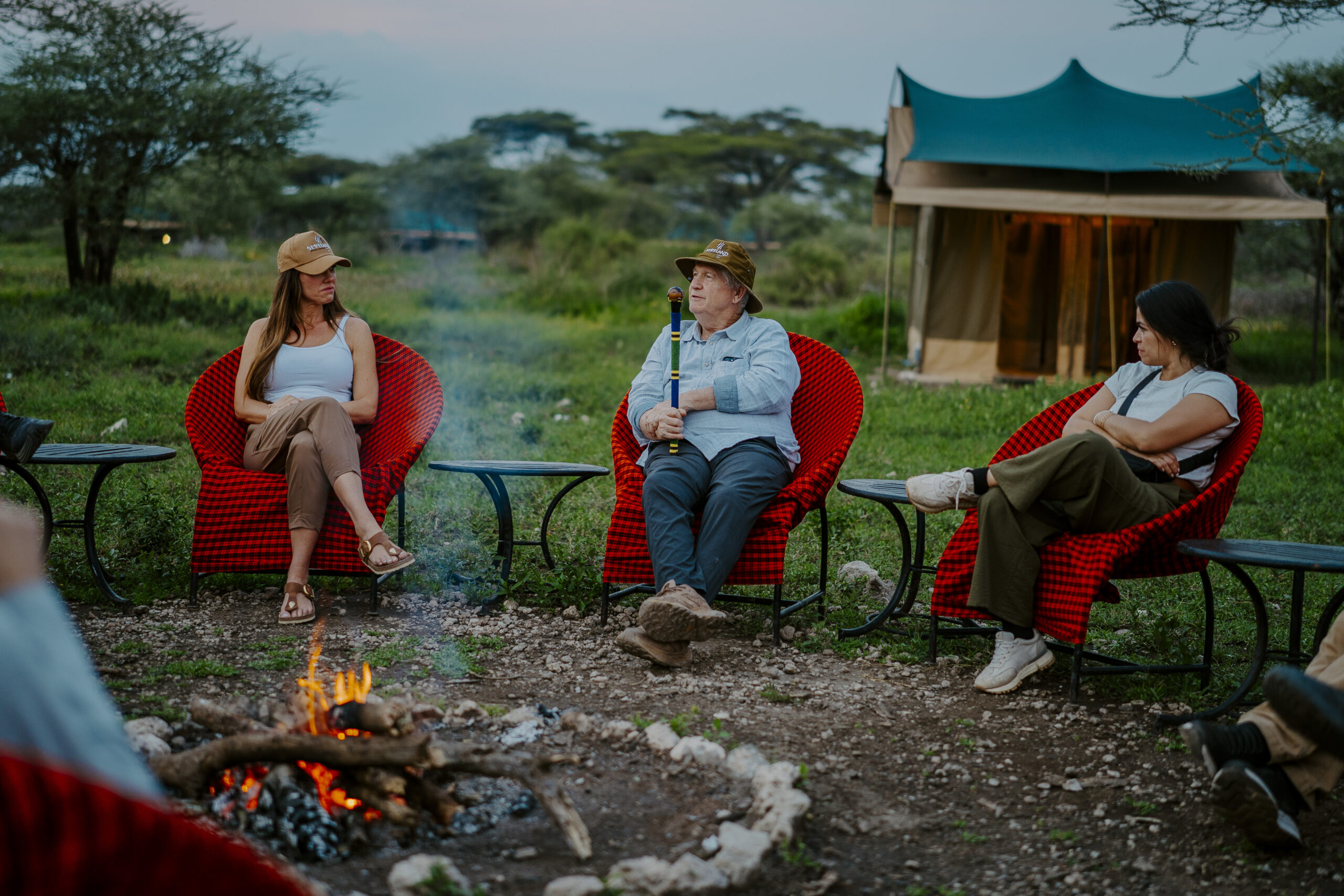
It is listening to stories around a campfire, meeting local communities, waking up to the sounds of nature, and ending the adventure on the beaches of Zanzibar.
Tanzania’s perfect family safari is about experiencing all of these moments together.
But creating the perfect safari for a family requires more than choosing a few famous national parks. Children have different needs from adults, and the best itinerary is one that balances wildlife, adventure, comfort, relaxation, education and flexibility.
This guide will help you understand how to plan the perfect Tanzania family safari—from choosing the right destinations and accommodation to deciding how many days to spend on safari and how to combine your adventure with Zanzibar.
Why Tanzania Is Perfect for a Family Safari
Tanzania offers something that few destinations can match: extraordinary wildlife combined with diverse landscapes, cultures and beach experiences.
A single family holiday can include:
- Elephants in Tarangire
- Lions in the Serengeti
- Rhinos in Ngorongoro
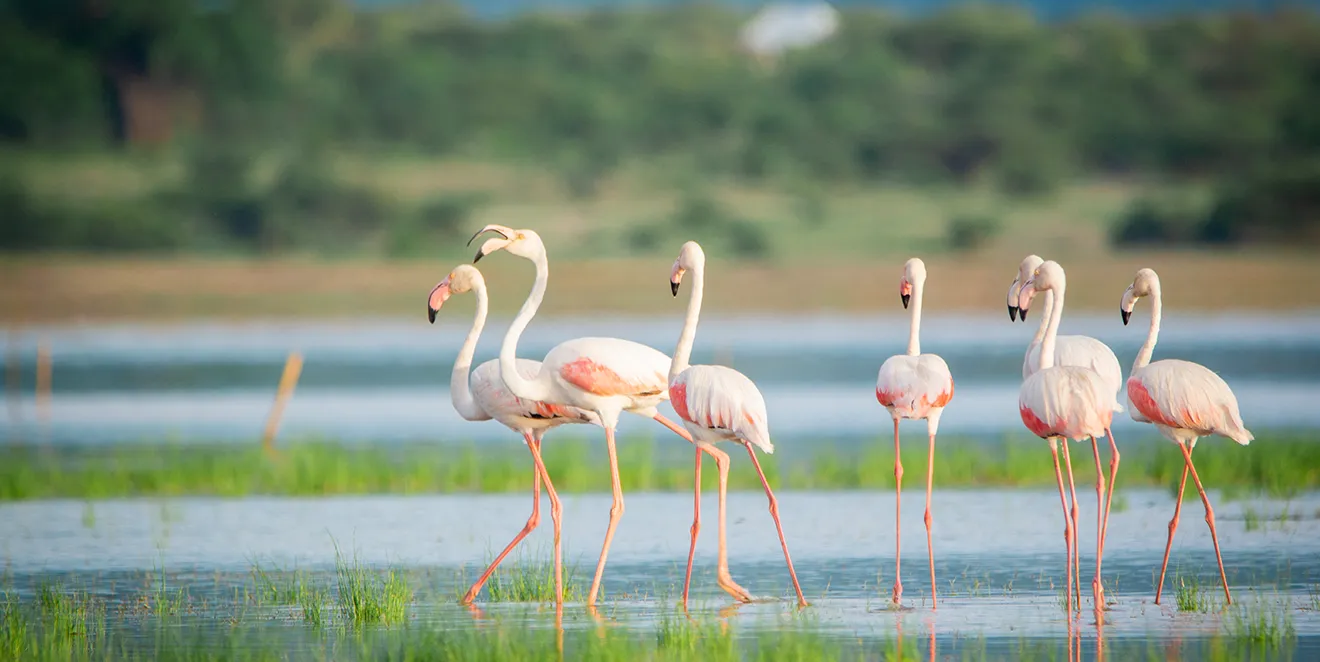
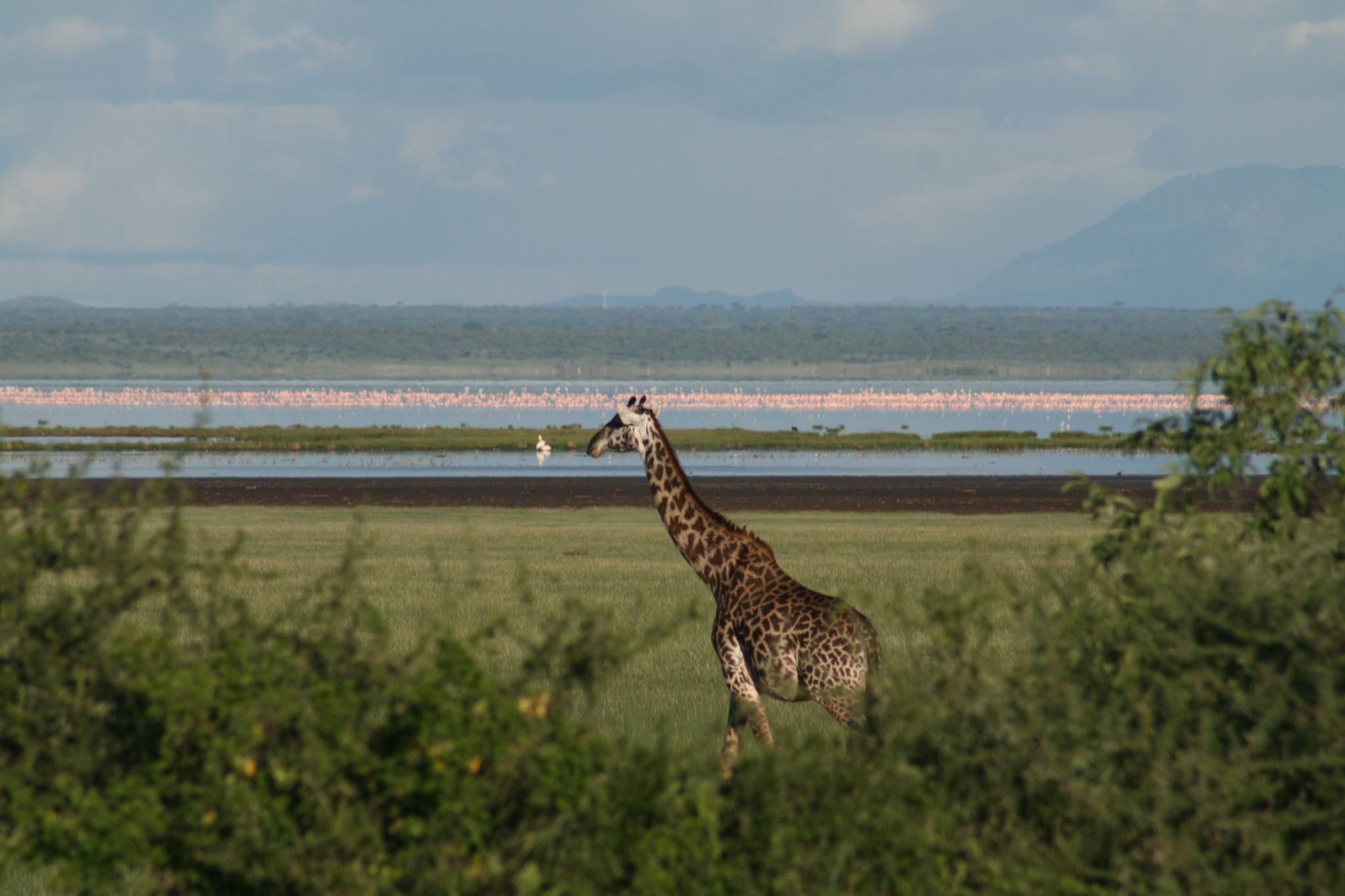
- Flamingos around northern Tanzania’s lakes
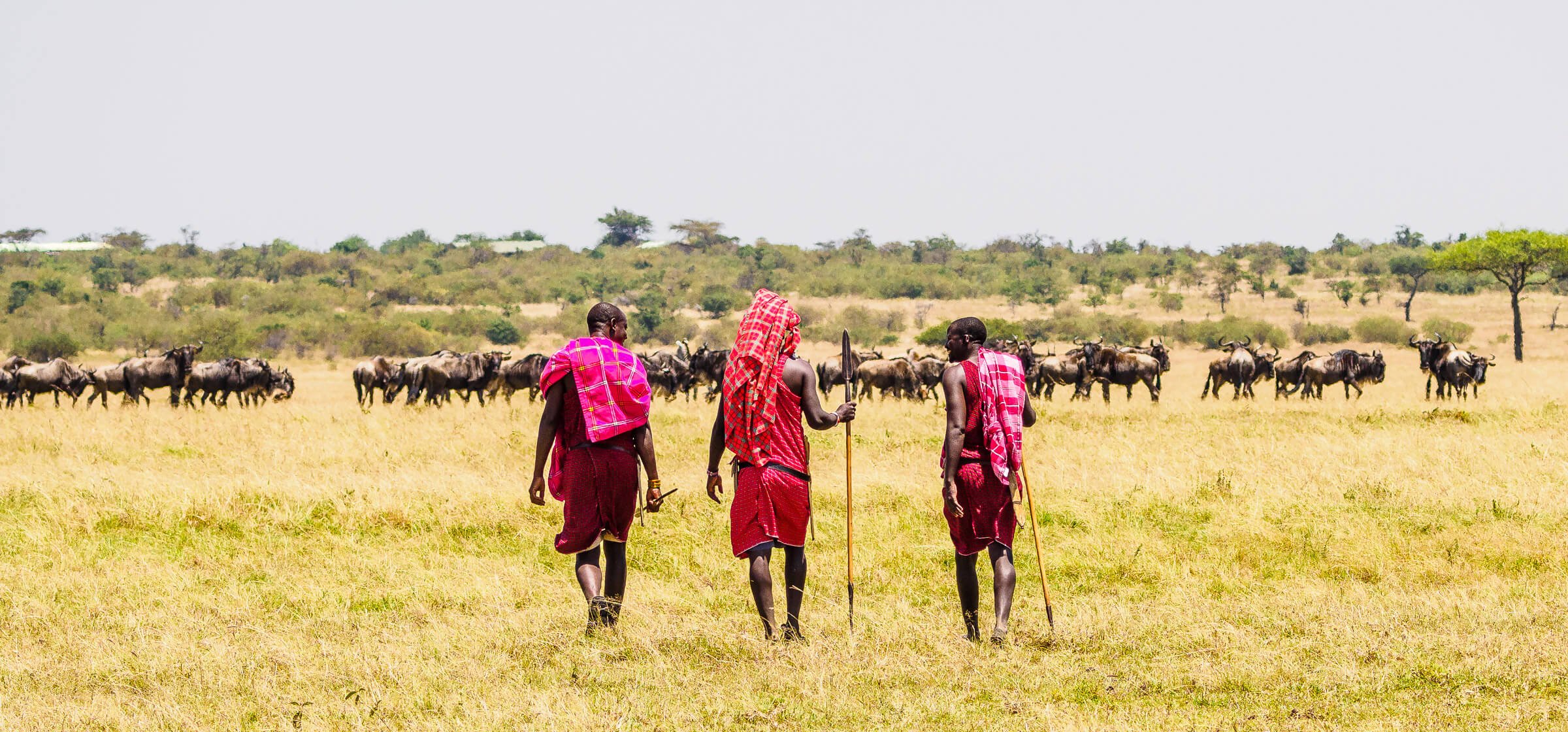
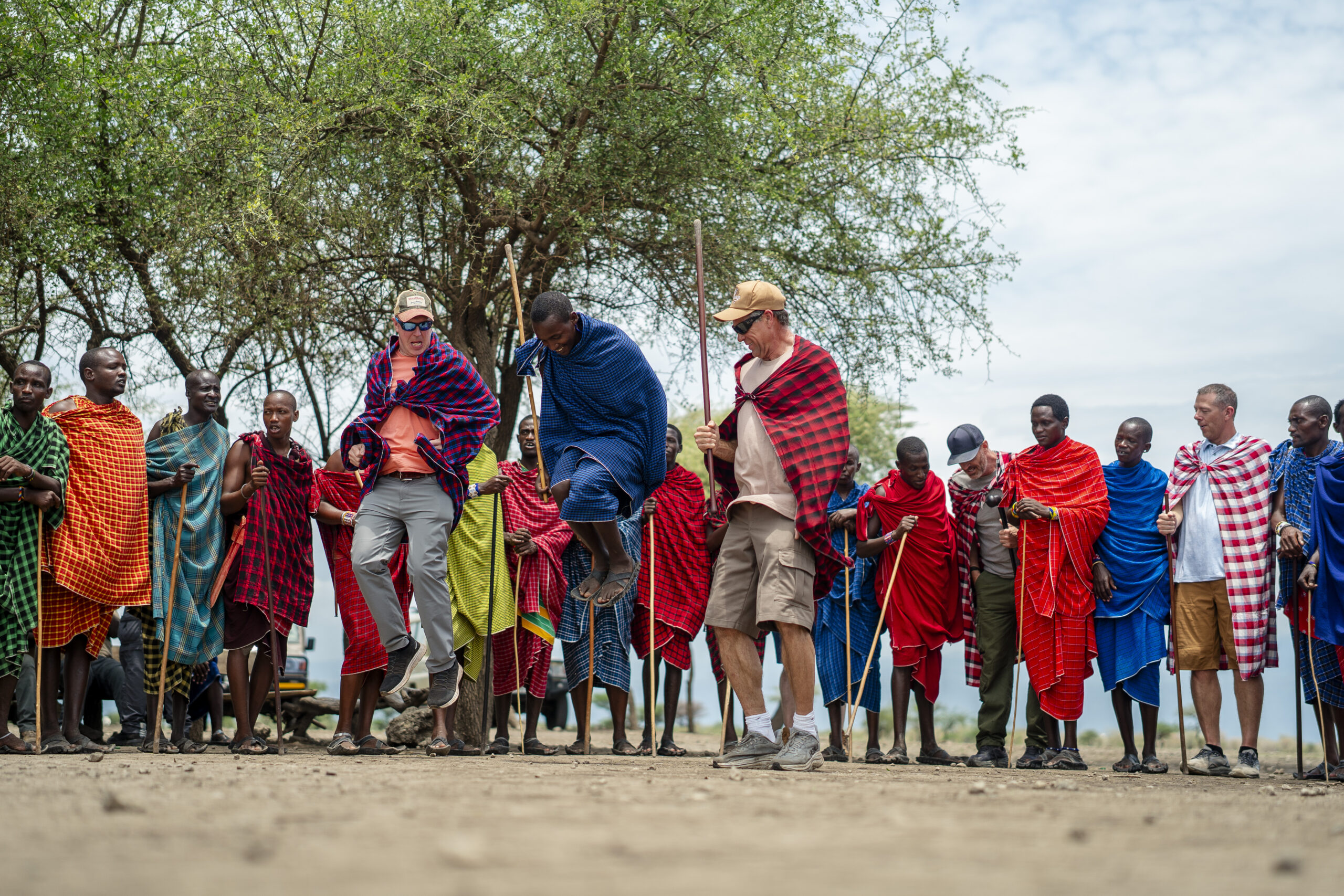
- Maasai cultural experiences
- Traditional communities
- Beautiful mountain landscapes
- The Great Migration, depending on the season
- The beaches of Zanzibar
The country’s Northern Safari Circuit brings several of Tanzania’s most famous wildlife destinations relatively close together, making it a natural choice for many first-time family safaris. The Tanzania Tourism Board itself highlights Tarangire, Ngorongoro and Serengeti as the signature Northern Tanzania safari circuit.
The secret, however, is not trying to see everything.
The secret is choosing the right experiences for your family.
What Makes a Family Safari Different?
An adult safari can sometimes involve long game drives, early mornings, multiple hotel changes and long road transfers.
Children may not enjoy the same pace.
A family safari should therefore be designed around:
Your children’s ages
A five-year-old and a fifteen-year-old can have completely different interests and energy levels.
Your family’s travel style
Some families love adventure and long days outdoors. Others prefer shorter activities and more time at the lodge.
Your accommodation
Family rooms, swimming pools, children’s meals and convenient locations can make a huge difference.
Your safari vehicle
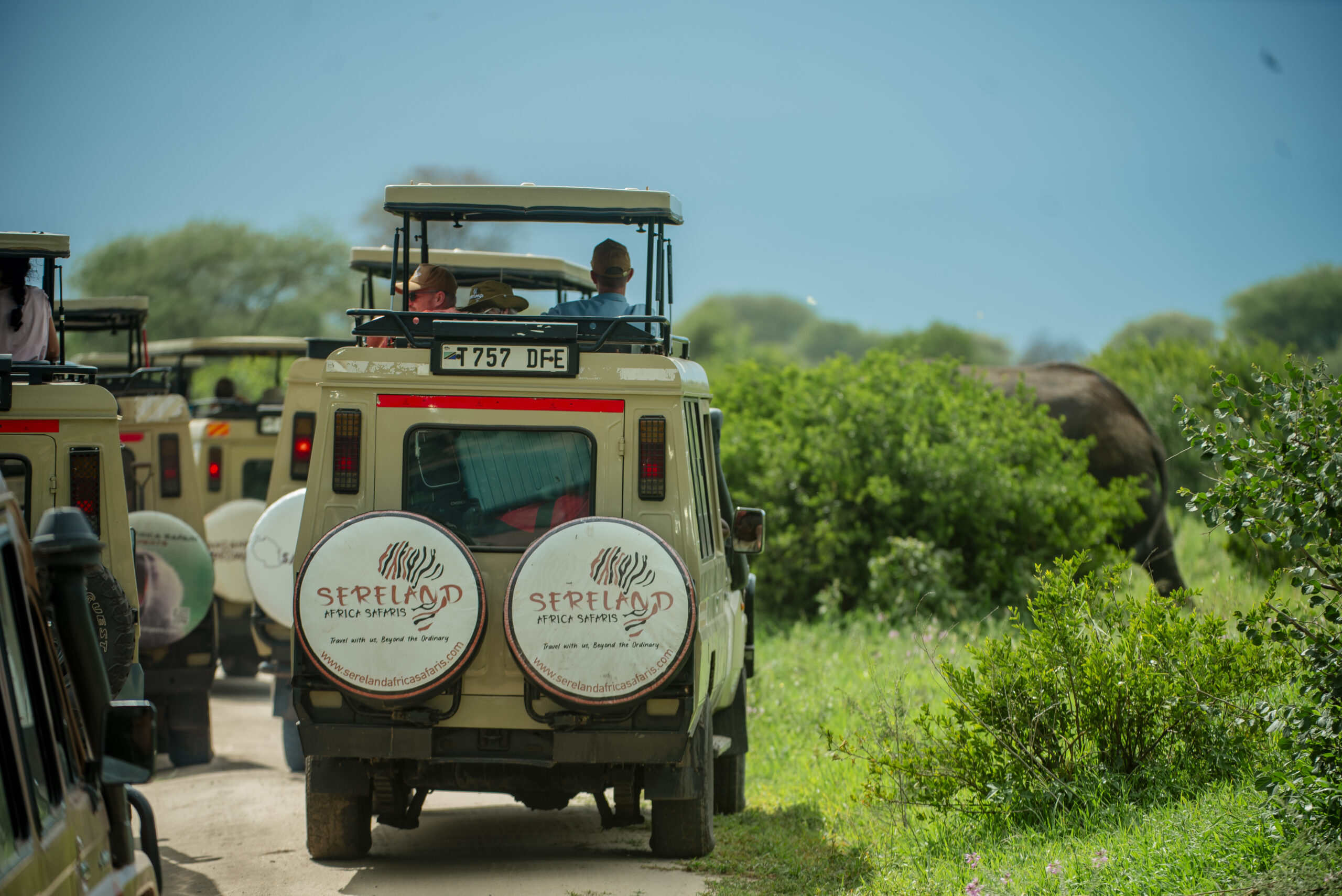
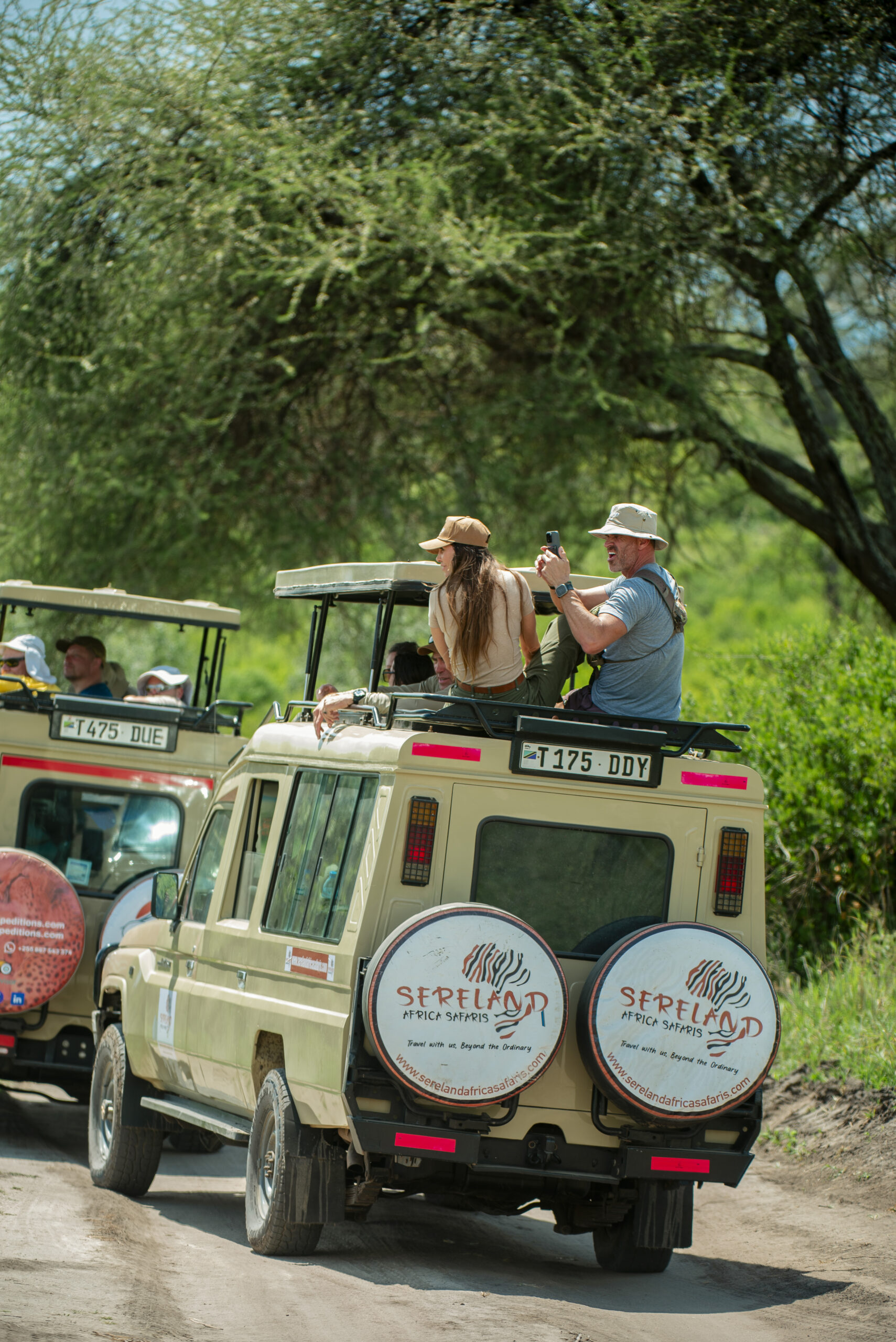
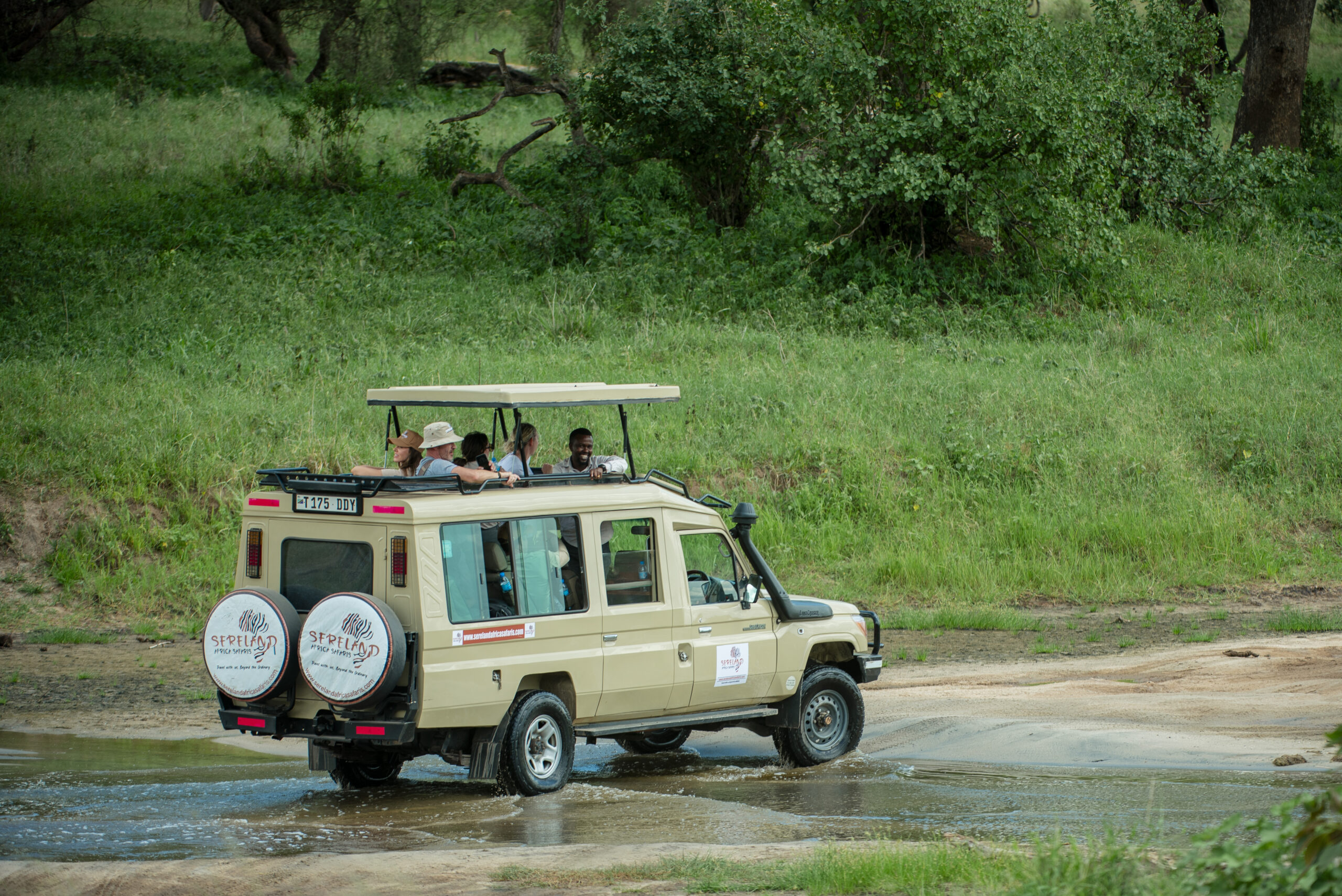
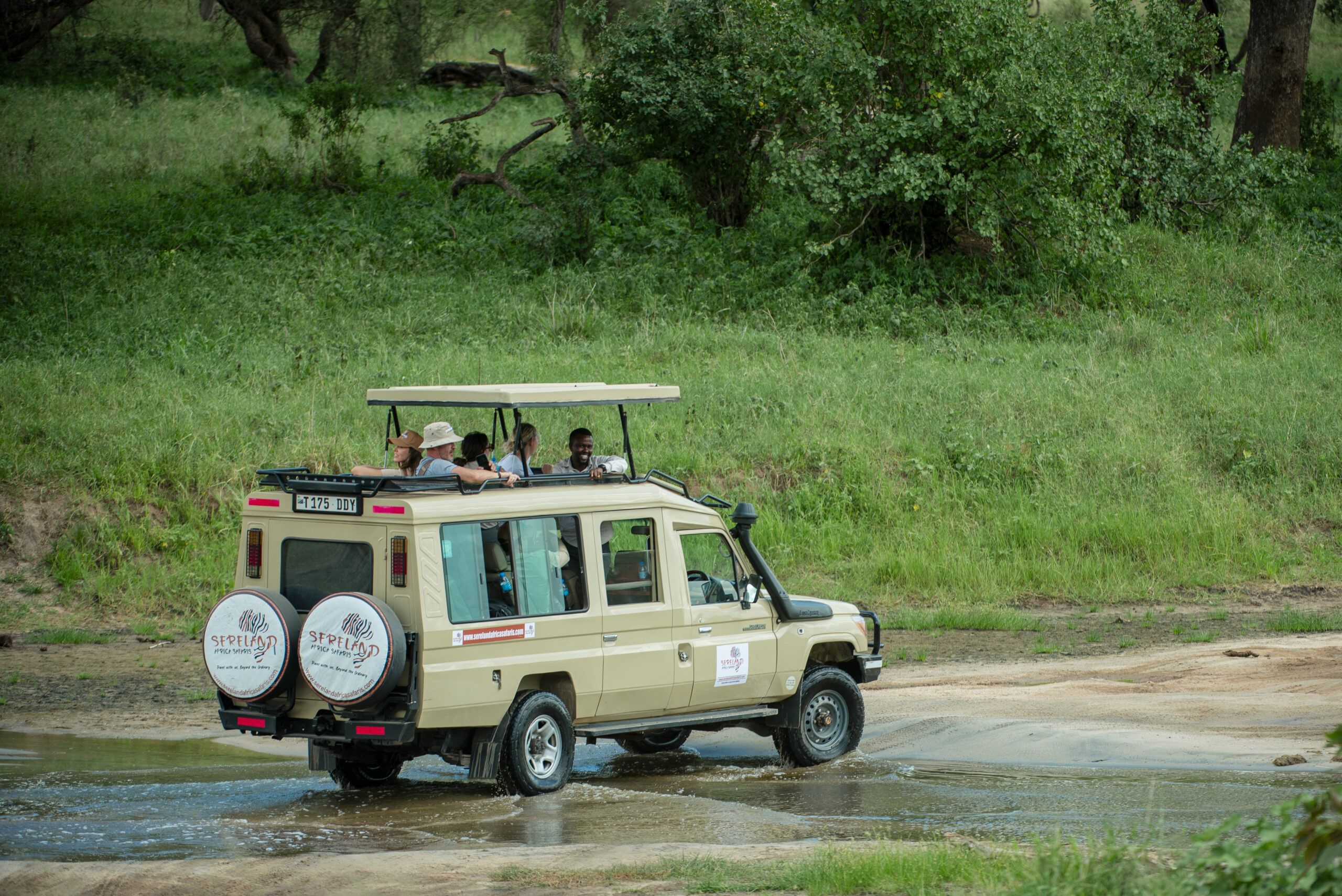
A private vehicle gives families greater flexibility to stop, rest, shorten drives or spend more time at an exciting wildlife sighting.
Your itinerary pace
The goal is to avoid making the safari feel like a race from one destination to another.
The Best Tanzania Safari Destinations for Families
There is no single destination that is perfect for every family.
Each park offers something different.
1. Tarangire National Park – The Elephant Kingdom
For many families, Tarangire is an excellent place to begin a Tanzania safari.
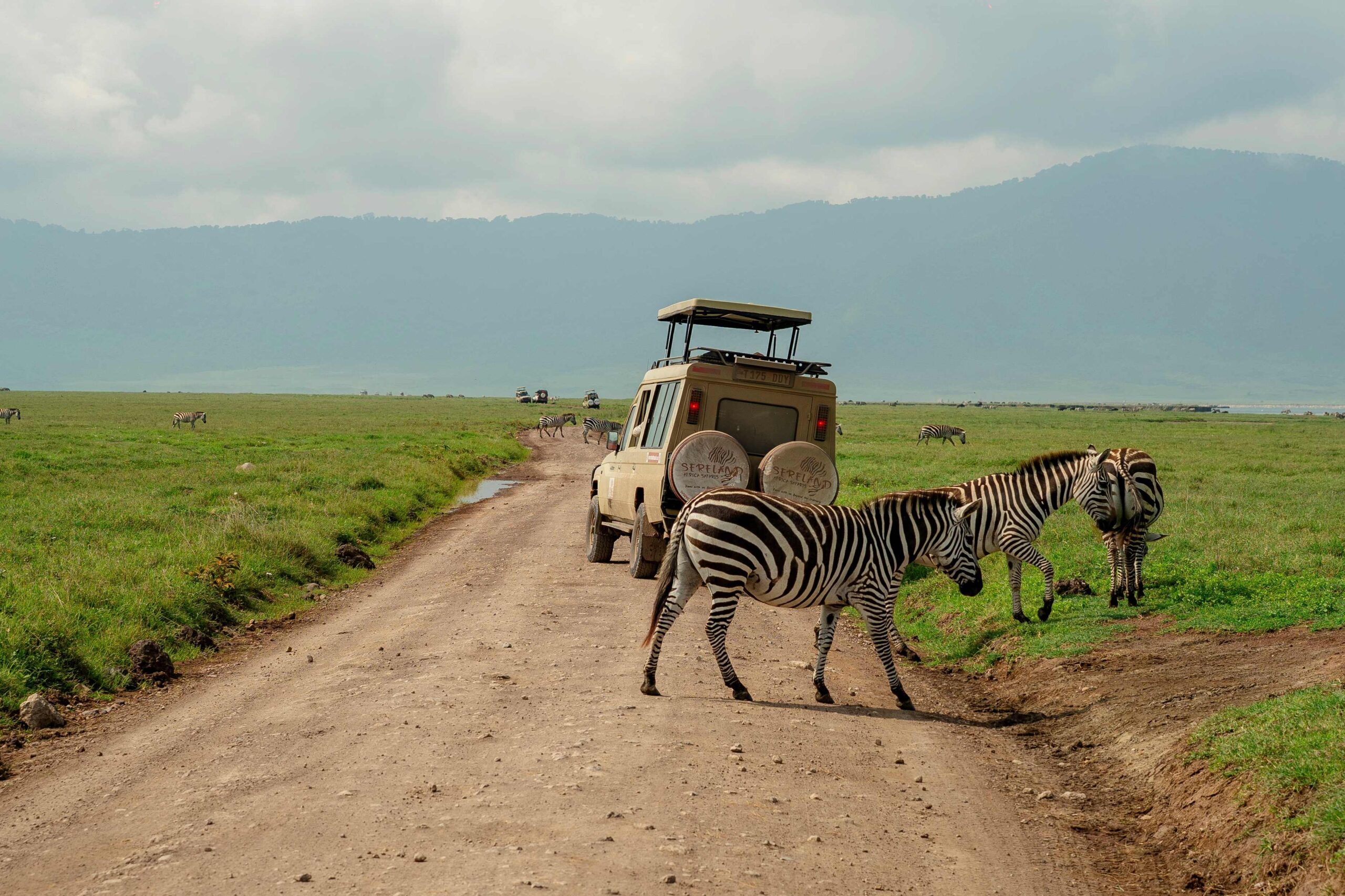
The park is famous for its large elephant herds, enormous baobab trees and beautiful savannah landscapes.
Children often find elephants fascinating because they are enormous, social and easy to observe from a safari vehicle.
Tarangire can also offer a relatively relaxed safari experience, making it attractive for families who do not want every day to involve extremely long game drives. Current family-safari guidance frequently highlights Tarangire for its wildlife density, manageable pace and family-friendly experience.
Children may enjoy:
- Elephant herds
- Baobab trees
- Giraffes
- Zebras
- Antelopes
- Birds
- Wildlife photography
Best for: Families looking for a relaxed introduction to African wildlife.
2. Ngorongoro Crater – A Wildlife World Inside a Crater
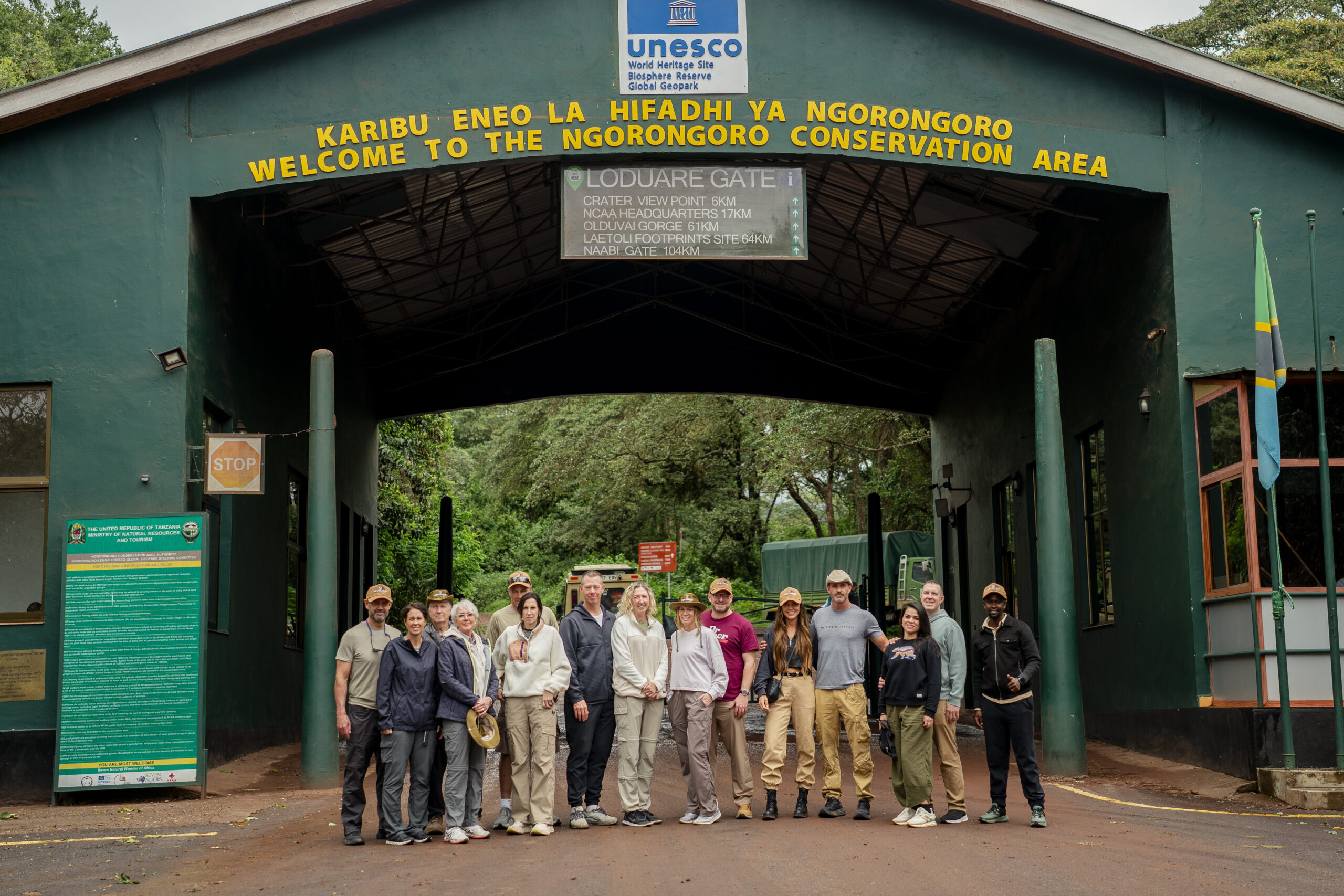
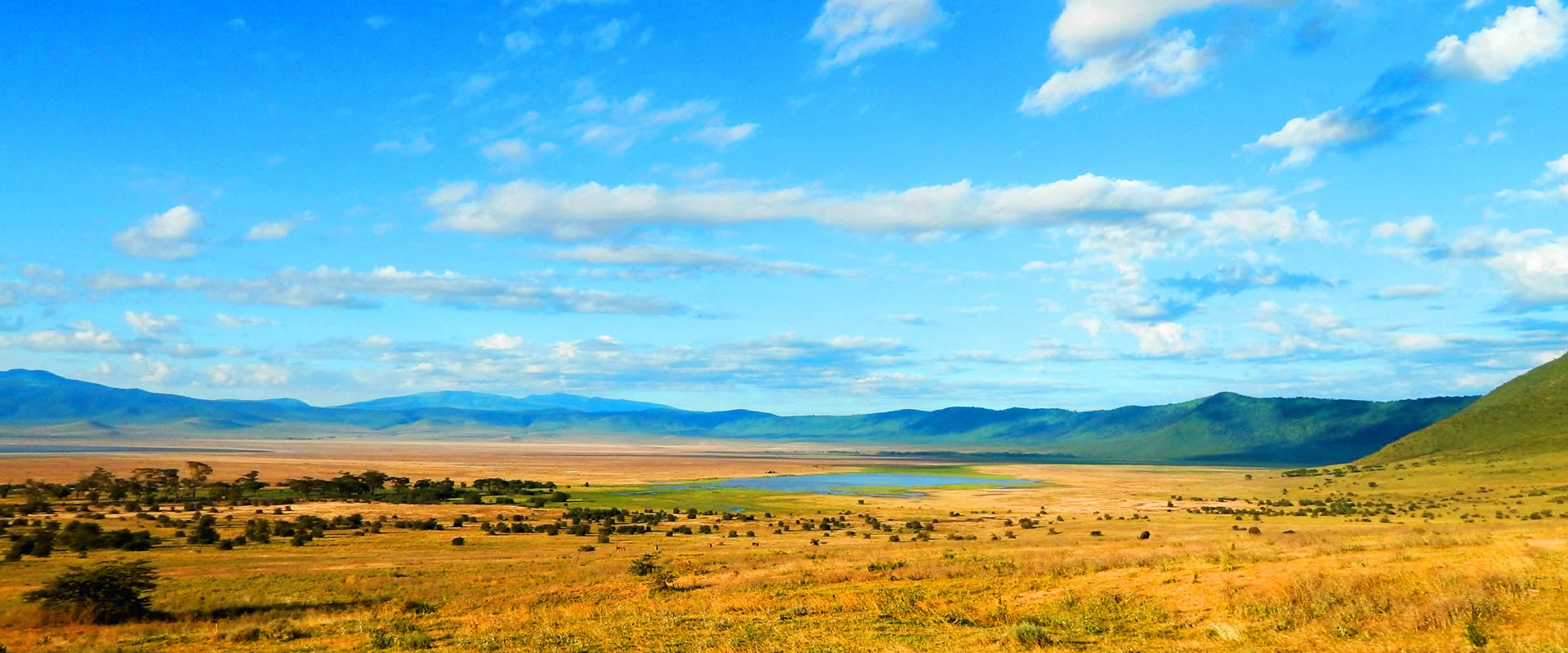
Few places in Tanzania create the same first impression as the Ngorongoro Crater.
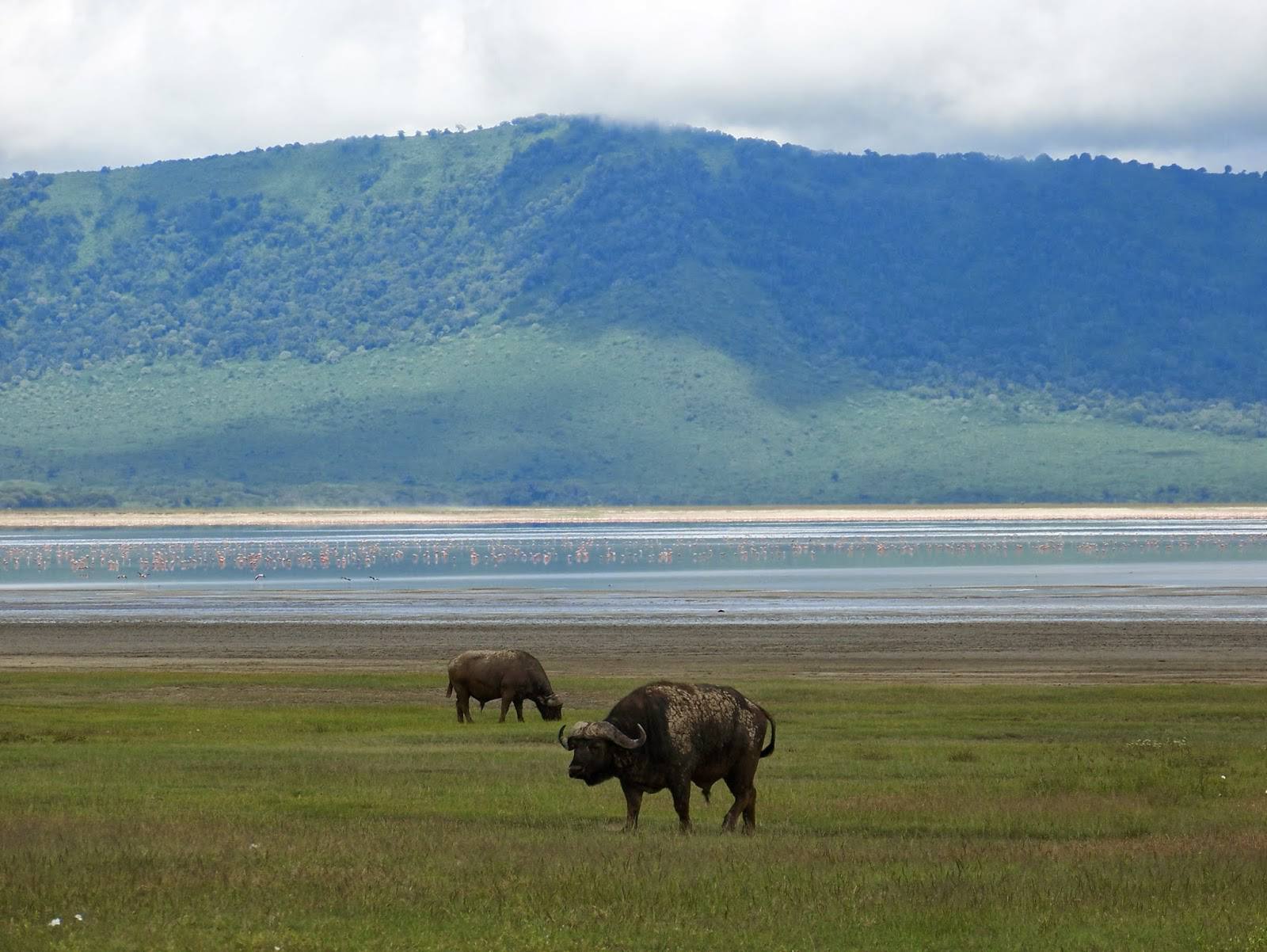
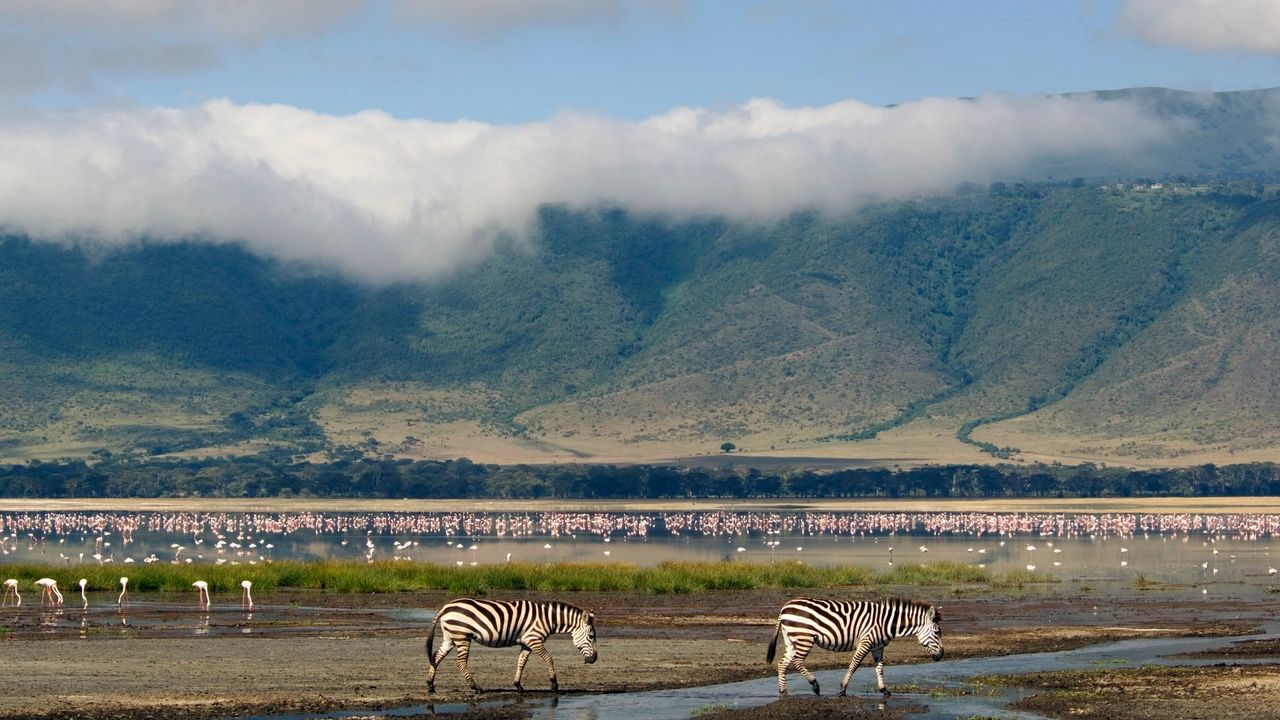
From the crater rim, families can look down into a vast volcanic caldera filled with grasslands, lakes, forests and wildlife.
Once inside, visitors may encounter:
- Lions
- Elephants
- Buffalo
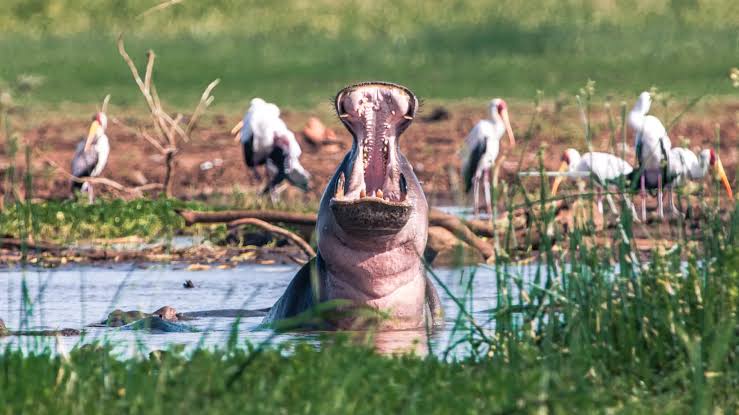
- Hippos
- Zebras
- Wildebeest
- Flamingos
- And, with luck, the endangered black rhino
Because wildlife is concentrated within the crater, families can experience a remarkable variety of animals within a relatively compact area.
For children old enough to appreciate the experience, descending into the crater can become one of the most memorable moments of the entire safari.
Best for: Families who want spectacular scenery and concentrated wildlife viewing.
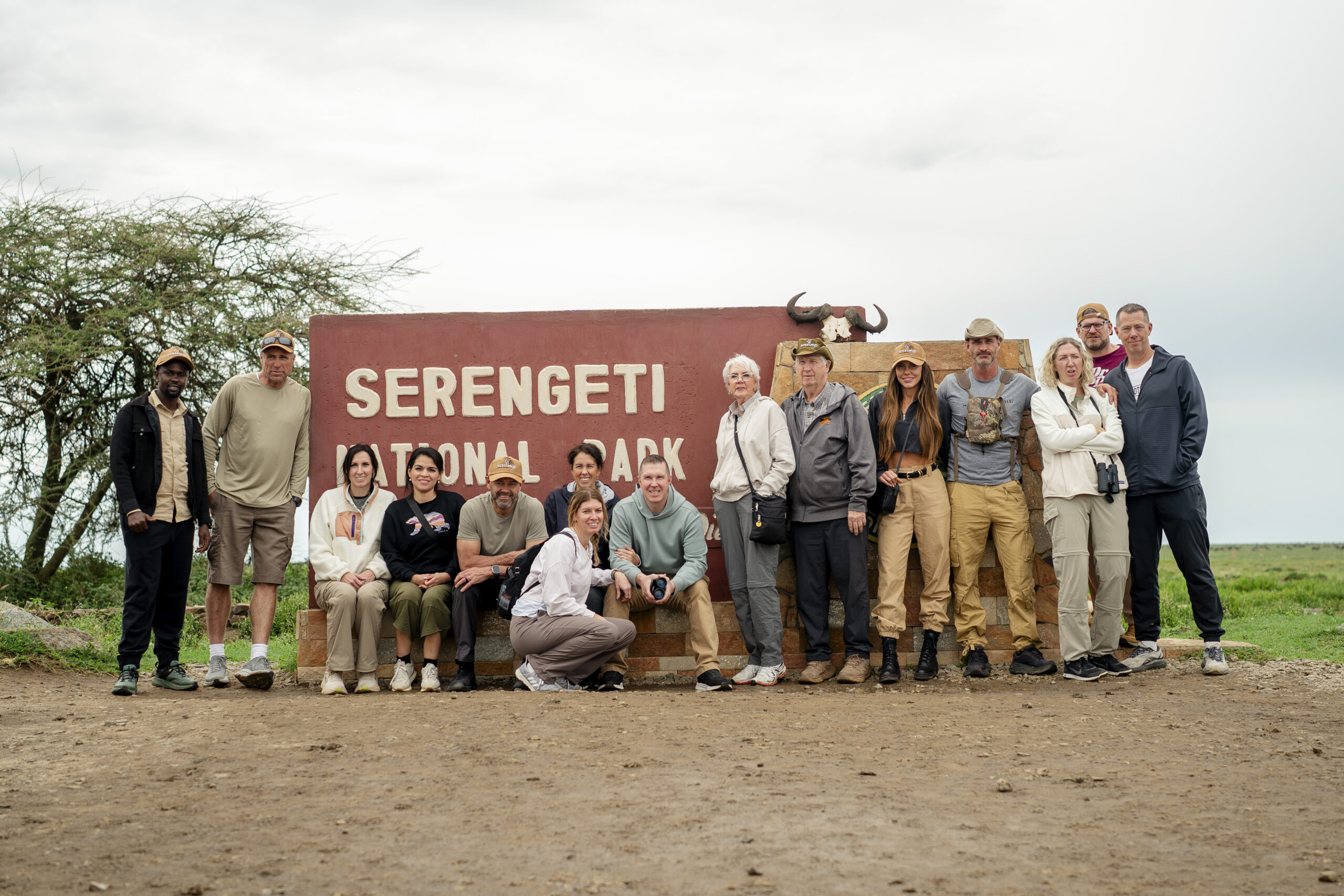
3. Serengeti National Park – The Ultimate Family Adventure
Then comes the Serengeti.
The name itself evokes images of endless golden plains, lions, cheetahs, wildebeest and dramatic wildlife encounters.
The Serengeti is famous for the Great Migration, when enormous numbers of wildebeest and other herbivores move through the ecosystem in search of fresh grazing and water.
But the Serengeti is much more than migration.
It is a year-round wildlife destination where families can experience:
- Lions
- Leopards
- Cheetahs
- Elephants
- Giraffes
- Hippos
- Zebras
- Wildebeest
- Hyenas
- Thousands of bird species
For younger children, however, the journey to and within the Serengeti should be planned carefully because the park is vast and some routes involve long travel times. For families with younger children, flying into the Serengeti can be an alternative to a long road transfer.
Best for: Older children, teenagers and families wanting the ultimate African wildlife experience.
4. Lake Manyara – Small Park, Big Experiences
Lake Manyara is sometimes overlooked when families plan a Tanzania safari.
That can be a mistake.
The park offers a beautiful combination of:
- Lake scenery
- Forest
- Birdlife
- Elephants
- Giraffes
- Baboons
- Hippos
- And the famous tree-climbing lions
Its relatively compact nature can make it a useful addition to a family itinerary, particularly when parents want a shorter wildlife experience.
Best for: Families looking for variety without spending an entire day on a long game drive.
How Many Days Do You Need for the Perfect Family Safari?
There is no perfect number for every family.
However, 5–8 safari days can provide enough time to experience several Northern Circuit highlights without making the trip feel rushed.
A shorter safari could focus on:
Tarangire + Ngorongoro
A longer safari could include:
Tarangire + Ngorongoro + Serengeti
Families who want a more relaxed holiday can combine:
Safari + Zanzibar
The most important principle is simple:
Do not measure the quality of your family safari by how many parks you visit.
Three unforgettable days can be better than seven exhausting days.
A Perfect 7-Day Tanzania Family Safari
Here is an example of how a family safari can be structured.
Day 1 – Arrival in Arusha
Arrive in Tanzania and settle into your accommodation.
Rather than immediately starting a long safari, allow everyone to rest after the international journey.
Children can relax, swim, explore the hotel or simply recover from the flight.
Overnight: Arusha
Day 2 – Tarangire National Park
After breakfast, travel to Tarangire.
Your first game drive introduces the family to the African wilderness.
Look for elephants, giraffes, zebras, antelopes and colorful birds.
The baobab-filled landscape provides an unforgettable introduction to Tanzania.
Overnight: Tarangire Area
Day 3 – Tarangire to Ngorongoro Highlands
Enjoy a morning wildlife experience before continuing toward the Ngorongoro region.
The landscape changes dramatically as you move from the lowland savannah toward the highlands.
Families can also consider a cultural experience along the way, depending on the itinerary.
Overnight: Karatu / Ngorongoro Area
Day 4 – Ngorongoro Crater
Wake up early and descend into the crater.
This is one of the days your children are likely to remember for years.
Search for lions, elephants, buffalo, hippos, zebras and the elusive black rhino.
After the crater experience, return to your lodge for a relaxing afternoon.
Overnight: Ngorongoro Area
Day 5 – Serengeti National Park
Travel toward the Serengeti.
As the landscape opens into endless plains, children begin to understand why the Serengeti is one of Africa’s most famous ecosystems.
Enjoy an afternoon game drive.
Overnight: Serengeti
Day 6 – Serengeti Wildlife Adventure
Spend the day exploring the Serengeti.
Rather than simply driving around looking for animals, encourage children to become wildlife detectives.
Who can spot the first giraffe?
Can they find an elephant?
Can they identify three different birds?
Can they see animal tracks?
A good guide can transform a game drive into an interactive experience for the entire family.
Overnight: Serengeti
Day 7 – Departure or Zanzibar
Depending on your travel plans, fly or travel onward.
For families with enough time, this is the perfect moment to continue to Zanzibar for several days of relaxation.
After days of wildlife adventures, the Indian Ocean provides a completely different experience.
The Perfect Safari + Zanzibar Family Holiday
For families with 10–14 days available, combining safari with Zanzibar can create an incredibly balanced Tanzania holiday.
Safari
Wildlife + adventure + education
Zanzibar
Beach + ocean + relaxation + culture
Children can move from watching elephants and lions to:
- Swimming
- Snorkelling
- Boat trips
- Exploring Stone Town
- Learning about spices
- Beach games
- Sunset cruises
Zanzibar is particularly attractive for families because several beach areas offer family-friendly accommodation, pools and calm-water experiences.
Choosing the Right Safari Vehicle
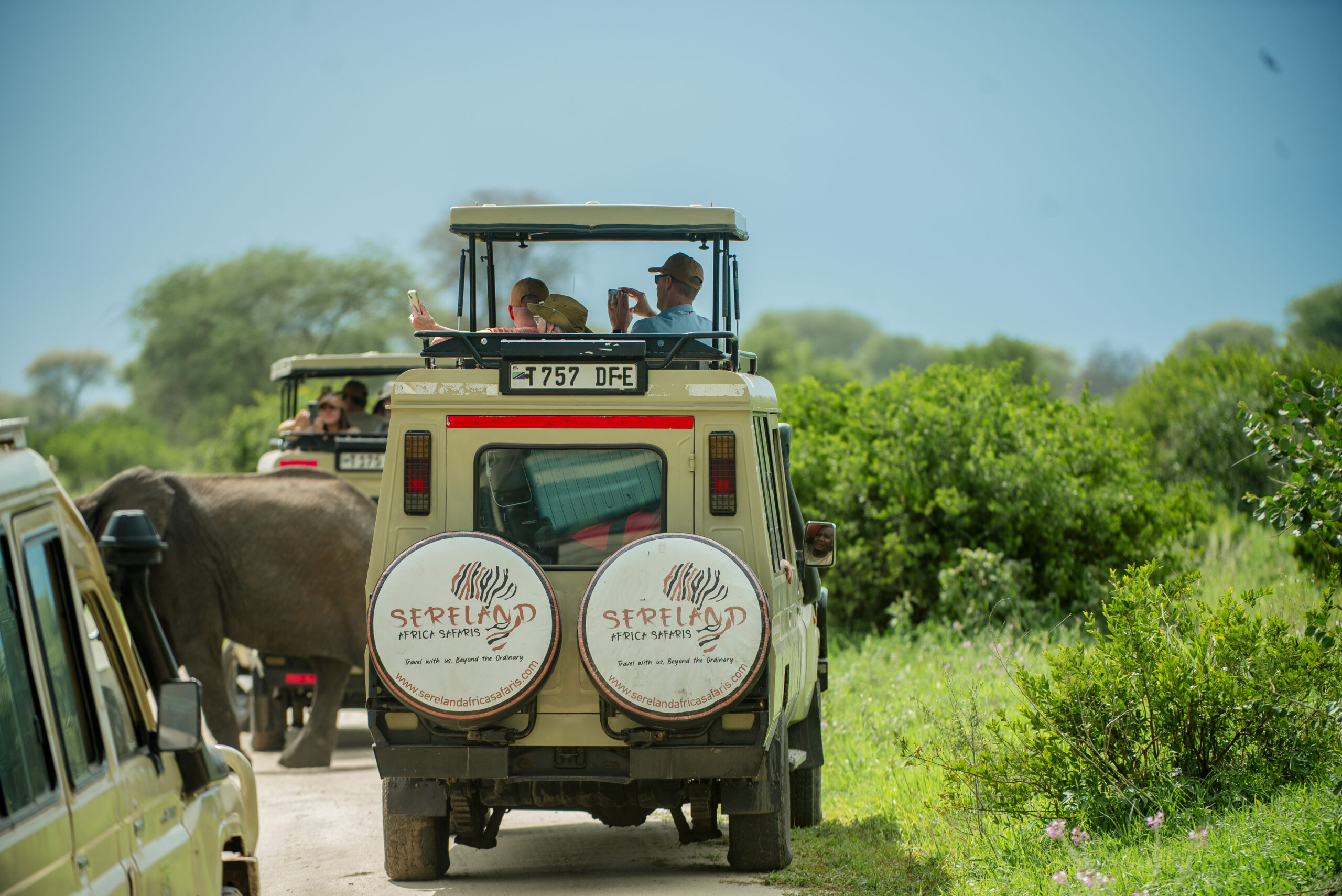
For families, we strongly recommend considering a private safari vehicle.
Why?
Because children are unpredictable.
One morning they may want to spend hours watching elephants.
The next day they may become tired after two hours.
With a private vehicle, your guide can adapt the experience.
You can:
- Start later when appropriate
- Return to the lodge earlier
- Take breaks
- Stop for interesting wildlife
- Spend more time at special sightings
- Adjust the day’s pace
This flexibility is especially valuable for families travelling with younger children.
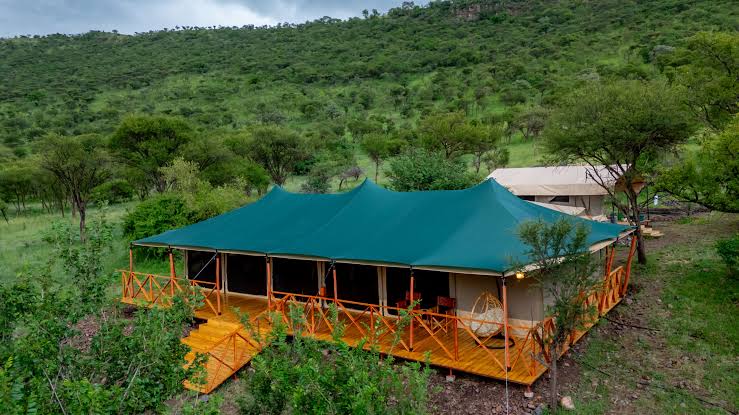
Choosing Family-Friendly Accommodation
The right lodge can make your safari much more enjoyable.
When selecting accommodation, look for:
Family rooms
Everyone can stay together comfortably.
Swimming pool
A pool gives children something to look forward to after a game drive.
Children’s meals
Simple and familiar food can make mealtimes easier.
Convenient location
Less driving means more time enjoying the destination.
Family activities
Some properties offer nature walks, cultural experiences or other activities suitable for children.
Flexible meal times
Families do not always operate on the same schedule as adults travelling without children.
Safari Activities Children Will Love
A family safari should be more than sitting inside a vehicle.
Depending on the location, age restrictions and local rules, families can consider activities such as:
Wildlife spotting
Turn every game drive into a treasure hunt.
Birdwatching
Children often enjoy discovering colorful birds once they learn what to look for.
Nature walks
Where permitted and age-appropriate, guided walks can introduce children to smaller aspects of the ecosystem.
Cultural experiences
Meeting local communities can help children understand how different people live.
Photography
Give older children their own camera or phone and challenge them to create a safari photo journal.
Swimming
A pool at the lodge can provide essential downtime.
Zanzibar ocean activities
Snorkelling and boat trips can be wonderful additions for families.
Making the Safari Educational
The perfect family safari should entertain children while teaching them something about the world.
Before the trip, encourage your children to learn:
- The names of African animals
- Basic geography of Tanzania
- How food chains work
- Why conservation matters
- What the Great Migration is
- How local communities interact with wildlife
During the safari, your guide can explain animal behaviour and answer questions.
Children can keep a wildlife journal:
Animal: Elephant
Location: Tarangire
What it was doing: Walking with its herd
How many: 17
Interesting fact: Elephants communicate using sounds that humans cannot always hear.
By the end of the safari, your children have created their own record of Africa.
What Should Children Pack for Tanzania?
Keep the packing simple.
Clothing
- Lightweight shirts
- Comfortable trousers or shorts
- Warm layers for cool mornings
- Comfortable walking shoes
- Light jacket
Sun protection
- Sun hat
- Sunglasses
- Sunscreen
Safari essentials
- Binoculars
- Camera
- Small backpack
- Reusable water bottle
- Insect repellent
Personal items
- Necessary medications
- Travel documents
- Favorite small comfort item for younger children
The most important thing is comfort.
A safari is an adventure, not a fashion show.
Is a Tanzania Family Safari Safe?
Tanzania can be an excellent family destination when the trip is properly planned and operated by experienced professionals.
The most important rules are simple:
Listen to your guide.
Never approach wildlife.
Stay inside the vehicle when instructed.
Do not feed animals.
Respect camp and lodge safety instructions.
Children should understand from the beginning that a safari is an opportunity to observe wild animals—not interact with them.
Families should also discuss travel-health preparation with a qualified healthcare professional before travelling, particularly regarding vaccinations, malaria prevention and medications.
What Age Is Best for a Tanzania Family Safari?
There is no universal answer.
Every child is different.
Some children can enjoy safari at a young age, while others need more time to develop the patience for long drives.
Young children
Focus on:
- Shorter drives
- More breaks
- Flexible schedules
- Family accommodation
- Private vehicles
School-age children
Add:
- Wildlife games
- Photography
- Nature education
- Cultural experiences
Teenagers
Consider:
- Longer game drives
- Wildlife photography
- Conservation
- Great Migration
- More adventurous activities where permitted
The best itinerary is the one designed around your children, not around a generic package.
How to Keep Children Happy on Safari
The biggest challenge is usually not the animals.
It is attention span.
A child may be fascinated by a lion for twenty minutes and then suddenly decide they are hungry.
That is completely normal.
Good family safari planning includes:
- Shorter game drives where appropriate
- Regular breaks
- Interesting explanations
- Swimming time
- Comfortable accommodation
- Snacks
- Interactive wildlife spotting
A professional family guide should understand that children experience safari differently from adults.
Experience Maasai Culture With Your Family
A family safari becomes even more meaningful when children have an opportunity to meet people and learn about Tanzanian culture.
A responsible cultural experience can introduce children to:
- Maasai traditions
- Traditional homes
- Beadwork
- Music and dance
- Livestock
- Local food
- Community life
This gives children an opportunity to understand that Tanzania is not simply a place filled with wildlife.
It is also home to diverse communities with their own histories, traditions and ways of life.
The Perfect Family Safari Is Not About Luxury Alone
Luxury can be wonderful.
But luxury alone does not create an unforgettable family safari.
The real ingredients are:
Great wildlife
A knowledgeable guide
A comfortable vehicle
The right itinerary
Family-friendly accommodation
Enough time to rest
Meaningful cultural experiences
And the freedom to enjoy the journey together
A simple moment—your child spotting their first elephant—can become more valuable than the most expensive room in the country.
Why Choose Sereland Africa Safaris?
At Sereland Africa Safaris, we understand that travelling with children requires a different approach.
We do not believe families should simply take an adult itinerary and add children to it.
We believe the itinerary should be designed around the family.
We consider:
- Children’s ages
- Safari interests
- Travel dates
- Preferred accommodation
- Driving tolerance
- Family budget
- Desired level of comfort
- Safari destinations
- Zanzibar extensions
Our goal is to make the journey comfortable for parents, exciting for children and unforgettable for everyone.
From your first arrival in Tanzania to your final evening beside the Indian Ocean, we help create an experience that your family can enjoy together.
Your Family’s African Story Starts Here
Years from now, your children may not remember every detail of the hotel.
They may not remember how many kilometres you travelled.
They may not remember every meal.
But they are likely to remember the first elephant.
The lion under the acacia tree.
The endless Serengeti.
The view into the Ngorongoro Crater.
The people they met.
The laughter inside the safari vehicle.
And the feeling of discovering Africa together.
That is what makes Tanzania’s perfect family safari so special.
It is not simply a trip.
It becomes part of your family’s story.
Frequently Asked Questions About a Tanzania Family Safari
What is the best Tanzania safari for families?
For many first-time families, a Northern Circuit itinerary combining Tarangire, Ngorongoro and Serengeti provides an excellent balance of wildlife and scenery. The ideal combination depends on children’s ages and the family’s preferred pace.
How many days should a family spend on safari?
Around 5–8 safari days can work well for many families, although shorter or longer trips can be designed depending on the family’s schedule.
Is a private safari better for families?
Often, yes. A private vehicle gives the family greater flexibility to control the pace, take breaks and adapt the itinerary to children’s needs.
Can we combine a Tanzania safari with Zanzibar?
Yes. Safari followed by Zanzibar is an excellent combination for families who want both adventure and beach relaxation.
What is the best national park for children?
Tarangire is often particularly suitable because of its wildlife, elephant herds and relatively manageable safari experience. Ngorongoro and Serengeti can also be excellent depending on the children’s age and the itinerary.
Can young children go on safari?
Yes, but age policies vary by operator, lodge and activity. Families with younger children should choose a flexible itinerary and confirm any age restrictions before booking.
When is the best time for a family safari in Tanzania?
Tanzania offers safari experiences throughout the year. The best travel period depends on your priorities, including wildlife viewing, weather, the Great Migration and your family’s preferred travel conditions.
Can children visit Maasai communities?
Yes, when visits are arranged responsibly with local communities or experienced guides. Cultural encounters should prioritize respect, consent and meaningful community participation.
Ready to Plan Your Perfect Family Safari?
Your family’s first African adventure deserves more than a standard itinerary.
Tell us your children’s ages, your travel dates and what your family dreams of seeing—and let Sereland Africa Safaris design a Tanzania safari around you.
Your adventure. Your family. Your Tanzania.