Frequently Asked Questions – Tanzania Safari
1. What Are the Entry Requirements for Tanzania?
Travelers should have a valid passport and the appropriate visa or entry permit for Tanzania. Entry requirements can vary depending on your nationality and current regulations, so we recommend checking the latest official requirements before traveling.
2. Which Airport Should I Fly To?
For most Tanzania safaris, we recommend Kilimanjaro International Airport (JRO), especially if you are visiting Serengeti, Ngorongoro, Tarangire, or climbing Mount Kilimanjaro. If your itinerary includes Zanzibar, you can fly from Arusha/Kilimanjaro to Zanzibar or connect through Dar es Salaam.
3. Will I Be Able to Charge My Devices in the Safari Vehicle?
Yes. Our safari vehicles are equipped with charging facilities for essential electronic devices. However, we recommend bringing a power bank, especially during long game drives.
4. What Safari Vehicles Do You Use?
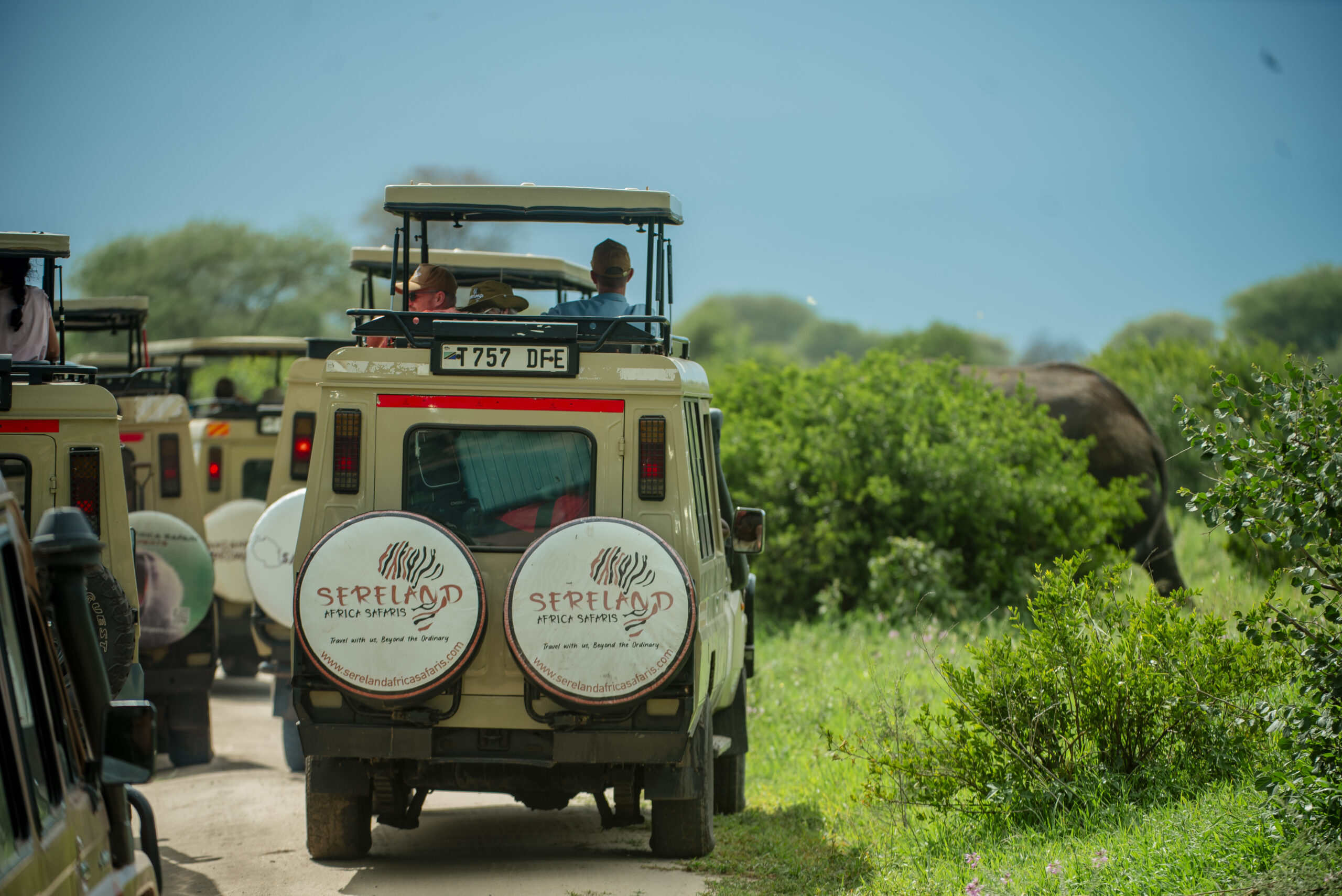
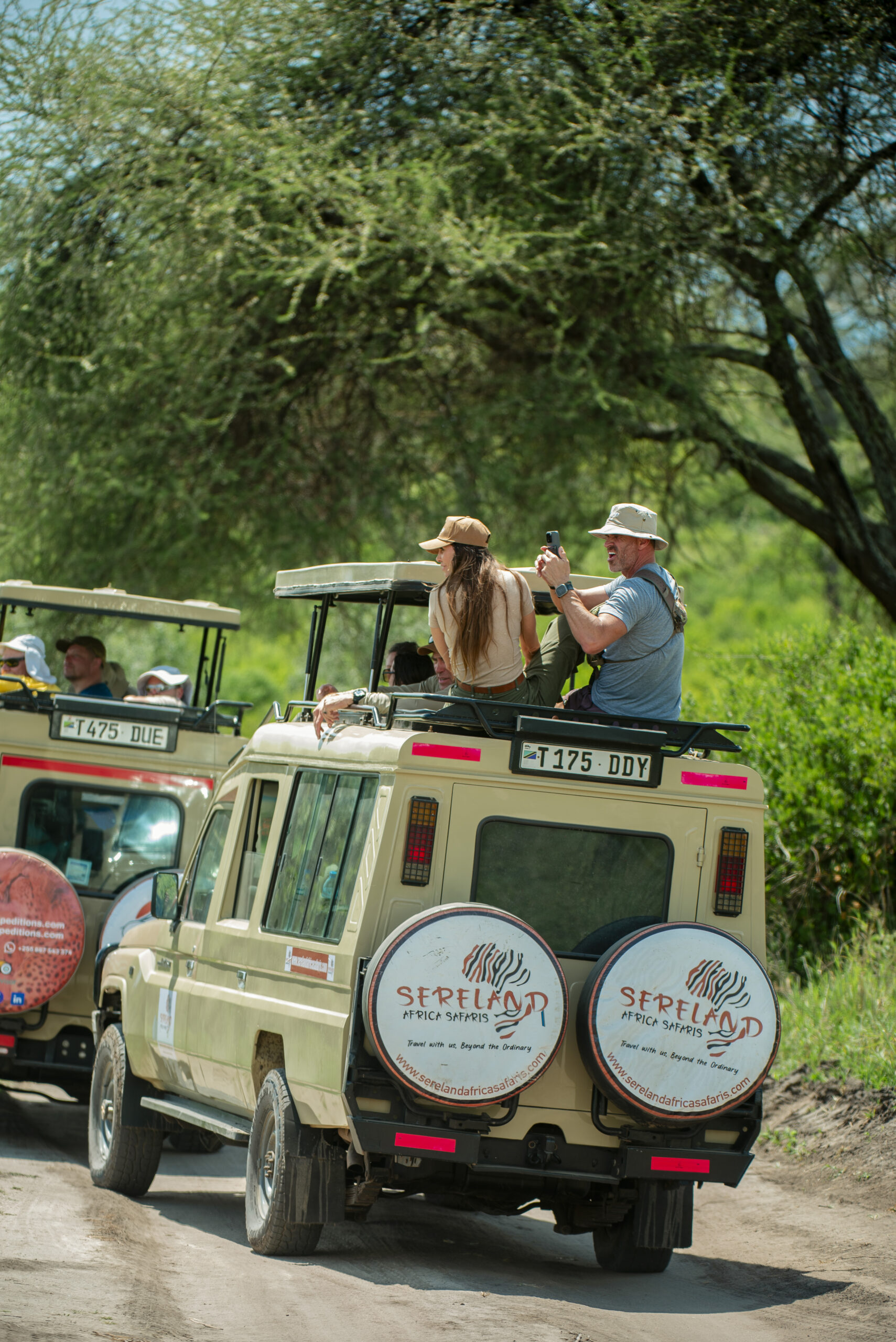
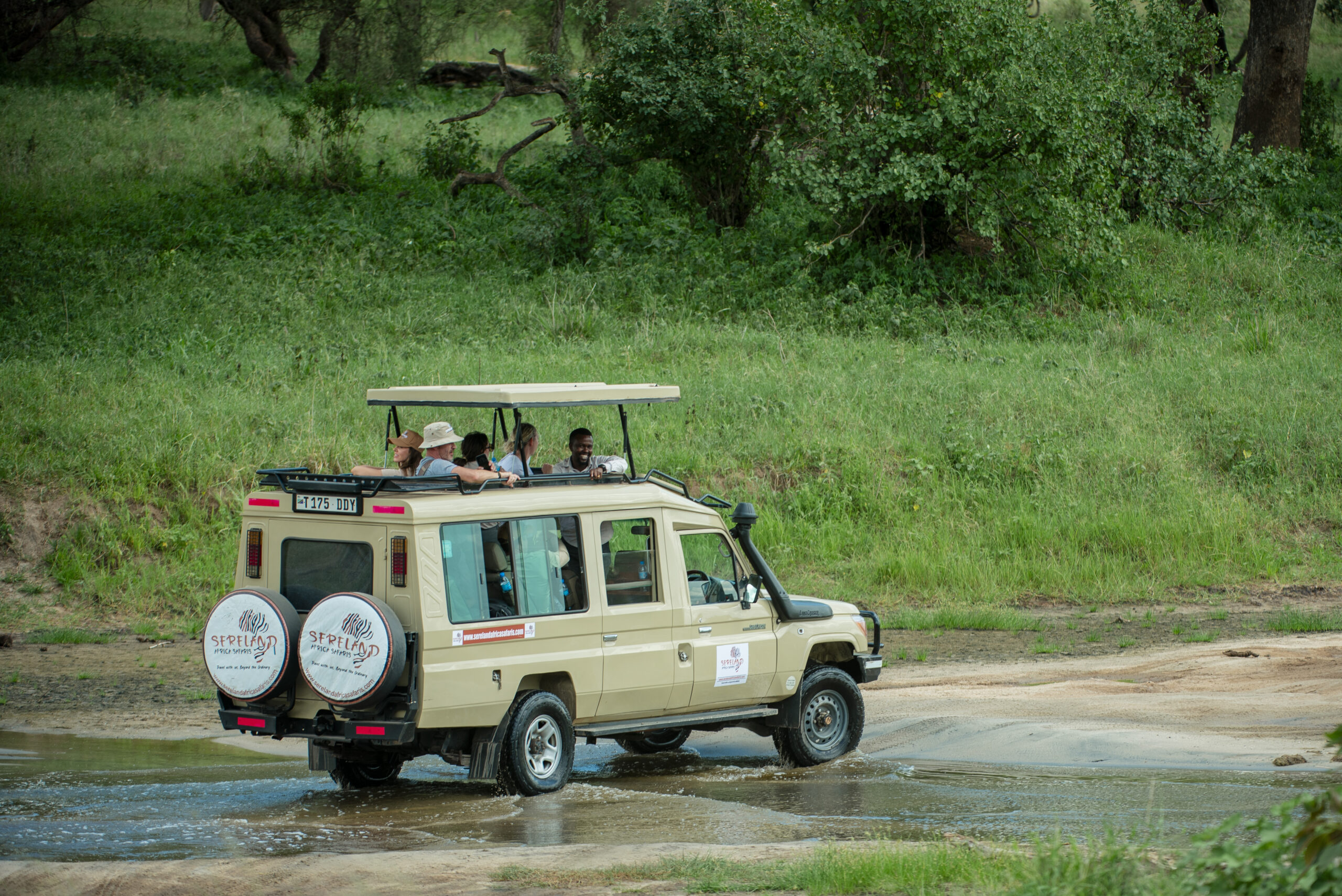
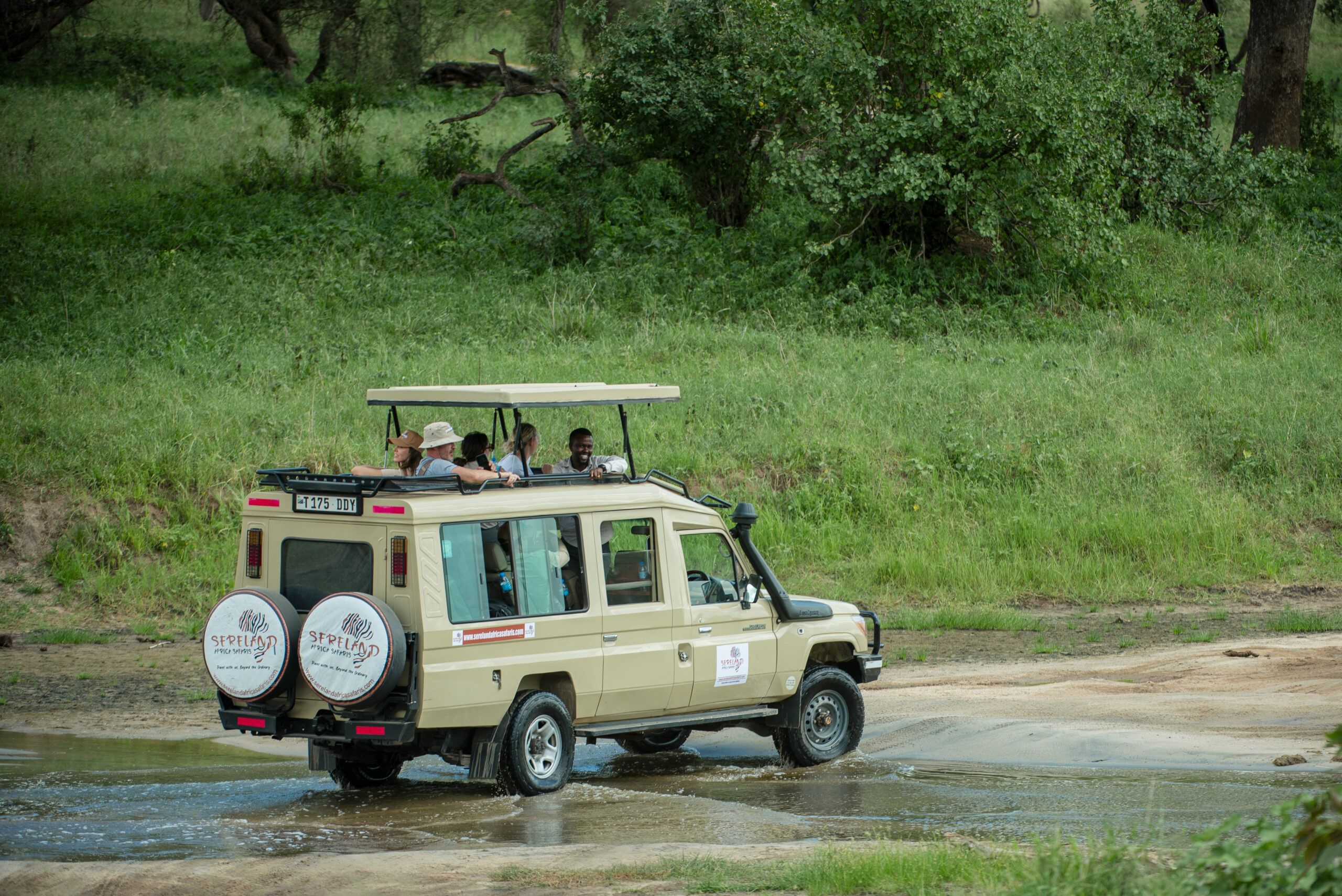
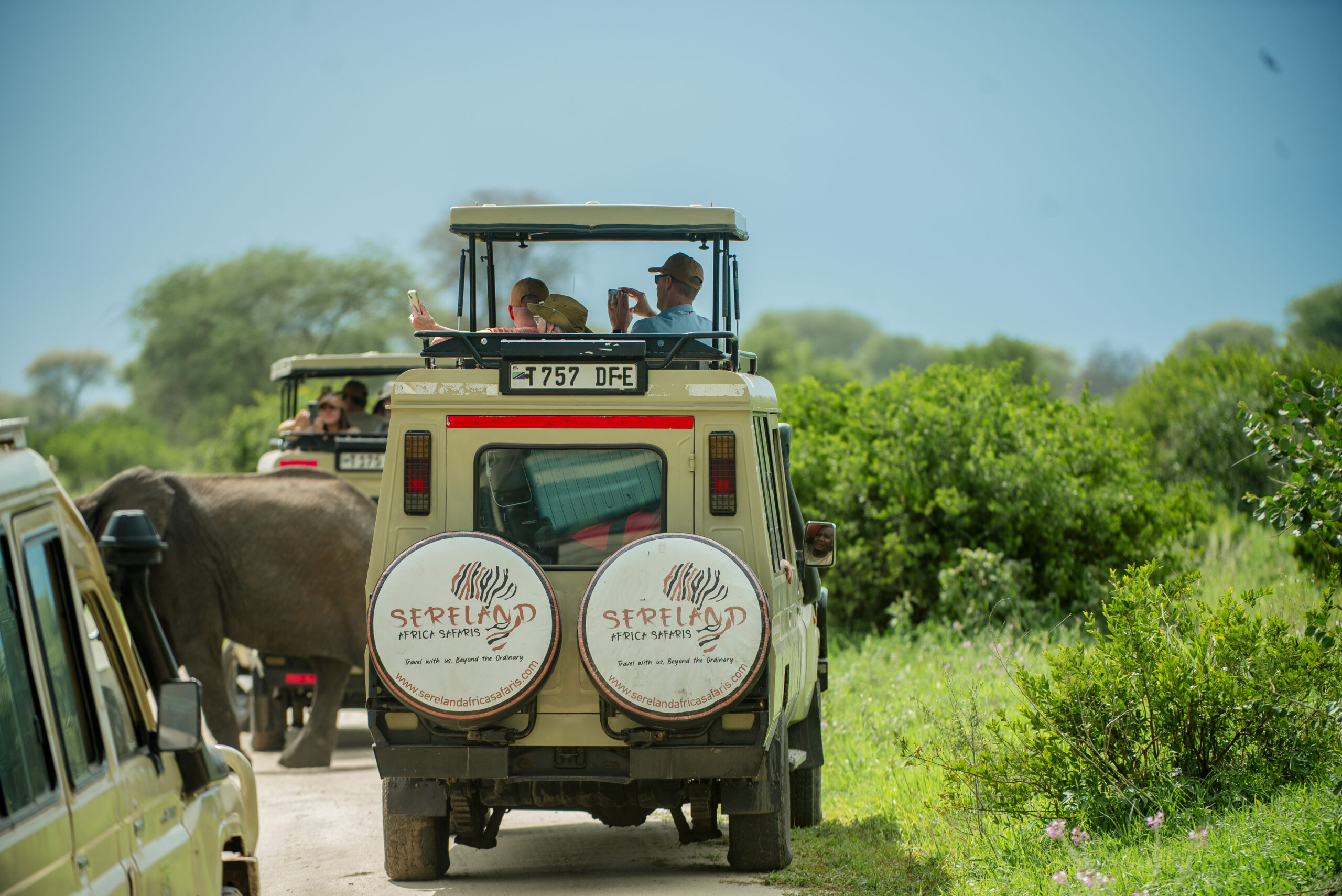
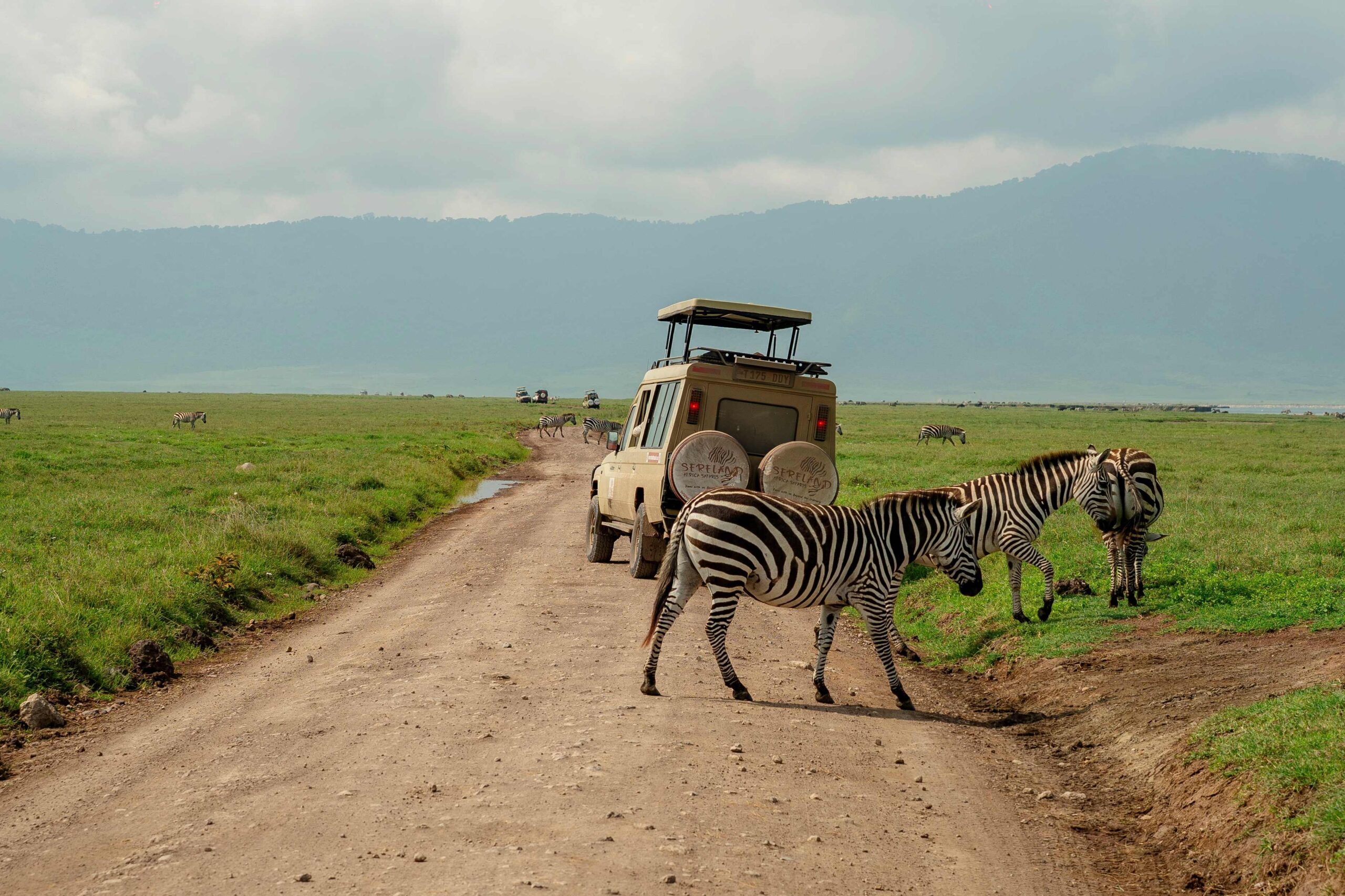
We use specially equipped 4×4 safari vehicles designed for Tanzania’s terrain and wildlife viewing. Our vehicles provide comfortable seating, large windows, and pop-up roofs for excellent views and photography.
5. What Happens If We Break Down?
Your safety and comfort are our priority. Our vehicles are regularly maintained, and our safari teams are prepared to handle common mechanical issues. In the unlikely event of a serious breakdown, we will arrange assistance or a replacement vehicle as quickly as possible to minimize disruption to your safari.
6. Is My Card Payment Secure?
Yes. We use secure payment methods to protect your transaction and personal information. Payment details are processed through secure payment systems, and we never ask you to send your full card details by email or WhatsApp.
7. What Type of Food Is Served on Safari?
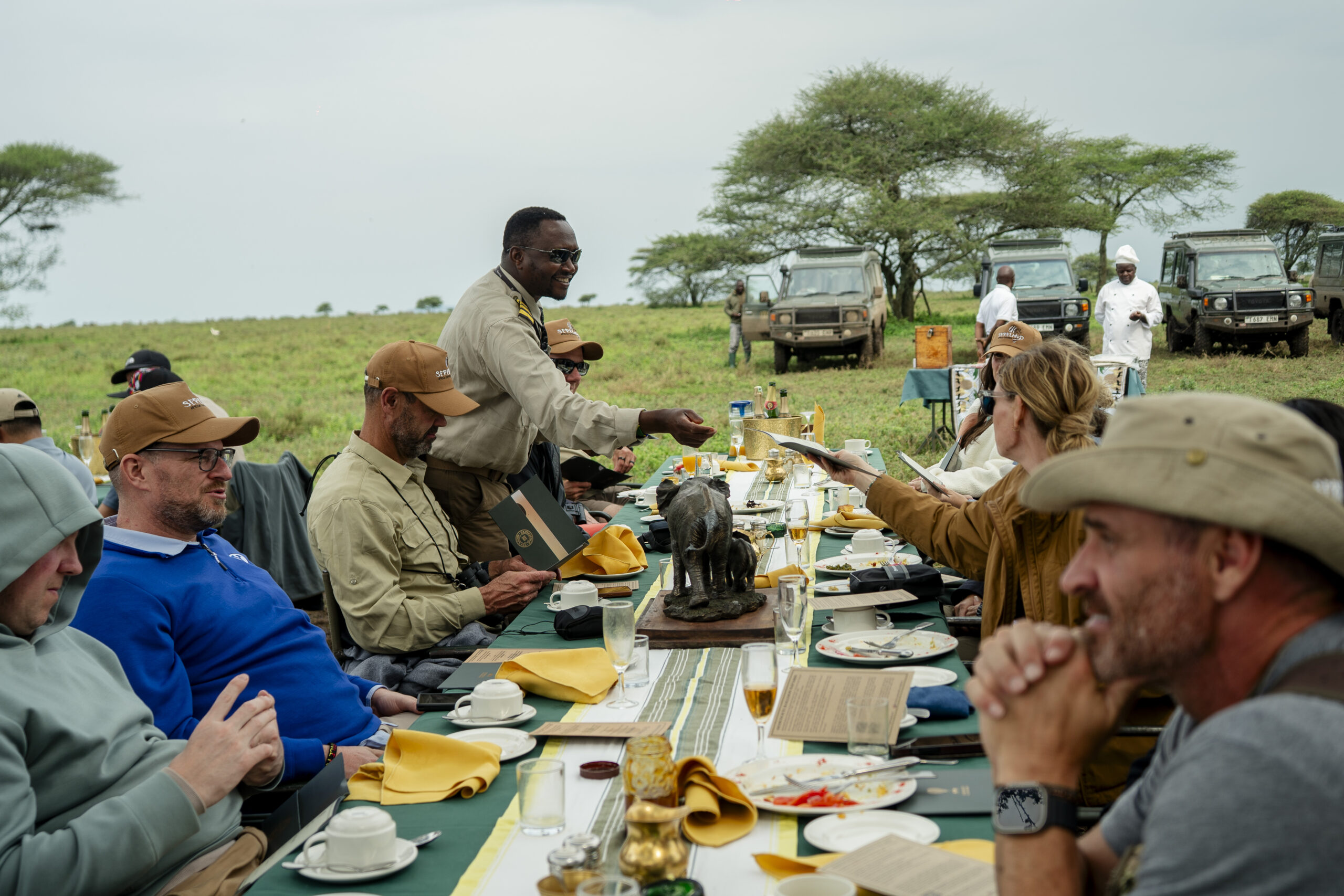
Our safari meals are prepared with a focus on freshness, quality, and variety. You can enjoy a combination of local and international cuisine, including vegetarian options. Please let us know about any dietary requirements, allergies, or special preferences when booking.
8. Is It Possible to Do a Walking Safari?
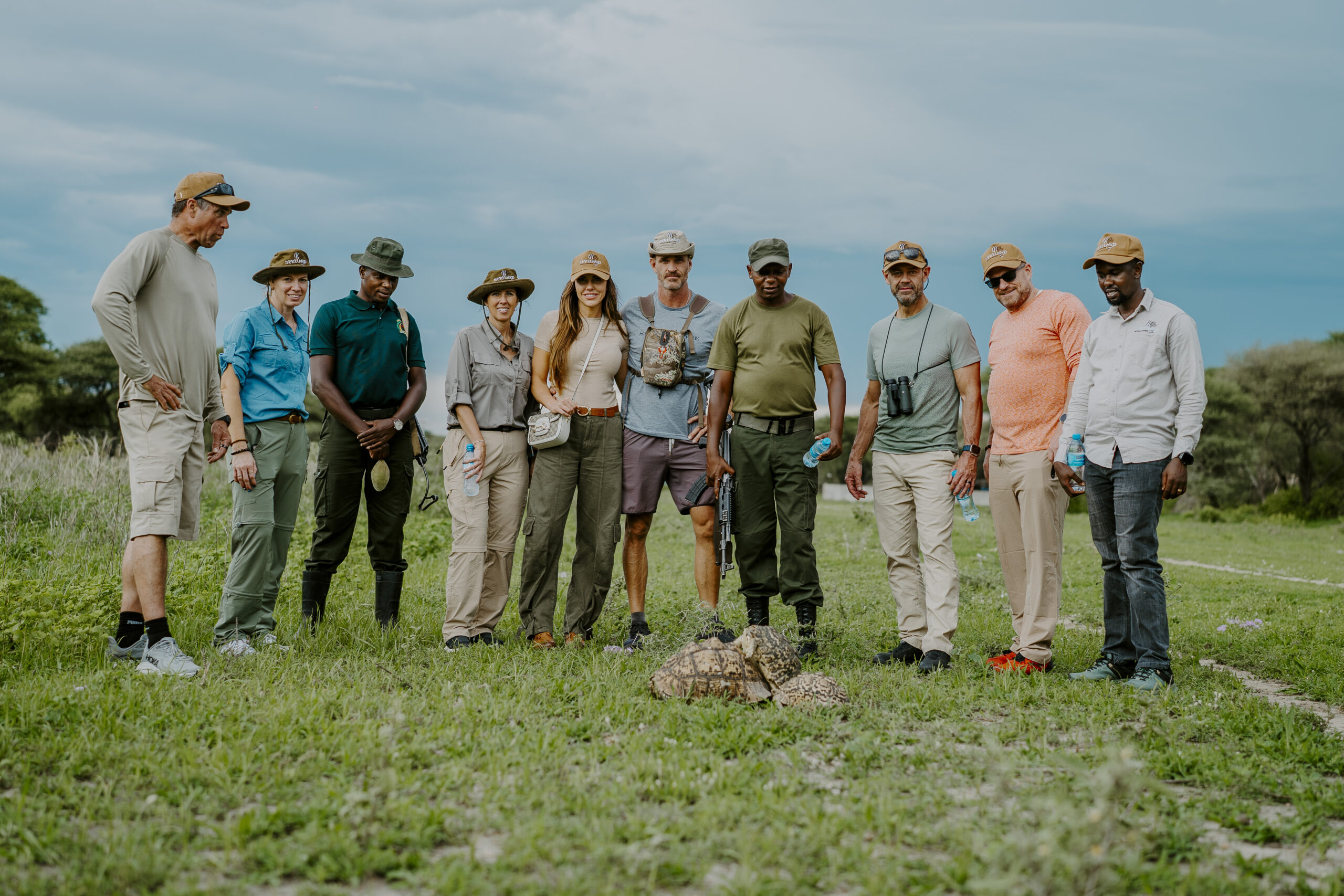
Yes. Walking safaris are available in selected areas of Tanzania and offer a completely different way to experience the wilderness. Depending on the location, walks are conducted with a qualified armed ranger or walking safari guide.
9. What Currency Should I Bring?
The official currency is the Tanzanian Shilling (TZS). However, US Dollars (USD) are widely accepted in tourist areas. We recommend carrying some small USD notes for tips, local purchases, and other personal expenses. Credit and debit cards are also accepted at many hotels and lodges.
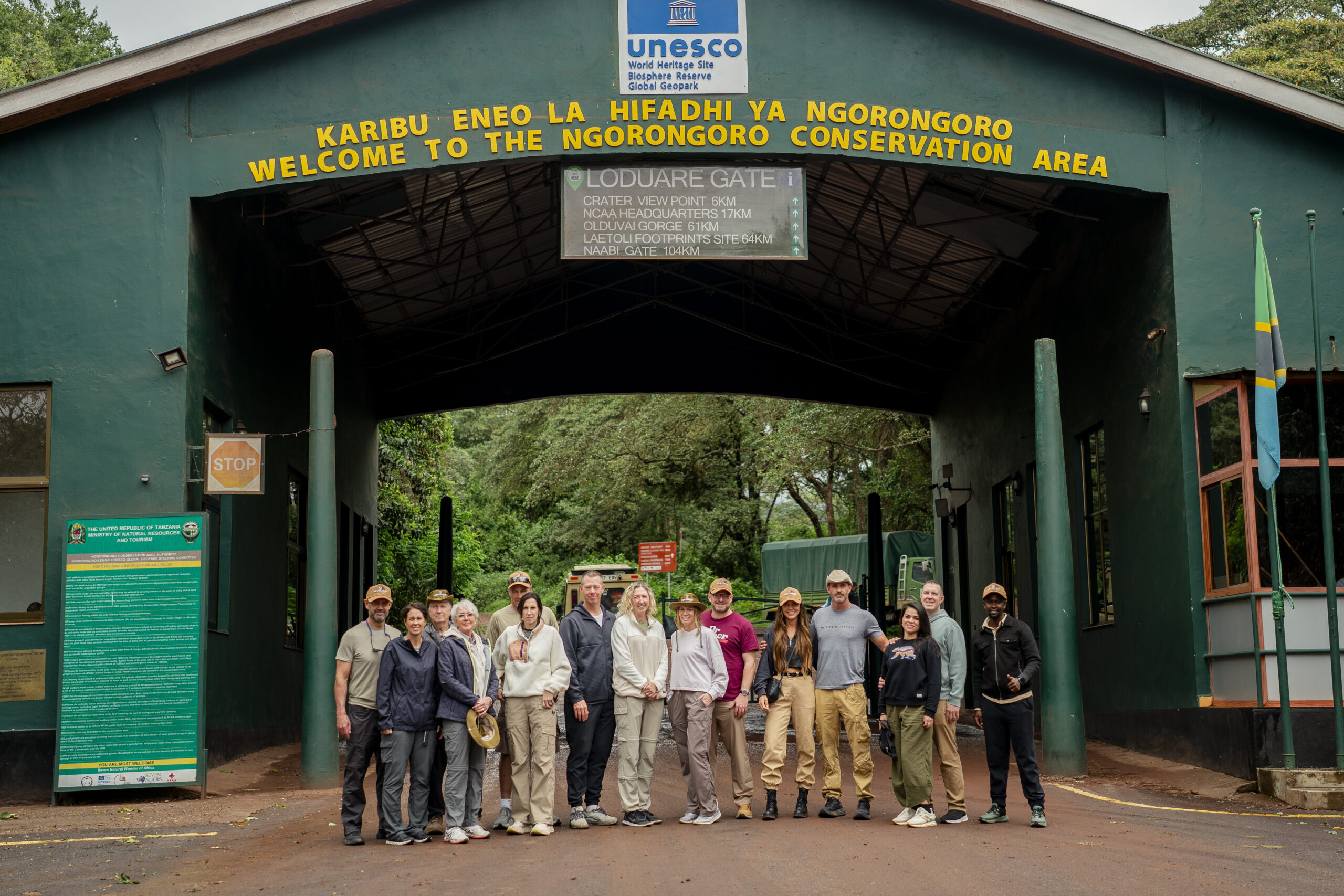
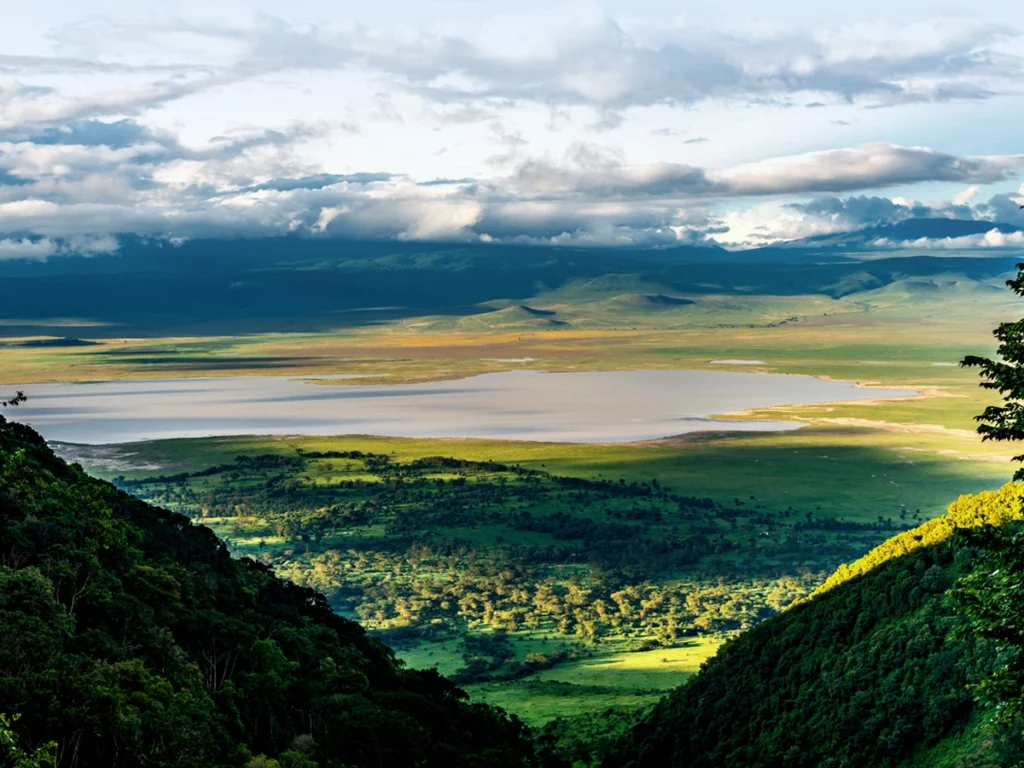
10. Is It Better to Stay Inside or Outside the Ngorongoro Conservation Area?
Both options have advantages. Staying inside the Ngorongoro Conservation Area allows you to access the crater early and spend more time exploring the area. Staying outside can offer more accommodation choices and different landscapes and experiences. We can recommend the best option based on your itinerary, budget, and travel preferences.
11. Is It Possible to Do a Night Game Drive?
Yes, but night game drives are only permitted in certain areas Lake Manyara and Tarangire National Park and under specific park or conservation regulations. They are not allowed in every national park. Where permitted, a night drive offers a unique opportunity to experience nocturnal wildlife.
12. What Is the Weather Like in Tanzania?
Tanzania generally enjoys a warm tropical climate, although weather varies by region and altitude. The northern safari circuit is usually warm during the day and cooler in the evenings, while the coast and Zanzibar are generally warmer and more humid. Mountain areas such as Kilimanjaro can be very cold, especially at higher elevations.
13. Will There Be Access to Wi-Fi?
Wi-Fi is available at many lodges and hotels, although connectivity can be limited in remote safari areas. During game drives, you may have little or no internet access. We recommend informing family or friends that connectivity may occasionally be unavailable.
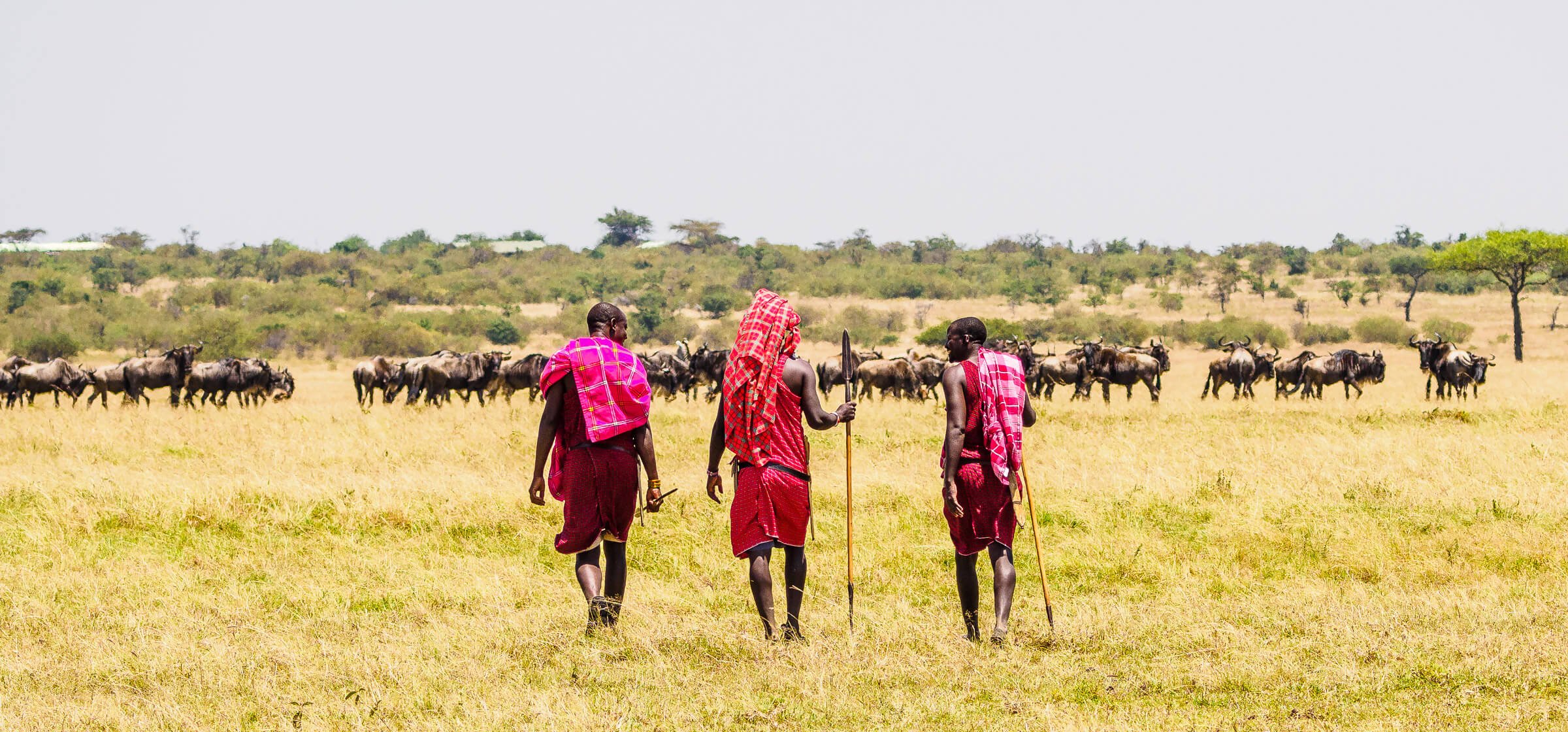
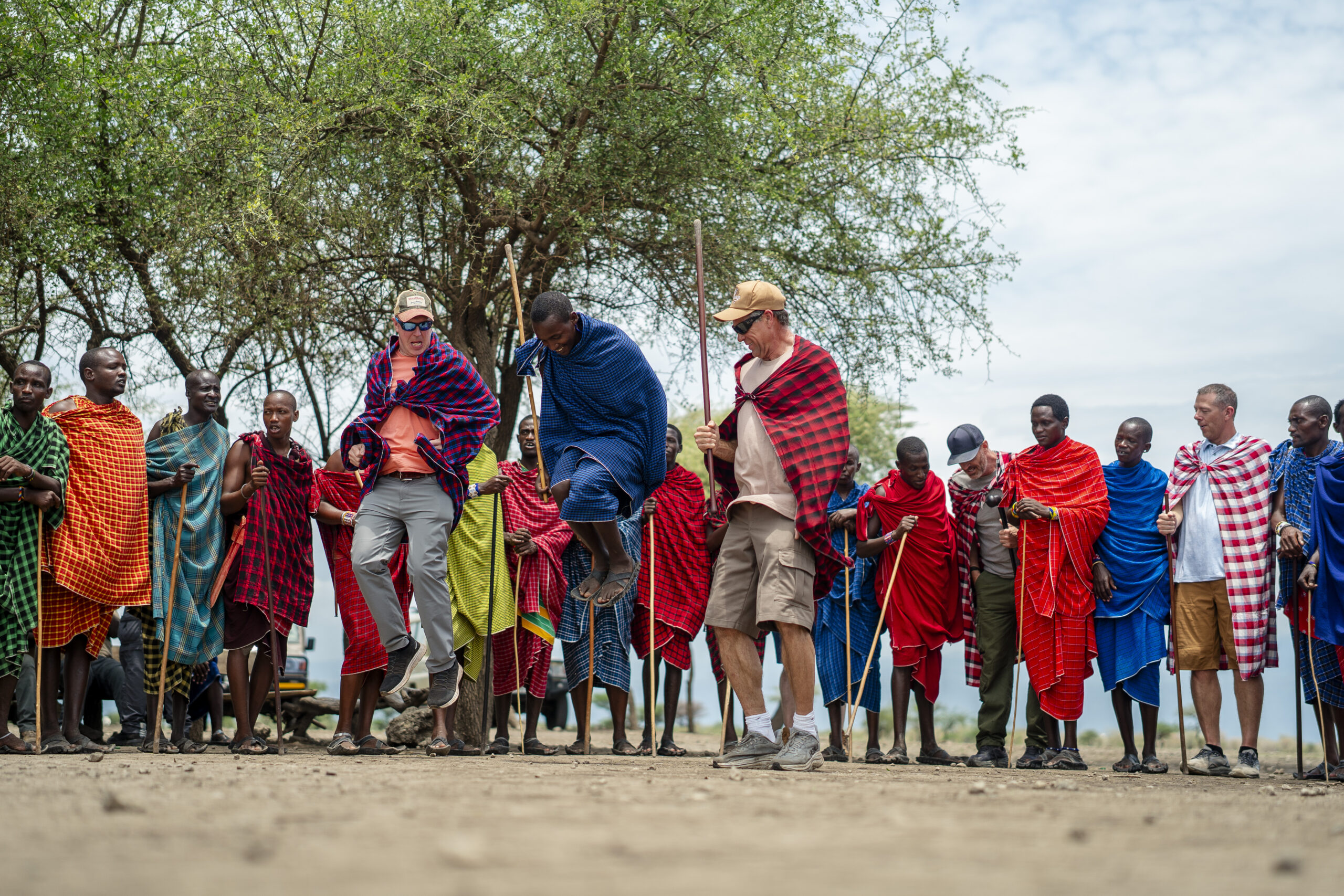
14. Can I Visit a Maasai Village?
Yes. A visit to a Maasai community can be included in your itinerary where appropriate. It provides an opportunity to learn about Maasai traditions, culture, lifestyle, and daily activities. We aim to promote respectful and responsible cultural tourism.
15. What Should I Pack for My Tanzania Safari?
We recommend packing light, comfortable clothing suitable for warm days and cooler evenings. Essentials include:
- Lightweight, breathable clothing
- Warm layers or a fleece for early mornings and evenings
- Sun hat and sunglasses
- Sunscreen
- Insect repellent
- Comfortable walking shoes
- Personal toiletries
- Camera and extra batteries/memory cards
- Power bank
- Passport and travel documents
16. Should I Bring a First Aid Kit?
Yes. We recommend carrying a small personal first-aid kit containing basic items such as plasters, antiseptic wipes, personal medication, and any medication you regularly use. Our safari vehicles also carry appropriate emergency and first-aid supplies.
17. Is Sereland Africa Safaris a Member of TATO?
If Sereland Africa Safaris is a TATO member, this FAQ should state the membership clearly and ideally include the current TATO membership information/badge. If the company is not currently a member, don’t claim membership on the website.
18. What Shoes Should I Bring on Safari?
Comfortable, lightweight, closed-toe shoes are ideal for most safari activities. If you plan to take a walking safari or combine your safari with Mount Kilimanjaro, you will need appropriate hiking or trekking footwear. We recommend choosing comfortable shoes that you have already worn before your trip.