Travelling to Africa with Kids: The Ultimate Family Safari Guide
Travelling to Africa with kids is more than a holiday. It is an opportunity to introduce your children to a world of wildlife, nature, culture, adventure, and unforgettable family moments.
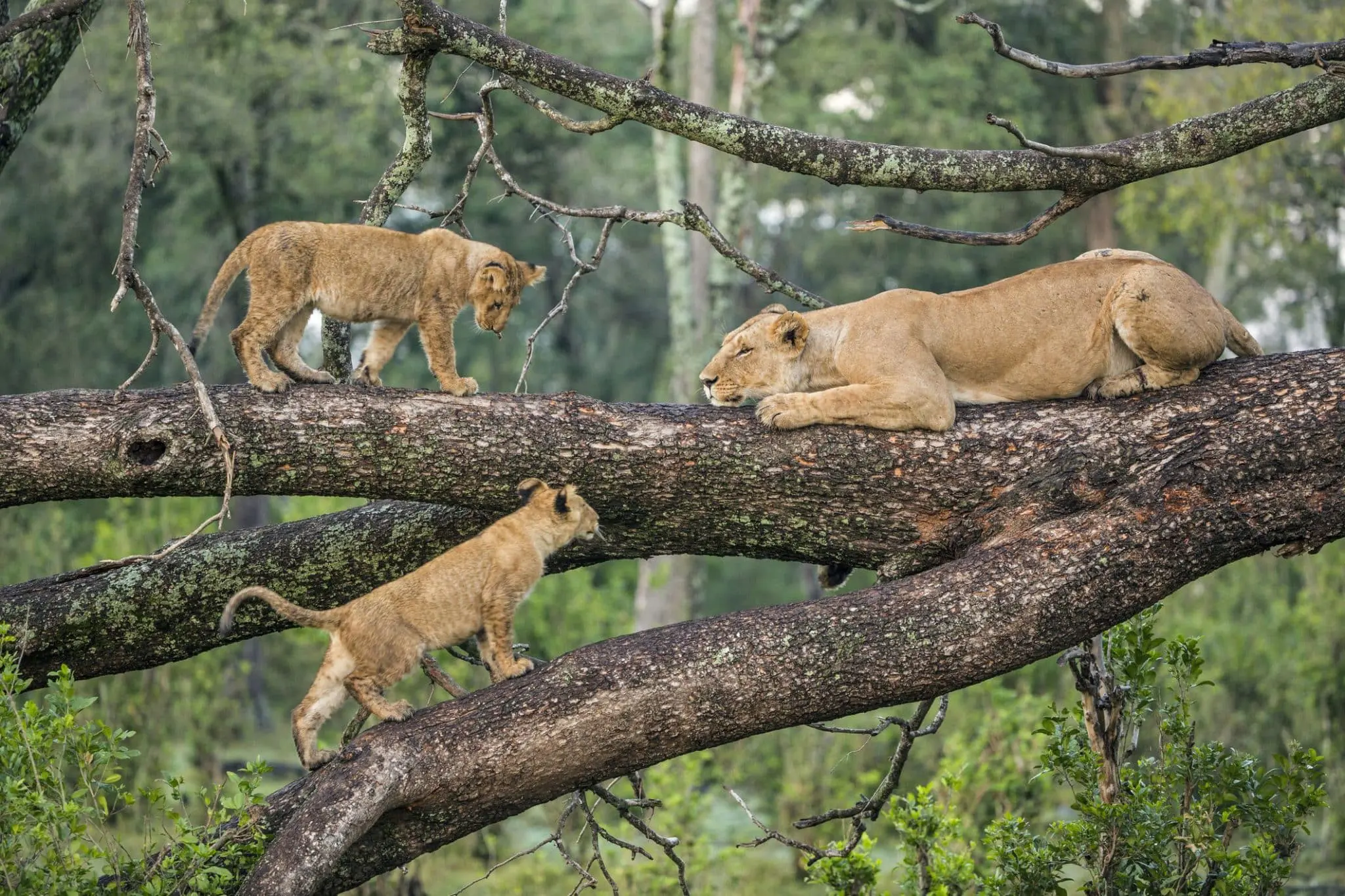
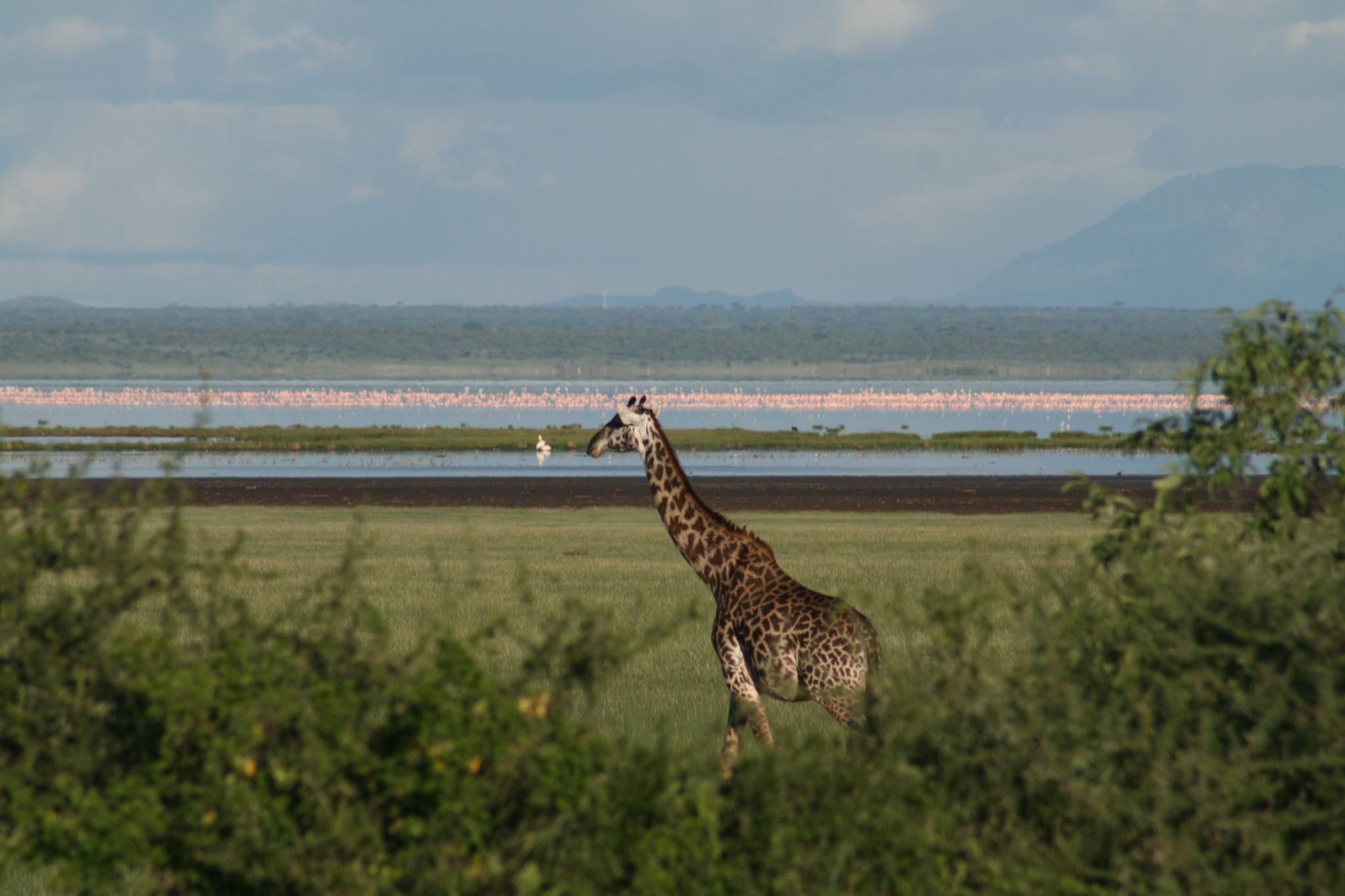
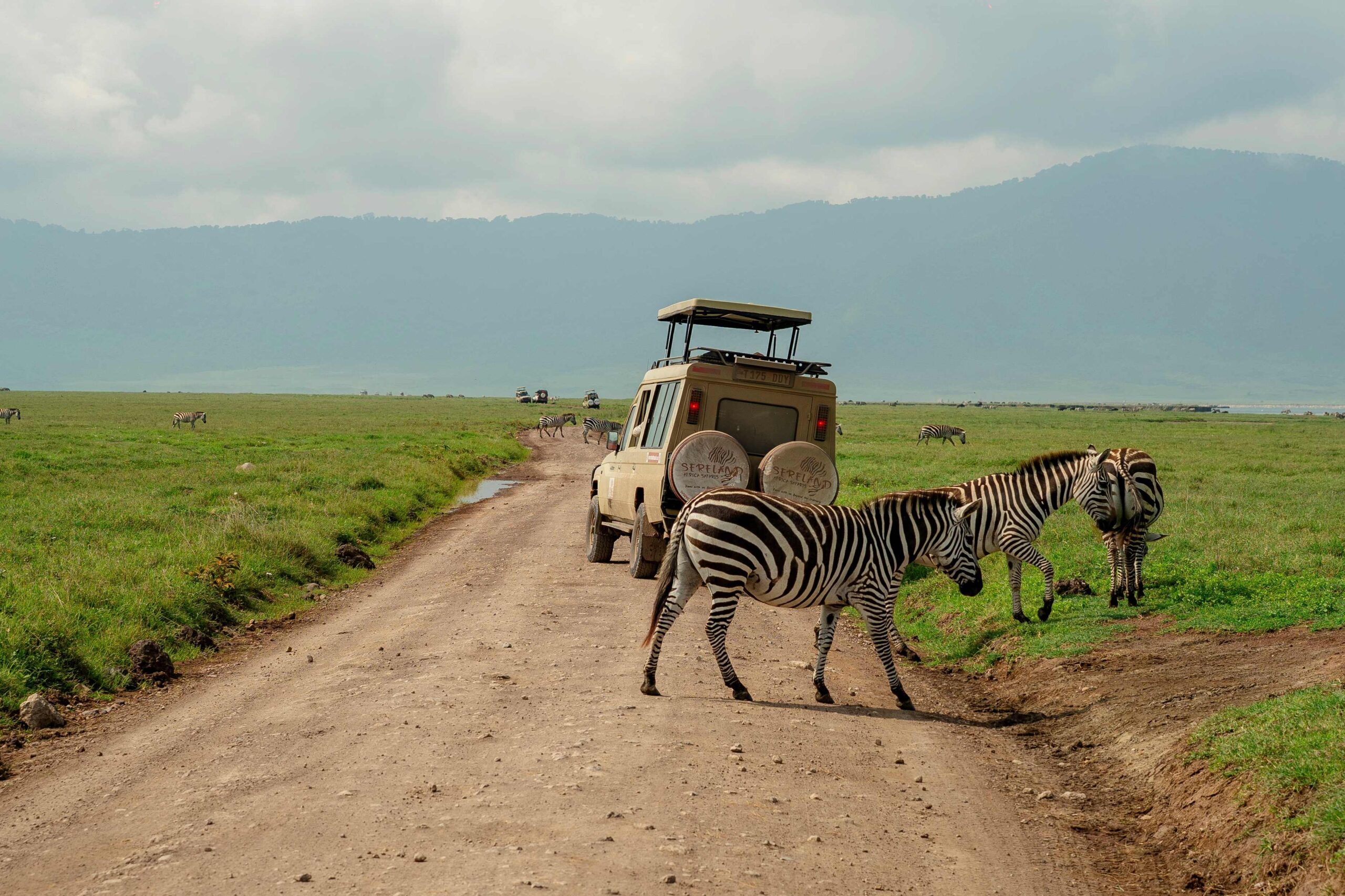
Imagine your child seeing a wild elephant for the first time, watching a lion resting beneath an acacia tree, spotting giraffes crossing the savannah, or standing on the edge of the Ngorongoro Crater and realizing that the world is much bigger than they imagined.
Africa can create those moments.
But travelling to Africa with children requires thoughtful planning. A safari designed for two adults may not necessarily work well for a family with a four-year-old, an eight-year-old, or teenagers.
The best family safari is not the one that visits the most destinations.
It is the one where everyone enjoys the journey.
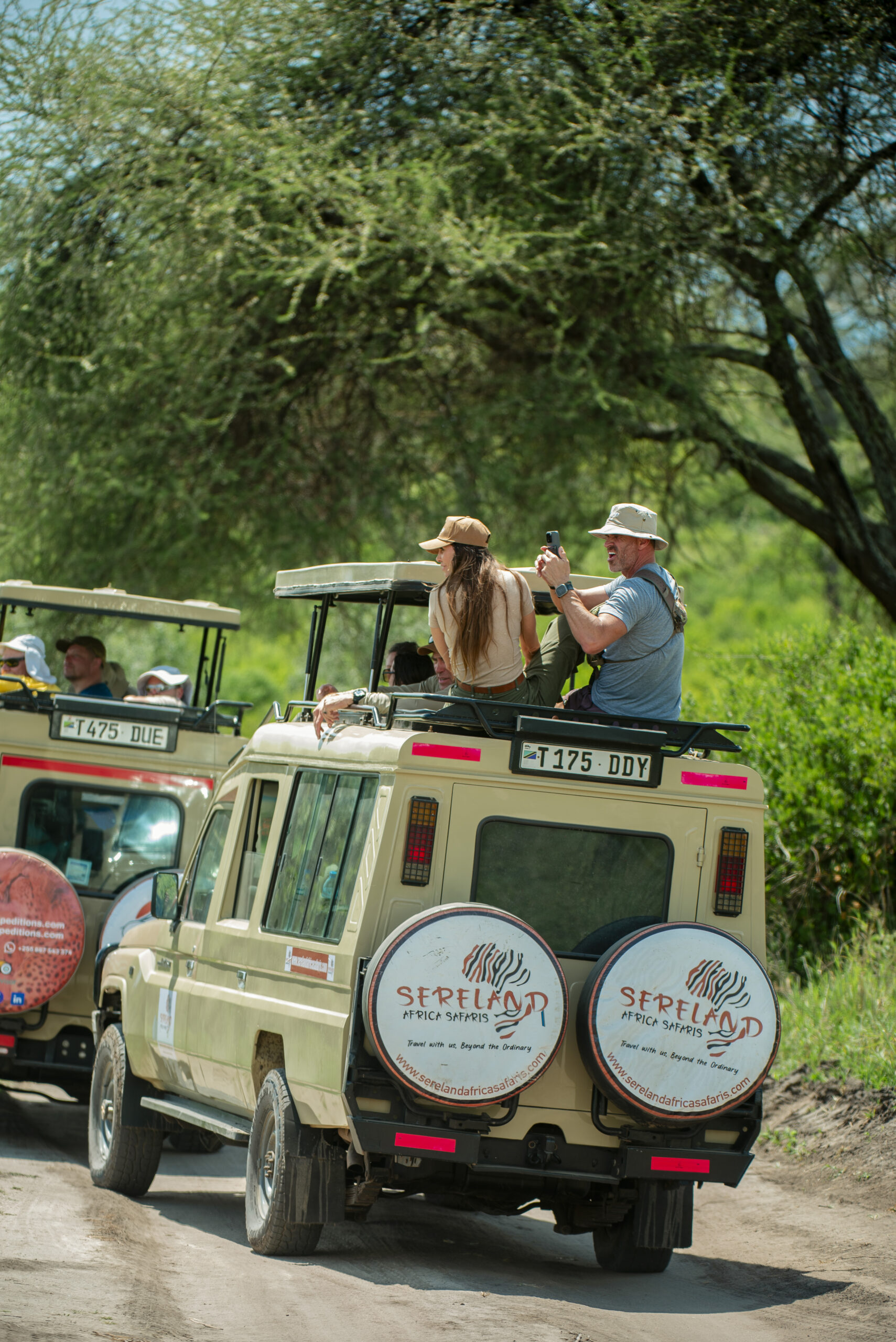
At Sereland Africa Safaris, we believe that family travel should be comfortable, flexible, educational, and exciting for both parents and children.
This guide explains everything you need to know about travelling to Africa with kids, with a special focus on Tanzania family safaris, wildlife, culture, Zanzibar, safety, accommodation, activities, and planning the perfect family adventure.
Is Africa a Good Destination for Families With Kids?
Absolutely.
Africa offers experiences that naturally capture children’s imagination.
Unlike a conventional beach holiday where children may spend much of their time in a resort, an African safari allows them to learn while travelling.
They can discover:
- How elephants communicate
- Why lions live in prides
- How giraffes survive in the wild
- Why zebras migrate
- How predators hunt
- How ecosystems work
- Why conservation matters
- How local communities live alongside wildlife
Tanzania is particularly attractive for family travel because it combines exceptional wildlife with cultural experiences and the possibility of ending a safari with relaxing beach time in Zanzibar.
However, the experience needs to be designed around your family’s needs.
Recent family-safari guidance consistently emphasizes the importance of matching the itinerary to children’s ages, attention spans, driving tolerance and interests rather than simply following a standard adult itinerary.
Why Choose Tanzania for a Family Safari?
Tanzania is home to some of Africa’s most iconic destinations.
A family trip can combine several completely different experiences within one holiday.
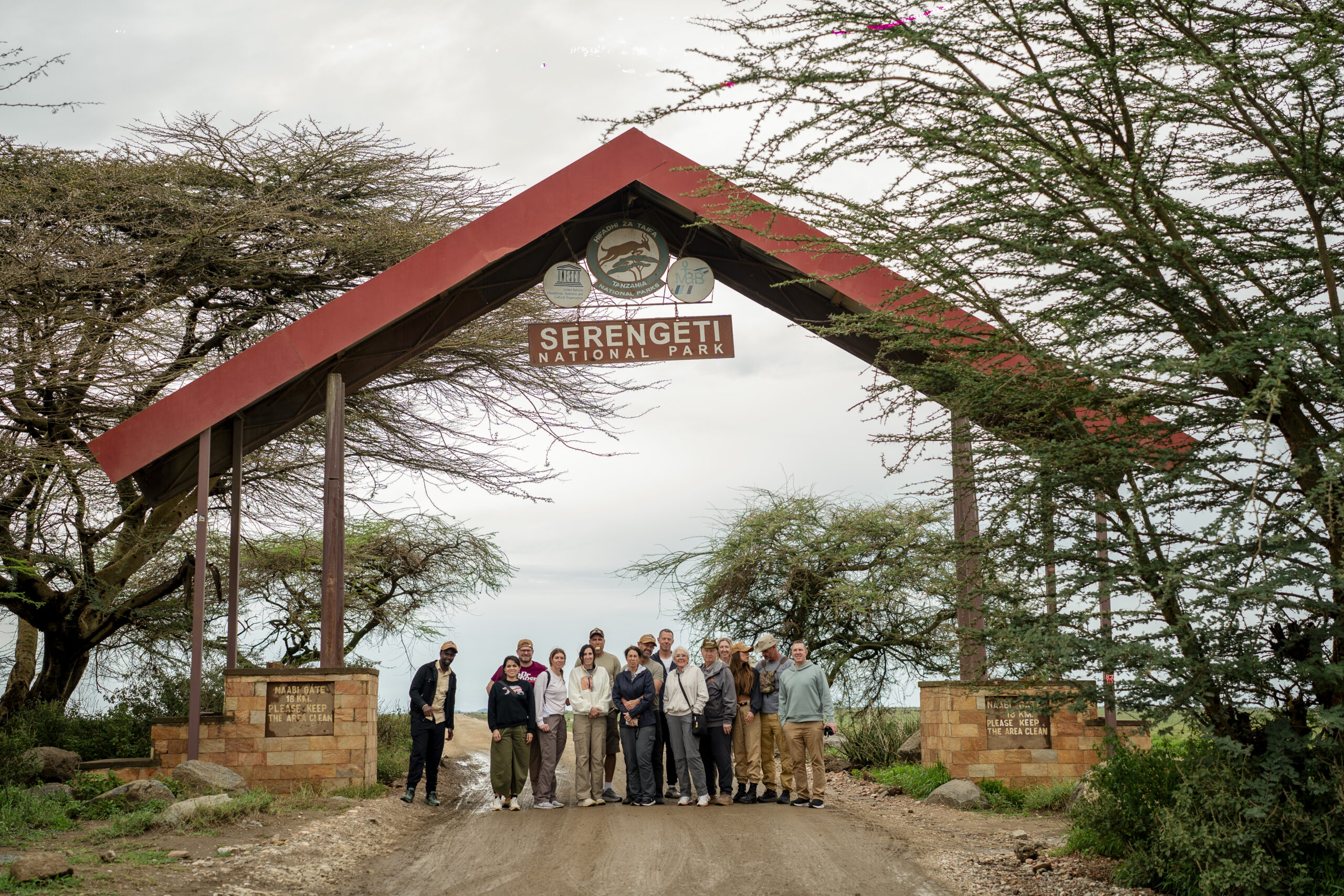
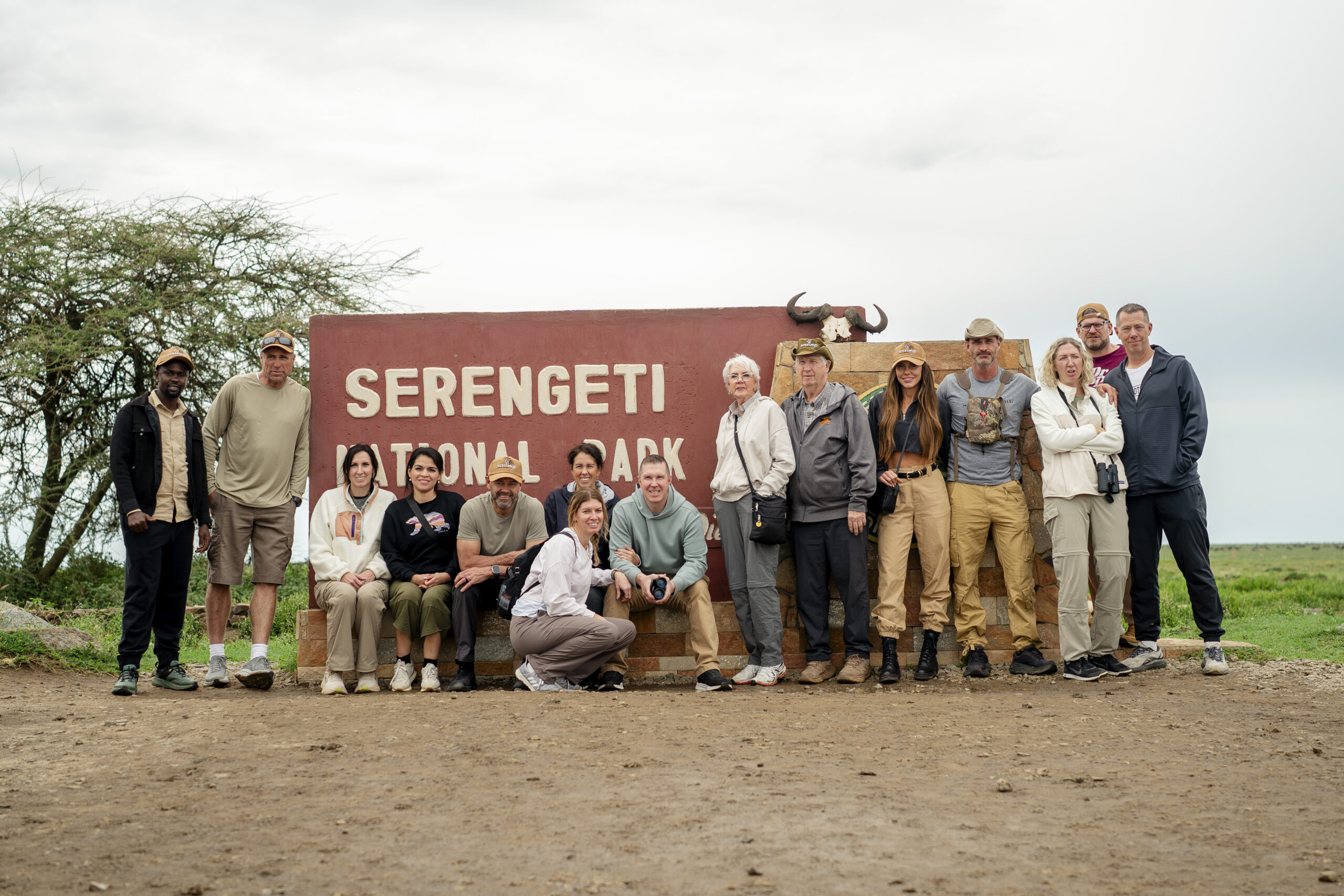
Serengeti National Park
The Serengeti is one of Africa’s most famous wildlife destinations.
Children can experience enormous open plains, elephants, giraffes, zebras, wildebeest, lions, cheetahs, leopards and many other species.
For older children and teenagers, the Serengeti can also become an outdoor classroom where they learn about ecosystems, predator-prey relationships and the Great Migration.
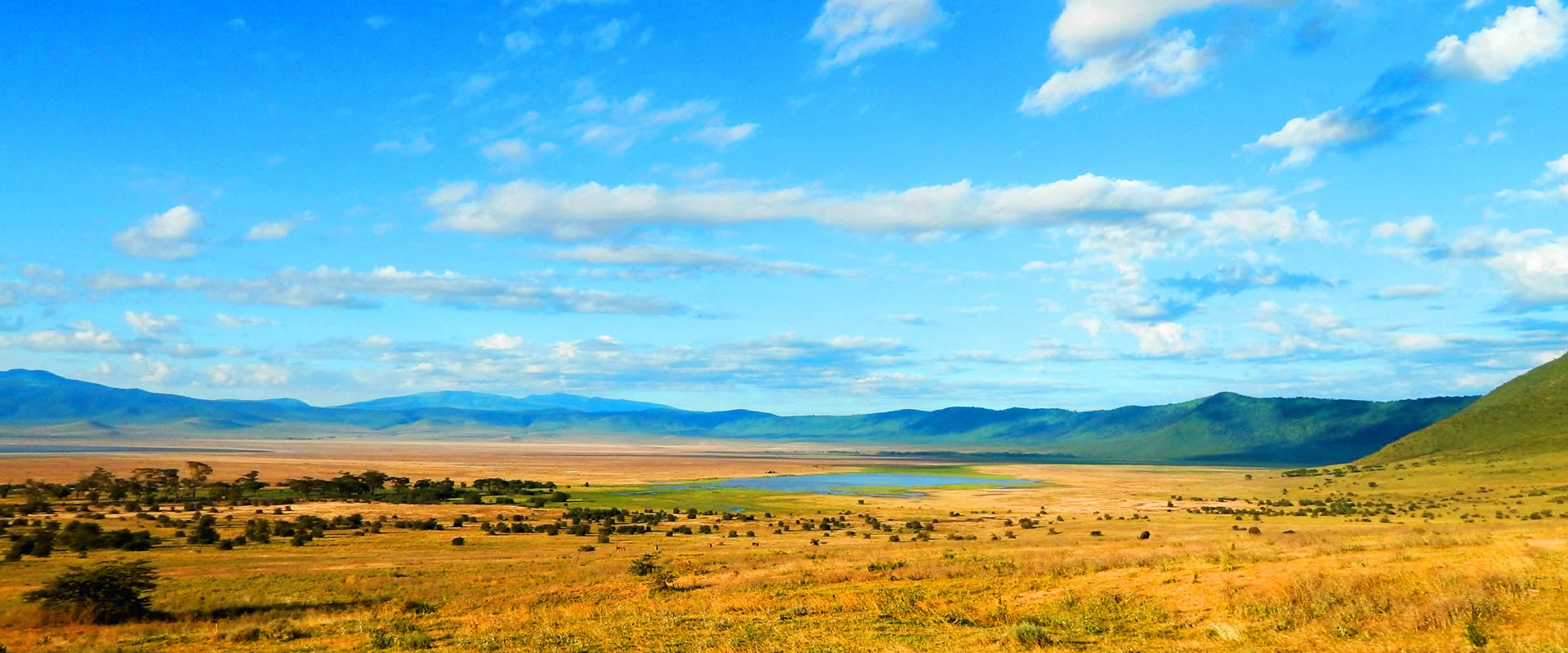
Ngorongoro Crater
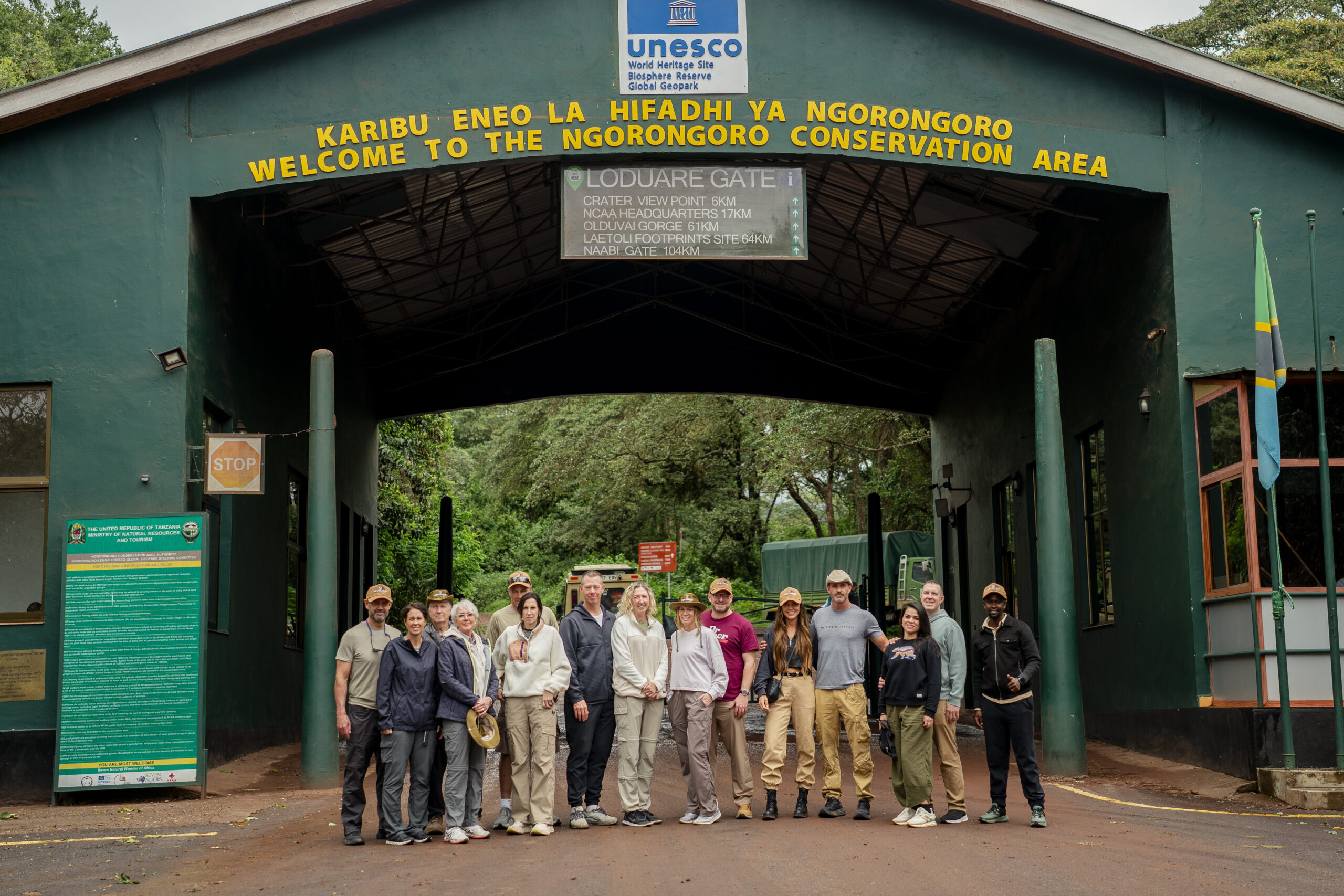
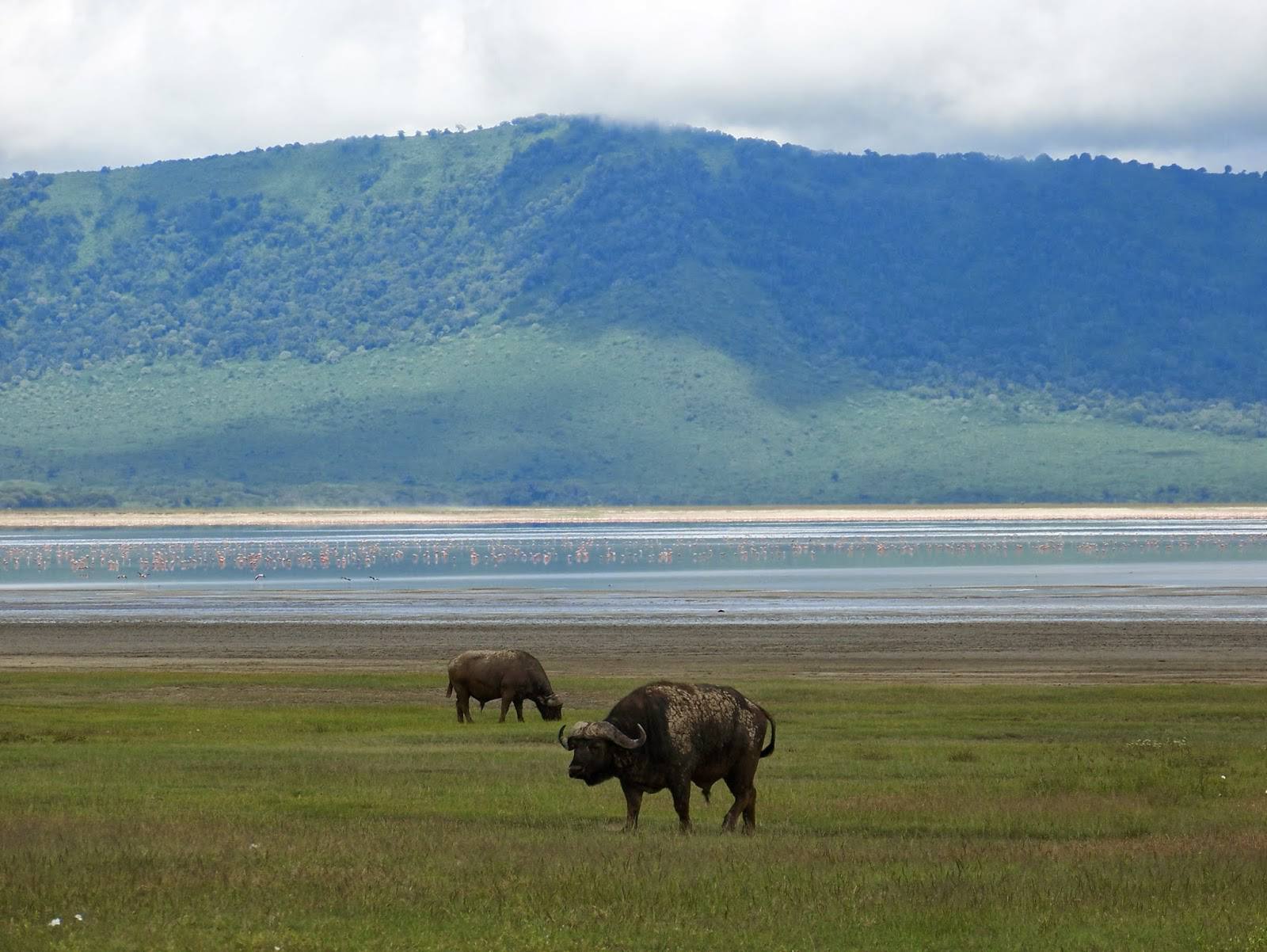
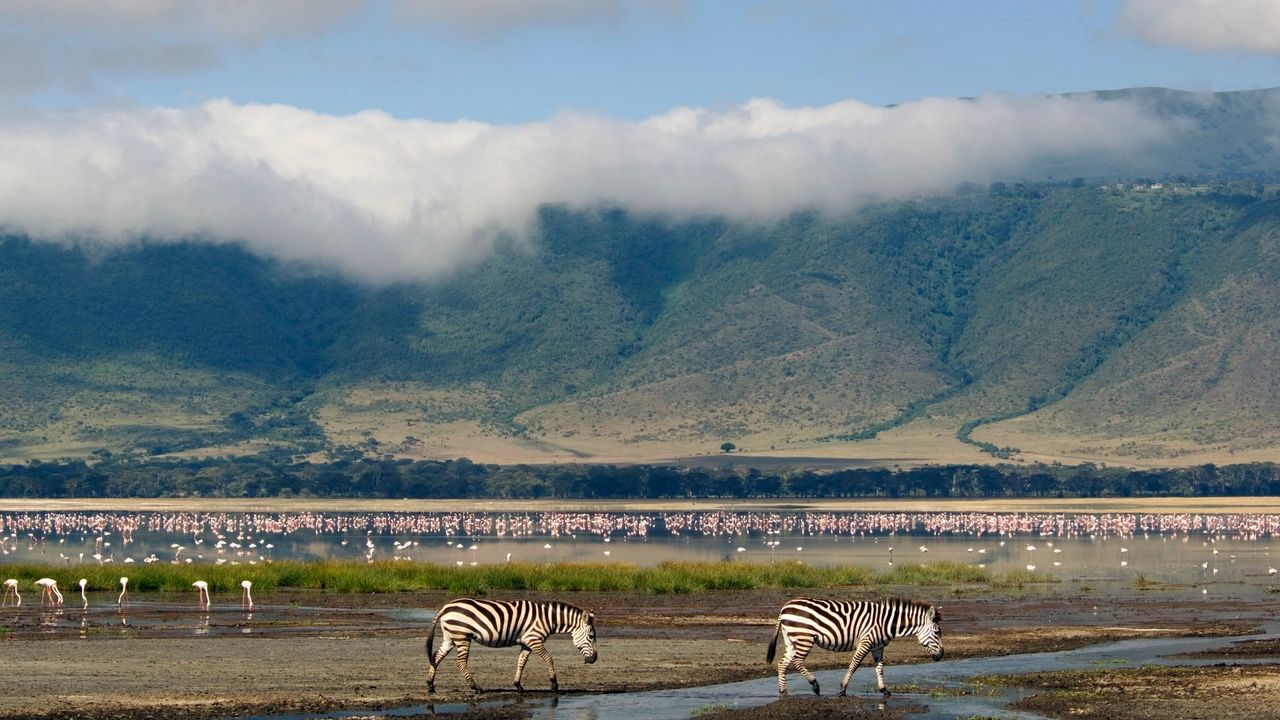
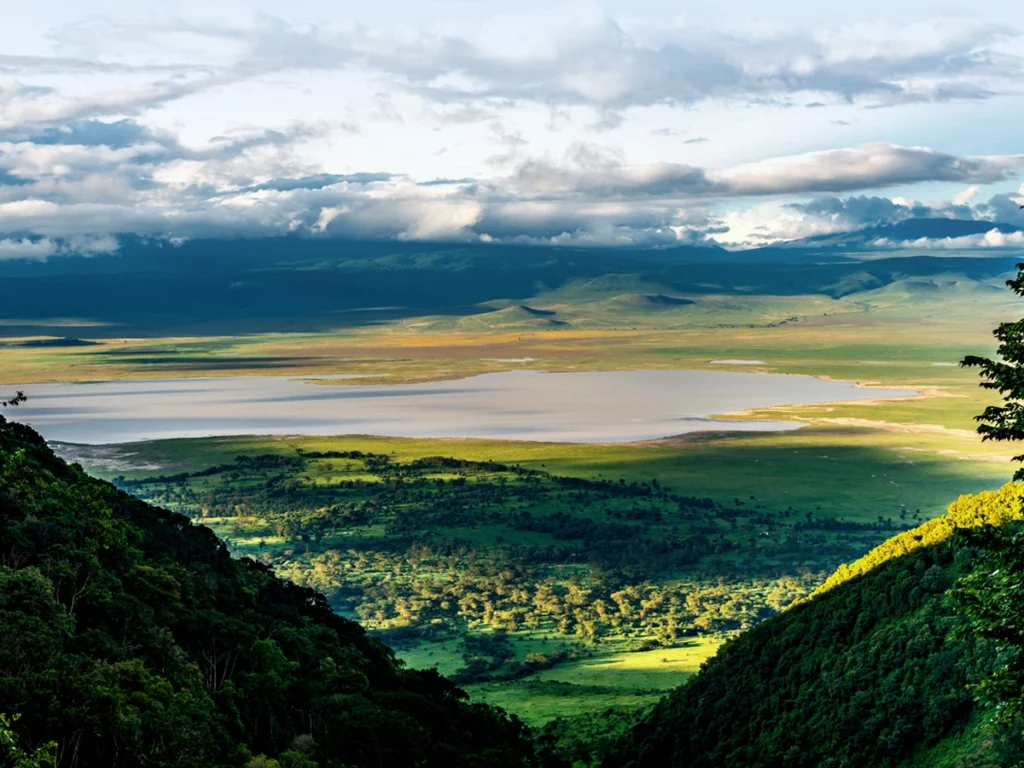
The Ngorongoro Crater offers an extraordinary concentration of wildlife within a relatively compact landscape.
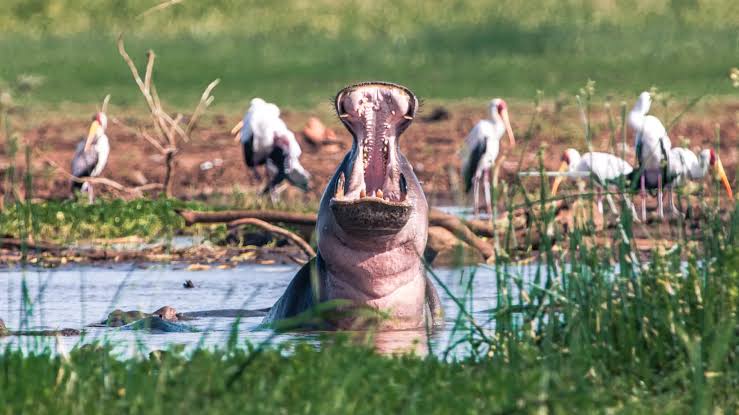
Families may encounter elephants, lions, buffalo, hippos and, with luck, the endangered black rhino.
The dramatic crater landscape itself can be as impressive as the wildlife.
Tarangire National Park
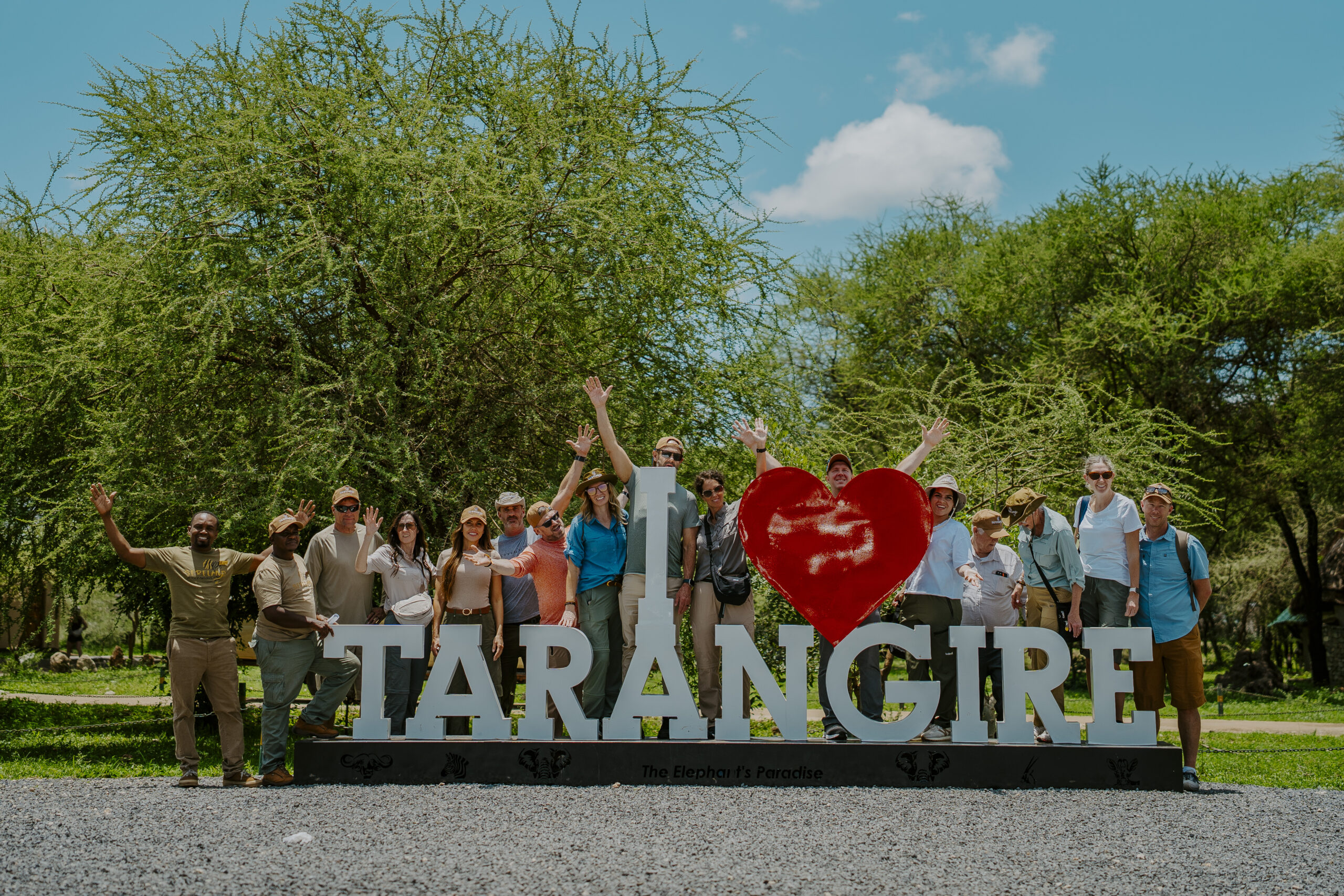
Tarangire is particularly appealing for families because of its elephants, baobab trees and varied landscapes.
The park can also work well when parents want shorter and more flexible game drives rather than spending every day on extremely long drives.
Zanzibar
After several days of wildlife adventures, Zanzibar can provide the perfect opportunity to slow down.
Children can enjoy:
- Swimming
- Beach walks
- Snorkelling
- Boat excursions
- Sandcastles
- Exploring Stone Town
- Learning about Zanzibar’s history and culture
A safari followed by several days on the beach creates a balanced family holiday: adventure first, relaxation afterwards.
What Age Is Best for a Safari in Africa?
There is no single perfect age.
Every child is different.
Some children can happily sit in a safari vehicle at a young age, while others may struggle with long drives and early mornings.
A useful way to think about family safari planning is by age group.
Babies and Toddlers
Travelling with very young children is possible, but it requires additional planning.
Parents should consider:
- Nap schedules
- Feeding routines
- Shorter activities
- Flexible driving times
- Accommodation facilities
- Private vehicles
- Easy access to bathrooms
- Family-friendly lodges
Some safari activities and accommodation properties have their own minimum-age restrictions, so families should always confirm these before booking.
Travelling With Children Aged 5–8
This can be an exciting age for a first safari.
Children are usually old enough to understand what they are seeing but still young enough to be amazed by almost everything.
At this age, we recommend:
- Shorter game drives
- Plenty of breaks
- Interesting explanations from the guide
- Wildlife spotting games
- Family-friendly accommodation
- Swimming opportunities where available
- A flexible itinerary
Instead of spending every day from sunrise to sunset inside a vehicle, it can be better to create a rhythm of adventure, rest, food and play.
Travelling With Children Aged 9–12
This is often an excellent age for a Tanzania safari.
Children can understand more complex ideas about wildlife and conservation while still experiencing the excitement of seeing animals in the wild.
They may particularly enjoy:
- Predator sightings
- Wildlife photography
- Tracking animal footprints
- Birdwatching
- Learning animal behaviour
- Cultural visits
- Nature walks where permitted
- The Great Migration
At this age, a guide can turn the safari into an interactive learning experience rather than simply pointing at animals.
Travelling With Teenagers
Teenagers can have an extraordinary African experience.
In fact, safari can become even more interesting for teenagers because they can engage with subjects such as:
- Wildlife conservation
- Photography
- Ecology
- Local cultures
- Environmental protection
- Geography
- History
- Community tourism
A teenager who enjoys photography may spend hours photographing elephants, landscapes and birds.
Another may become fascinated by predator behaviour.
Another may become interested in conservation.
The key is to discover what interests your children and build the safari around those interests.
How to Keep Children Interested During a Safari
Parents sometimes worry:
“Won’t my children get bored?”
They can—but usually the solution is not fewer animals.
It is better safari planning.
Children often respond well when the guide makes them part of the experience.
Instead of saying:
“There is a lion.”
A good guide might ask:
“Can you spot where the lion is hiding?”
Or:
“Why do you think the zebras are standing together?”
Or:
“Can you find three different birds before we reach the next stop?”
This transforms the game drive into an adventure.
Children can become wildlife detectives.
They can search for:
- Animal footprints
- Birds
- Chameleons
- Lizards
- Elephant dung
- Giraffes
- Antelope
- Predator tracks
Sometimes the smallest discoveries become the stories children remember most.
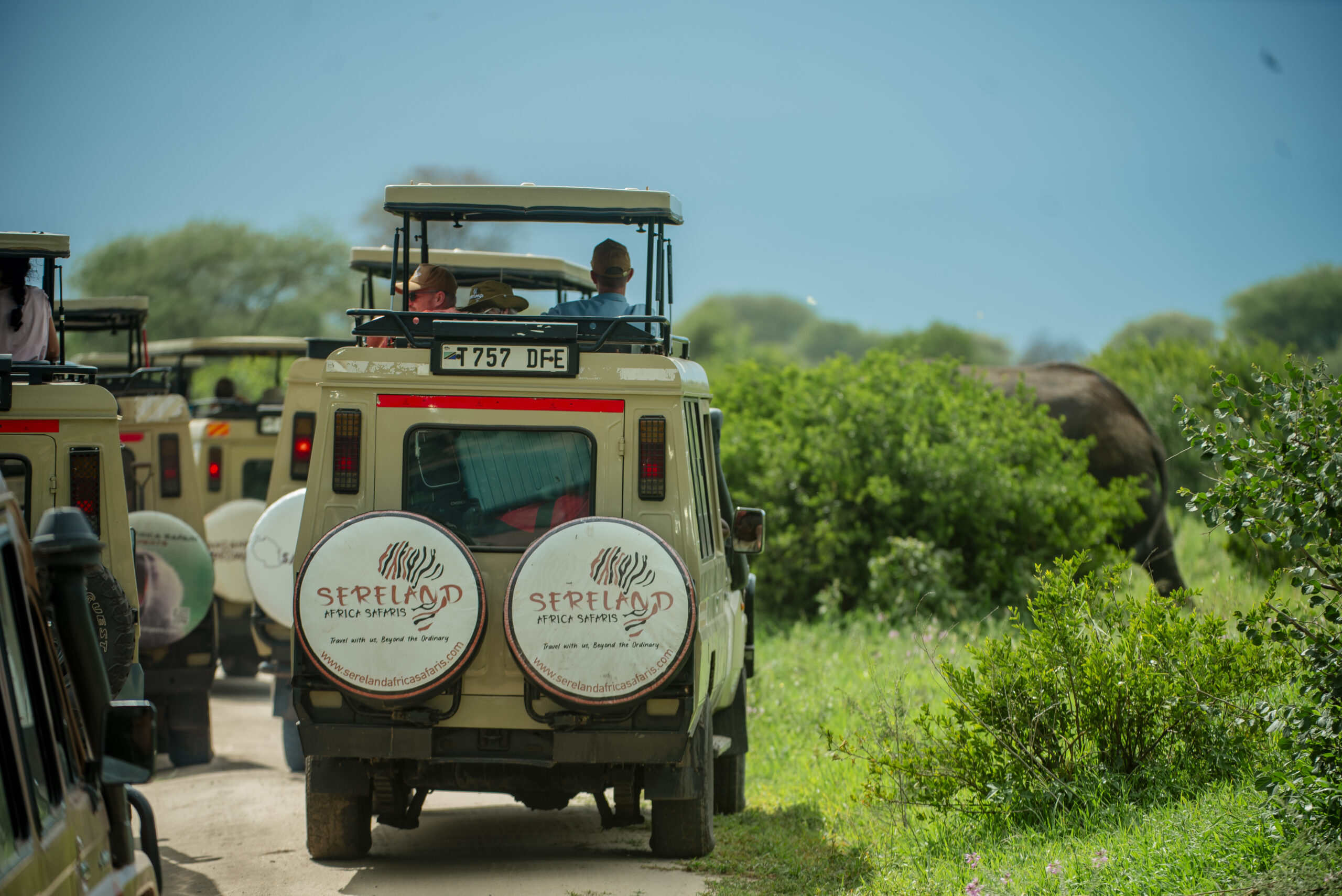
The Importance of a Private Safari Vehicle
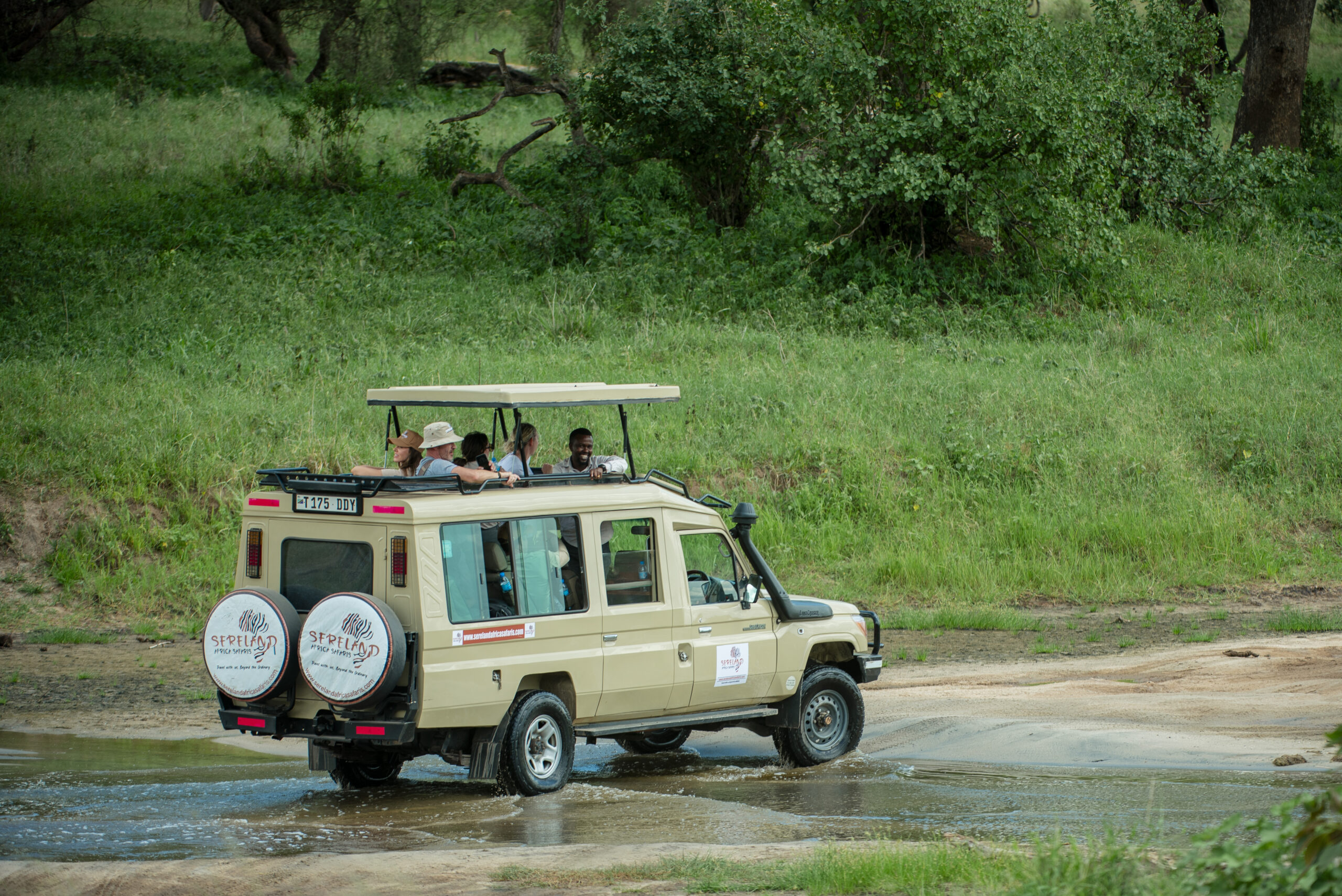
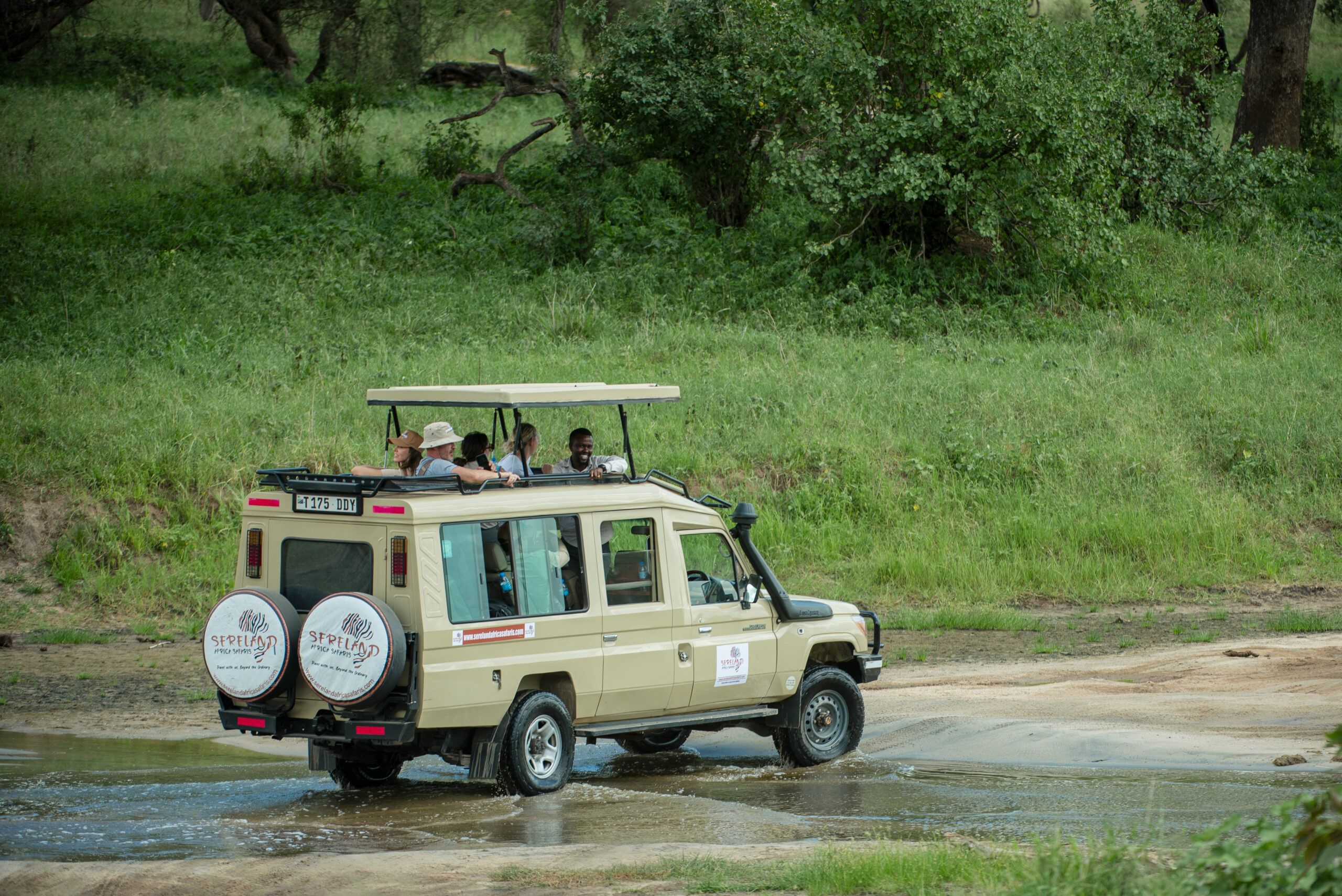
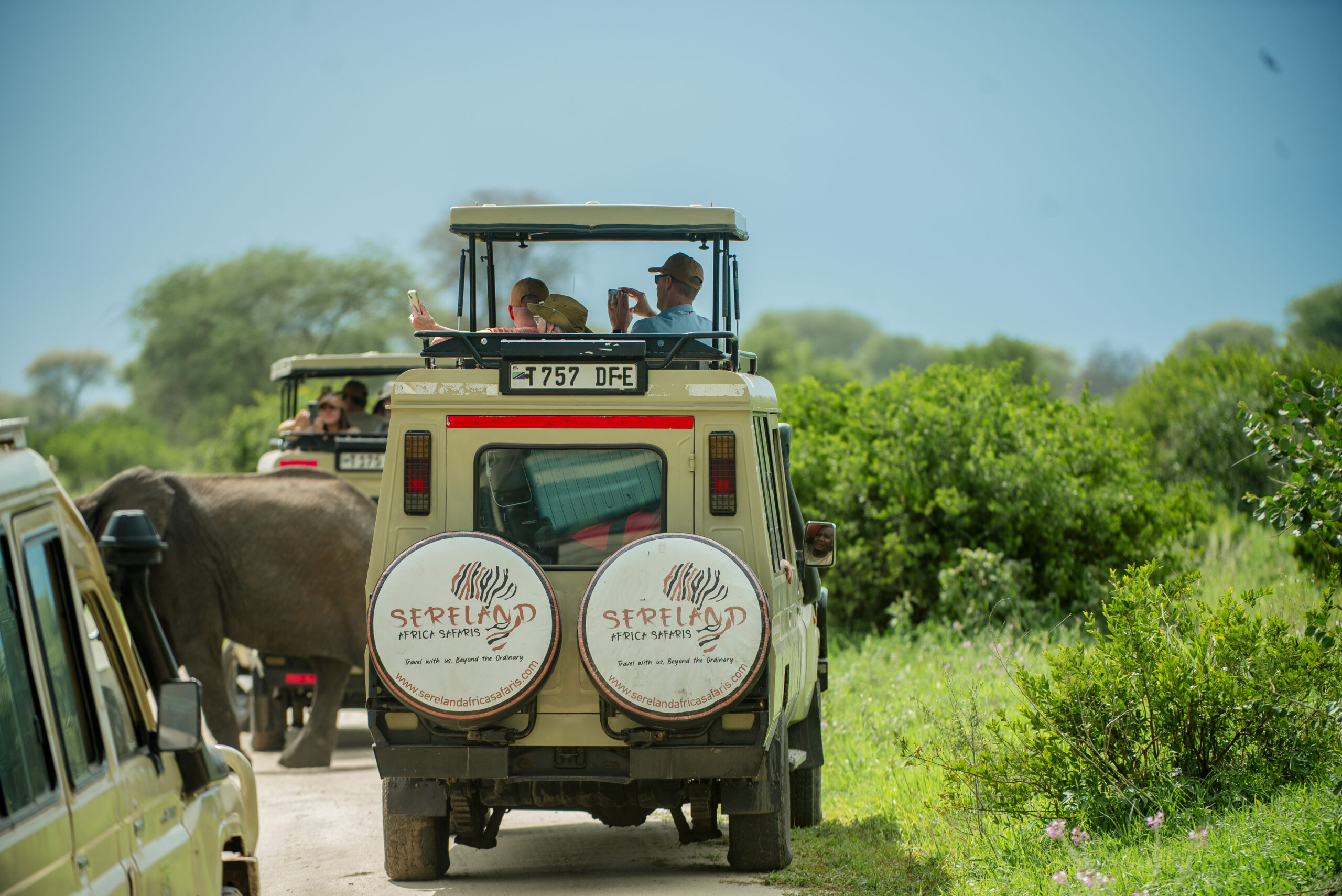
For families, a private safari vehicle can make a significant difference.
With a private vehicle, your guide can adjust the day according to your family.
If the children are tired, you can return to the lodge.
If they become fascinated by elephants, you can spend more time observing them.
If everyone needs a break, you can stop where appropriate.
You are not trying to follow the schedule of strangers.
This flexibility is one reason private family safaris are often recommended for families travelling with younger children.
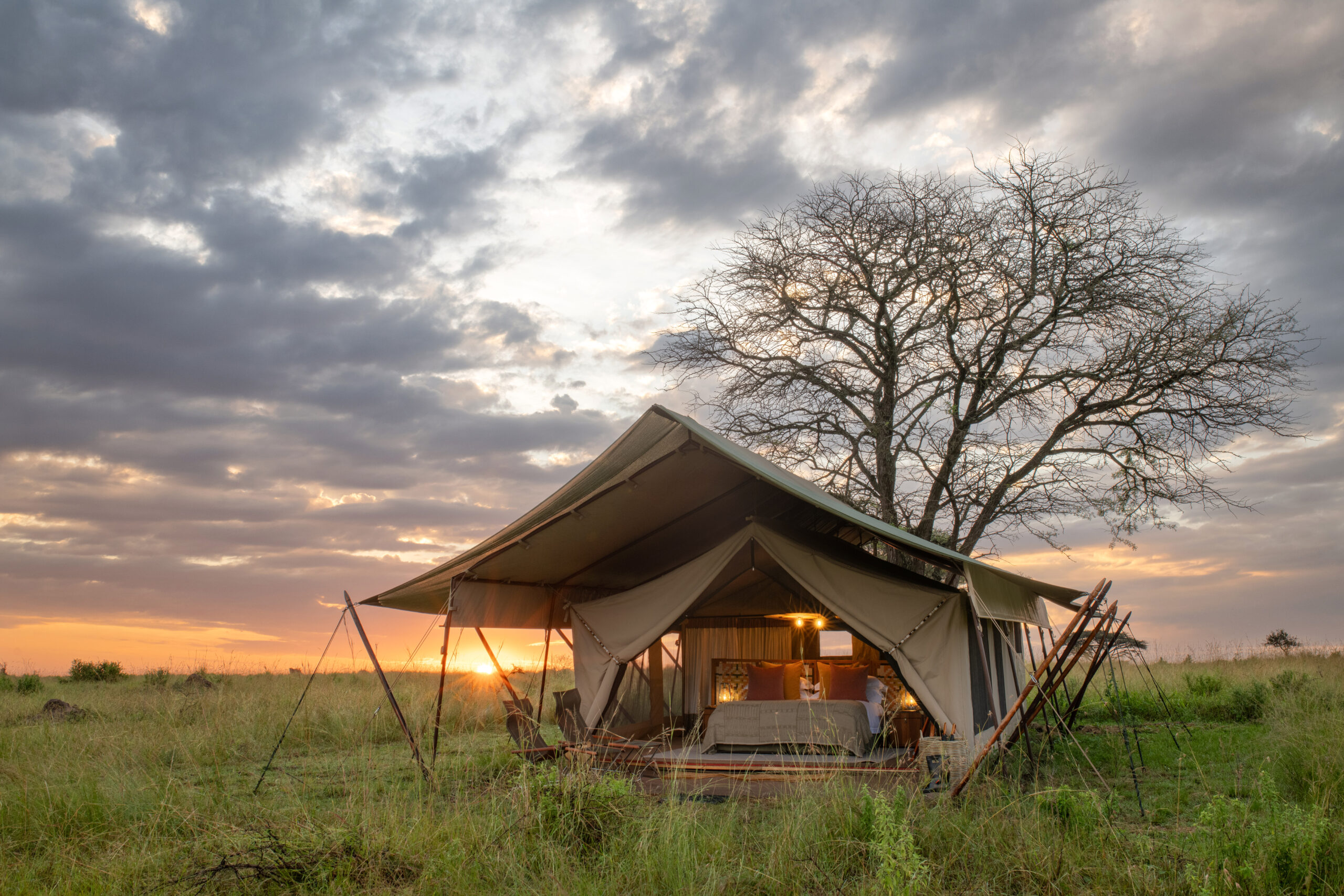
Choosing Family-Friendly Accommodation
Accommodation can make or break a family safari.
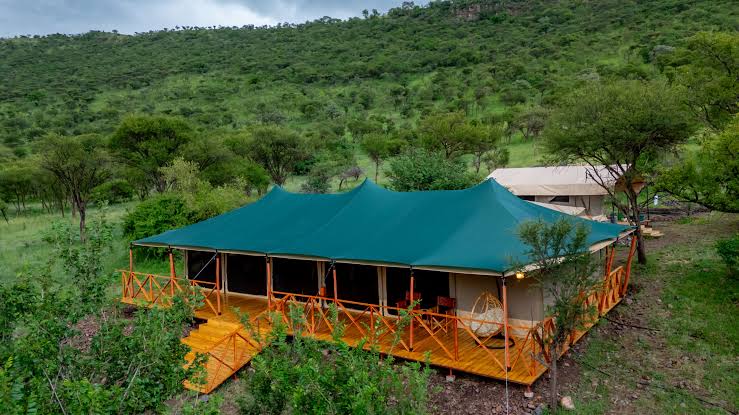
When selecting a lodge or camp, families should consider:
Family rooms
Can everyone stay together comfortably?
Swimming pool
A pool can be an excellent way for children to relax after a game drive.
Food
Does the property offer meals suitable for children?
Location
How far is it from the day’s activities?
Child policies
Does the property have age restrictions?
Activities
Are there family-friendly activities available?
The best accommodation is not necessarily the most luxurious.
It is the one that matches your family’s needs.
What Should Children Pack for an African Safari?
Packing for a safari does not have to be complicated.
Children should have:
- Comfortable lightweight clothing
- Long trousers
- T-shirts
- A warm layer for early mornings
- Comfortable walking shoes
- Sun hat
- Sunglasses
- Sunscreen
- Insect repellent
- Reusable water bottle
- Small backpack
- Binoculars
- Camera or phone
- Personal medications where applicable
Neutral and earth-tone clothing can also be practical for safari environments.
Most importantly, pack comfort rather than fashion.
Your children should be able to sit, walk, explore and play comfortably.
Is Tanzania Safe for Children?
Tanzania can be an excellent family destination when the trip is properly planned.
The most important factor is working with an experienced safari operator and professional guide.
During a safari, children should always:
- Follow the guide’s instructions
- Remain inside the vehicle when required
- Avoid approaching wildlife
- Avoid feeding animals
- Stay close to parents and guides
- Respect camp safety rules
Wild animals are wild animals.
A safari should teach children to appreciate wildlife while maintaining a safe distance.
Health and Travel Preparation for Families
Before travelling to Tanzania, parents should speak with an appropriate healthcare professional about travel preparation, particularly when travelling with young children.
Depending on the family’s circumstances, preparation may include discussions about:
- Routine vaccinations
- Travel vaccinations
- Malaria prevention
- Prescription medications
- Travel insurance
- Food and water precautions
- First-aid supplies
Families should also carry important medications and documents with them rather than packing everything in checked luggage.
Combining Safari and Zanzibar With Kids
One of the best family travel combinations in Tanzania is:
Safari + Zanzibar.
Imagine starting your holiday in the African wilderness.
Your children watch elephants in Tarangire.
Then they see lions in the Serengeti.
They explore the Ngorongoro landscape.
And finally, they arrive in Zanzibar.
Now the pace changes.
The safari vehicle is replaced by the ocean.
The early morning game drives are replaced by beach mornings.
The excitement of wildlife becomes the relaxation of the Indian Ocean.
This combination gives families both adventure and relaxation.
Family travel sources commonly recommend adding several Zanzibar nights after a northern Tanzania safari because it gives children and parents time to unwind after the more active safari portion.
Introducing Children to African Culture
A family trip to Africa should not be only about animals.
It can also be an opportunity to introduce children to different cultures.
Depending on your itinerary, families may meet local communities and learn about:
- Traditional lifestyles
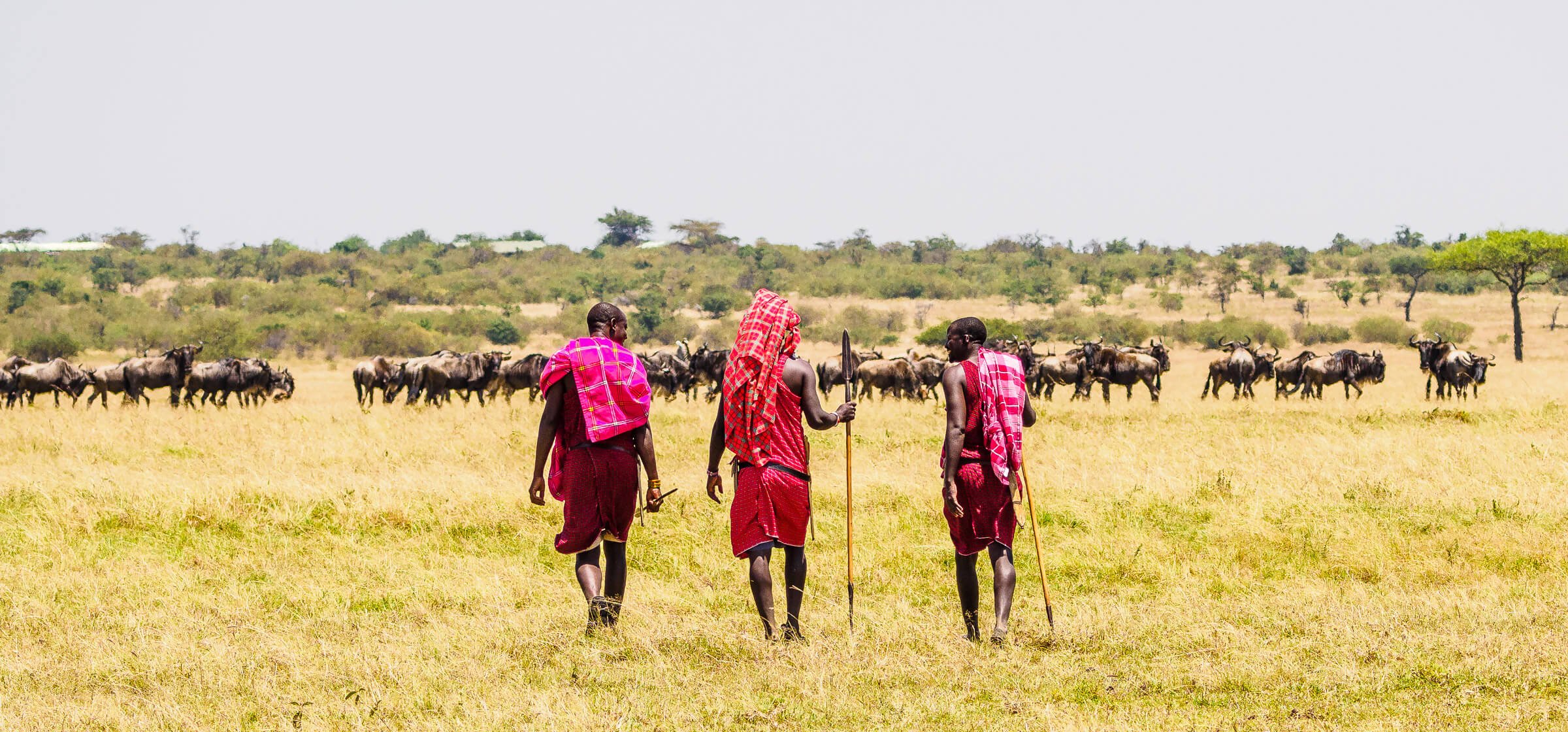
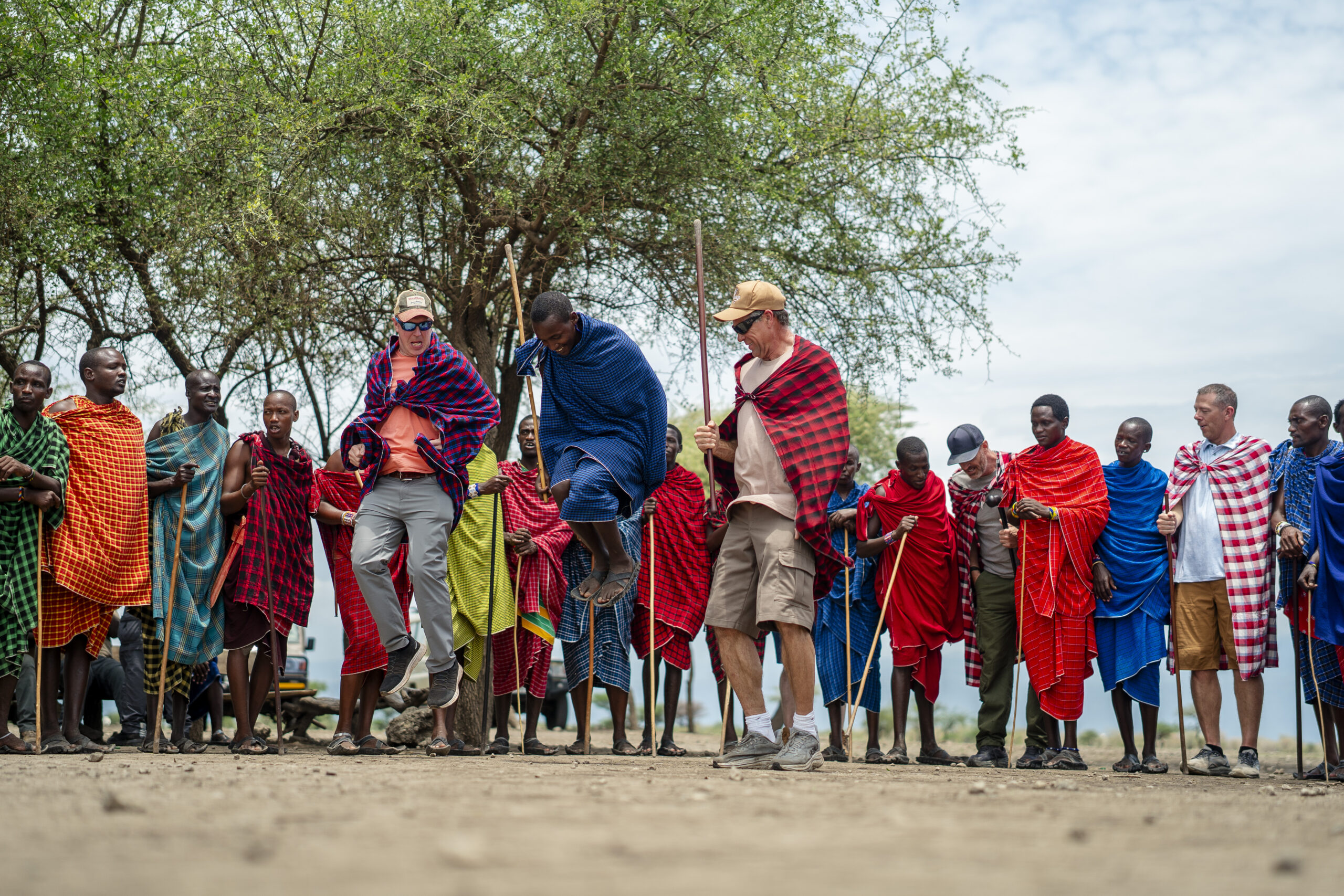
- Maasai culture
- Local food
- Traditional crafts
- Music and dance
- History
- Community conservation
- Everyday life in Tanzania
For children, meeting local people can be one of the most educational parts of the journey.
It teaches something that cannot easily be learned from a textbook:
The world is made up of many different ways of living, and every community has its own stories and traditions.
How to Make a Safari Educational for Children
A family safari can become a real-life classroom.
Before travelling, parents can encourage children to learn about:
- African animals
- Tanzania
- The Serengeti
- The Great Migration
- Conservation
- African geography
During the safari, children can keep a small wildlife journal.
They can record:
Animal: Lion
Where we saw it: Serengeti
What it was doing: Sleeping
How many we saw: 3
What I learned: Lions live in social groups called prides.
By the end of the holiday, the journal becomes a personal record of their African adventure.
Best Tanzania Safari Destinations for Families
Every family is different, but several destinations can work particularly well.
Tarangire National Park
Best for: Elephants, baobabs and manageable game drives.
Ngorongoro Crater
Best for: High wildlife density and dramatic landscapes.
Serengeti National Park
Best for: Big cats, vast landscapes and the Great Migration.
Lake Manyara
Best for: A shorter wildlife experience and diverse scenery.
Zanzibar
Best for: Beach relaxation, swimming and family-friendly activities.
The right combination depends on the ages of your children, travel dates, interests and how much time your family has.
A Sample Family Tanzania Itinerary
A family itinerary might look like this:
Day 1 – Arrival in Tanzania
Arrive in Arusha and relax after your international journey.
Day 2 – Tarangire National Park
Enjoy your first safari and discover elephants, giraffes, zebras and other wildlife.
Day 3 – Ngorongoro Highlands
Travel toward the Ngorongoro area and enjoy the changing landscapes.
Day 4 – Ngorongoro Crater
Explore the crater and discover one of Tanzania’s richest wildlife environments.
Day 5–6 – Serengeti
Experience the vast Serengeti plains and search for lions, elephants, cheetahs, giraffes and other wildlife.
Day 7 – Zanzibar
Fly to Zanzibar and transition from safari adventure to beach relaxation.
Day 8–10 – Zanzibar
Enjoy the beaches, ocean activities, culture and family time.
Day 11 – Departure
Return home with photographs, stories and memories that your family will remember for years.
This is only an example.
A good family safari should always be customized around the family rather than forcing every family into the same itinerary.
Common Mistakes Families Make When Travelling to Africa
Trying to Visit Too Many Parks
More destinations do not necessarily mean a better safari.
Too many hotel changes and long drives can exhaust children.
Making Every Day a Full-Day Game Drive
Children need downtime.
A shorter morning safari followed by lunch, swimming or rest can sometimes be much better.
Choosing Accommodation Only for Adults
A beautiful lodge is not automatically a good family lodge.
Always check child policies and facilities.
Ignoring Travel Time
A destination may look close on a map but take much longer by road because of safari tracks and road conditions.
Your itinerary should account for realistic travel times.
Forgetting About Children’s Interests
Not every child loves wildlife in the same way.
Some love photography.
Some love elephants.
Some love birds.
Some love swimming.
Some love culture.
The best itinerary combines these interests.
The Best Family Safari Is Designed Around Your Family
There is no universal family safari.
A family with a three-year-old has different needs from a family with teenagers.
A family interested in wildlife photography needs a different itinerary from a family focused on relaxation.
A family visiting during the Great Migration needs different planning from a family travelling outside migration season.
That is why tailor-made family safaris are so valuable.
At Sereland Africa Safaris, we take the time to understand:
- Your children’s ages
- Your travel dates
- Your family’s interests
- Your preferred accommodation
- Your desired level of comfort
- Your safari priorities
- Your budget
- Your preferred pace
Then we build the journey around your family.
Why Choose Sereland Africa Safaris for Your Family Adventure?
Travelling to Africa with children should feel exciting—not stressful.
From the moment you arrive in Tanzania, you want to know that your family is in capable hands.
With the right planning, your journey can combine:
Wildlife + Culture + Adventure + Comfort + Beach Relaxation
Our goal is not simply to take your family from one destination to another.
Our goal is to create an experience where your children can discover Africa, learn from it, and remember it for the rest of their lives.
Because years from now, your children may not remember every hotel they stayed in.
But they may remember the first elephant they saw.
The first lion they watched in the wild.
The first time they looked across the Serengeti.
The Maasai family they met.
The Zanzibar sunset.
And the moment they realized that Africa was no longer just a place they had read about.
It was a place they had experienced together with their family.
Frequently Asked Questions About Travelling to Africa With Kids
Is Tanzania suitable for a family holiday?
Yes. Tanzania offers wildlife, nature, cultural experiences and beach destinations that can be combined into a family-friendly itinerary. The key is choosing activities, accommodation and travel times that match your children’s ages.
What is the best age for a Tanzania safari?
There is no universal answer. Children aged around 5 and above can often enjoy safari particularly well, but younger children may also travel successfully with appropriate planning and accommodation. Age restrictions vary by operator, lodge and activity.
Can we travel to Tanzania with toddlers?
Yes, but it requires more careful planning. Private transportation, flexible schedules and suitable accommodation can make the experience much easier.
Can children go on safari in the Serengeti?
Yes, depending on the child, operator and specific activities. Because the Serengeti can involve longer travel distances and game drives, families should design the itinerary around children’s ages and tolerance for long drives.
Is Zanzibar good for children?
Yes. Zanzibar can be an excellent addition to a Tanzania family holiday, particularly for families who want beach time after a safari.
Can we combine Tanzania safari and Zanzibar?
Absolutely. It is one of the most popular ways to create a balanced family holiday combining wildlife adventure and beach relaxation.
Should we choose a private safari?
For many families, a private safari offers greater flexibility because the guide can adjust the pace, stops and game-drive duration around the children’s needs.
What should children bring on safari?
Comfortable clothing, sun protection, comfortable shoes, a reusable water bottle, insect repellent, a small backpack and binoculars or a camera are useful additions.
Ready to Explore Africa as a Family?
Your children only get one first African adventure.
Make it meaningful.
Make it comfortable.
Make it exciting.
And most importantly, experience it together.
Plan your tailor-made Tanzania family safari with Sereland Africa Safaris and discover Africa through the eyes of your children.