Jozani Forest – Half day | Explore Zanzibar’s Tropical Rain forest

Jozani Forest Half-Day Tour – Explore Zanzibar’s Tropical Rainforest

Discover the natural beauty of Zanzibar on a half-day tour of Jozani Forest, the island’s only national park and a protected sanctuary of rich biodiversity. Perfect for nature lovers, wildlife enthusiasts, and eco-tourists, this tour offers an up-close encounter with Zanzibar’s red colobus monkeys, exotic flora, and a peaceful tropical forest ecosystem.


🐒 What to Expect on a Jozani Forest Tour

Located in the heart of Zanzibar, Jozani Chwaka Bay National Park is famous for its dense jungle, mangrove swamps, and endemic wildlife. On this guided walking tour, you’ll:

  • Spot the rare Zanzibar red colobus monkeys, found only in this forest

  • Walk through lush nature trails lined with tropical trees and medicinal plants

  • Explore the magical mangrove boardwalk, learning about its role in coastal protection

  • Observe colorful birds, butterflies, and small forest animals

  • Learn from expert guides about the ecological importance of Jozani and ongoing conservation efforts

This eco-friendly excursion in Zanzibar is ideal for families, couples, and solo travelers looking to connect with the island’s natural heritage.


🌍 Why Visit Jozani Forest?

  • ✅ Encounter Zanzibar’s unique wildlife in its natural habitat

  • ✅ Educational experience with a focus on environmental sustainability

  • ✅ Suitable for all ages with easy walking trails

  • ✅ Great opportunity for wildlife photography and birdwatching

  • ✅ Convenient half-day tour from Stone Town or beach resorts


🕒 Tour Duration & Accessibility

This Jozani Forest half-day tour typically lasts about 3 to 4 hours, with morning or afternoon departures available. The forest is located approximately 35 km from Stone Town, and round-trip transportation can be arranged.


📌 Book Your Jozani Forest Tour Today

Immerse yourself in the serene atmosphere of Zanzibar’s most iconic rainforest. Whether you’re spotting playful colobus monkeys or exploring the mangrove ecosystem, the Jozani Forest half-day tour offers an unforgettable eco-adventure.

👉 Reserve your spot now and experience the wild side of Zanzibar!

FEATURED TOURS

12-Day Luxury Safari Adventure with Zanzibar Relaxation

8 Days Tanzania Luxury Safari Experience

5 Days Tanzania Luxury Safari Experience

4-Day Luxury Safari Experience

3-Day Tanzania Serval, Ngorongoro Crater & Tarangire Experience

2-Day Tanzania Safari, Ngorongoro & Tarangire Adventure from Zanzibar

Plan Your Safari For Better Experience

Tour
  • STEP 1
  • STEP 1

Planning a Trip to Tanzania?

Our team is always here to help

landing page form
  • Days
  • Accommodations
  • Travel Dates
  • Personal Details
How many days would you like your safari to be?

Plan Your KILIMAJARO Climbing Route

Our team is always here to help

kilimanjaro
  • STEP 1
  • STEP 1

lake manyara National Park

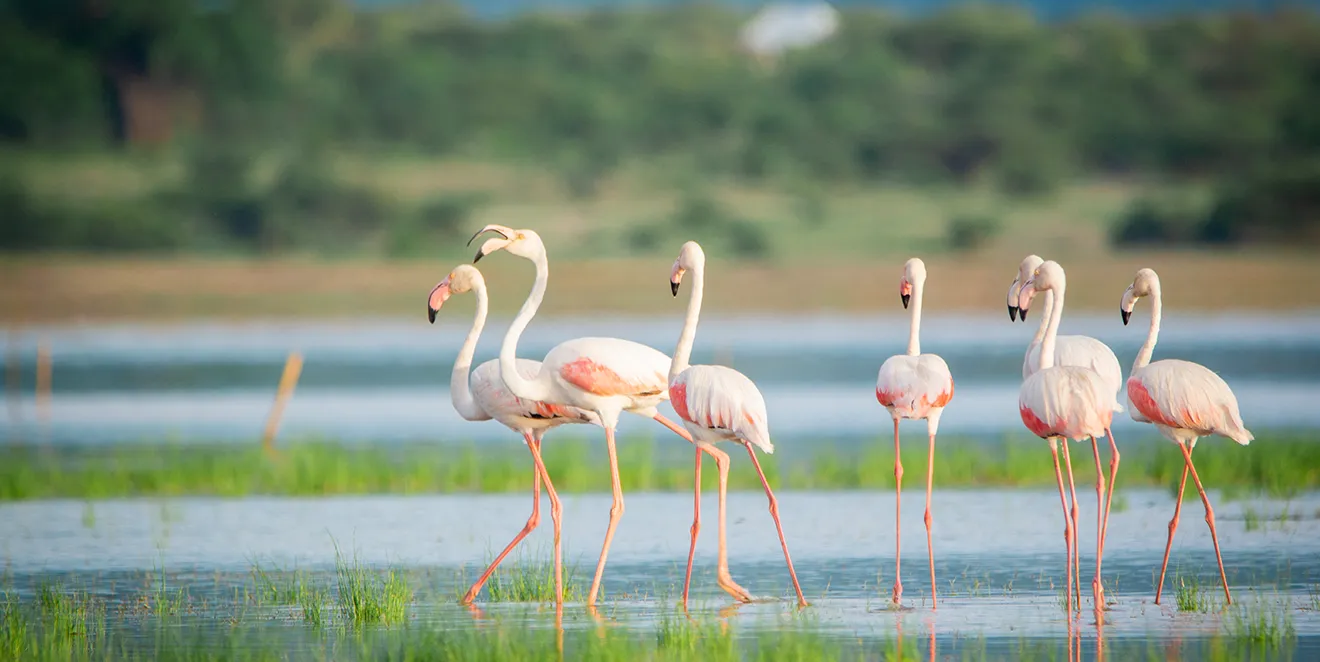
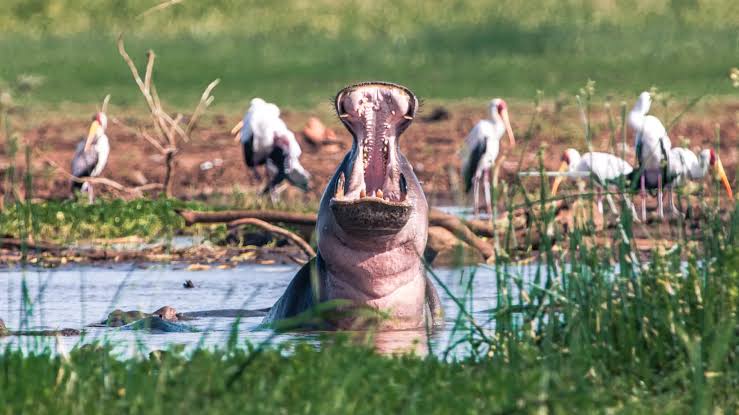
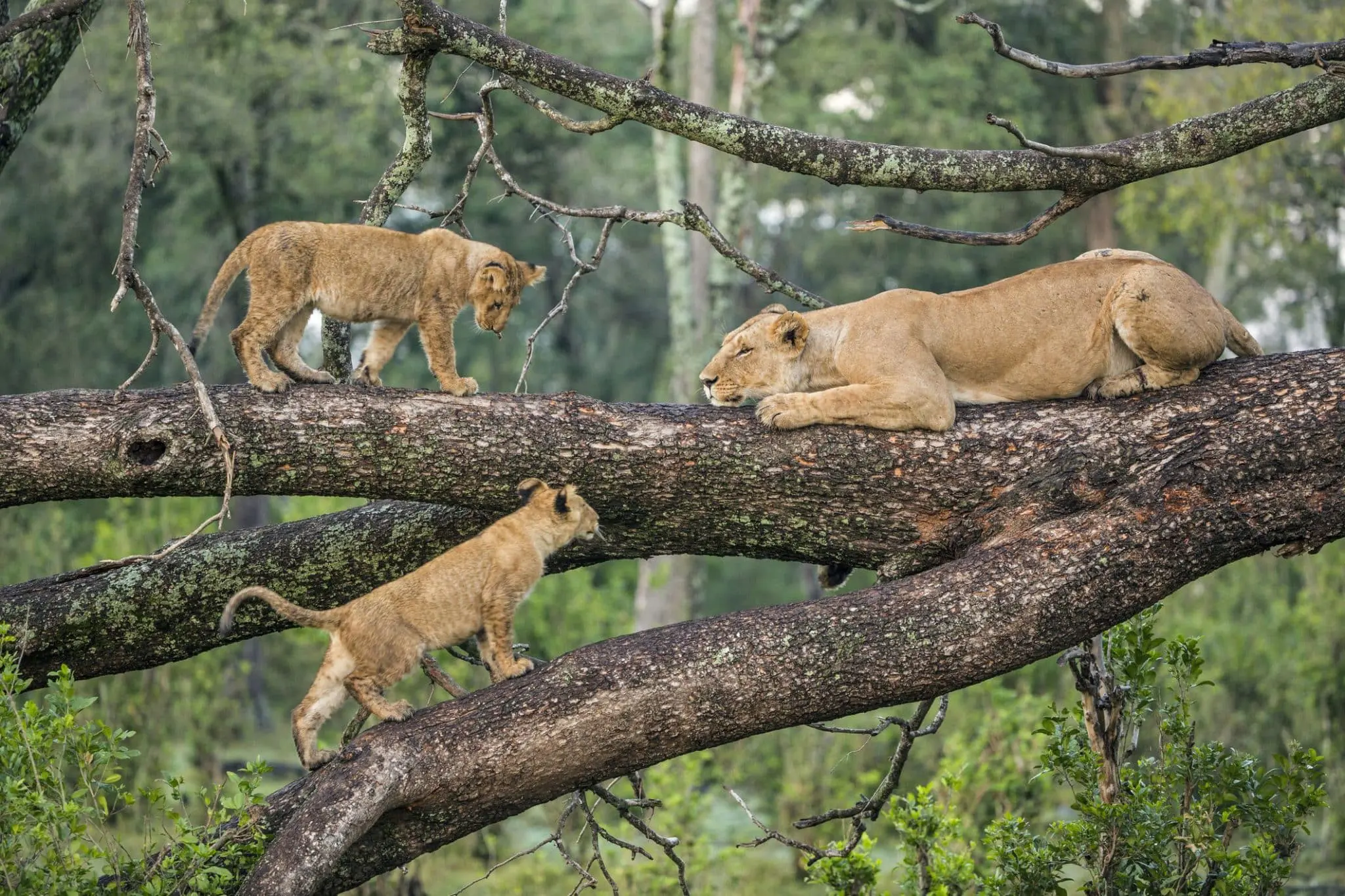
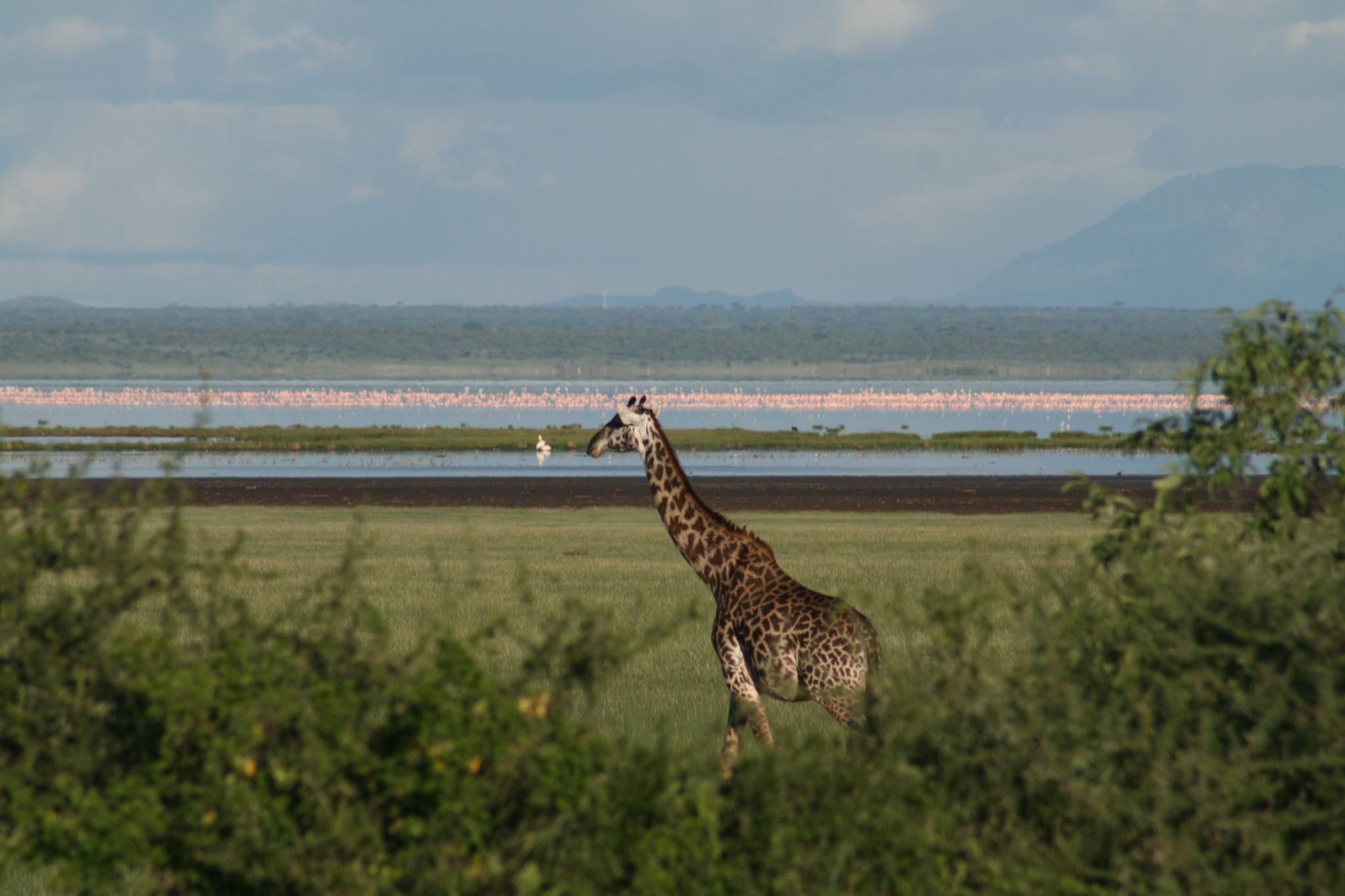
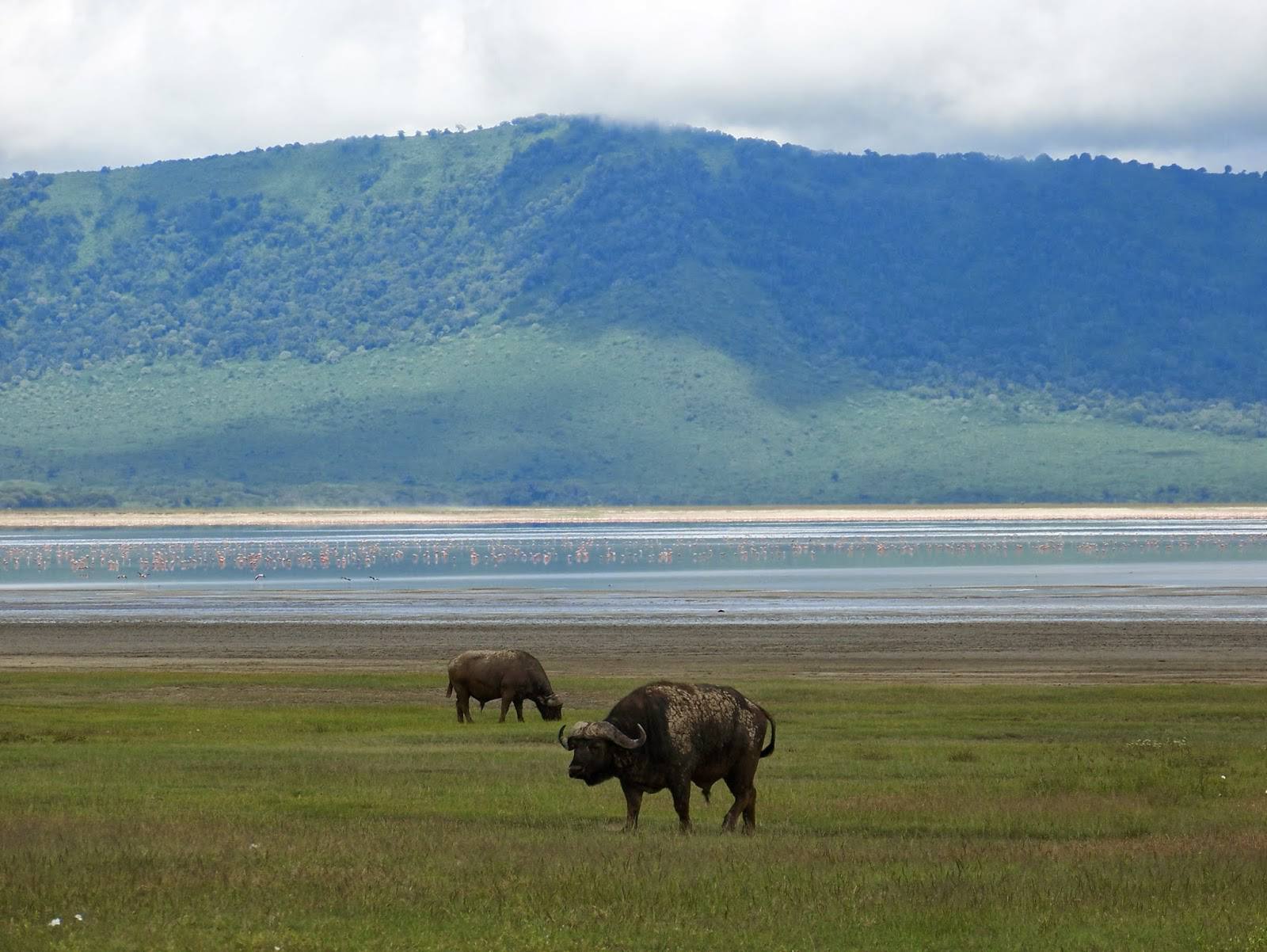
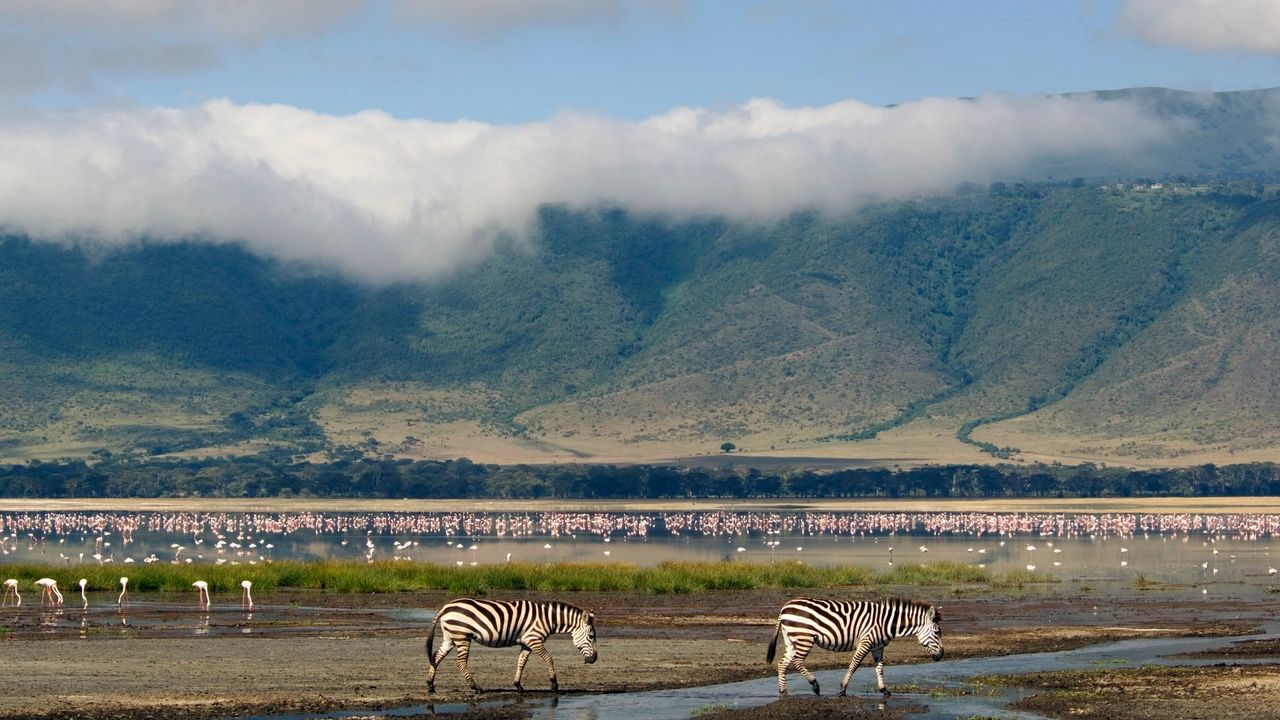
Lake Manyara National Park is a compact yet ecologically diverse wildlife sanctuary located in northern Tanzania, covering 325 square kilometers between the sheer cliffs of the Great Rift Valley Escarpment and the glassy waters of Lake Manyara. Nearly two-thirds of the park’s total surface area is occupied by the alkaline soda lake itself, which regularly draws millions of pink flamingos and other waterbirds to its shallow edges. The remaining terrain features a dramatic sequence of habitats, moving from a dense groundwater forest populated by massive troops of olive baboons and blue monkeys to open acacia woodlands famous for sheltering rare tree-climbing lions. Its rich environment provides critical feeding grounds for large herds of elephants, Cape buffaloes, giraffes, and hippos wallowing at the Mto wa Mbu entry points, offering a visually stunning, rapid safari experience right on the doorstep of the broader Northern Safari Circui

Ngorongoro National Park

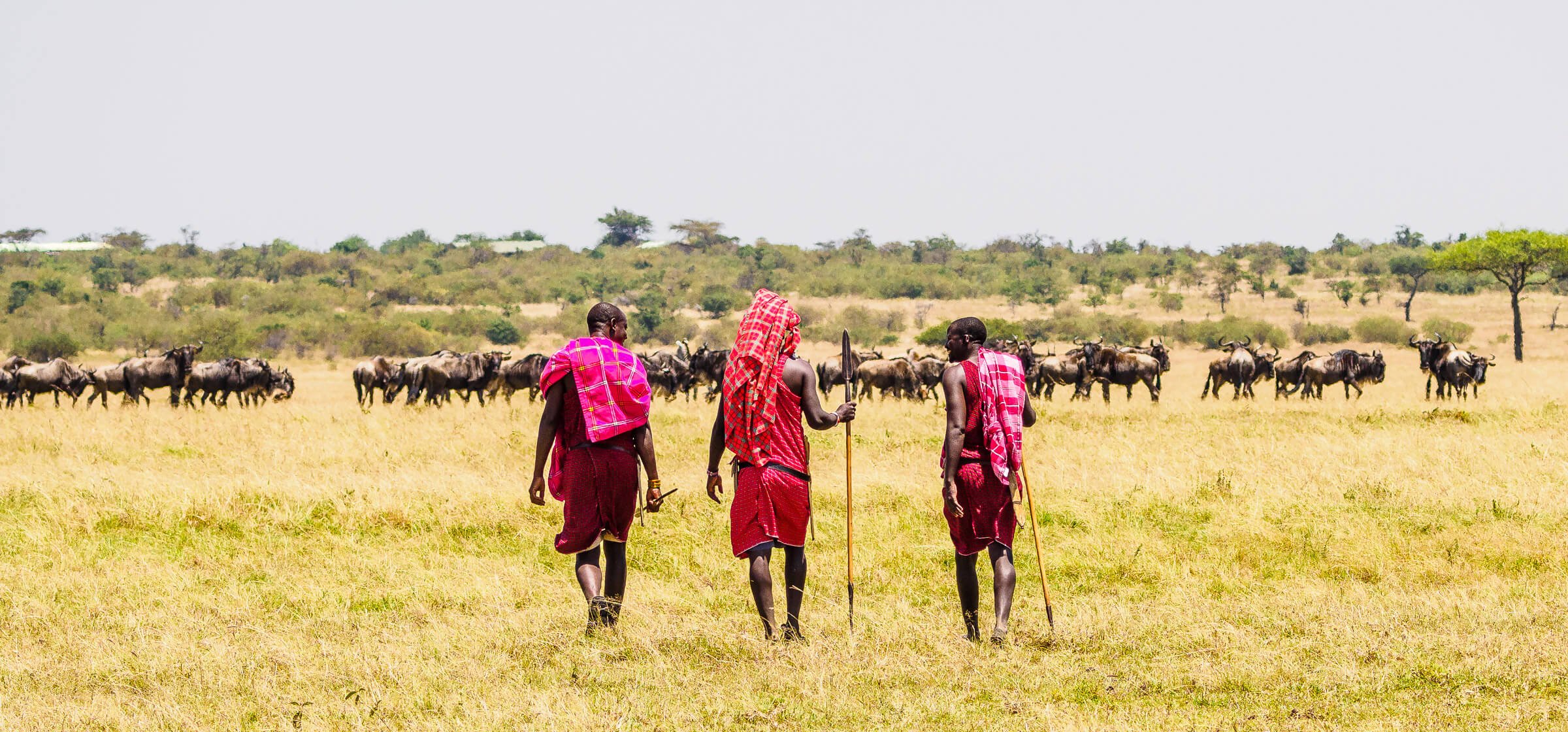
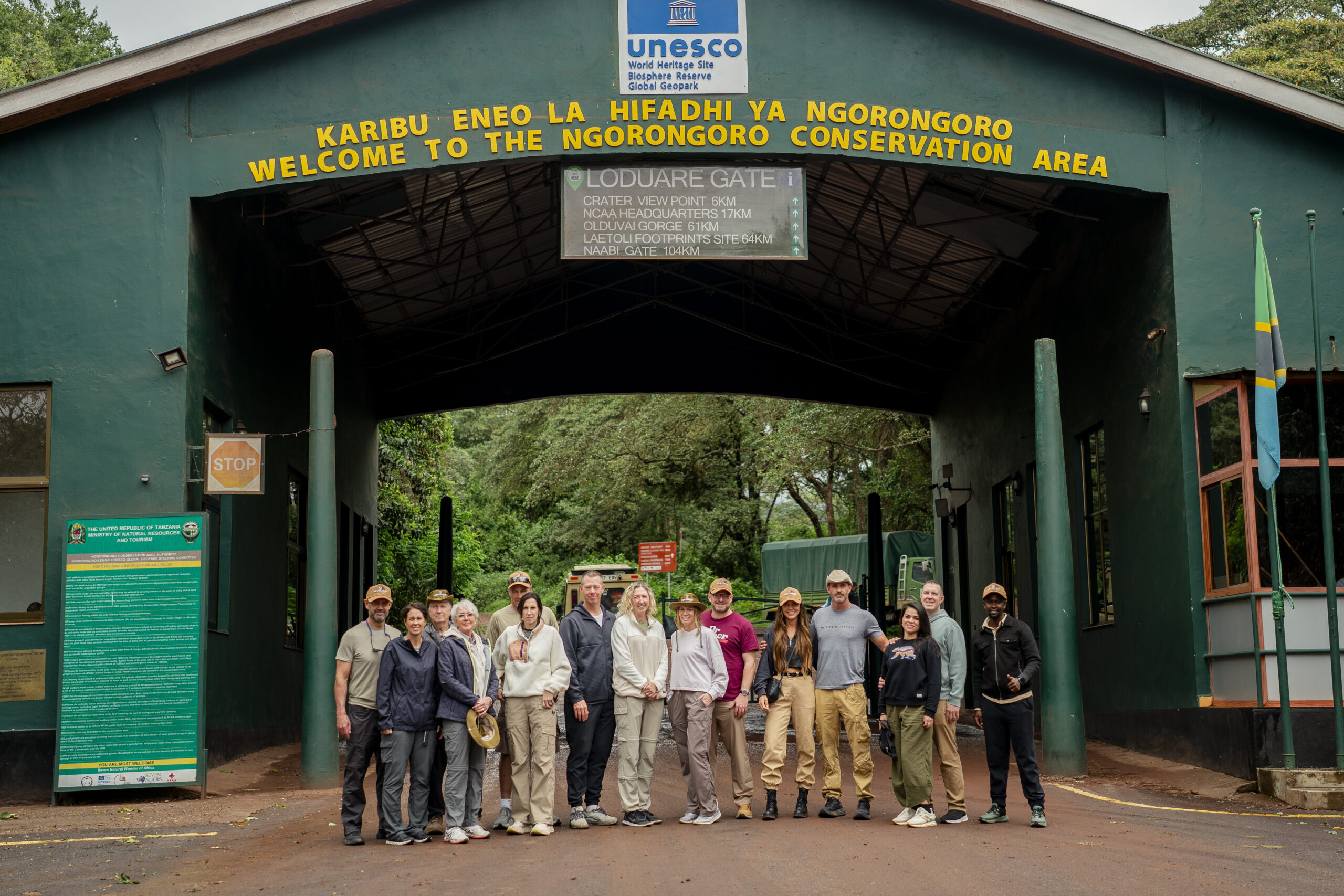
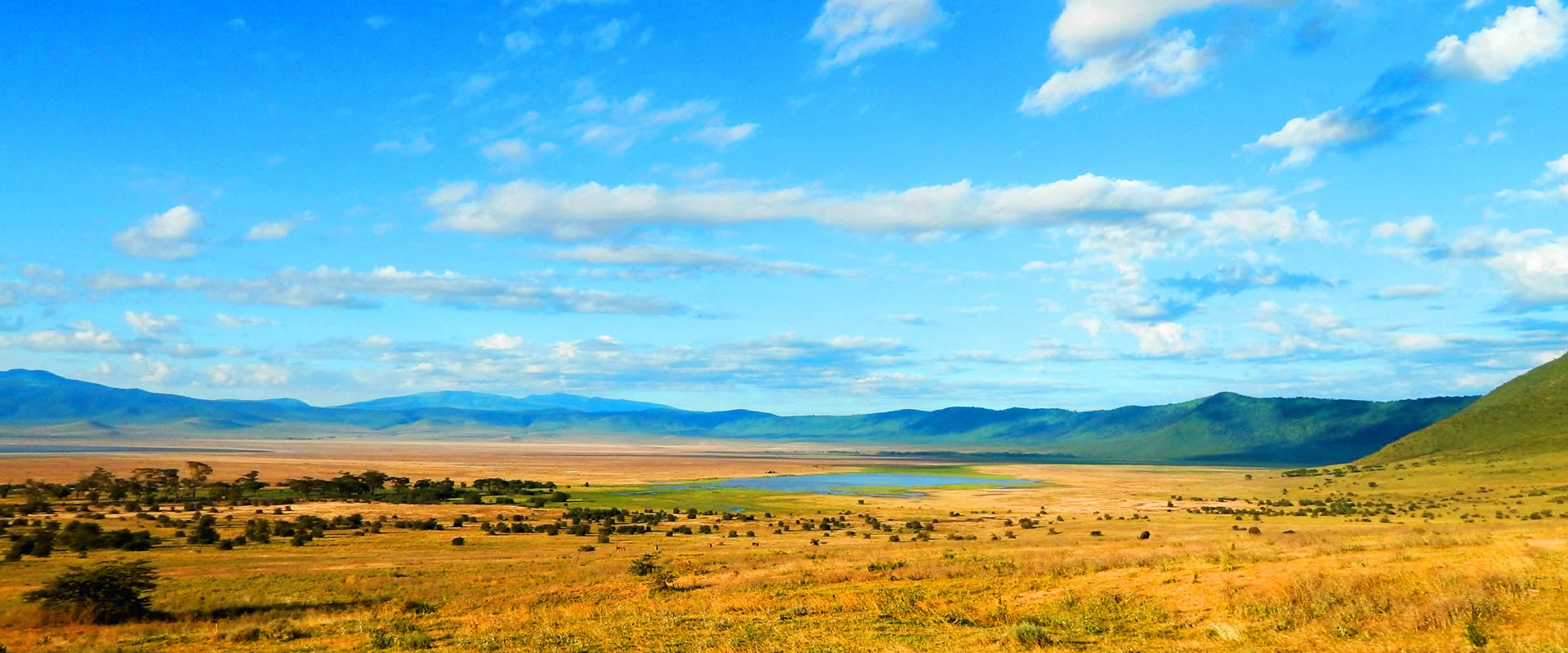
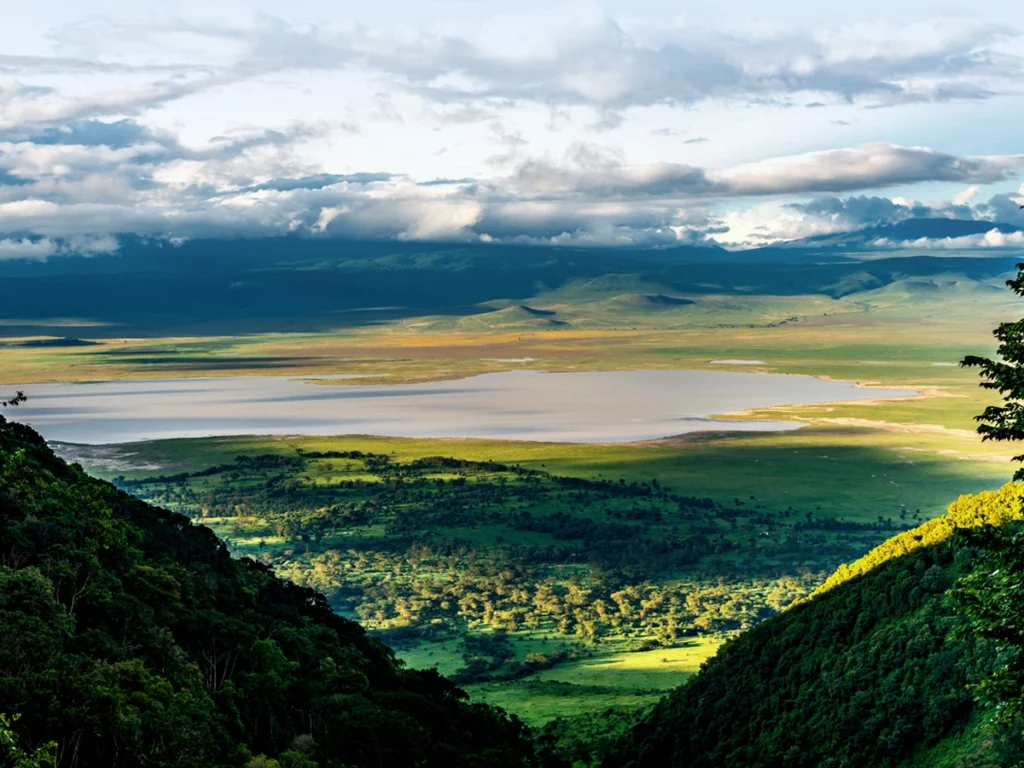
The Ngorongoro Conservation Area, frequently referred to as the Ngorongoro National Park, is a protected UNESCO World Heritage Site in northern Tanzania spanning 8,292 square kilometers across highland plains, savanna, and forests. At its heart lies the famous Ngorongoro Crater, the world’s largest inactive, intact, and unfilled volcanic caldera, which spans 260 square kilometers and drops 610 meters deep. This natural amphitheater functions as a self-sustaining eco-sanction sheltering roughly 30,000 large mammals, boasting the densest known population of mammalian predators in Africa—including prolific lion prides and spotted hyenas. Unlike traditional national parks, it operates as a multi-use territory where semi-nomadic Maasai pastoralists co-exist alongside the native wildlife, creating a globally unique socio-ecological landscape that also encompasses Olduvai Gorge, one of the most critical paleoanthropological sites for human origin research.

TARANGIRE National Park

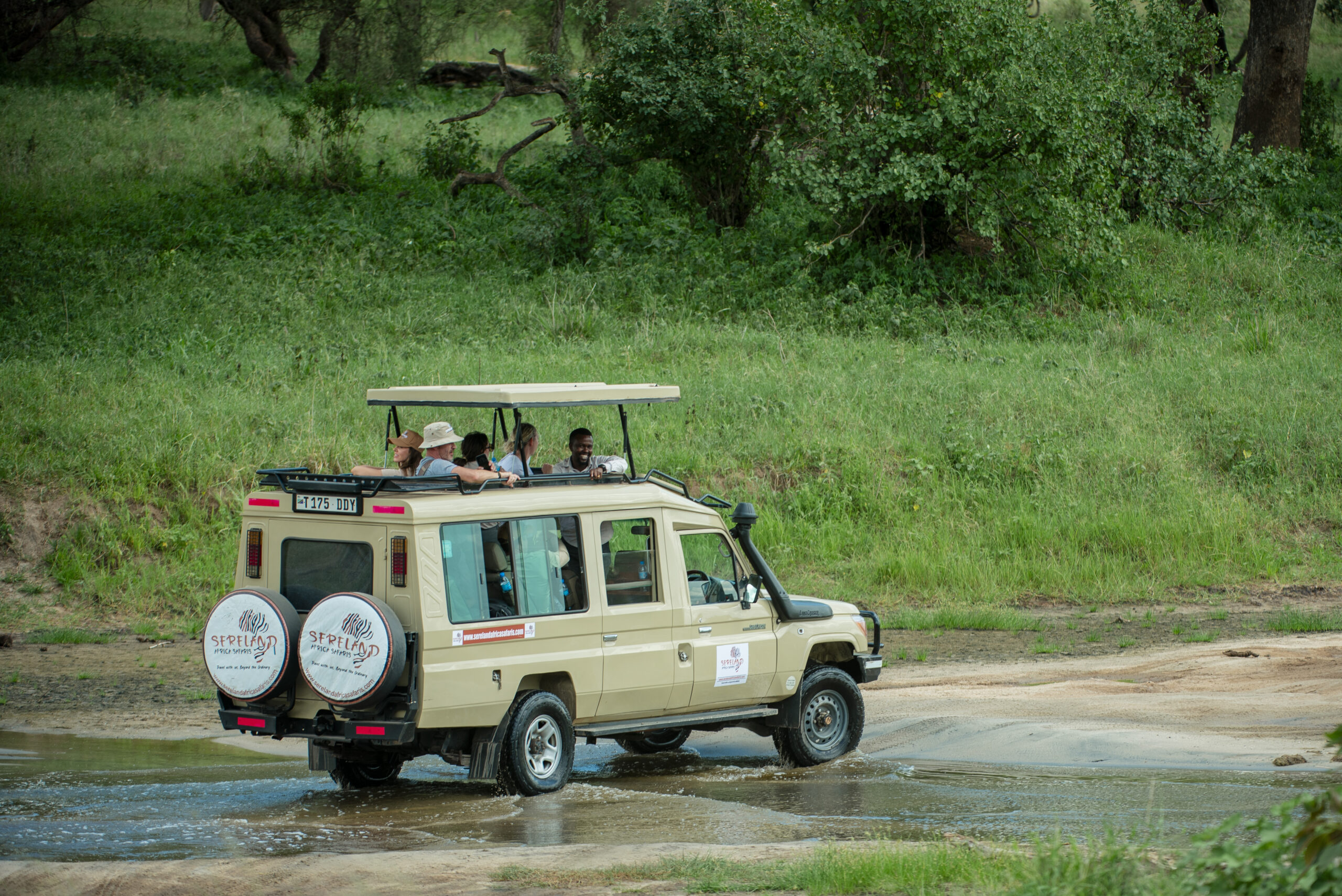
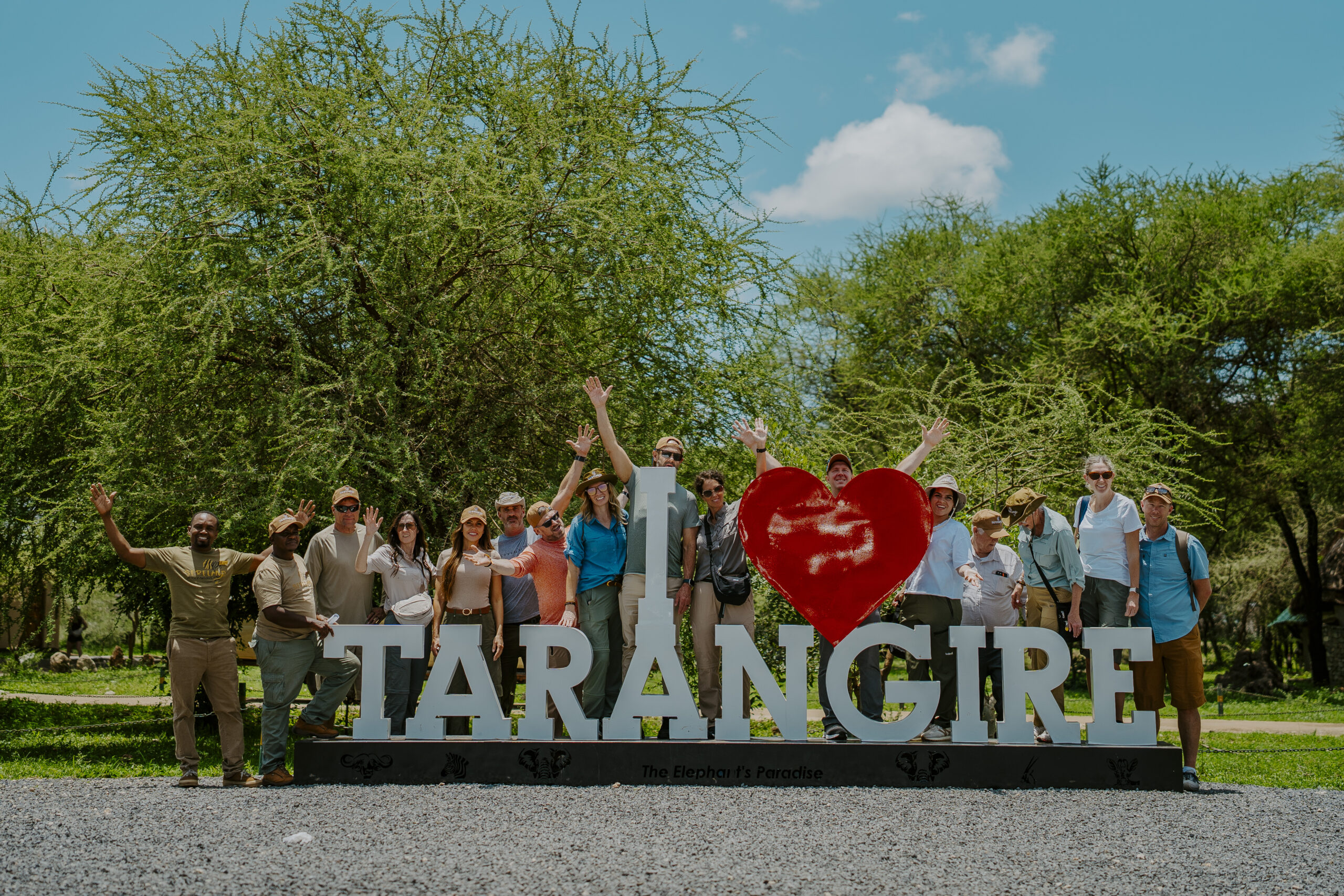
Tarangire National Park in Tanzania is a stunning wildlife sanctuary encompassing roughly 2,850 square kilometers in the Manyara Region, highly celebrated for its iconic baobab-studded landscapes and massive elephant populations. The park is bisected by the Tarangire River, which serves as the primary freshwater lifeline for thousands of migratory animals—including zebras, wildebeests, buffaloes, and elands—that converge on its banks during the annual dry season from June to October. Often described as a quieter, more intimate alternative to the Serengeti, Tarangire provides excellent big game viewing with high concentrations of lions, leopards, and cheetahs, alongside more than 550 distinct bird species.

Serengeti National Park

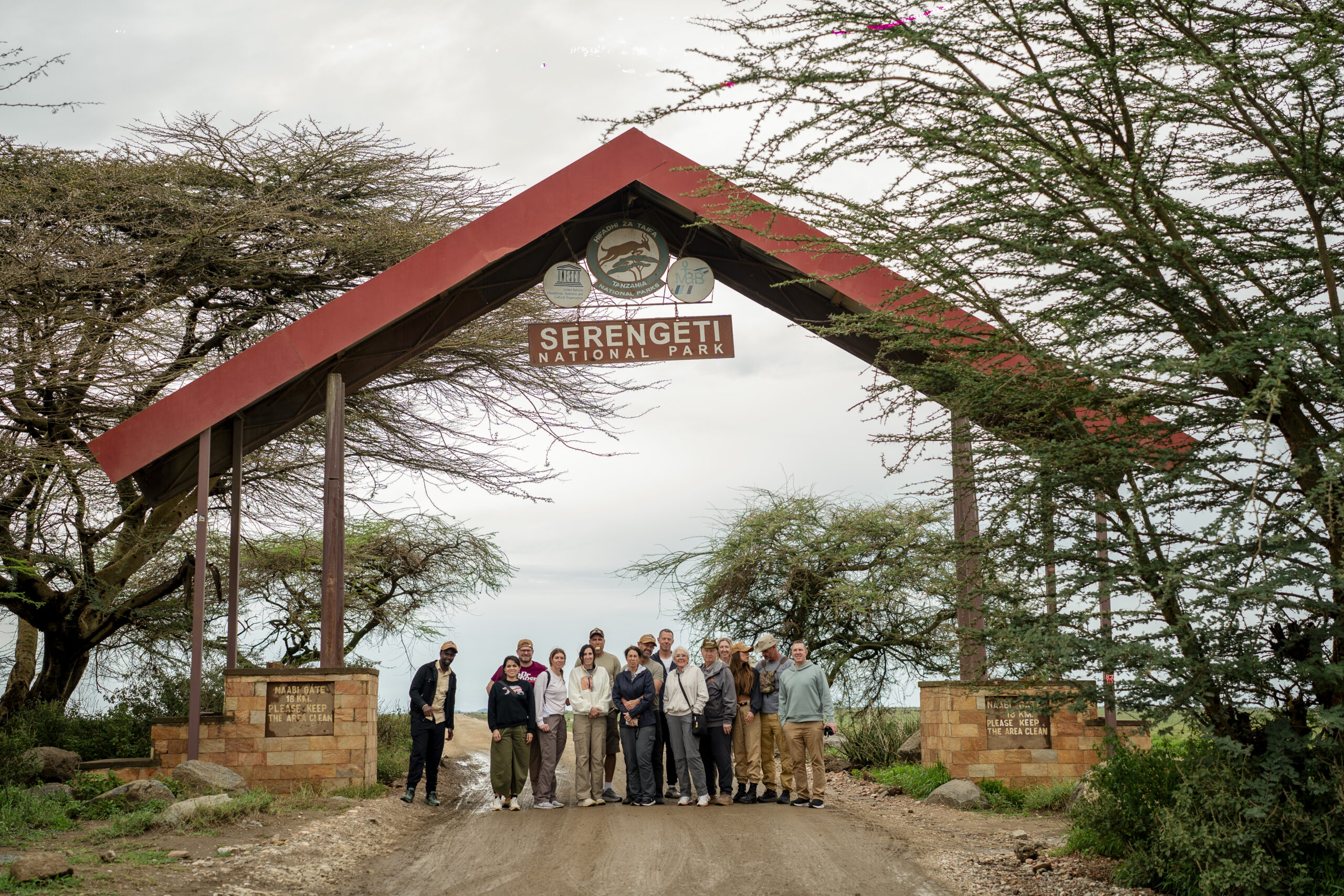
Serengeti National Park in Tanzania is a world-renowned wilderness area encompassing over 14,750 square kilometers of sprawling savanna, riverine forests, and woodlands. Famous for the Great Migration, the park plays host to millions of wildebeest, zebras, and gazelles as they trek across the plains in search of fresh pasture, closely pursued by a dense population of predators including lions, cheetahs, and leopards. As a designated UNESCO World Heritage Site, its unique ecosystems offer unparalleled wildlife viewing, making it a critical sanctuary for biodiversity and one of Africa’s premier safari destinations.