The Barranco Wall on Kilimanjaro

For many climbers tackling Mount Kilimanjaro, the Barranco Wall is both the most intimidating and most rewarding part of the journey. Standing at over 257 meters (843 feet) high, this steep rock face sits on the Machame, Lemosho, and Shira routes, and has gained a legendary reputation among trekkers.

Often called the “Breakfast Wall” because climbers face it early in the morning after leaving Barranco Camp, this section is less about technical climbing and more about courage, teamwork, and determination.

What Is the Barranco Wall?

The Barranco Wall is a massive rock outcrop formed by ancient volcanic activity on Kilimanjaro’s southern face. From afar, it looks like an insurmountable vertical cliff, but up close, climbers find a zigzagging path of switchbacks, boulders, and natural rock ledges that allow them to scramble safely to the top.

Unlike technical rock climbing, the Barranco Wall requires no ropes or special gear — just balance, steady footwork, and sometimes using your hands to “scramble” up.

Why Is It Famous?

The Barranco Wall has become iconic for several reasons:

  • Visual impact: At first sight, many trekkers wonder how it’s even possible to climb it.
  • The scramble: The route involves hand-over-foot climbing in sections, making it exciting and different from regular trekking.
  • The Kissing Rock: One of the narrowest spots where climbers hug the wall and step across carefully, a moment that creates unforgettable memories.
  • The reward: Once at the top, trekkers are rewarded with breathtaking views of Kibo Peak, the Karanga Valley, and the wide expanse of the African plains below.

Is the Barranco Wall Dangerous?

Despite its daunting appearance, the Barranco Wall is generally considered safe. Thousands of climbers tackle it successfully each year. The trail is wide enough for cautious footing, and guides are always present to assist.

Key tips to stay safe:

  • Go slow: Take steady steps and listen to your guide.
  • Use your hands: Don’t hesitate to scramble when needed.
  • Trust the process: The route is well-established and has been used by climbers for decades.
  • Stay calm: Avoid looking down if you’re afraid of heights — focus on the path ahead.

Who Can Climb the Barranco Wall?

If you’re trekking Kilimanjaro via the Machame, Lemosho, or Shira route, you’ll encounter the Barranco Wall. The climb does not require technical mountaineering experience, making it accessible to anyone with good fitness and determination.

Even trekkers who are nervous about heights often find the climb exhilarating once they conquer it. Many later say it was their favorite part of the entire Kilimanjaro journey.

The Experience at the Top

Reaching the top of the Barranco Wall is a moment of triumph. Trekkers often pause here for photos, snacks, and to soak in the magnificent views of Mount Kilimanjaro’s glaciers and the vast valleys below. The sense of accomplishment is unmatched — not only have you conquered your fear, but you’ve also advanced one step closer to Africa’s highest peak.

Final Thoughts

The Barranco Wall on Kilimanjaro is a highlight of the mountain and a reminder that the most intimidating challenges often turn into the most rewarding experiences. While it may look impossible from below, the scramble is achievable for most climbers and delivers a unique sense of adventure.

If you’re planning to climb Kilimanjaro, embrace the Barranco Wall as part of the journey — it’s sure to be one of the most memorable chapters of your ascent.

 

SHARE THIS:

RELATED ARTICLES

Serengeti vs Masai Mara Safari: Which Destination Is Better in 2027?

Tanzania Safari Cost 2027: Complete Guide for Every Budget

Why is Tanzania the Top Safari Destination in Africa?

Average Cost of Safari in Tanzania

Tipping in Tanzania

Zanzibar Best Beaches

Planning a Trip to Tanzania?

Our team is always here to help

landing page form
  • Days
  • Accommodations
  • Travel Dates
  • Personal Details
How many days would you like your safari to be?

lake manyara National Park

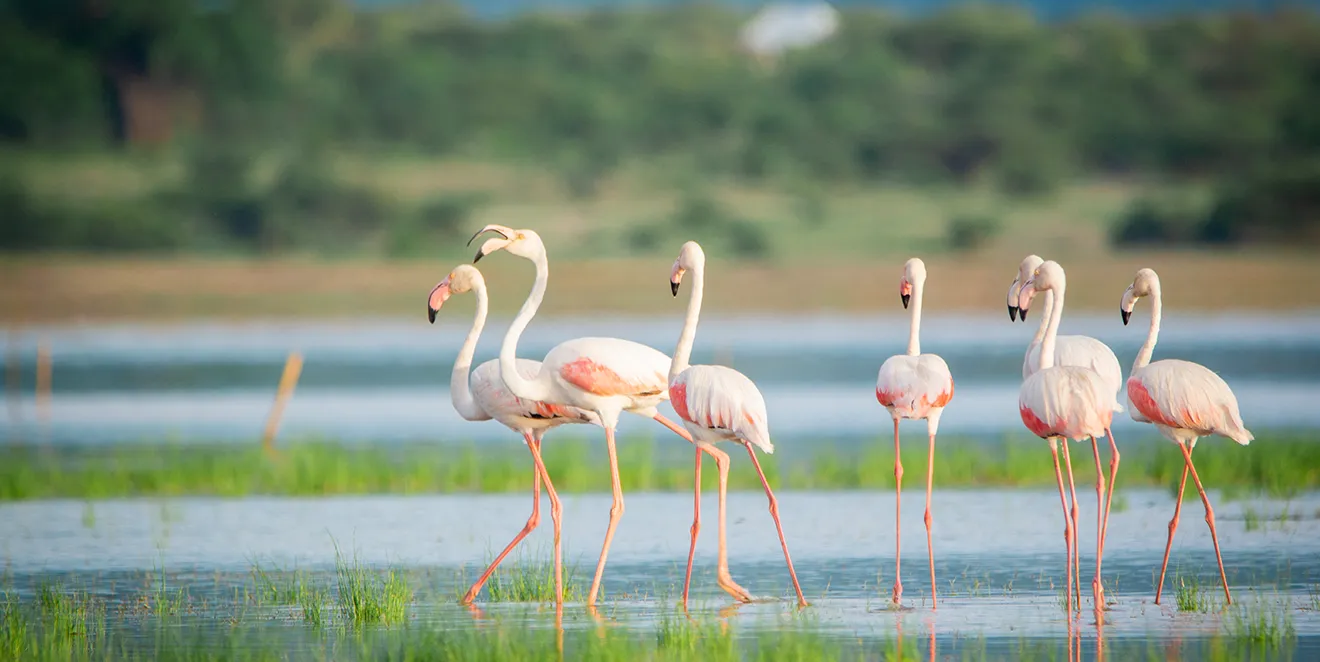
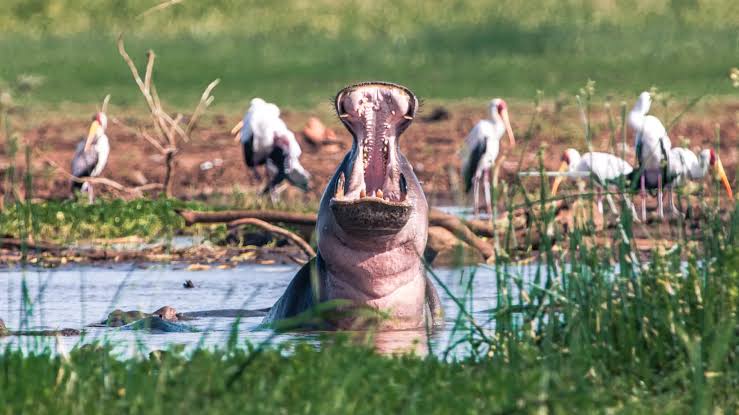
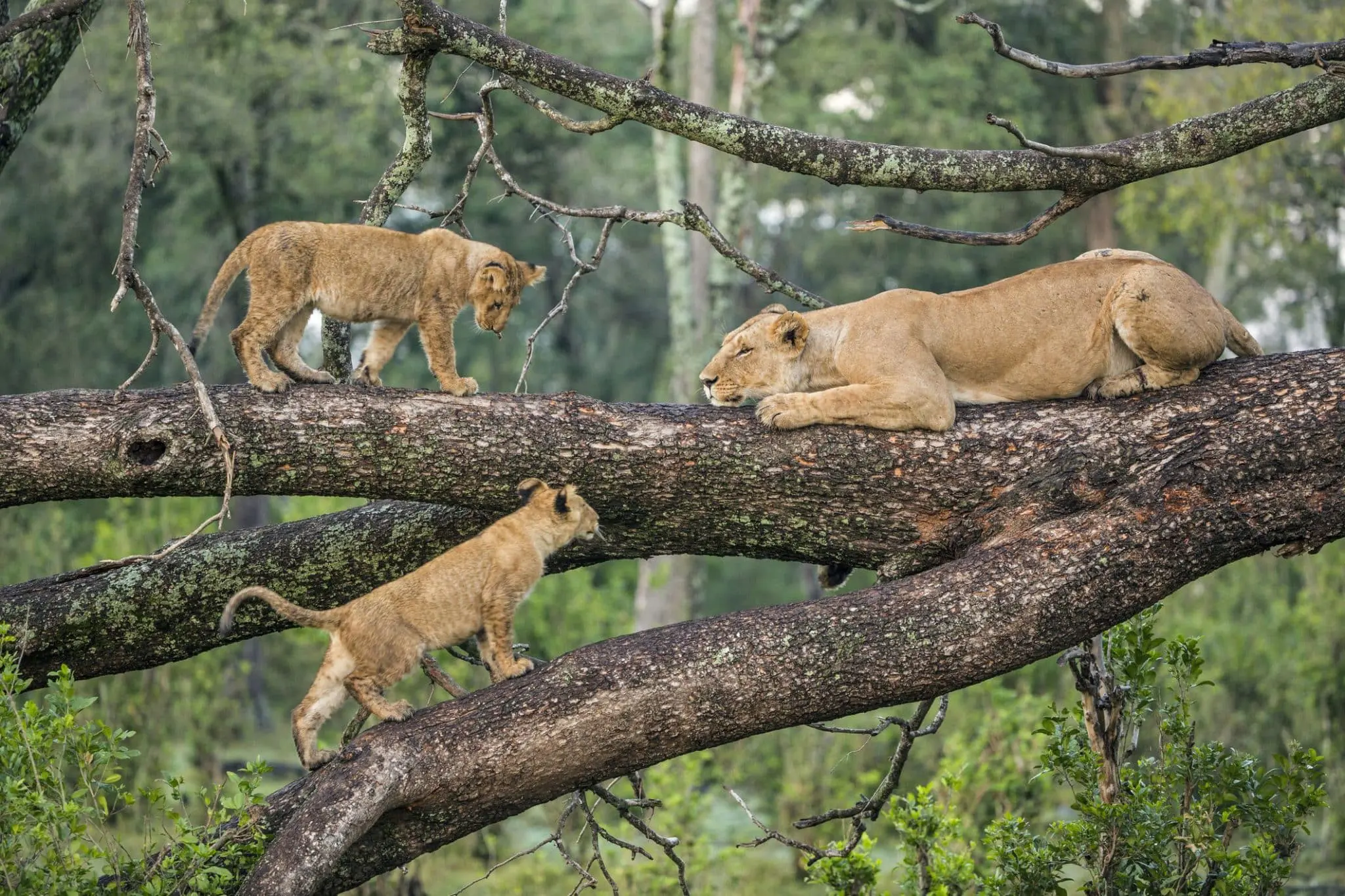
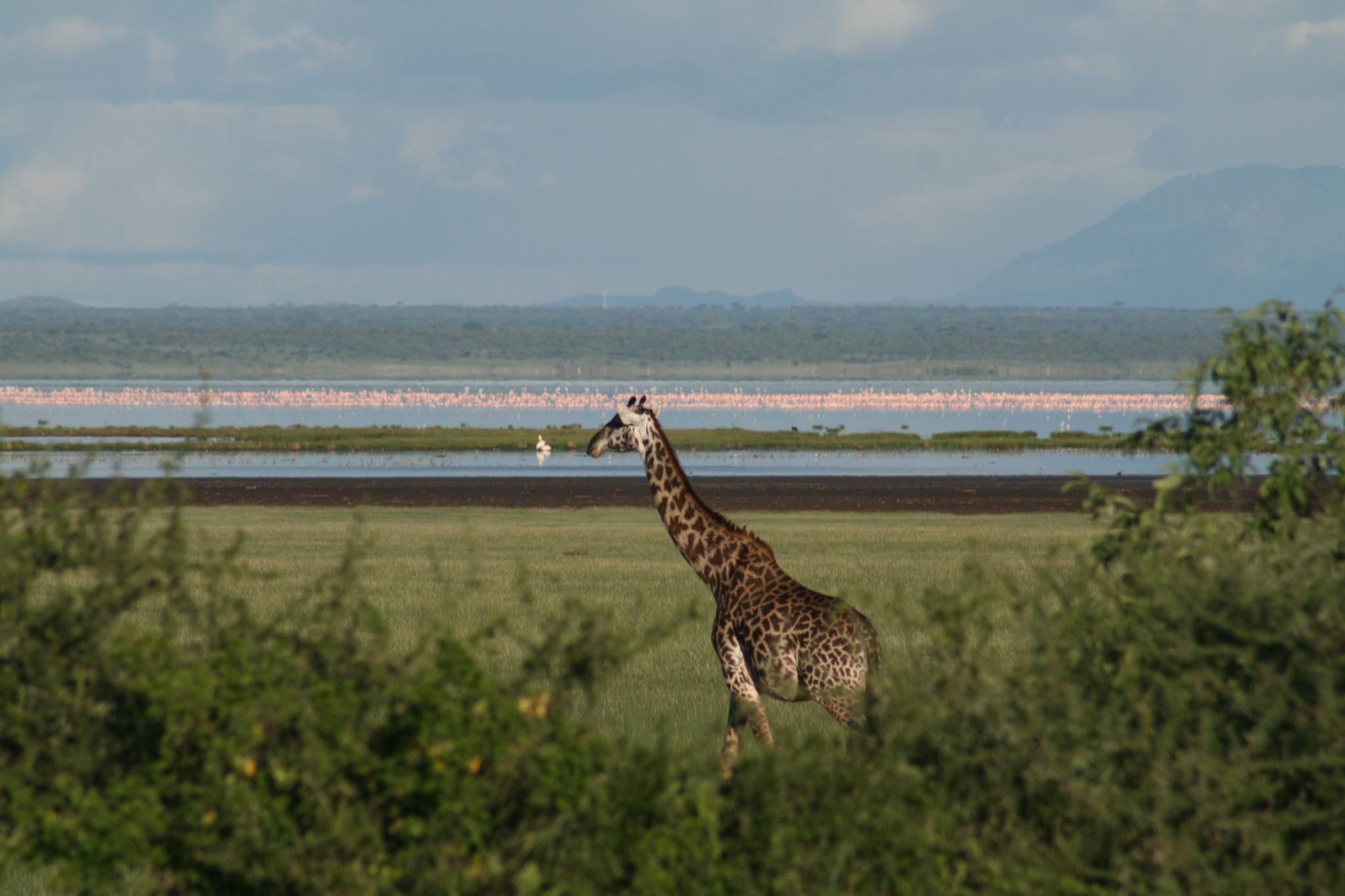
Lake Manyara National Park is a compact yet ecologically diverse wildlife sanctuary located in northern Tanzania, covering 325 square kilometers between the sheer cliffs of the Great Rift Valley Escarpment and the glassy waters of Lake Manyara. Nearly two-thirds of the park’s total surface area is occupied by the alkaline soda lake itself, which regularly draws millions of pink flamingos and other waterbirds to its shallow edges. The remaining terrain features a dramatic sequence of habitats, moving from a dense groundwater forest populated by massive troops of olive baboons and blue monkeys to open acacia woodlands famous for sheltering rare tree-climbing lions. Its rich environment provides critical feeding grounds for large herds of elephants, Cape buffaloes, giraffes, and hippos wallowing at the Mto wa Mbu entry points, offering a visually stunning, rapid safari experience right on the doorstep of the broader Northern Safari Circui

Ngorongoro National Park

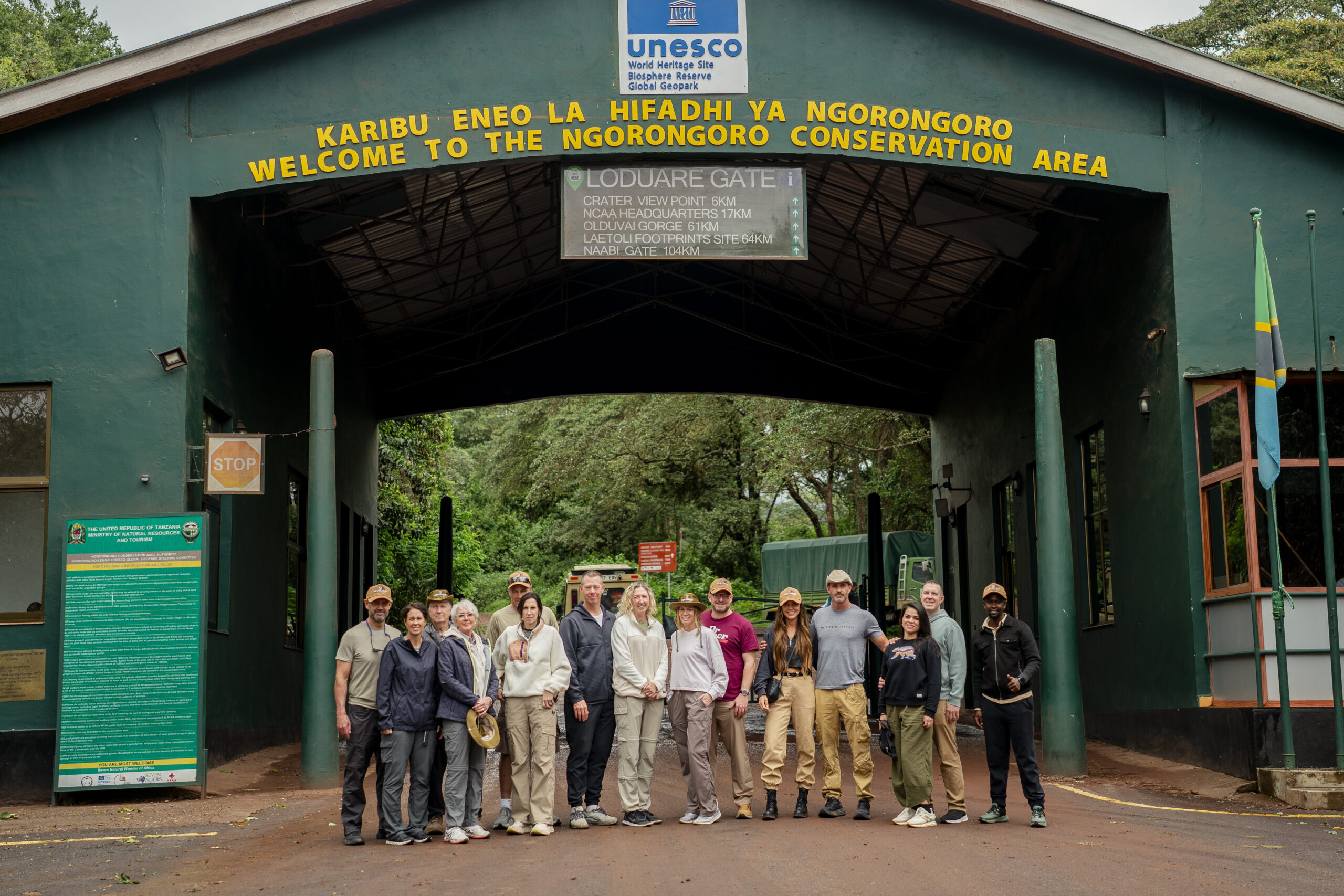
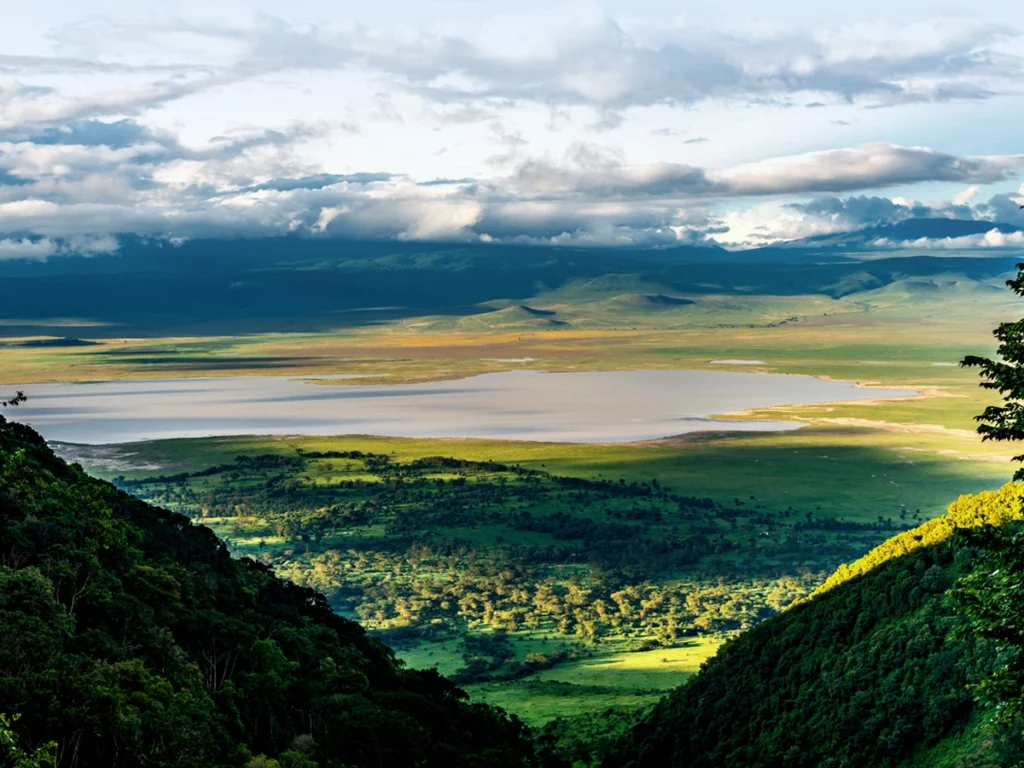
The Ngorongoro Conservation Area, frequently referred to as the Ngorongoro National Park, is a protected UNESCO World Heritage Site in northern Tanzania spanning 8,292 square kilometers across highland plains, savanna, and forests. At its heart lies the famous Ngorongoro Crater, the world’s largest inactive, intact, and unfilled volcanic caldera, which spans 260 square kilometers and drops 610 meters deep. This natural amphitheater functions as a self-sustaining eco-sanction sheltering roughly 30,000 large mammals, boasting the densest known population of mammalian predators in Africa—including prolific lion prides and spotted hyenas. Unlike traditional national parks, it operates as a multi-use territory where semi-nomadic Maasai pastoralists co-exist alongside the native wildlife, creating a globally unique socio-ecological landscape that also encompasses Olduvai Gorge, one of the most critical paleoanthropological sites for human origin research.

TARANGIRE National Park

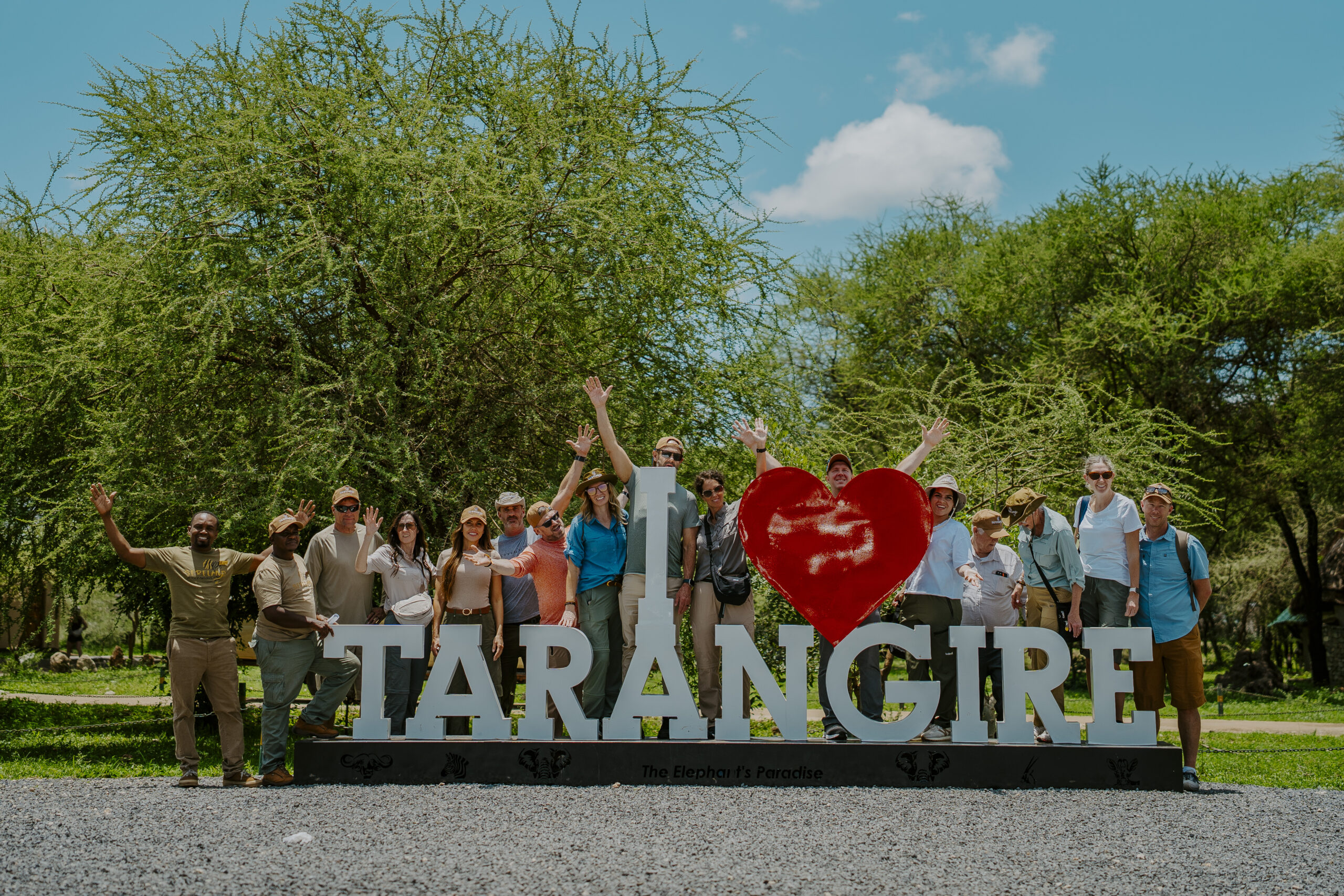
Tarangire National Park in Tanzania is a stunning wildlife sanctuary encompassing roughly 2,850 square kilometers in the Manyara Region, highly celebrated for its iconic baobab-studded landscapes and massive elephant populations. The park is bisected by the Tarangire River, which serves as the primary freshwater lifeline for thousands of migratory animals—including zebras, wildebeests, buffaloes, and elands—that converge on its banks during the annual dry season from June to October. Often described as a quieter, more intimate alternative to the Serengeti, Tarangire provides excellent big game viewing with high concentrations of lions, leopards, and cheetahs, alongside more than 550 distinct bird species.

Serengeti National Park

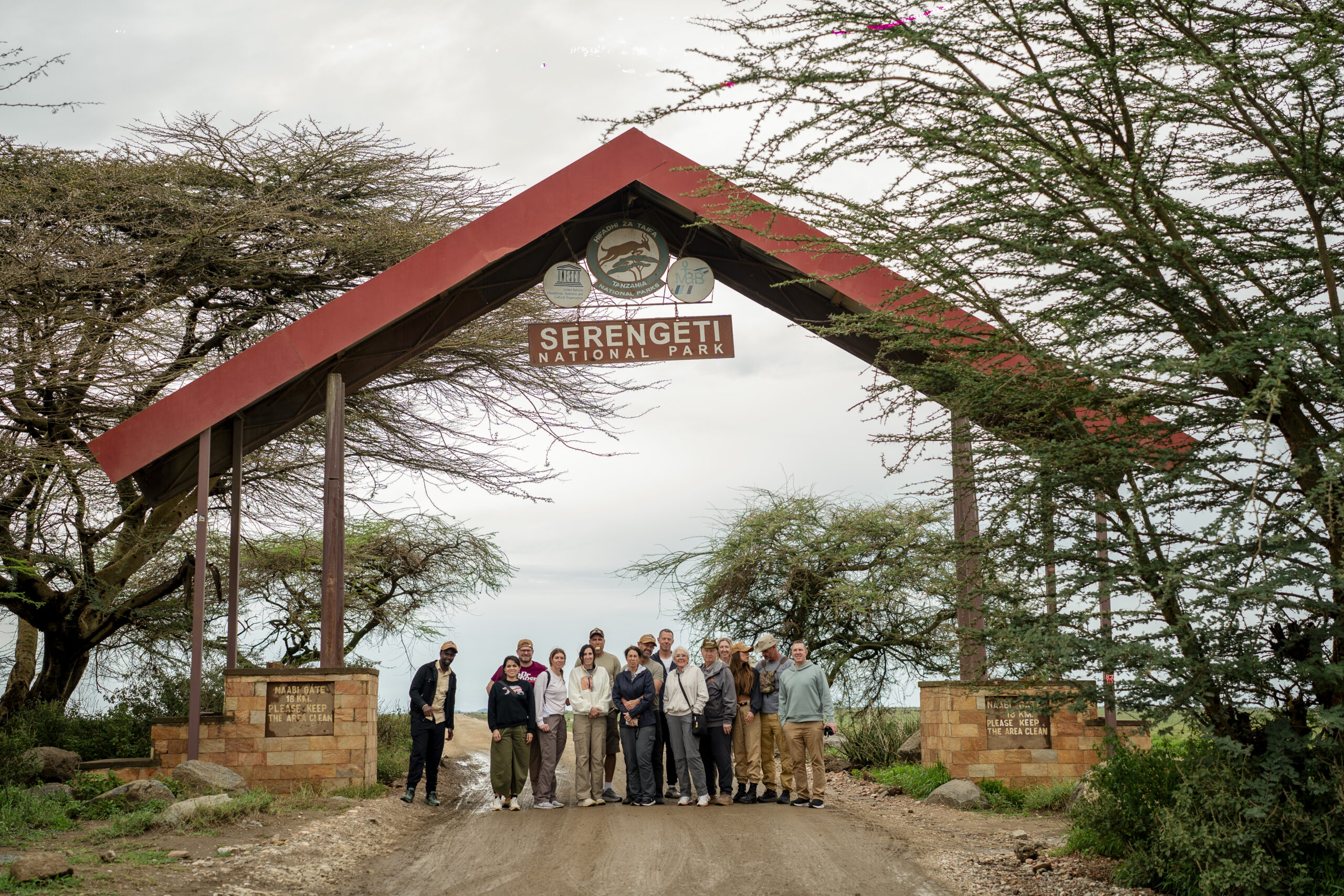
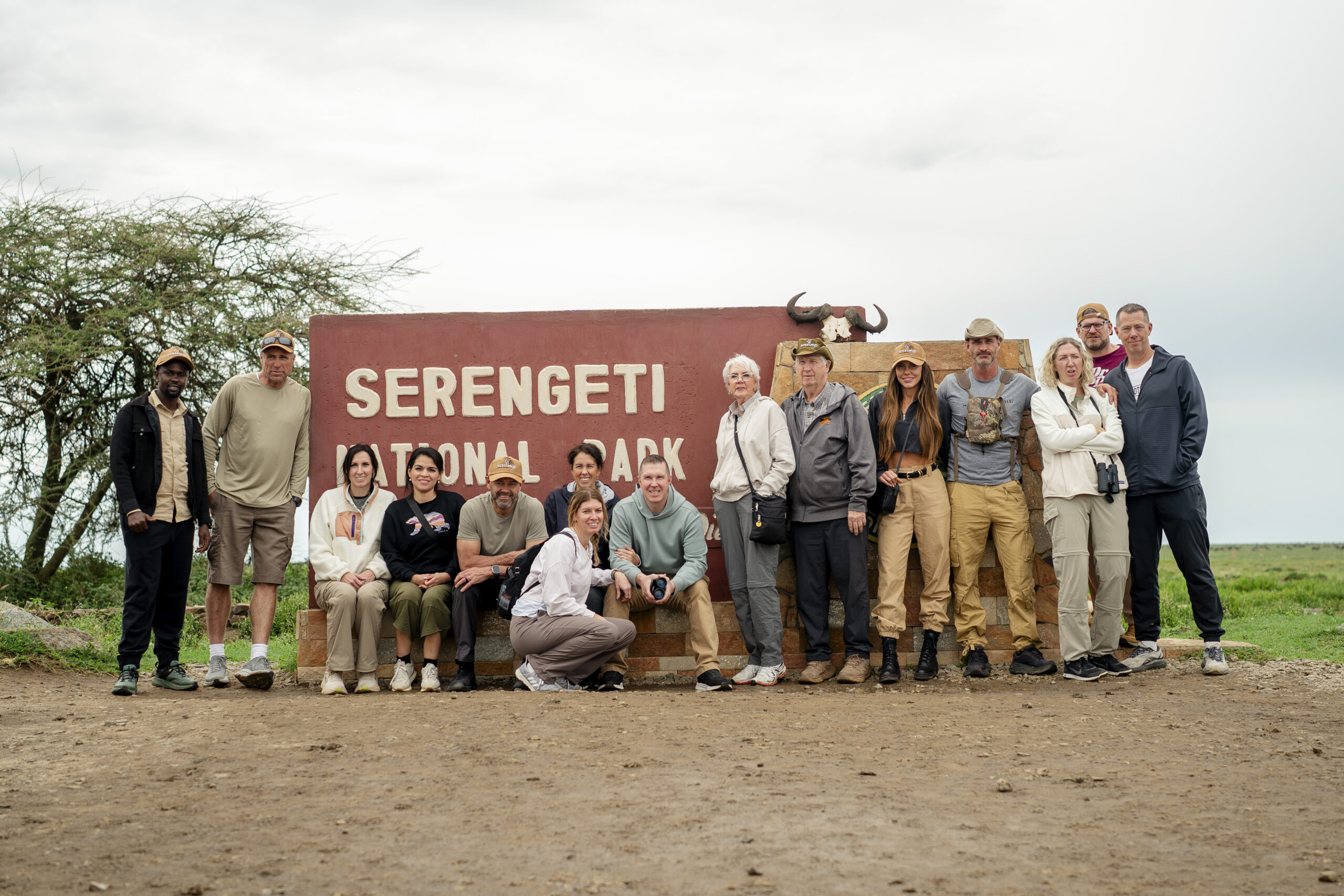
Serengeti National Park in Tanzania is a world-renowned wilderness area encompassing over 14,750 square kilometers of sprawling savanna, riverine forests, and woodlands. Famous for the Great Migration, the park plays host to millions of wildebeest, zebras, and gazelles as they trek across the plains in search of fresh pasture, closely pursued by a dense population of predators including lions, cheetahs, and leopards. As a designated UNESCO World Heritage Site, its unique ecosystems offer unparalleled wildlife viewing, making it a critical sanctuary for biodiversity and one of Africa’s premier safari destinations.