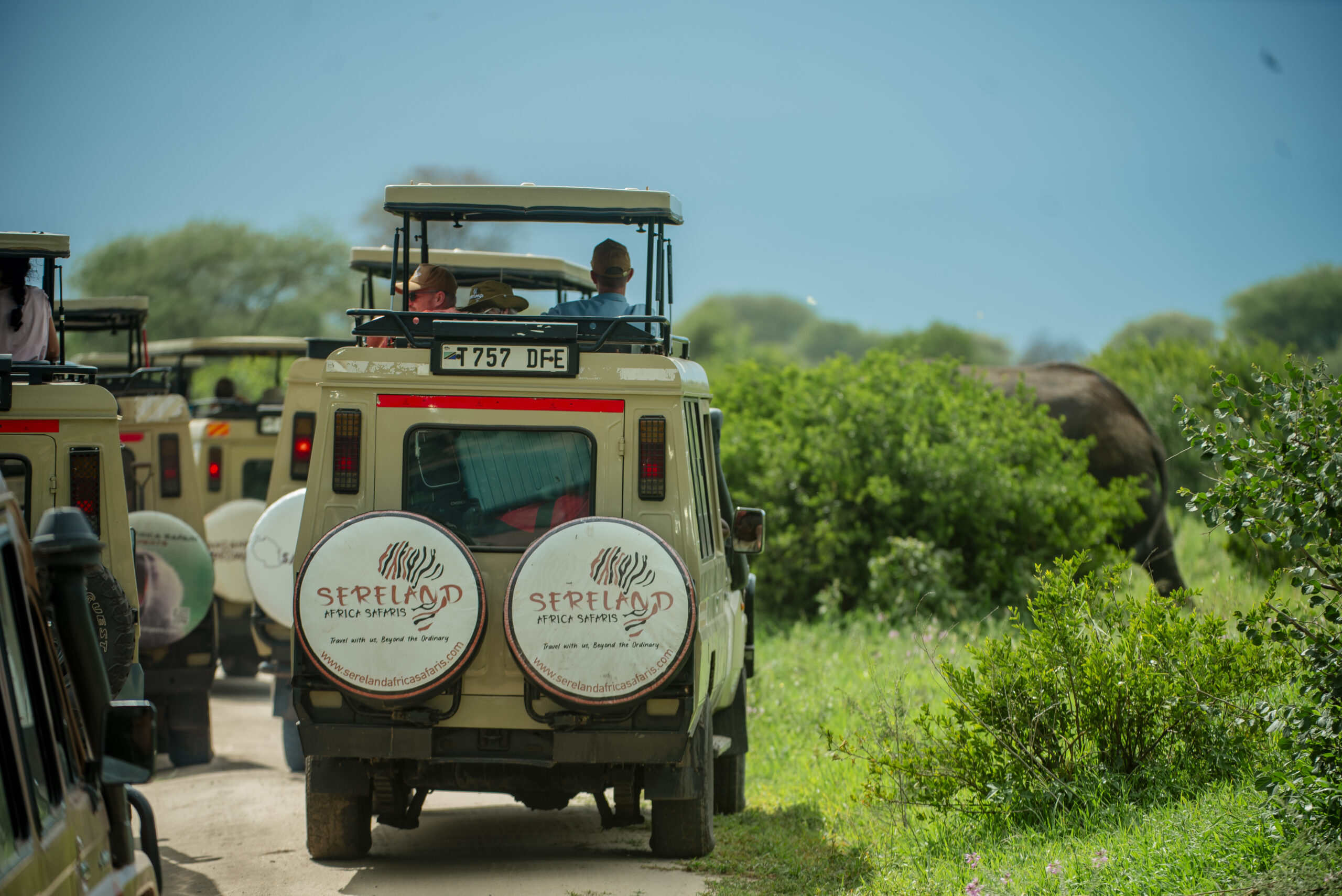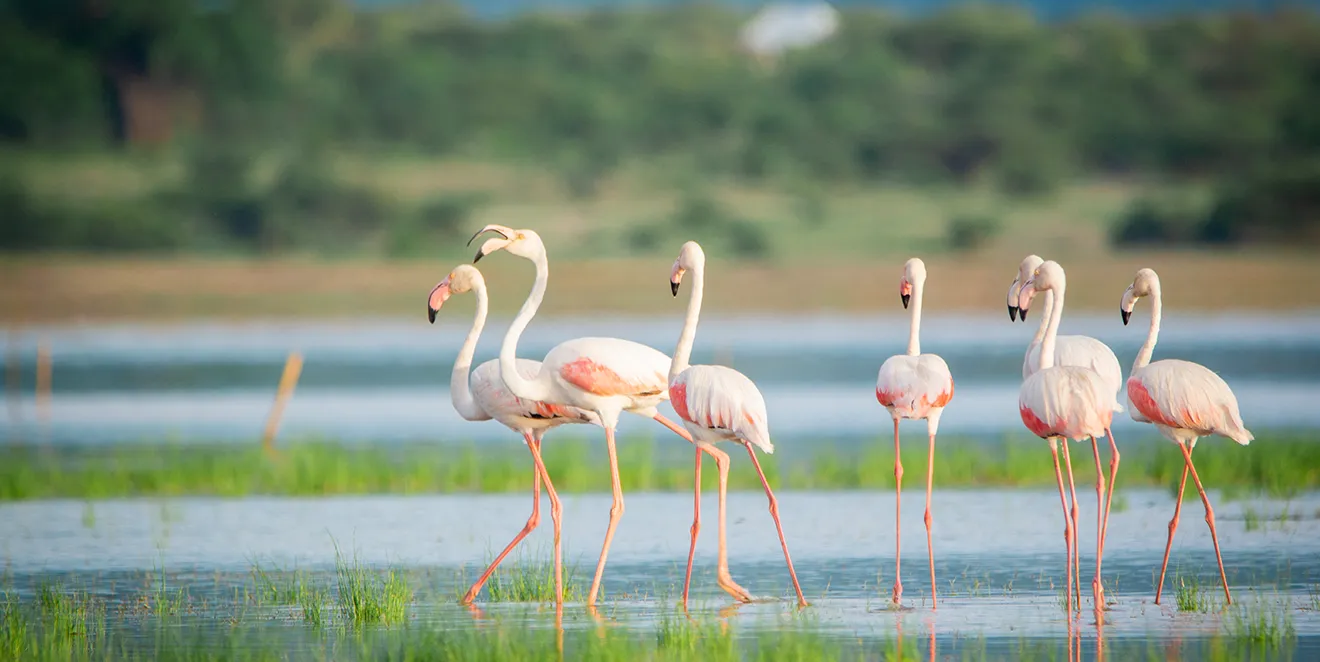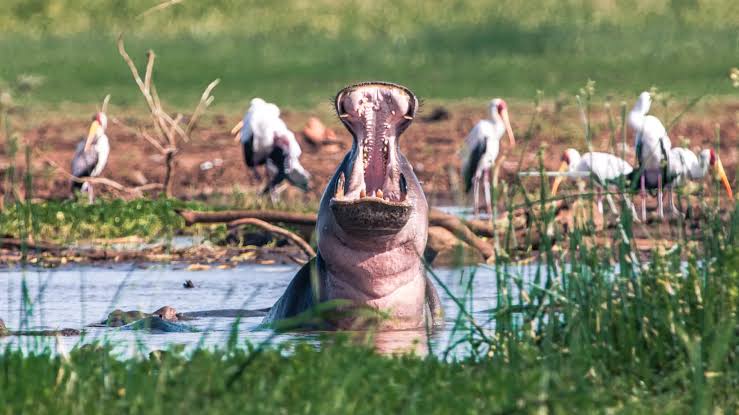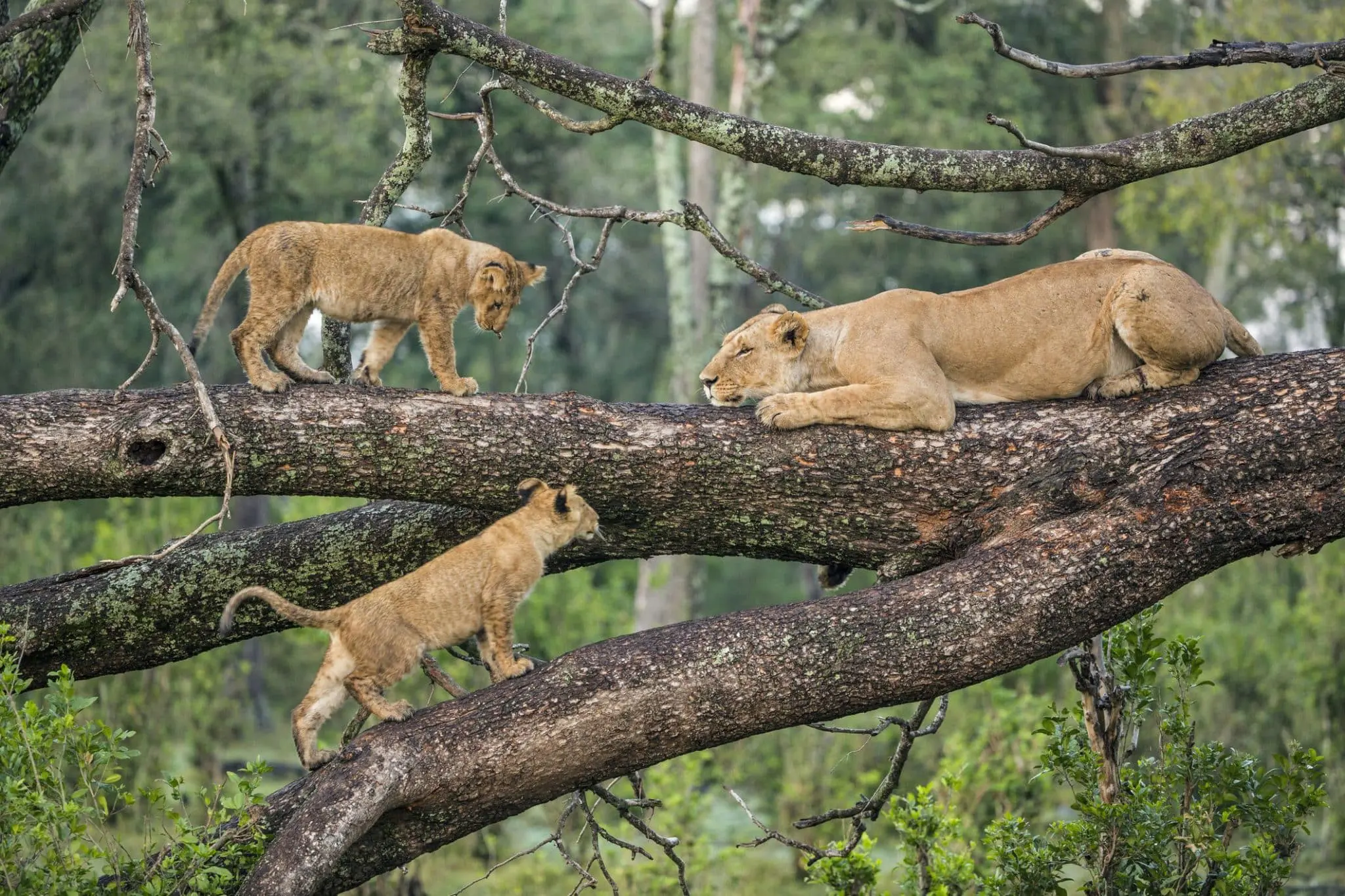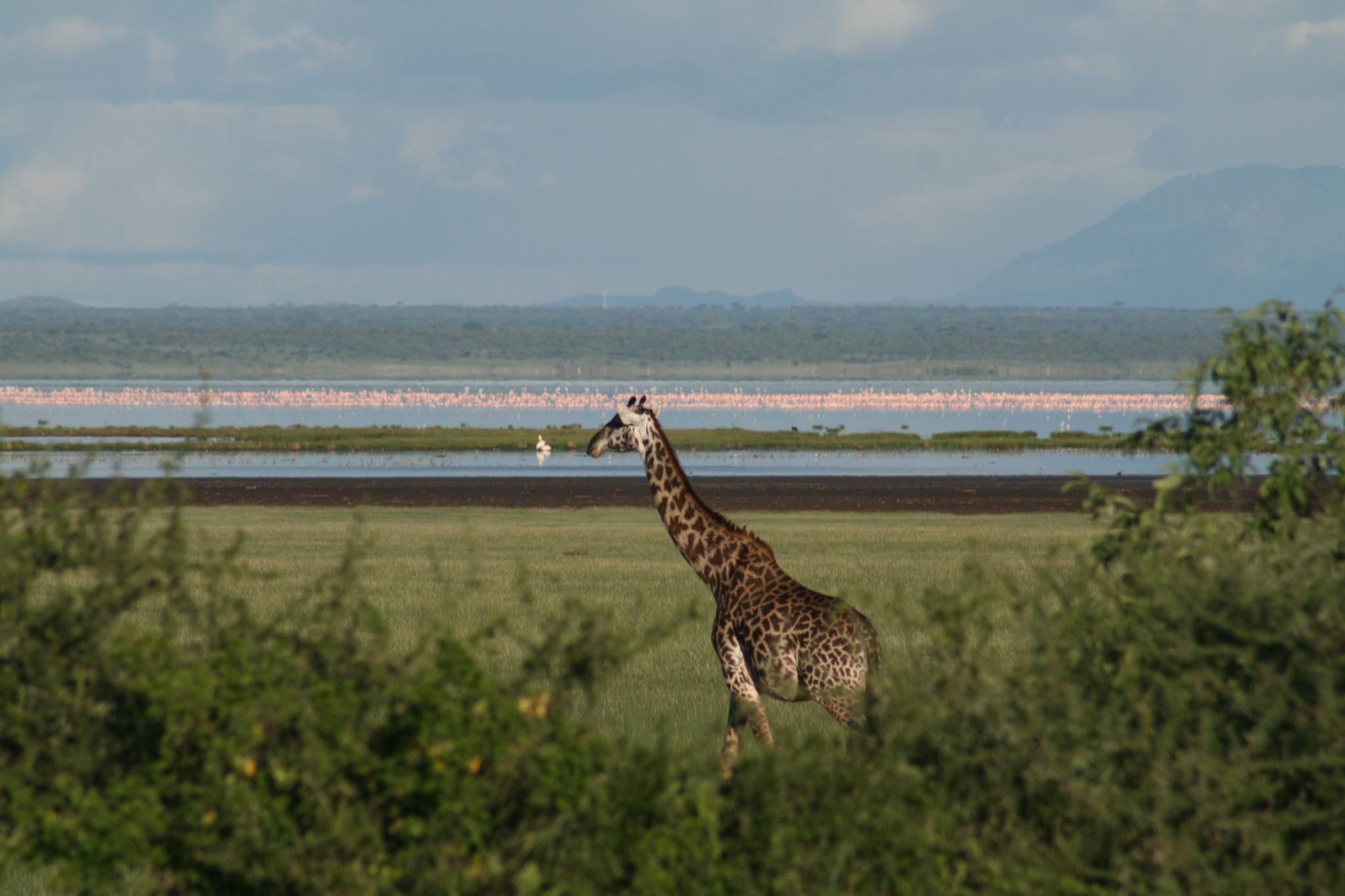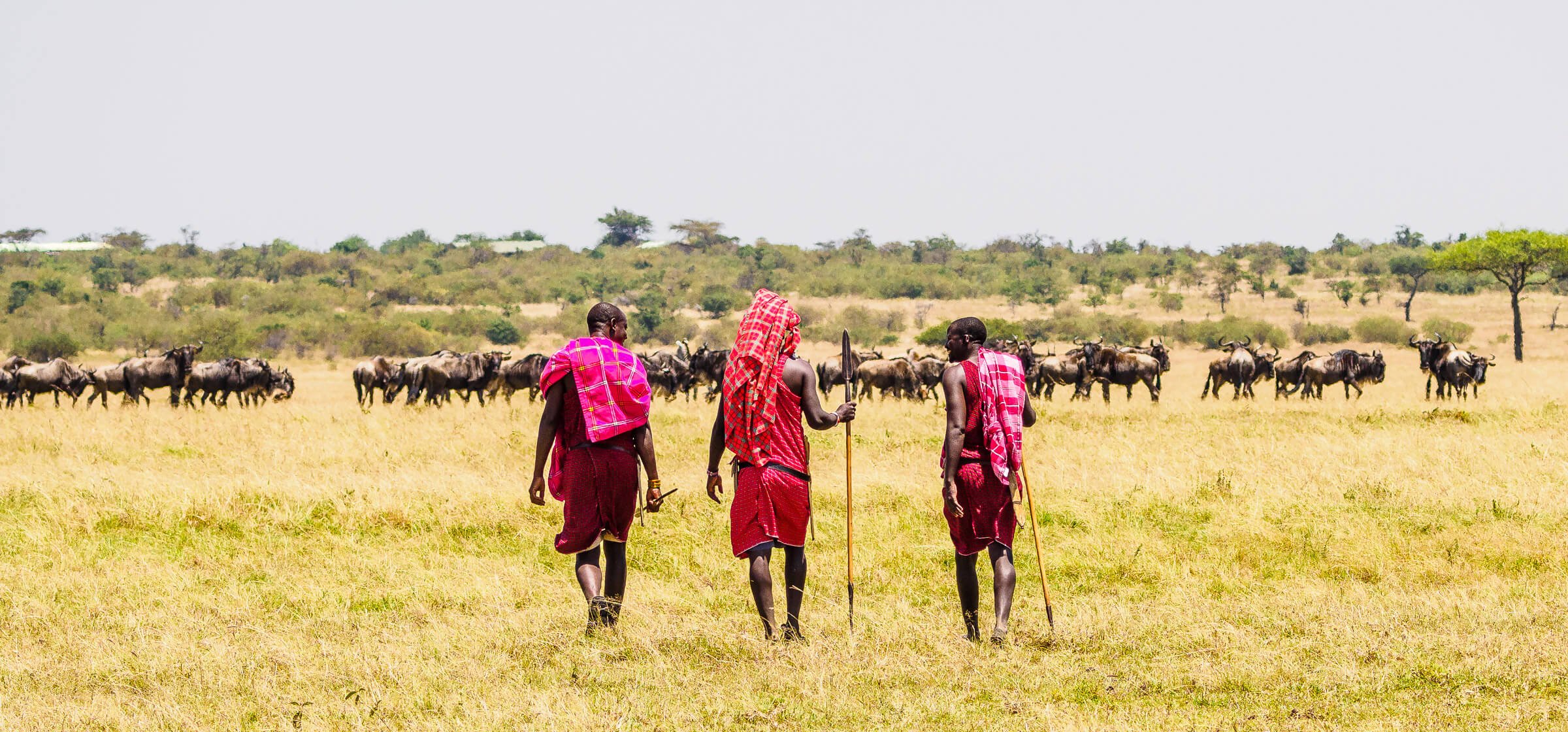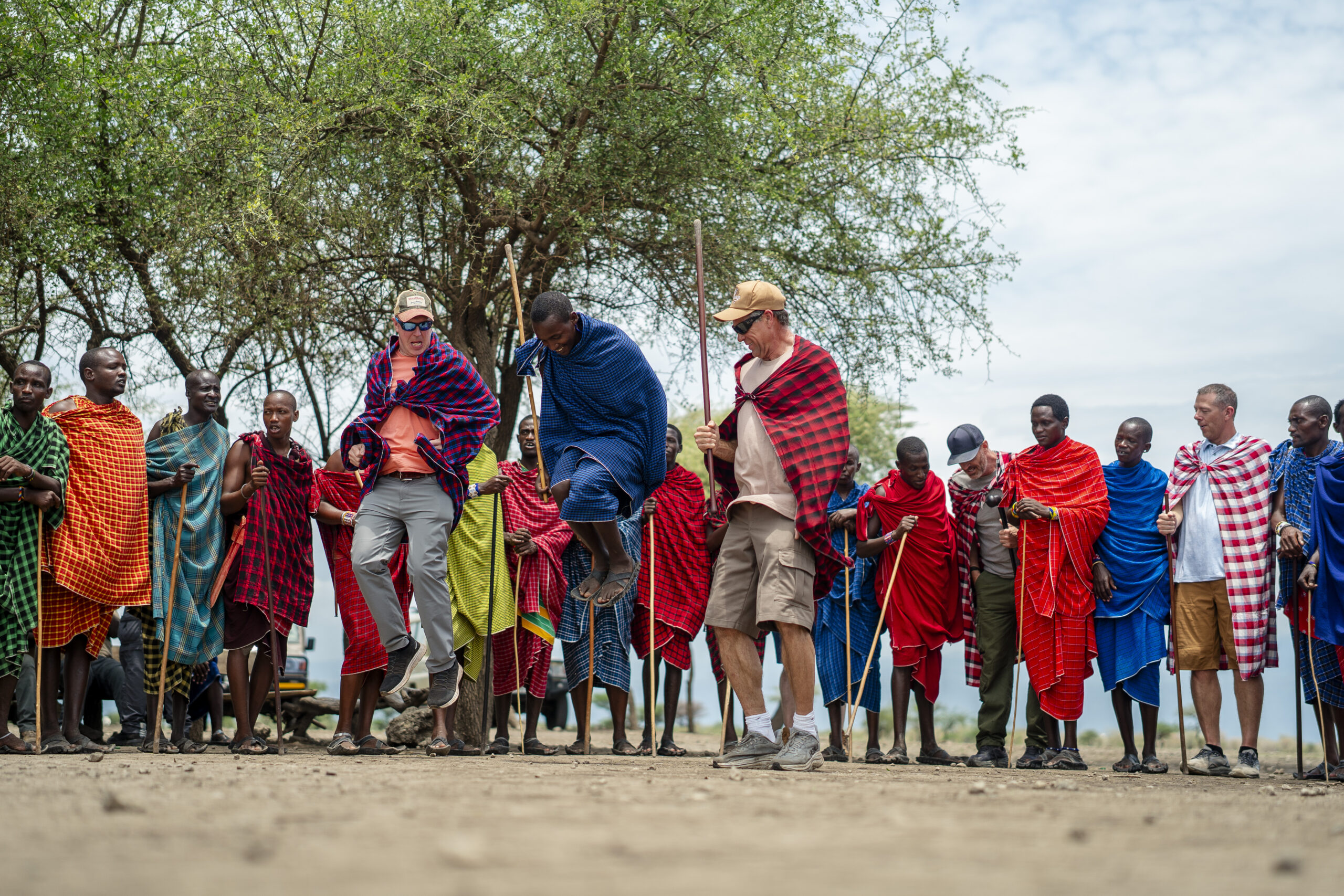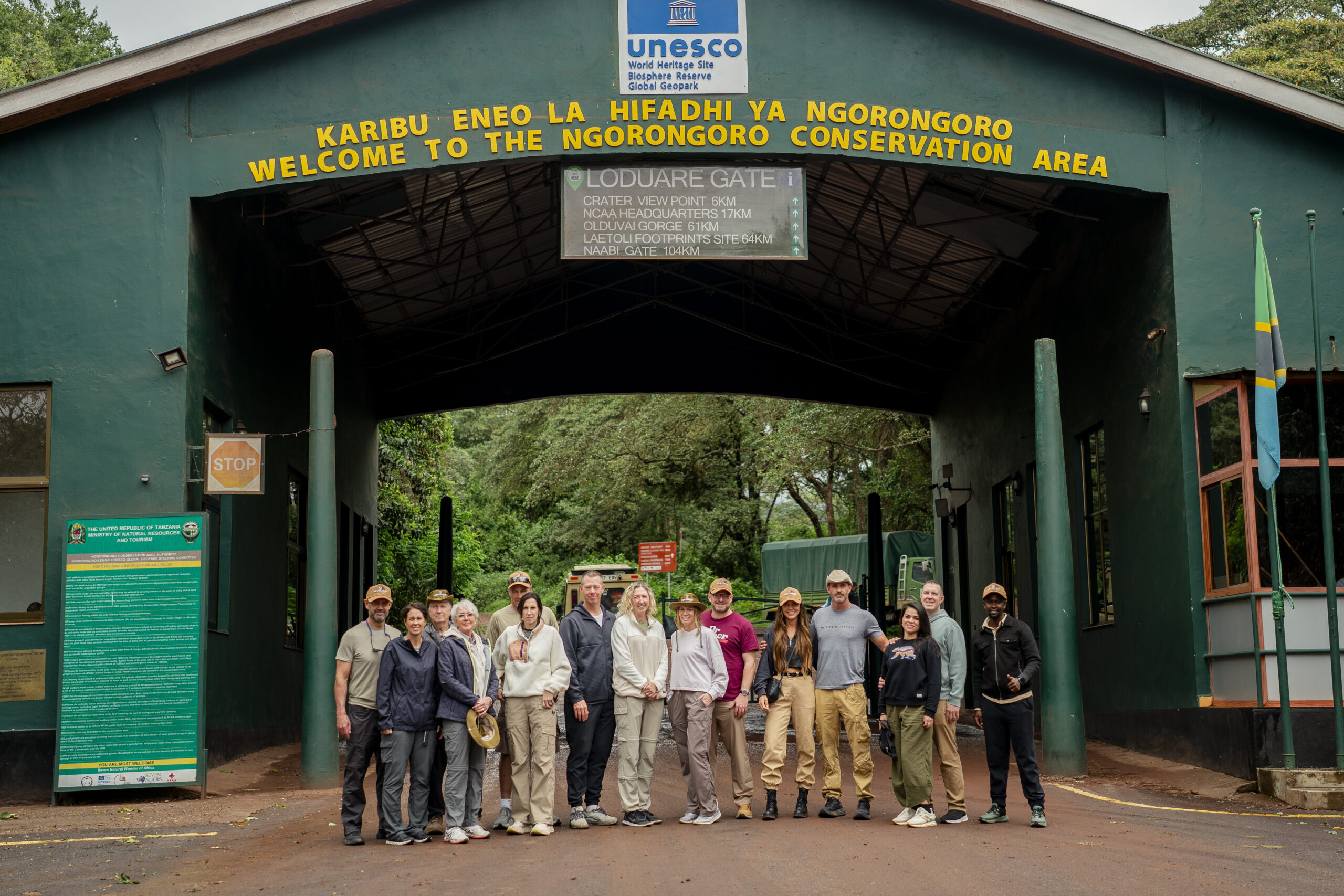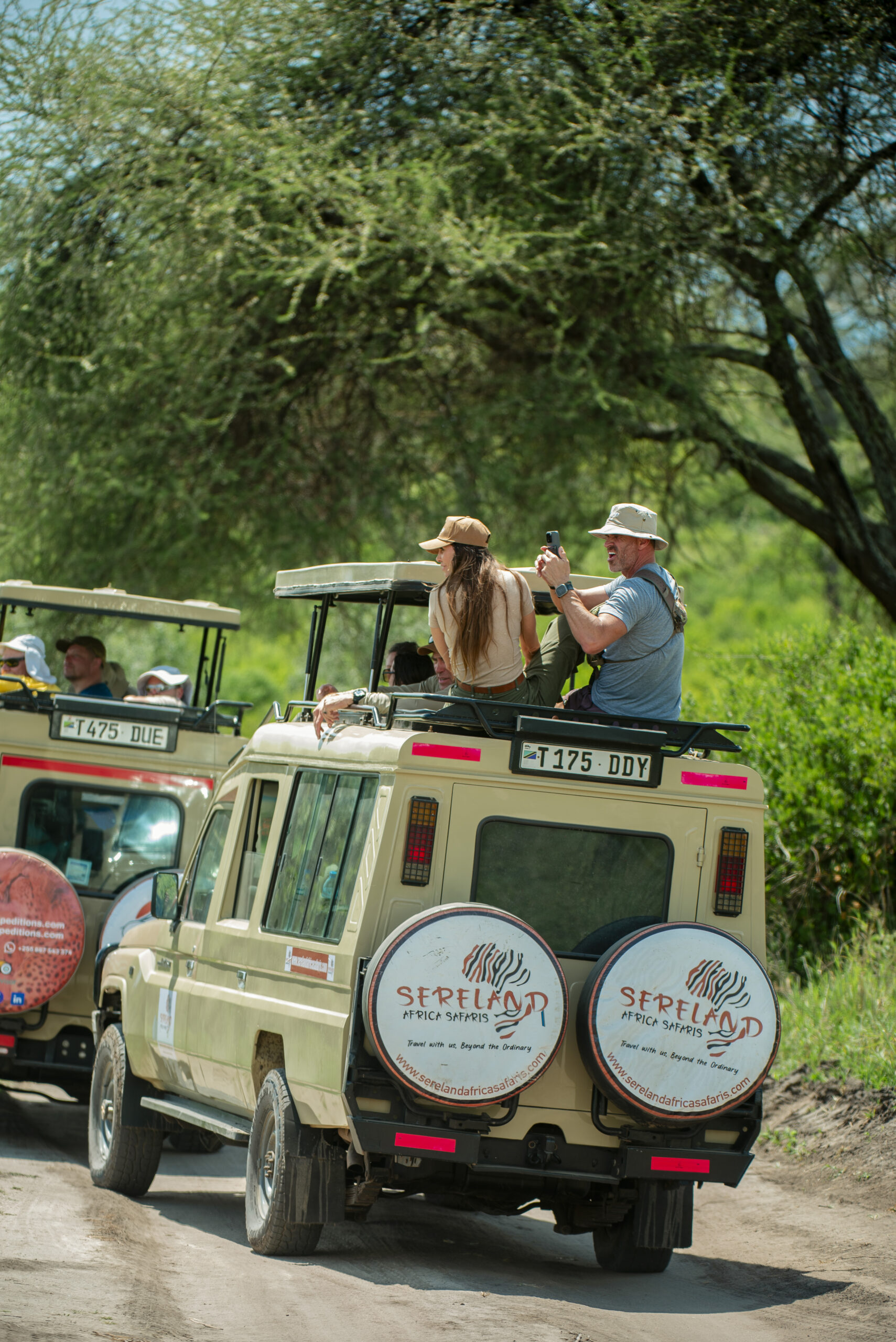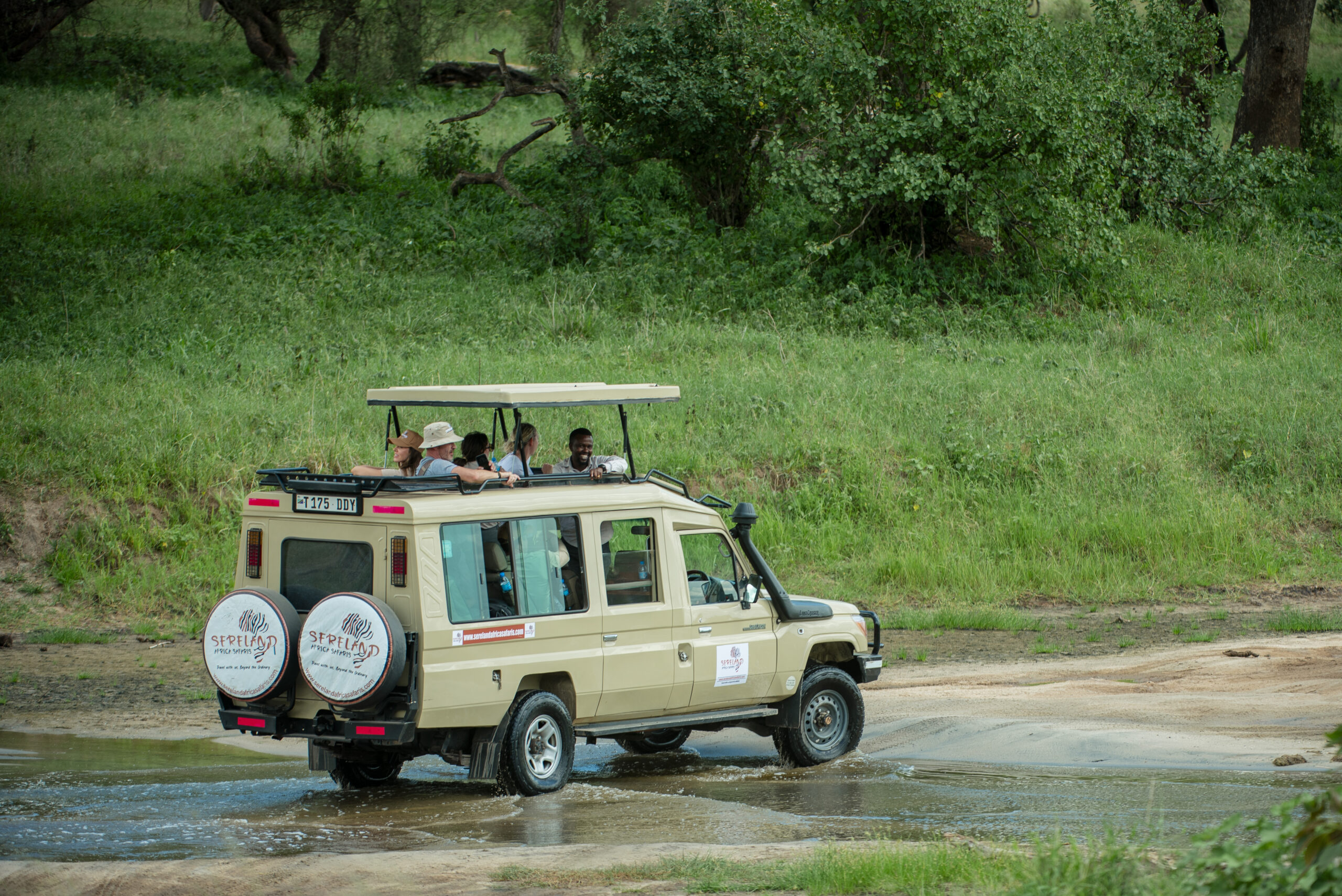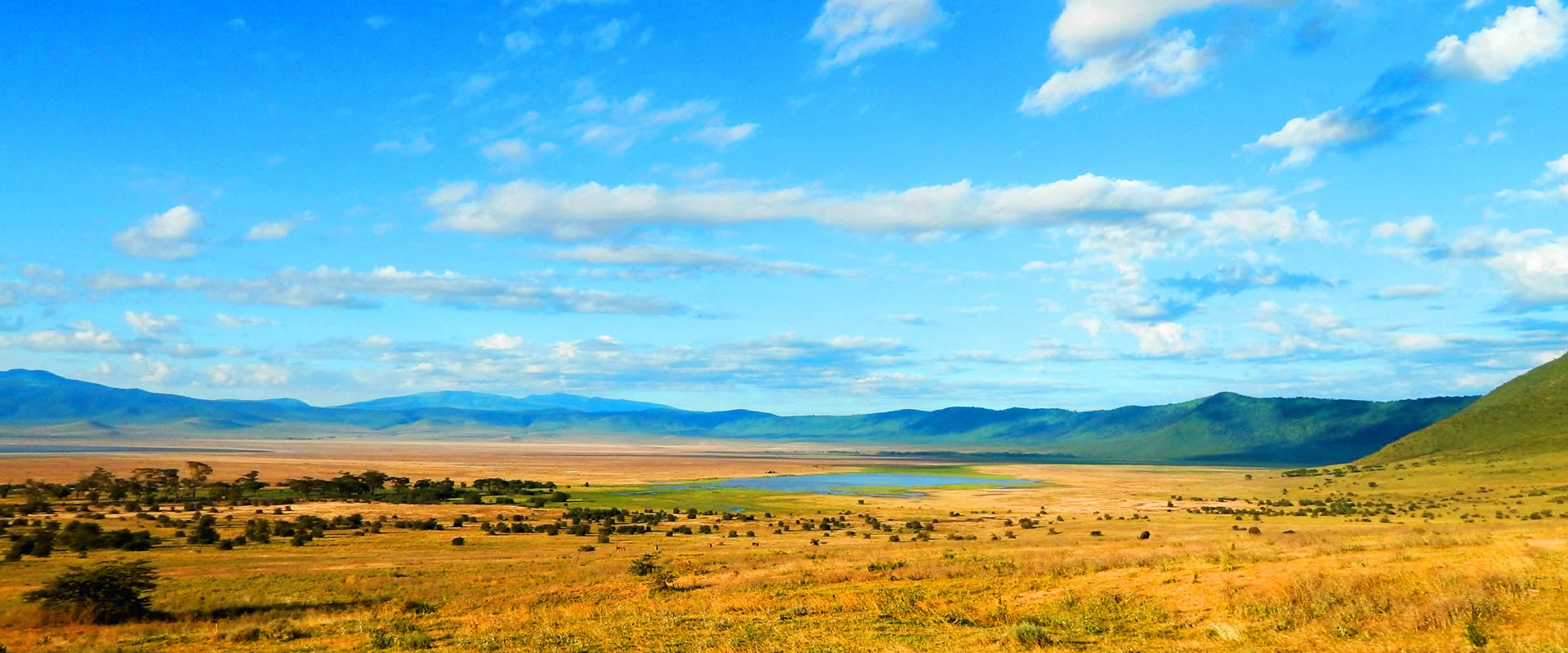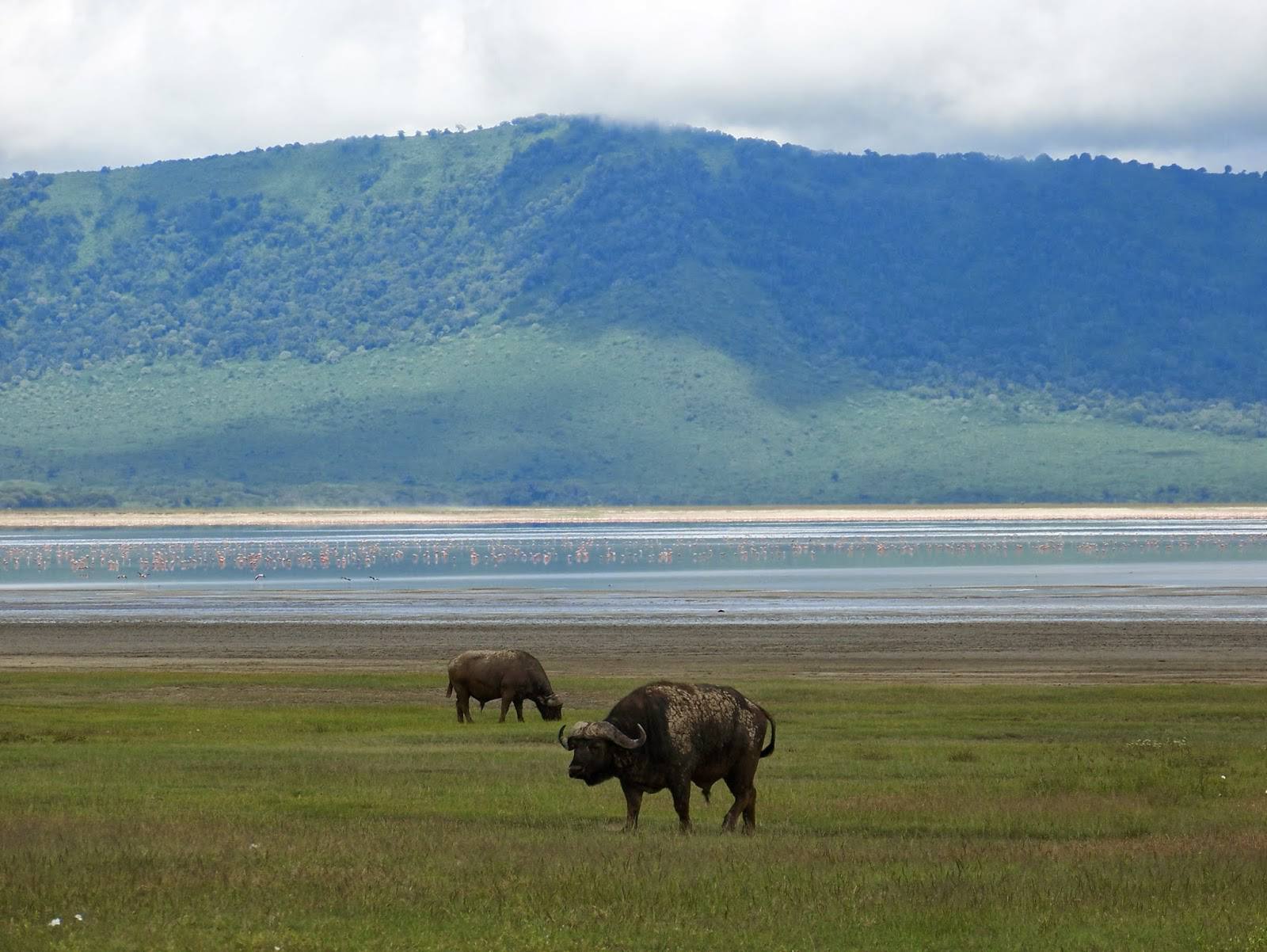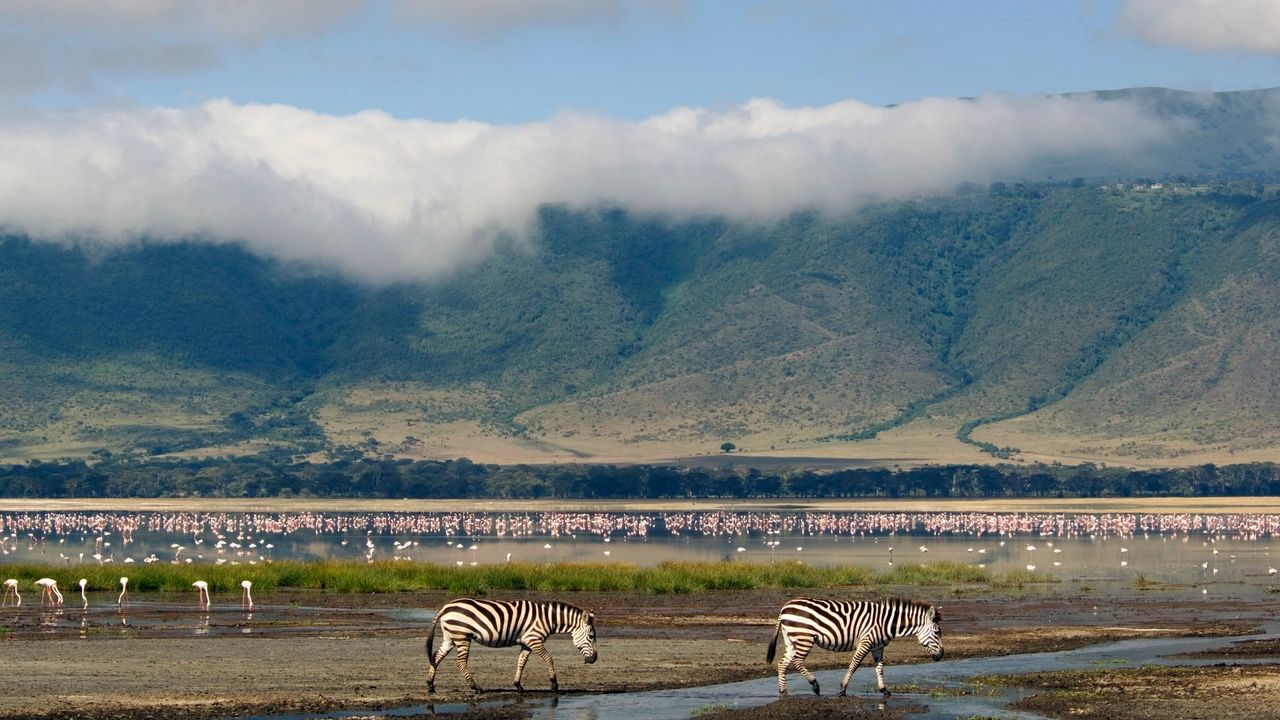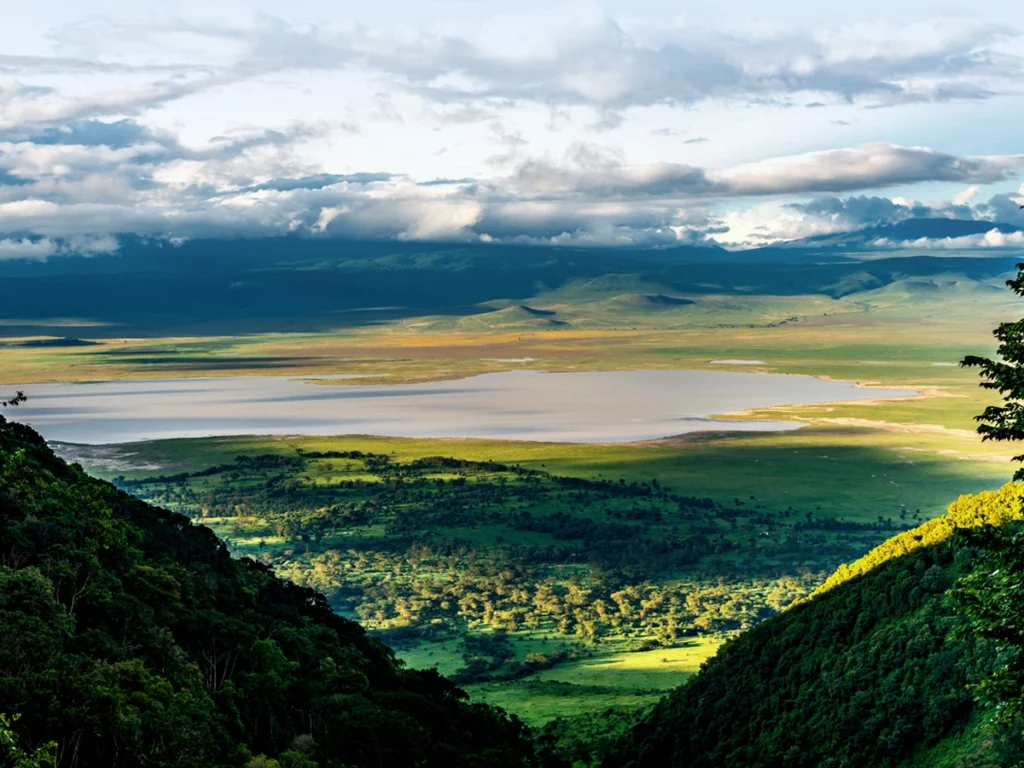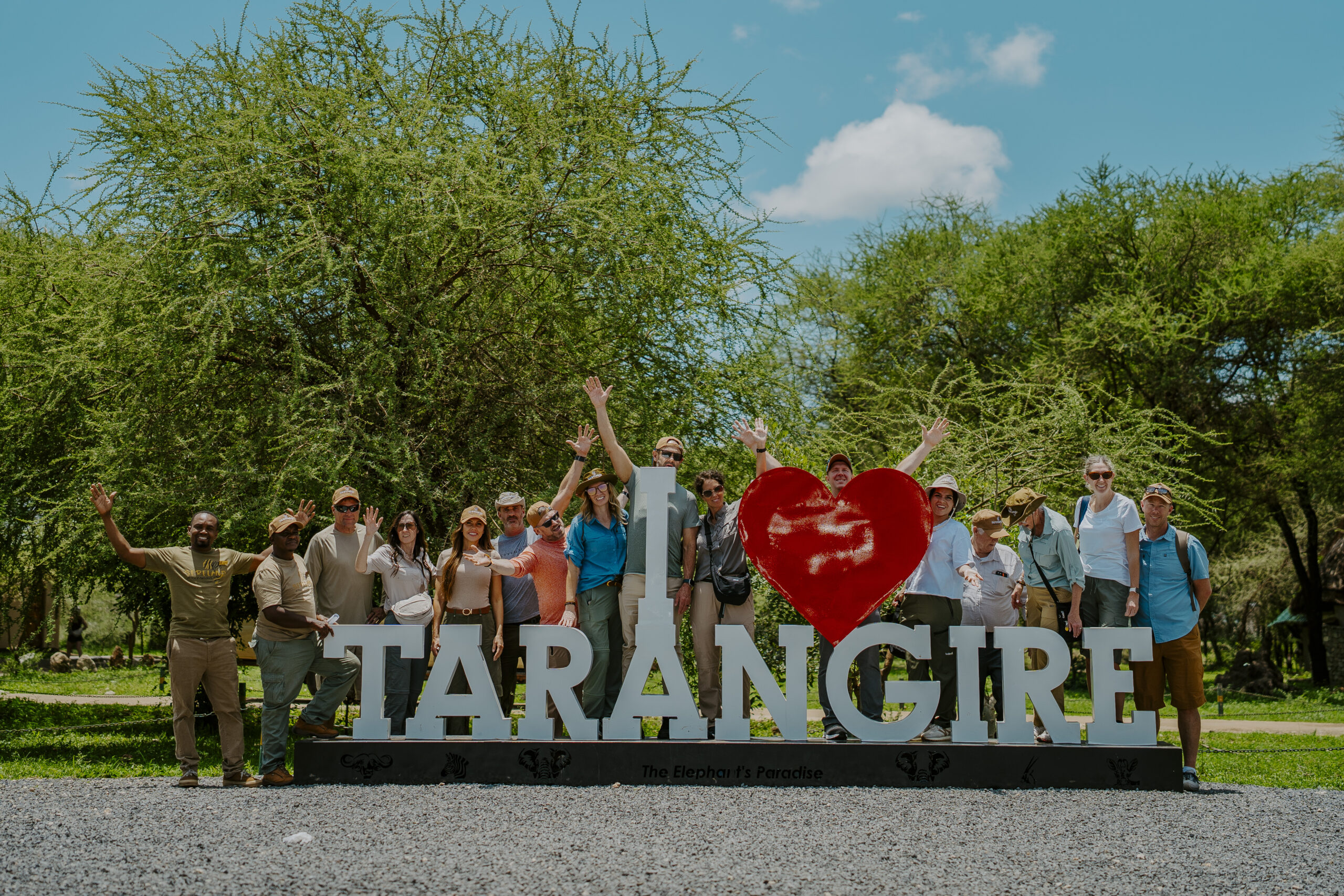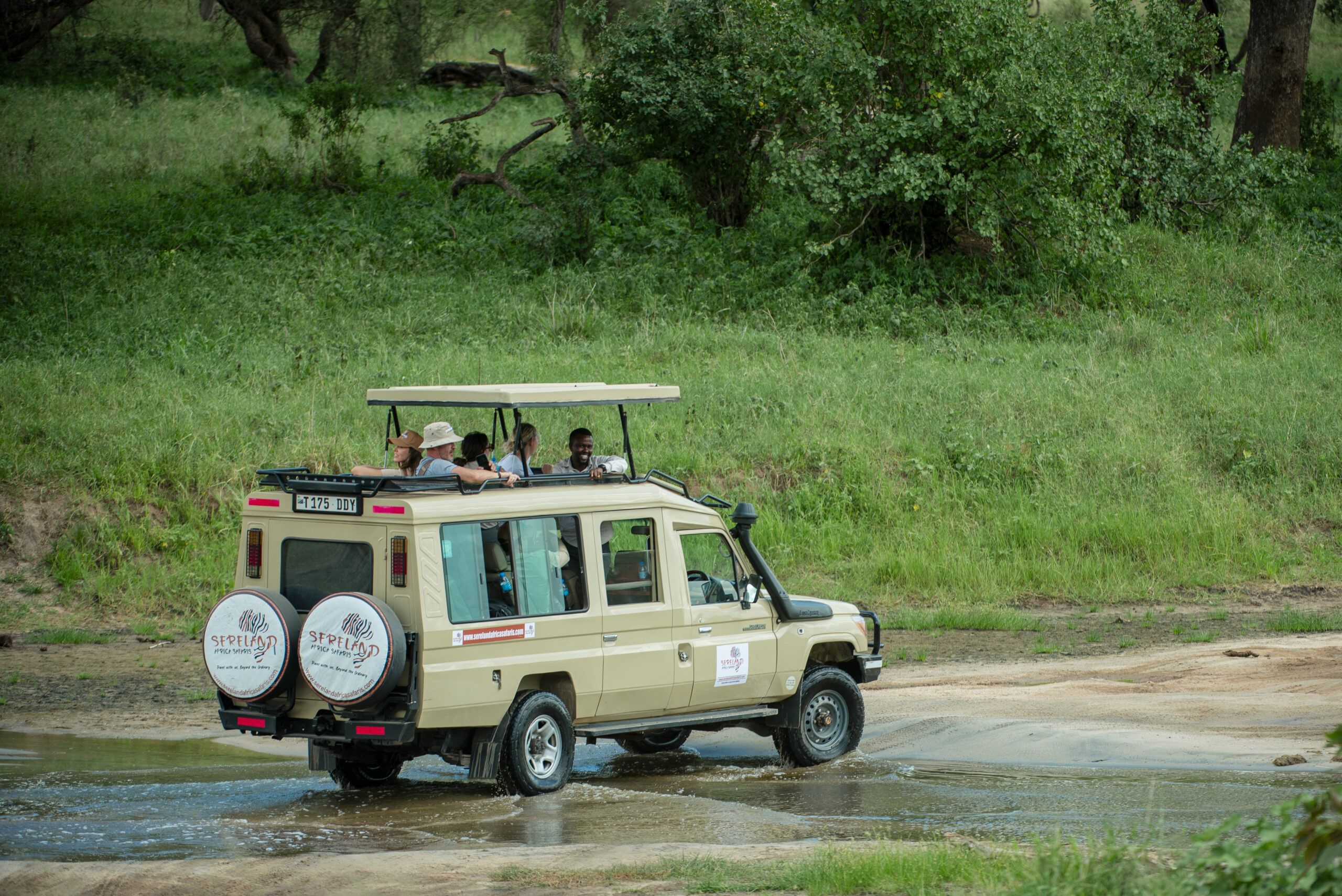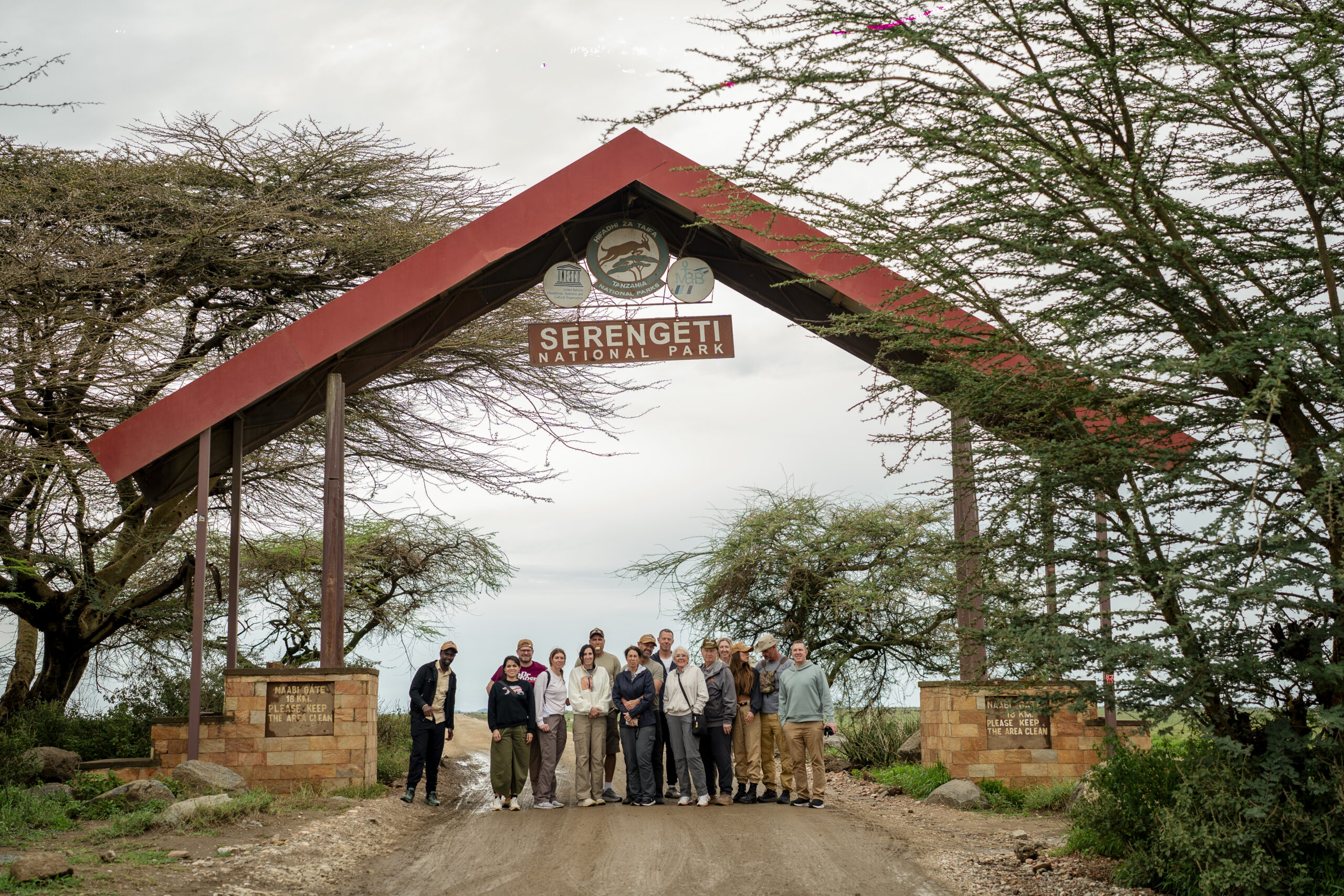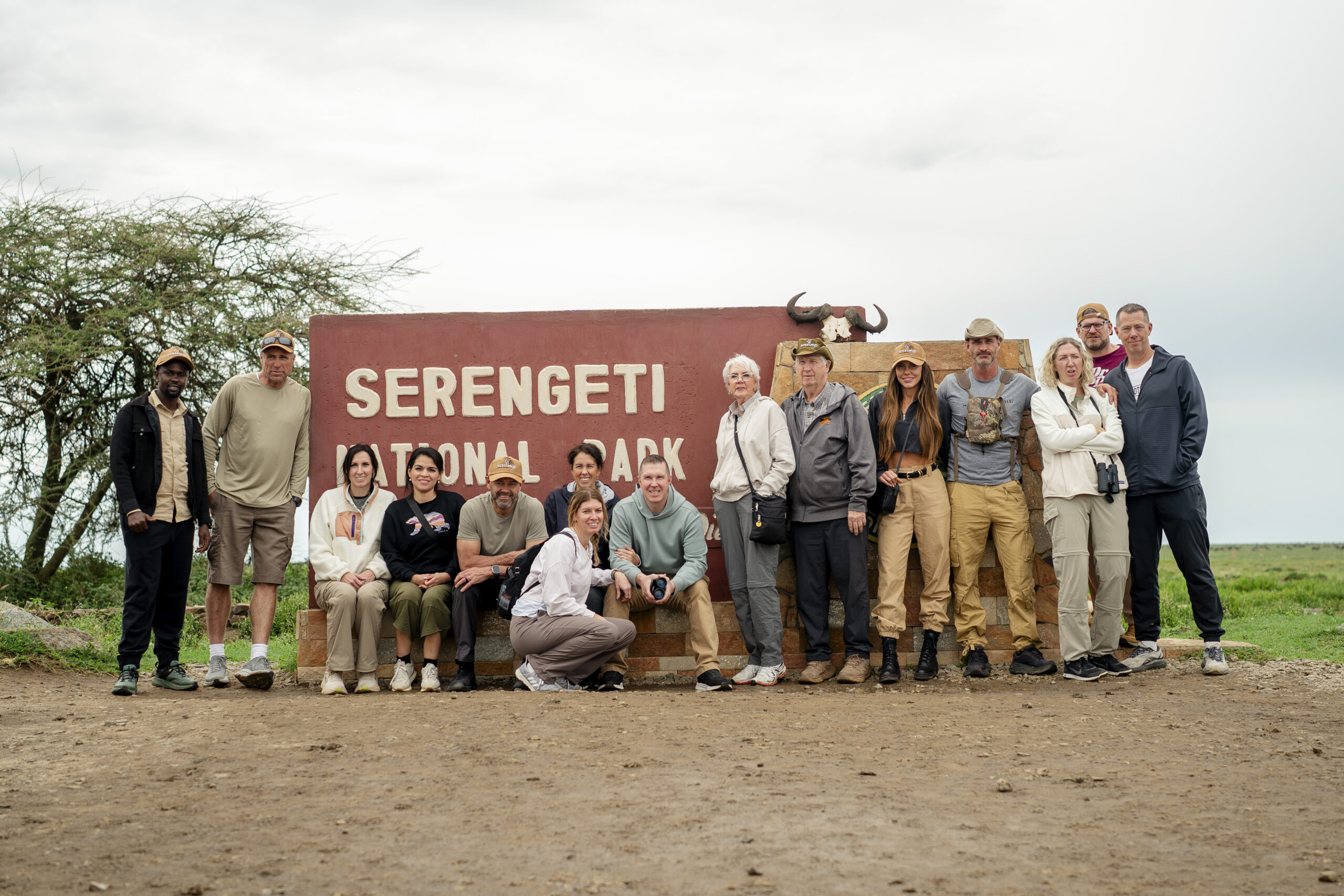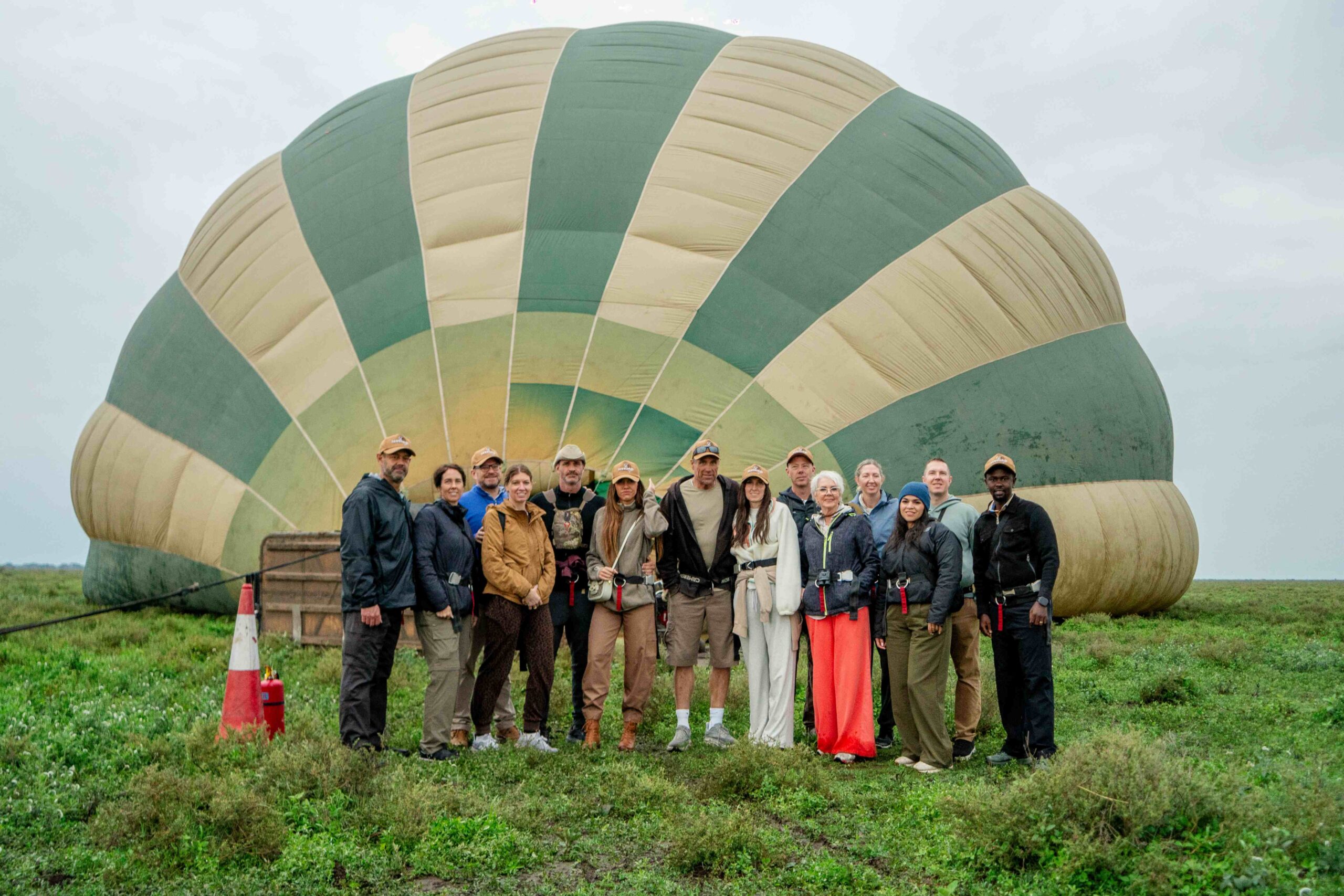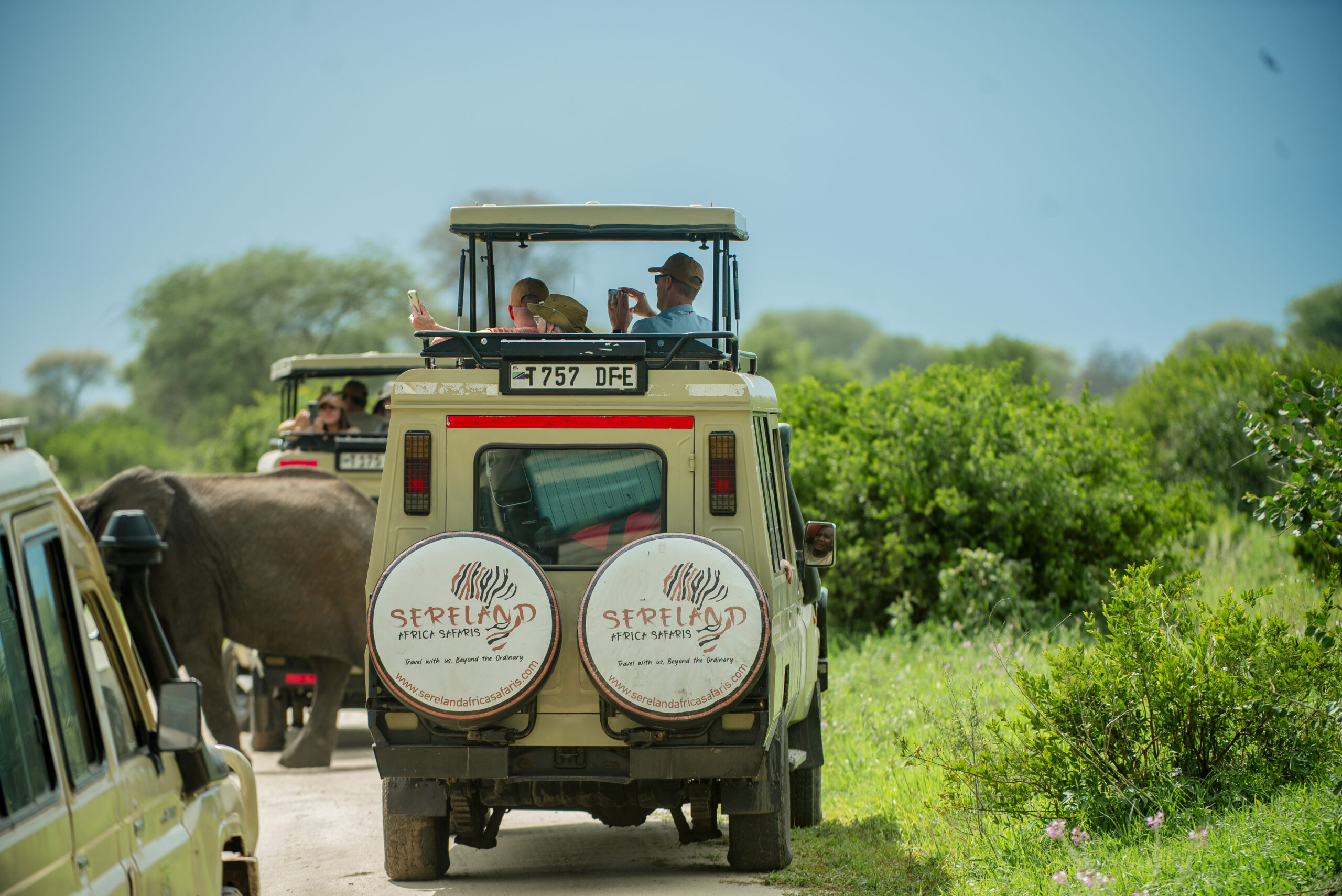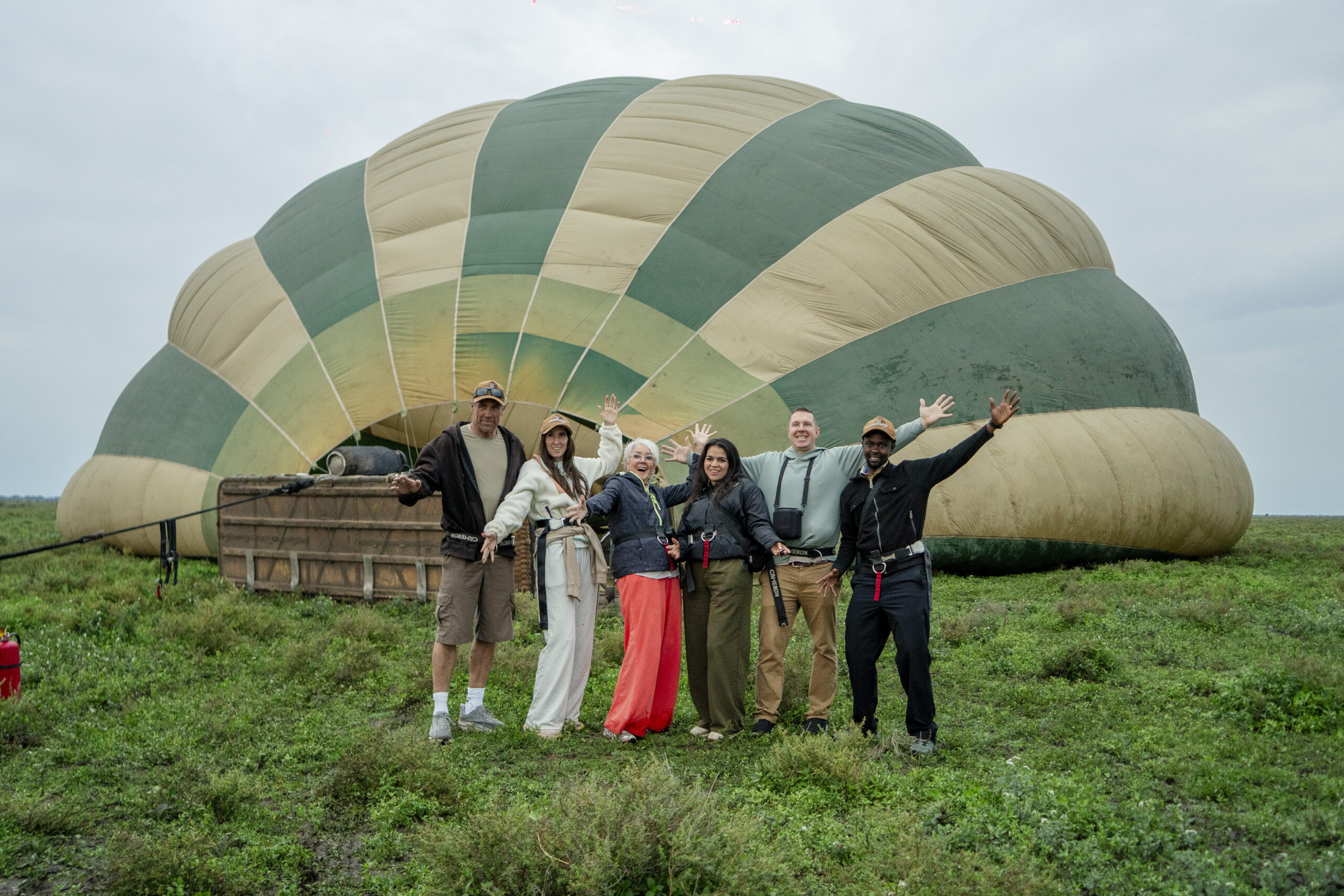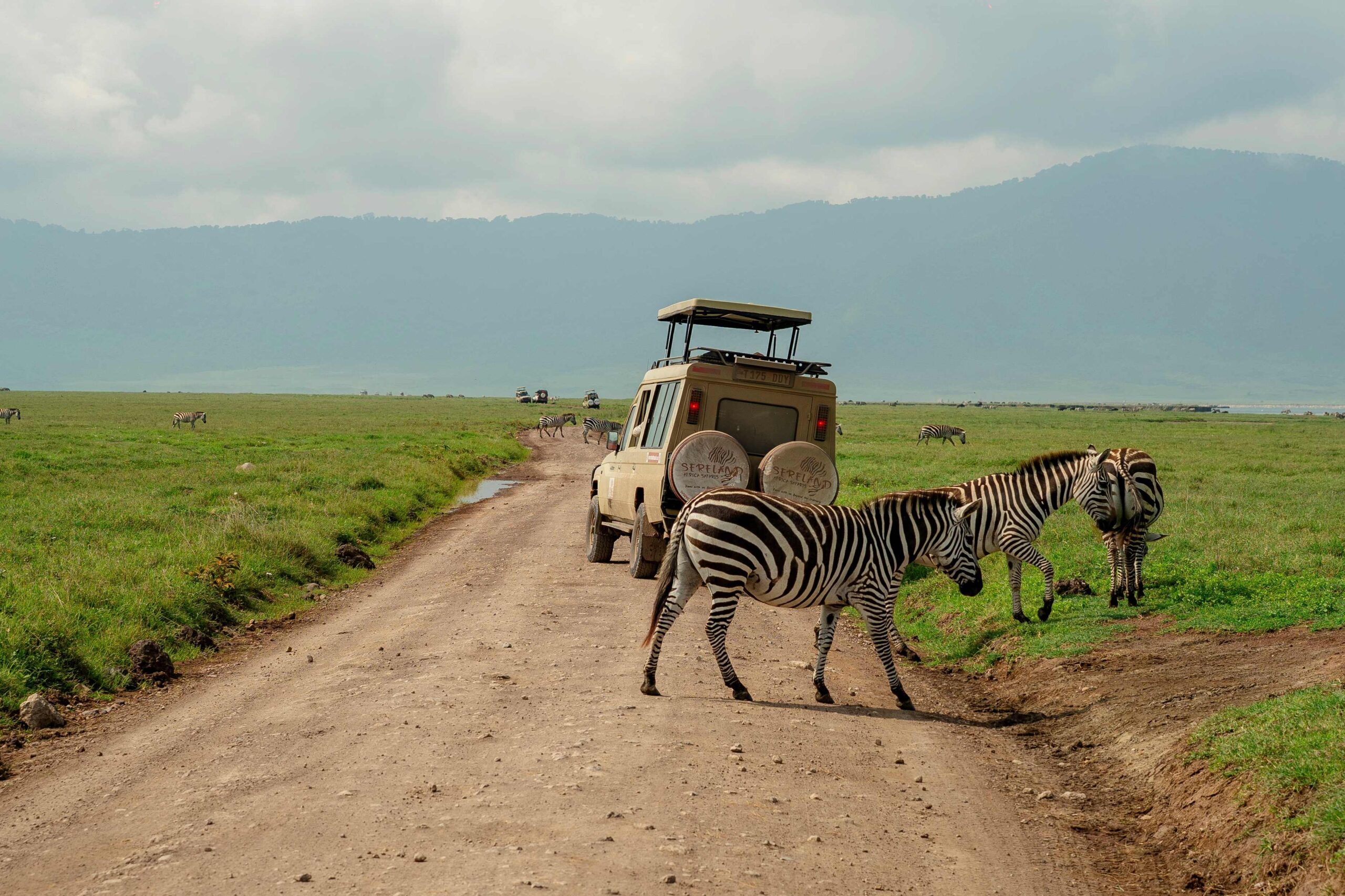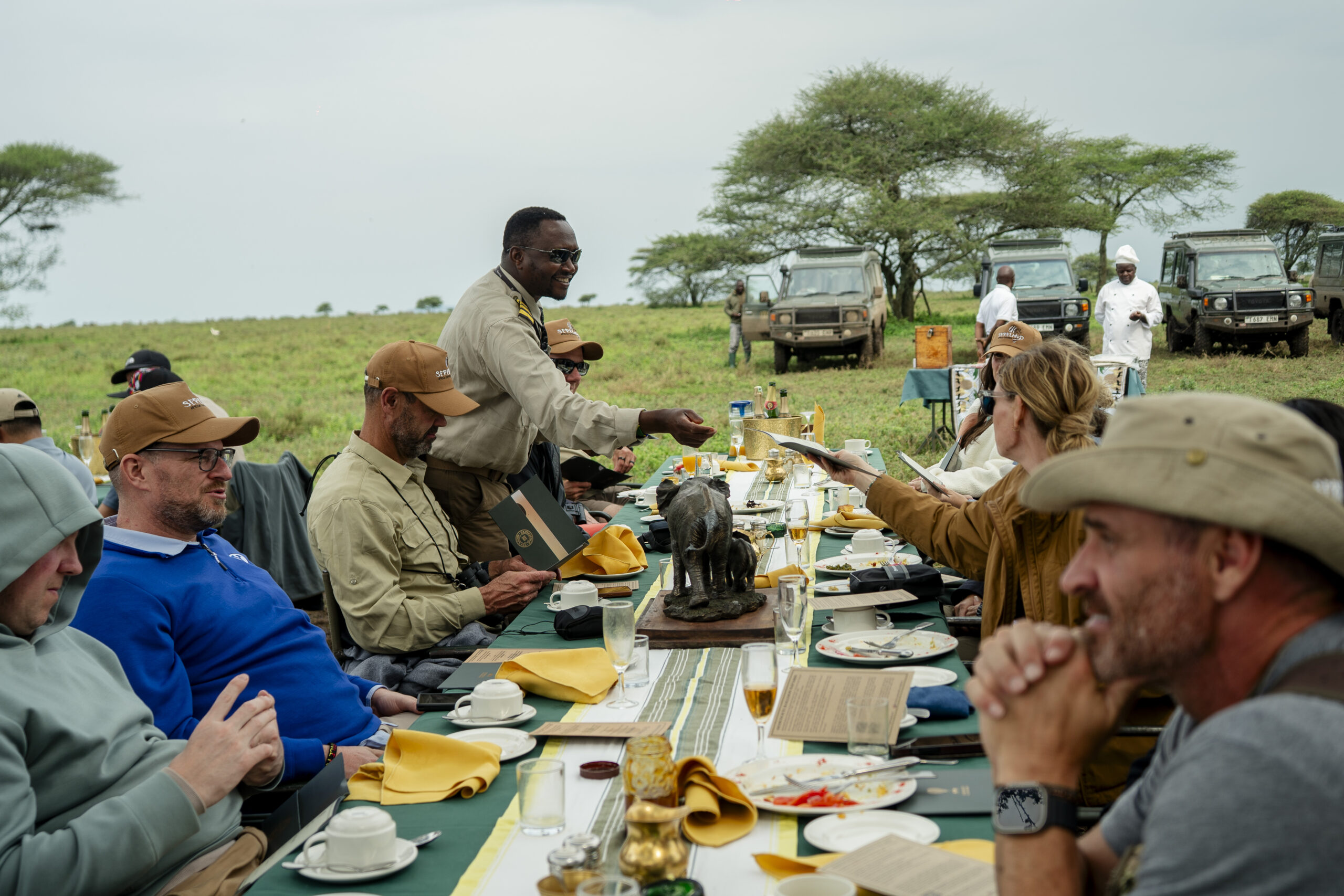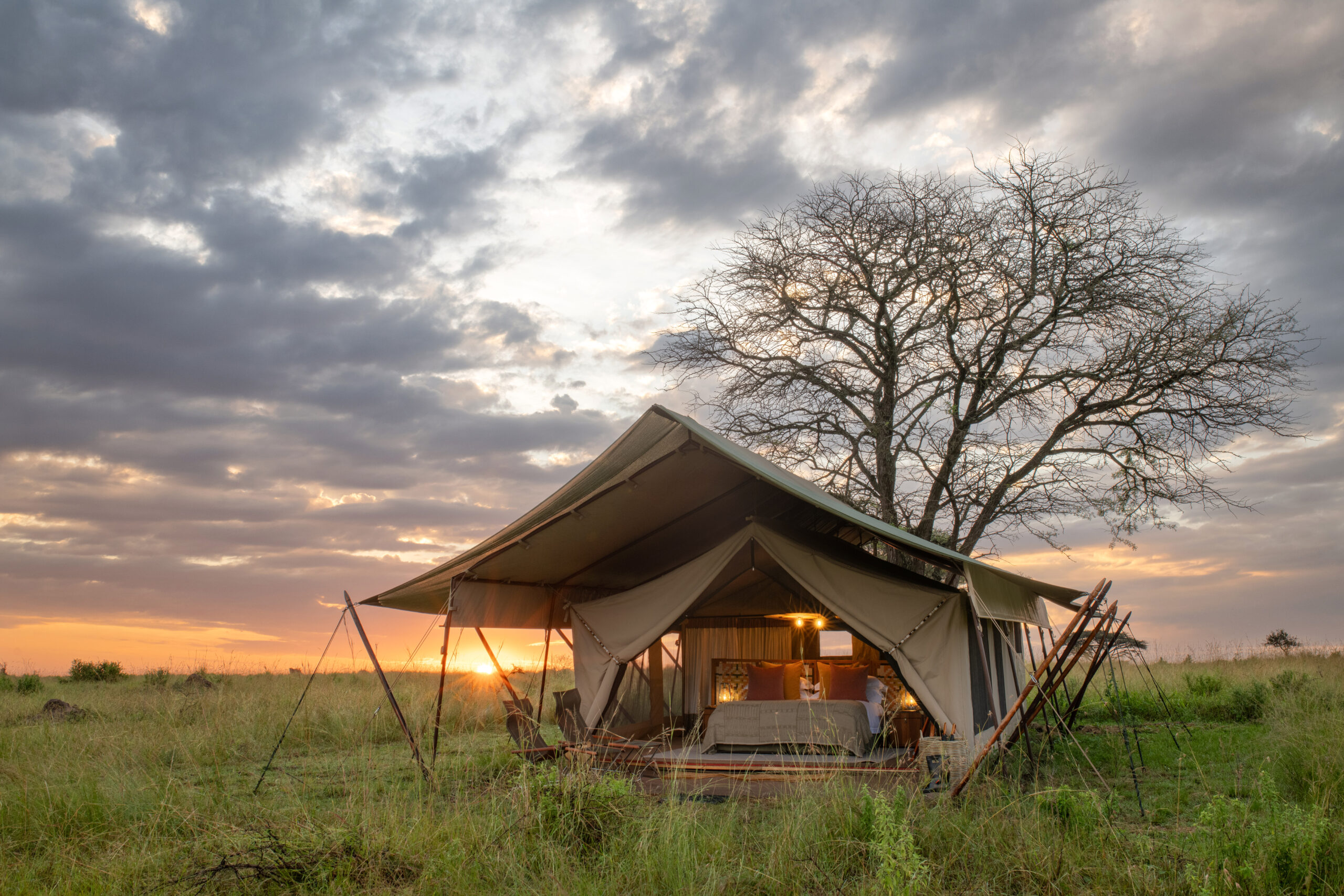
What to pack for a Tanzania safari is a common question for first-time travelers heading to Africa’s iconic wilderness. A well-packed bag can make the difference between a smooth, enjoyable safari and a stressful one. Whether you’re heading to the Serengeti, Ngorongoro Crater, or Tarangire National Park, bringing the right gear will ensure you stay comfortable, protected, and ready for every adventure.
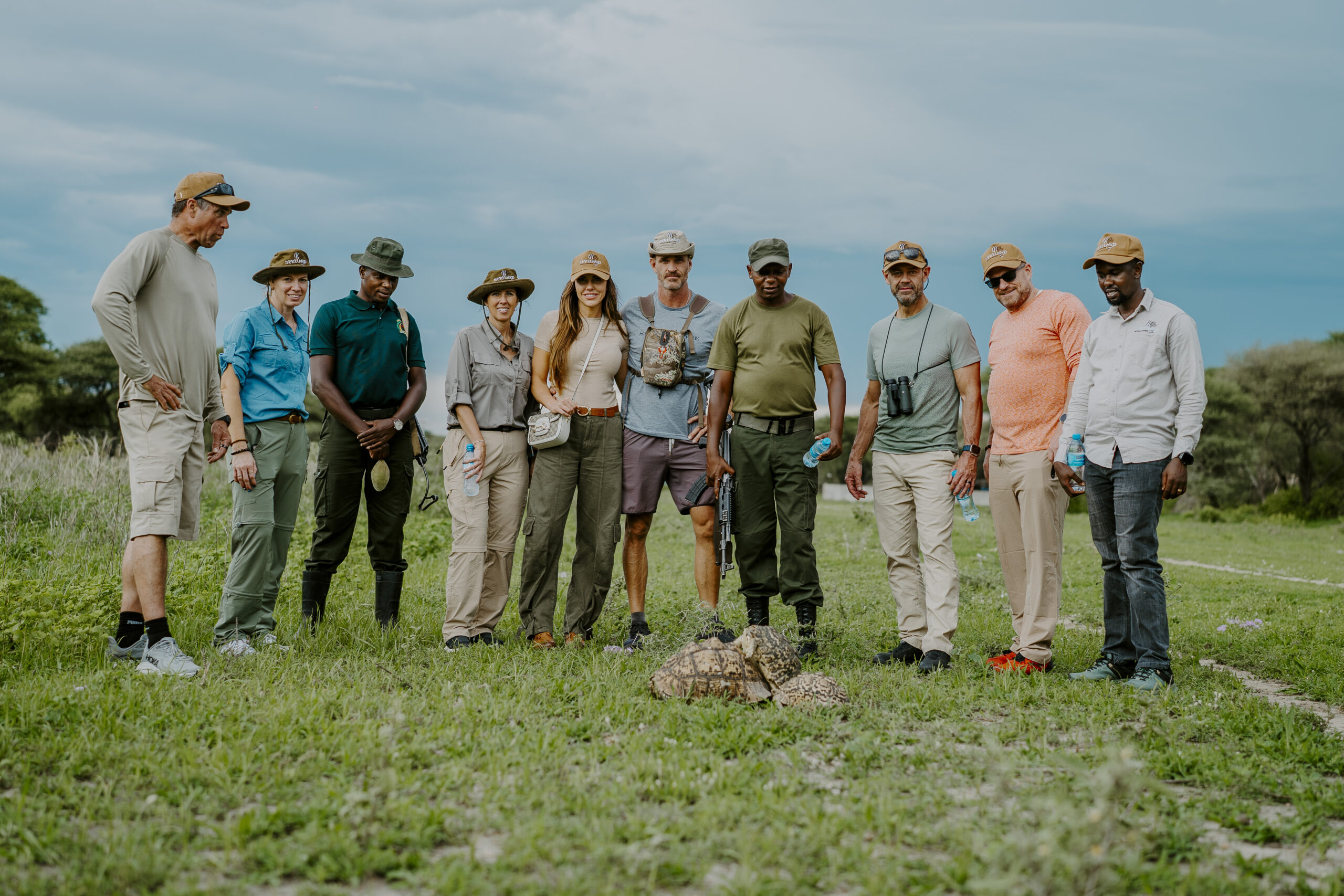
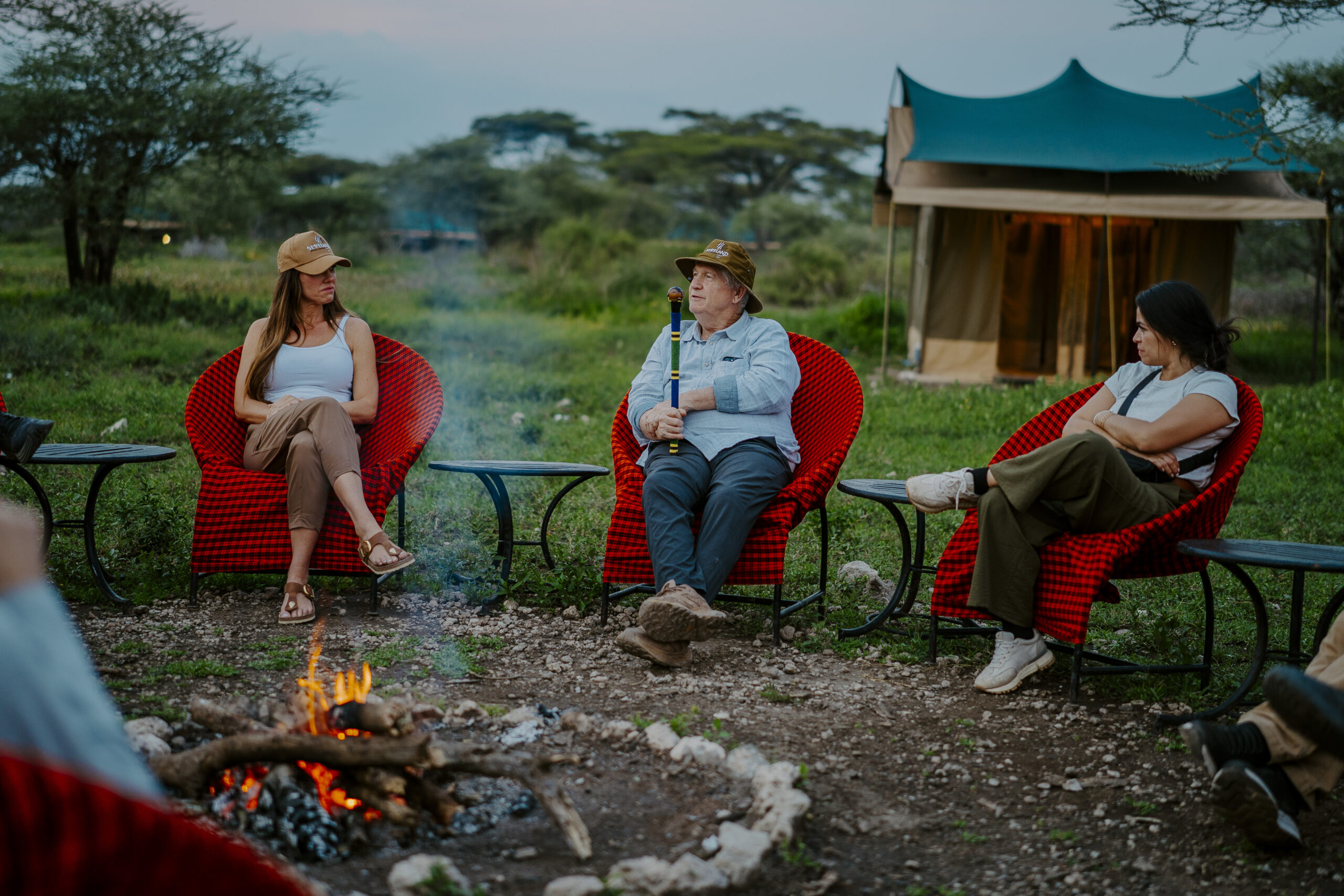
Tanzania’s climate can vary—mornings and evenings are often cool, while afternoons can be hot and dusty. So, lightweight, breathable clothing in neutral tones (like khaki, beige, and olive green) is ideal. Don’t forget a wide-brimmed hat, sunglasses, and high-SPF sunscreen for sun protection.
Sturdy walking shoes, a light jacket or fleece for early game drives, and a rain poncho (especially in the green season) are essentials. A good quality camera, binoculars, and extra batteries will help you capture Tanzania’s incredible wildlife up close.
1. Clothing
-
Neutral-colored Clothing: Opt for lightweight, breathable, and neutral-colored clothes (khaki, brown, beige, or green) to blend into the environment. Bright colors can attract unwanted attention from animals.
-
Lightweight Layers: The weather can vary greatly from early mornings and evenings (cold) to midday heat. Pack moisture-wicking shirts, long-sleeved tops for sun protection, and light layers like fleece jackets or sweaters for chilly mornings and evenings.
-
Safari Pants & Shorts: Choose durable, lightweight safari pants and shorts. Convertible pants that turn into shorts are a great option for varying temperatures.
-
Comfortable Walking Shoes: A sturdy pair of closed-toe shoes or lightweight hiking boots is essential for walking safaris or nature treks.
-
Socks: Pack enough socks, preferably moisture-wicking to keep your feet dry and comfortable during long game drives.
-
Hat or Cap: A wide-brimmed hat or cap will protect you from the sun during game drives or walks.
-
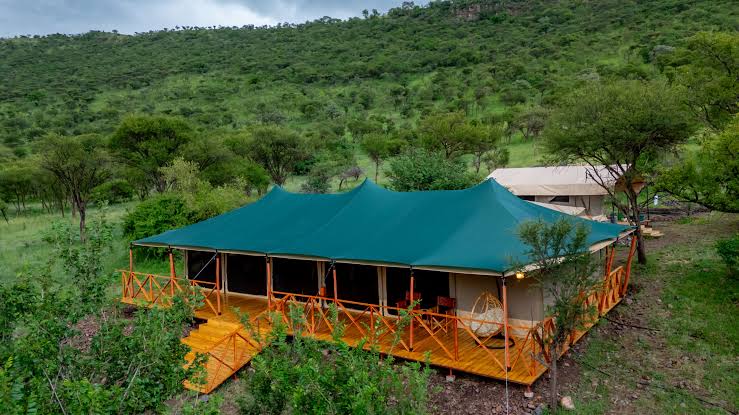
Swimwear: Some lodges offer swimming pools, so don’t forget your swimsuit for relaxation after a day of adventure.
2. Accessories and Gear
-
Binoculars: A good pair of binoculars is essential for observing wildlife from a distance. Make sure they are compact and lightweight for easy carrying.
-
Camera and Extra Batteries: You’ll want to capture the stunning landscapes and wildlife on your safari. A high-quality camera with extra batteries and memory cards is a must.
-
Power Bank: The remote nature of safari lodges may mean limited access to power outlets. A portable power bank will ensure your devices stay charged.
-
Water Bottle: Stay hydrated during your safari game drives. A reusable water bottle is eco-friendly and practical.
-
Flashlight/Headlamp: A headlamp or small flashlight is essential for navigating after dark, especially when staying in remote lodges or camps.
-
Travel Adapter: Tanzania uses the UK-style three-pin plug, so pack an appropriate adapter for charging your electronics.
3. Toiletries and Personal Care
-
Sunscreen: With plenty of time spent outdoors, strong sunscreen (SPF 30 or higher) is essential to protect your skin from the harsh African sun.
-
Insect Repellent: Mosquitoes are common in many safari areas, especially around dawn and dusk. Bring an effective insect repellent with DEET to prevent bites and protect against diseases like malaria.
-
Personal Hygiene Items: Pack your usual toiletries (toothbrush, toothpaste, deodorant, etc.) in travel-sized containers for convenience.
-
Hand Sanitizer: Hygiene can sometimes be a challenge in the wilderness, so bring hand sanitizer for easy cleaning when soap and water are not readily available.
-
Wet Wipes: These are great for refreshing yourself after long drives or hikes in remote areas.
4. Health Essentials
-
Malaria Medication: Depending on the regions you are visiting, malaria prevention is recommended. Consult your doctor for advice and bring the necessary medication.
-
First Aid Kit: A small first aid kit is useful for minor cuts, bruises, or headaches. Include plasters, antiseptic wipes, pain relievers, and any personal medications.
-
Anti-Diarrheal Medication: Changes in diet or water can sometimes cause digestive issues, so it’s always good to have anti-diarrheal medication on hand.
-
Prescription Medications: If you take any prescription medications regularly, ensure you pack enough for the duration of your trip.
5. Documents and Travel Essentials
-
Passport and Visas: Your passport should be valid for at least six months after your planned return date. Also, ensure you have the appropriate visa for Tanzania.
-
Travel Insurance: Comprehensive travel insurance is highly recommended, covering health, travel delays, cancellations, and emergency evacuations.
-
Safari Itinerary: Keep a printed or digital copy of your safari itinerary, including lodge or camp reservations and any scheduled activities.
-
Cash and Cards: While most safari lodges accept cards, it’s a good idea to carry some Tanzanian Shillings (TZS) for small purchases in more remote areas or at local markets.
-
Camera Lens Protection: If you’re bringing high-end camera equipment, consider lens protectors or covers to shield your gear from dust and moisture.
6. Optional Items
-
Small Backpack or Day Pack: A small, lightweight backpack is useful for carrying essentials on game drives or day trips.
-
Notebook or Journal: For those who enjoy documenting their travel experiences, a notebook or journal is a great way to capture memories from your safari.
-
Books or Magazines: If you plan to relax during downtime, bring a good book or magazine to enjoy during breaks at the lodge.
-
Travel Pillow: For added comfort during long drives, consider a neck pillow to help you relax.
Conclusion
Packing for a Tanzania safari requires thoughtful planning to ensure you’re well-prepared for the adventure ahead. From lightweight, breathable clothing to essential gear like binoculars, sunscreen, and malaria medication, the right items will keep you comfortable and safe while exploring the stunning landscapes and incredible wildlife of Tanzania. By following this safari packing list, you’ll be ready for a truly unforgettable experience, surrounded by nature’s beauty and the thrill of the African wilderness. Enjoy your safari and make the most of your time in this remarkable destination!