Safari Vehicle in Tanzania – Why the Right Choice Transforms Your Entire Adventure
When it comes to a Tanzania safari, most travelers dream of spotting lions in the Serengeti or watching elephants roam beneath ancient baobabs in Tarangire. But what many don’t realize is that your safari vehicle plays a major role in shaping your experience.
From comfort and visibility to accessibility and adventure style, choosing the right safari vehicle can be the difference between a good safari and an extraordinary one.
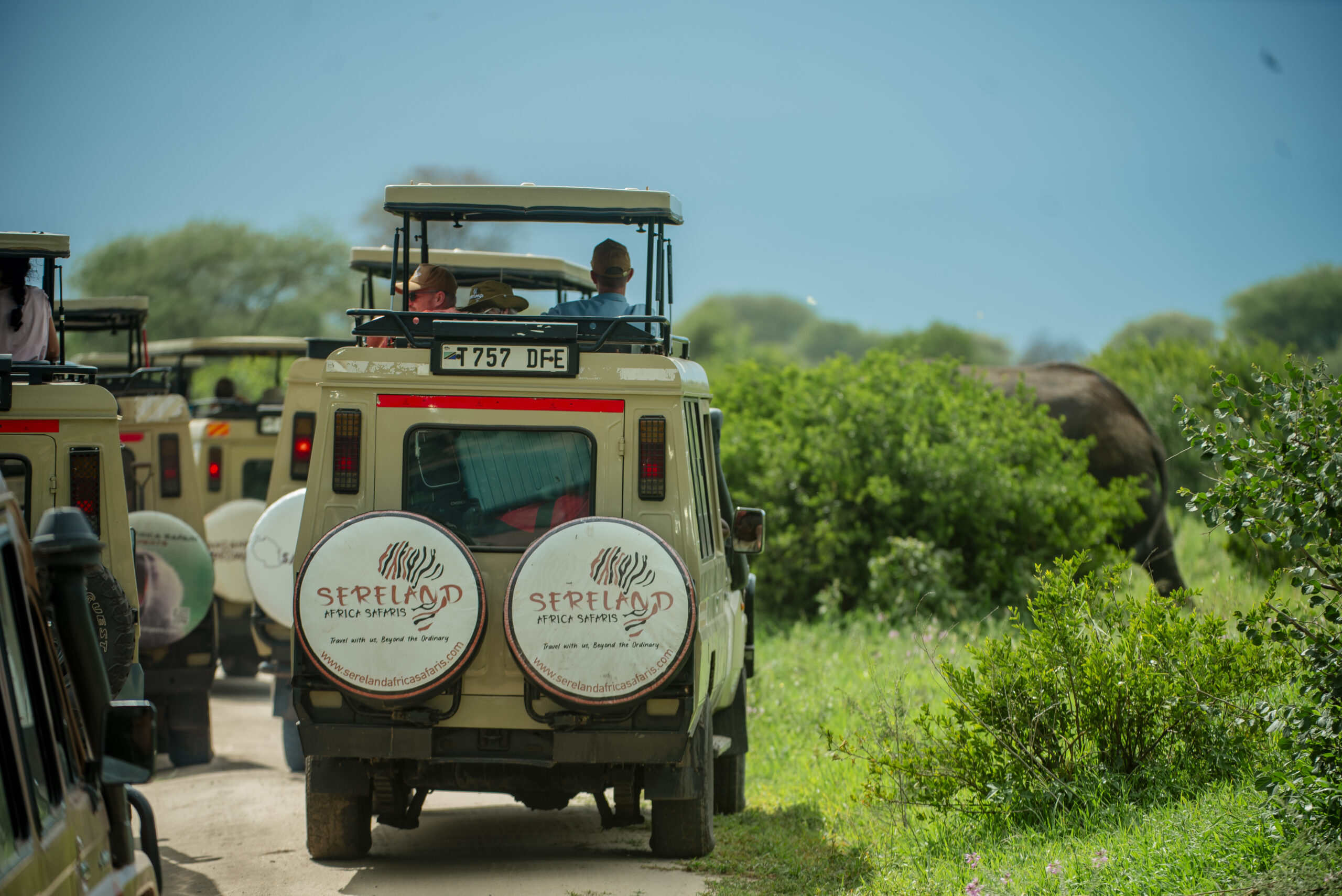
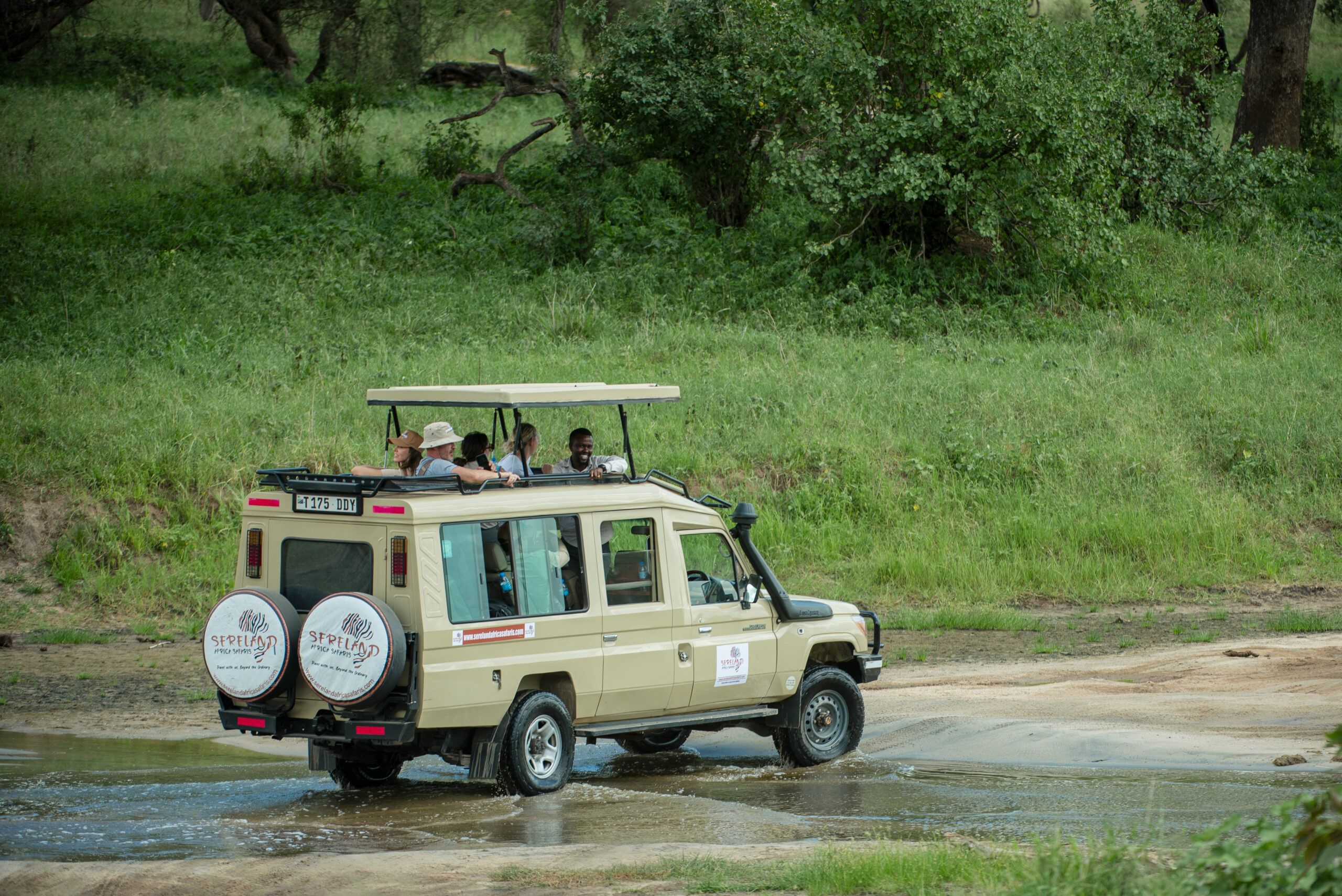
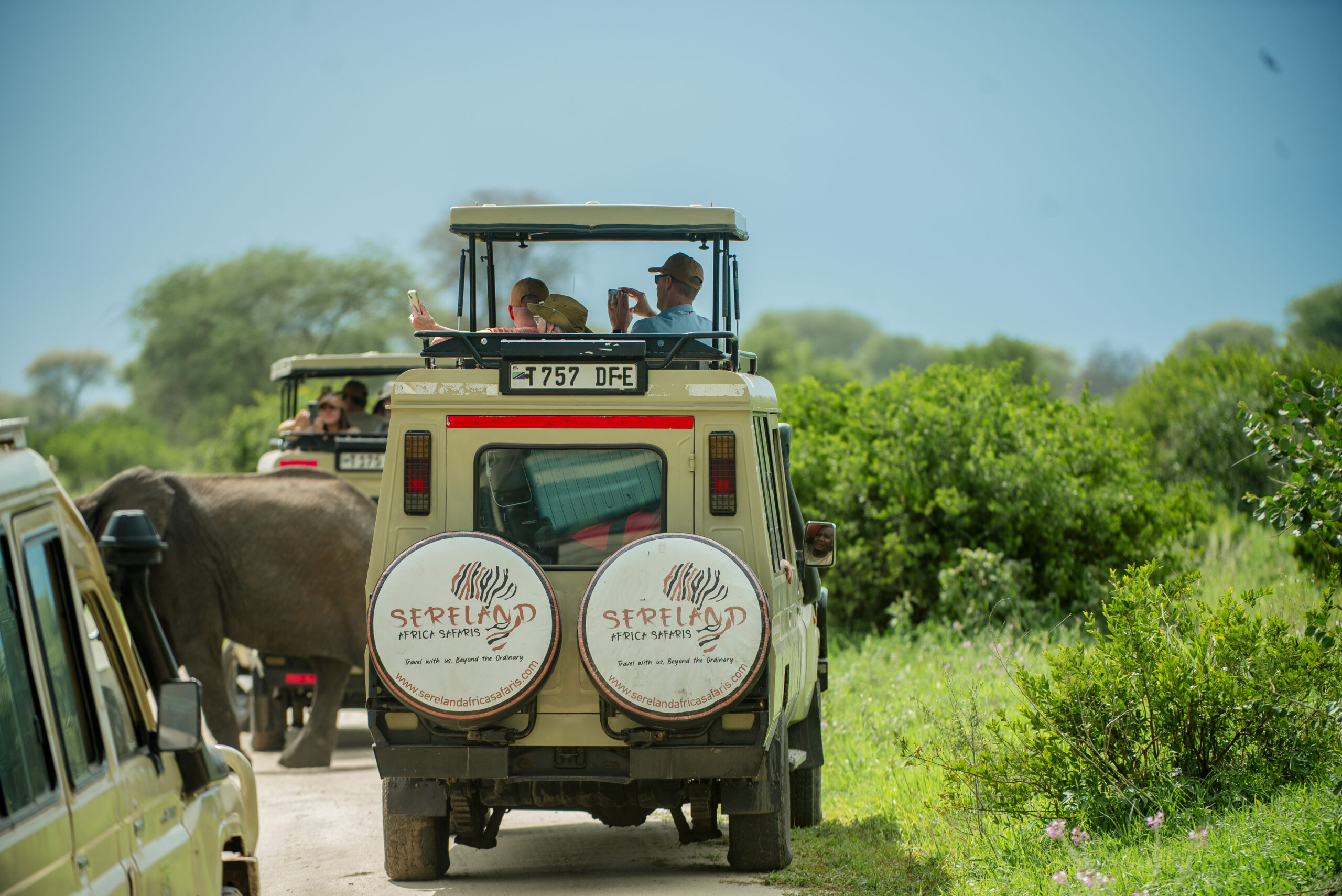
Are you going on a private safari, joining a group tour, or treating yourself to a luxury safari experience? Each style requires a different kind of vehicle setup—be it an extended 4×4 Land Cruiser with pop-up roofs for excellent game viewing, or a fully enclosed air-conditioned ride for added comfort.
In this guide, we’ll explore the different types of safari vehicles available in Tanzania, what features to look for, and how to match the best option to your travel style, group size, and budget. Whether you’re a solo traveler, a couple on honeymoon, or a family on an adventure, the vehicle you choose will define how close you get to the action—and how comfortable you are along the way.
So before you book your dream safari, make sure you understand how the safari vehicle can elevate your entire journey through Tanzania’s wild and beautiful landscapes.
1. Why Your Safari Vehicle Matters
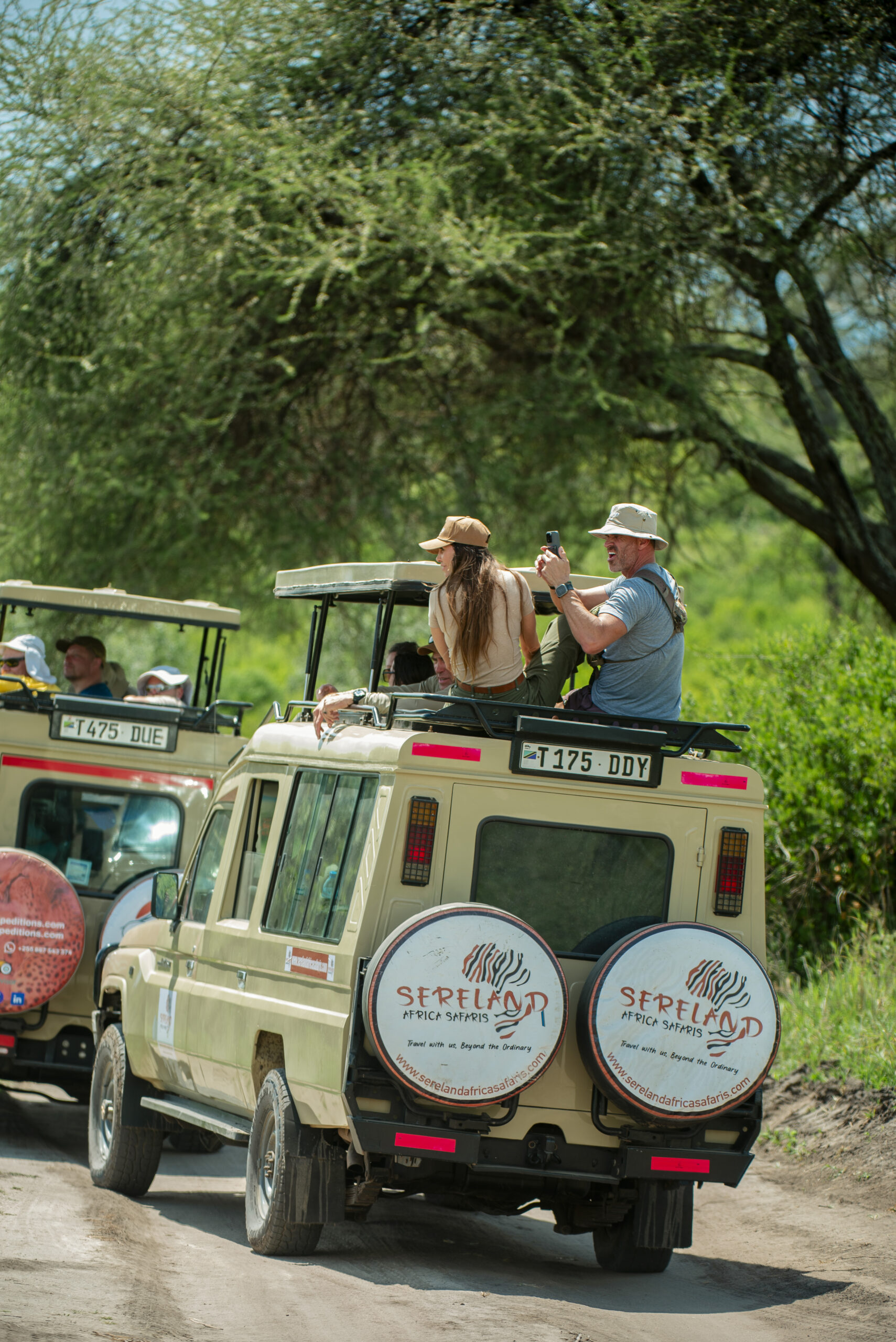
Your vehicle isn’t just transportation — it’s your mobile viewing platform, your shelter from the sun, your photo studio, and your wildlife observation post. The right vehicle enhances comfort, visibility, and even safety throughout your safari.
2. Types of Safari Vehicles in Tanzania
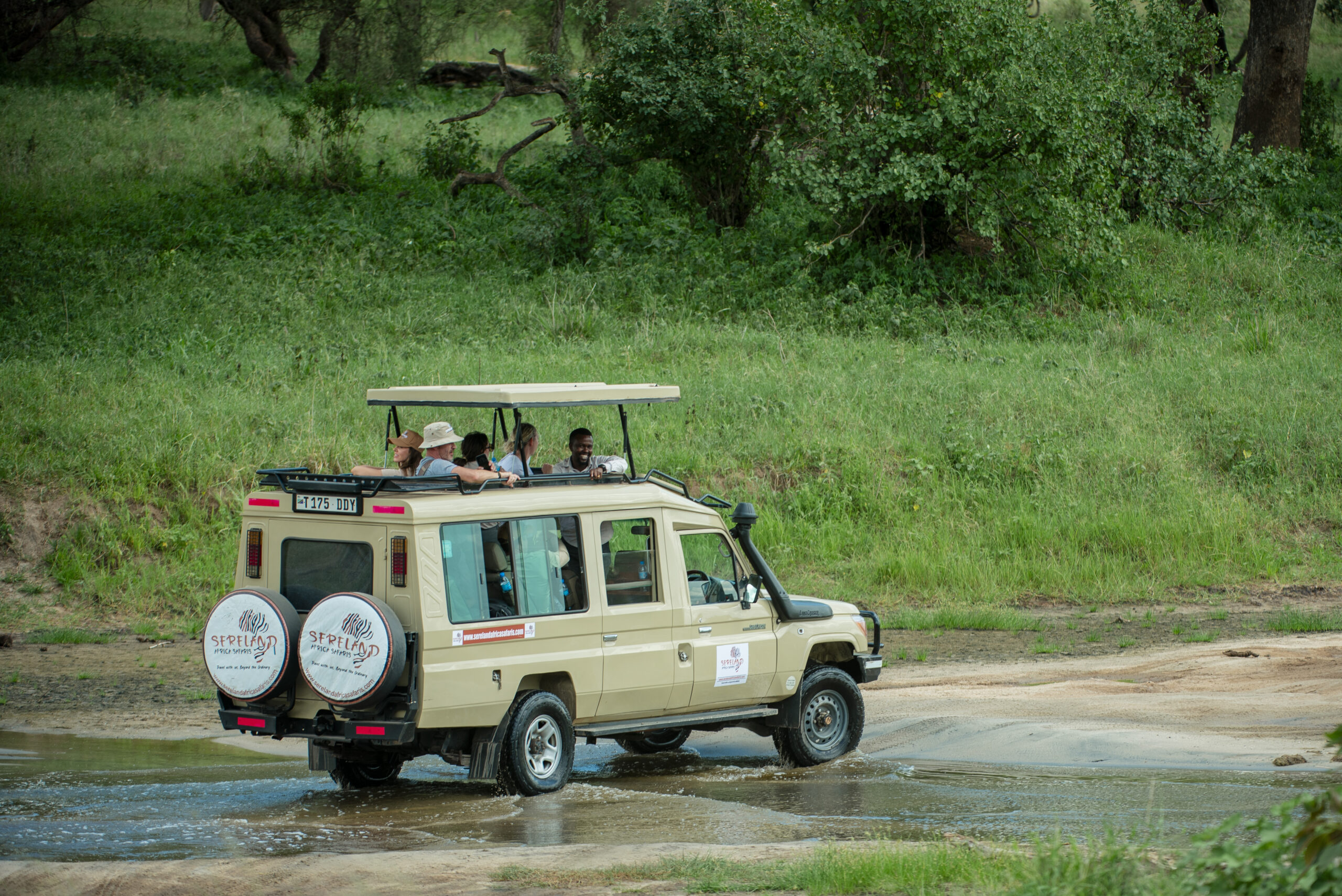
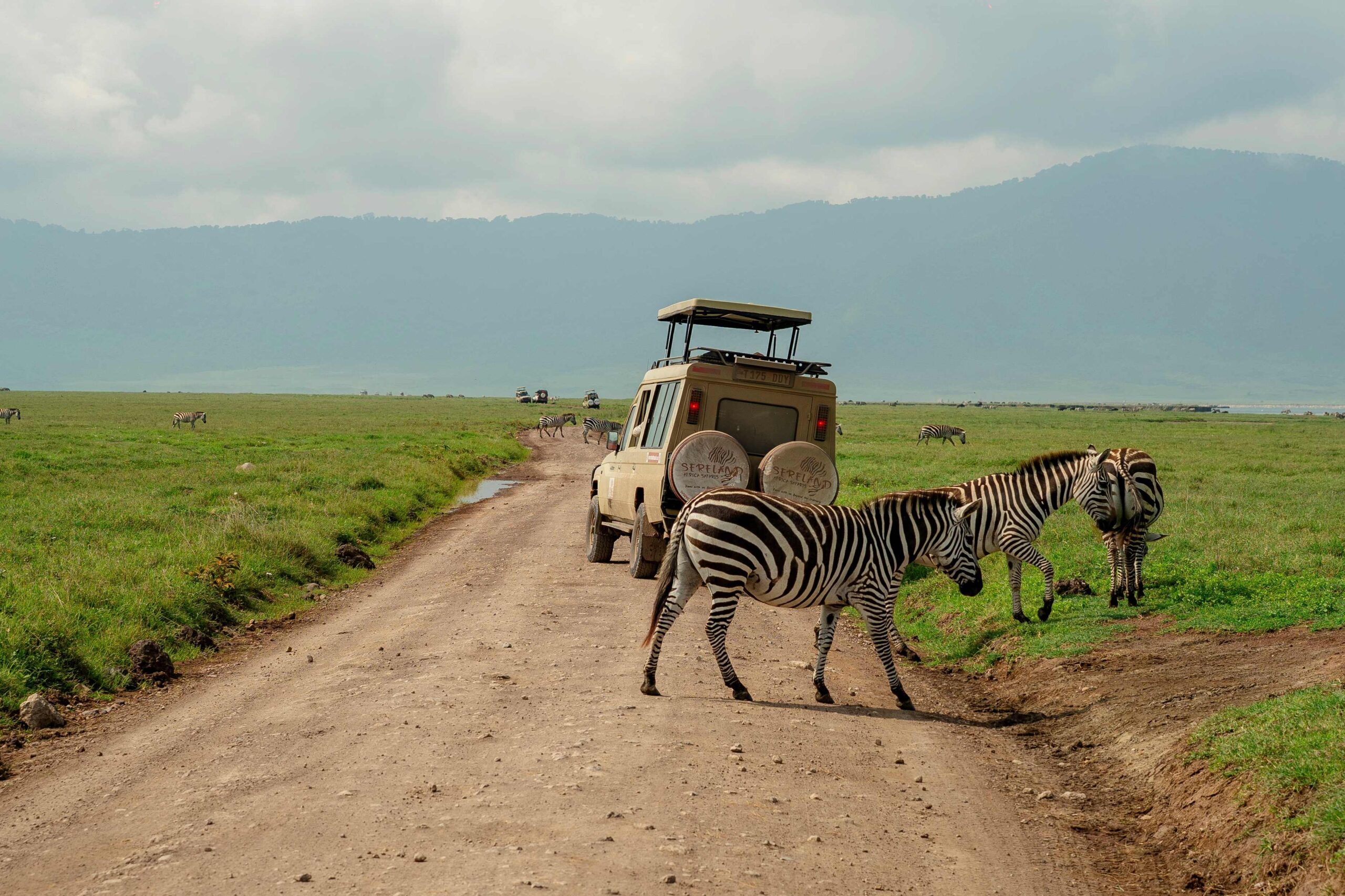
4×4 Toyota Land Cruiser (Modified)
-
Most Popular & Reliable
-
Specially adapted for rough terrain and game drives
-
Usually seats 6–7 guests with pop-up roofs for wildlife viewing
-
Equipped with charging ports, fridges, roof hatches, and large windows
-
Ideal for private and luxury safaris
Best for: Small groups, families, couples, photographers
Safari Minivans (e.g., Toyota Hiace)
-
More affordable option
-
Roof hatch for game viewing
-
Not as capable off-road compared to 4×4 Land Cruisers
-
Mostly used in northern Tanzania or budget safaris
Best for: Budget-conscious travelers, short game drives in well-maintained parks
Extended Land Cruisers (Stretched)
-
Seats up to 9 passengers without sacrificing comfort
-
Pop-up roofs for all rows
-
Spacious interior with luggage space and cooler boxes
-
Commonly used for group tours or luxury family trips
Best for: Large families, tour groups, photography teams
Open-Sided Vehicles (Mainly in Private Reserves)
-
No doors or side windows — full immersion in the environment
-
Usually used in private conservancies or southern Tanzania parks
-
Excellent for close-range game viewing and photography
Best for: Exclusive safaris, honeymooners, photographers
Note: These are not suitable for long-distance drives due to exposure to weather and dust.
3. What to Look for When Choosing a Safari Vehicle
Viewing Access
-
Pop-up or open roofs allow 360° views
-
Large, sliding windows help photographers get the perfect shot
Off-Road Capability
-
A true 4WD vehicle is essential for accessing remote wildlife areas and driving during the rainy season
Comfort & Space
-
Look for vehicles with fewer passengers for more legroom and luggage space
-
Reclining seats, air conditioning (if needed), and cooler boxes are major pluses
Onboard Features
-
Charging ports for cameras and phones
-
Fridge or cooler box for drinks
-
Binoculars provided by some operators
4. Private vs. Shared Safari Vehicles
Private Safari Vehicle
-
Personalized experience
-
Flexibility in game drive times and routes
-
More space and attention from the guide
Best for: Couples, families, photographers, luxury travelers
Shared Safari Vehicle
-
Lower cost
-
Group tours with a fixed itinerary
-
Great for solo travelers or those on a budget
Best for: Budget travelers, first-time safari-goers
5. Safari Vehicle Tips
-
Book early during peak season (June–October & December)
-
Ask about spare tires and first-aid kits — safety first!
-
For Kilimanjaro add-on tours, make sure your tour operator provides rugged vehicles for base transfers
-
Always carry water, sunscreen, insect repellent, and a hat inside the vehicle
Conclusion
Choosing the right safari vehicle is just as important as choosing the right park or lodge. From rugged 4×4 Land Cruisers to open-air luxury rides, Tanzania offers safari vehicles for every budget, group size, and experience level. The vehicle you choose can shape your wildlife encounters, comfort, and even the quality of your photographs.
So, before you hit the wild trails of the Serengeti or explore the hidden gems of Ngorongoro, take a moment to pick the perfect ride — your ultimate Tanzanian adventure awaits, one thrilling game drive at a time.