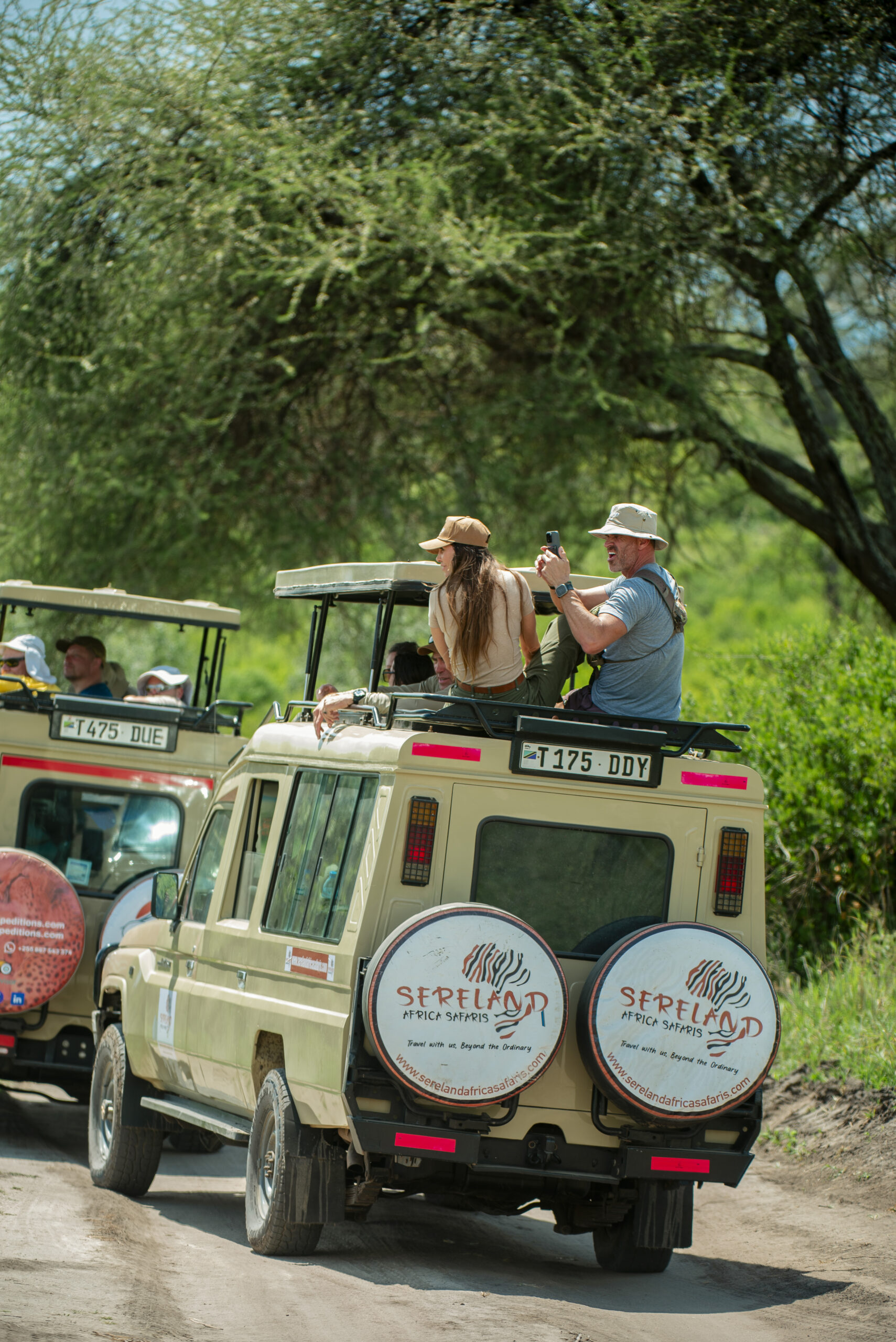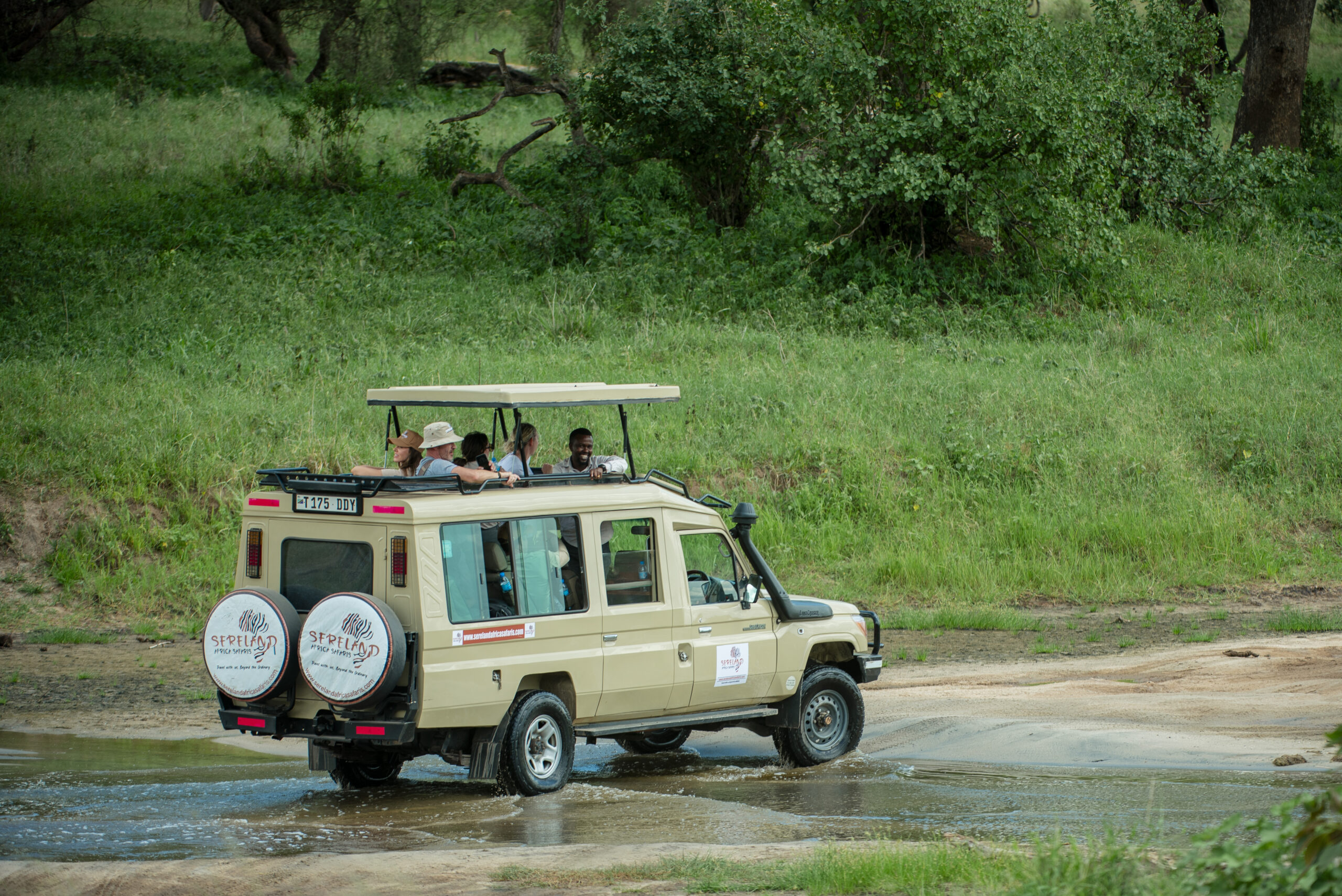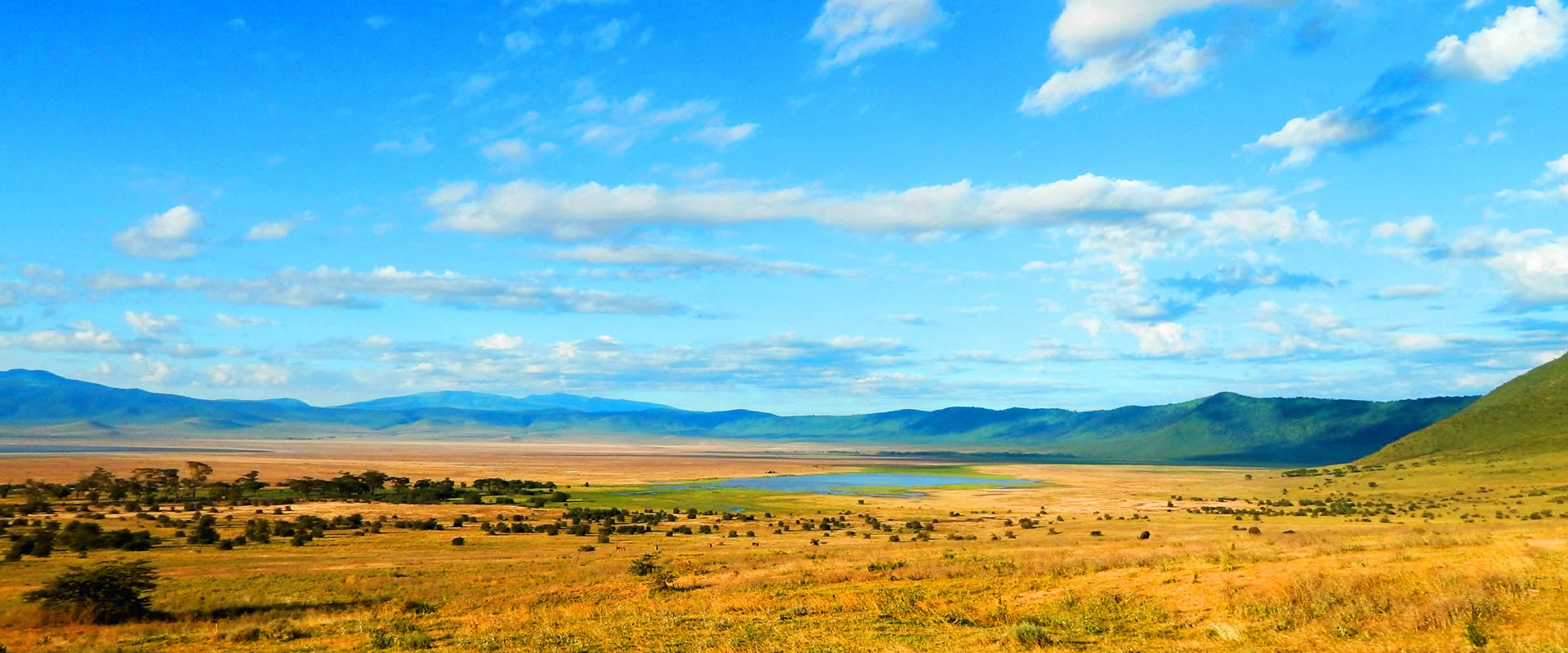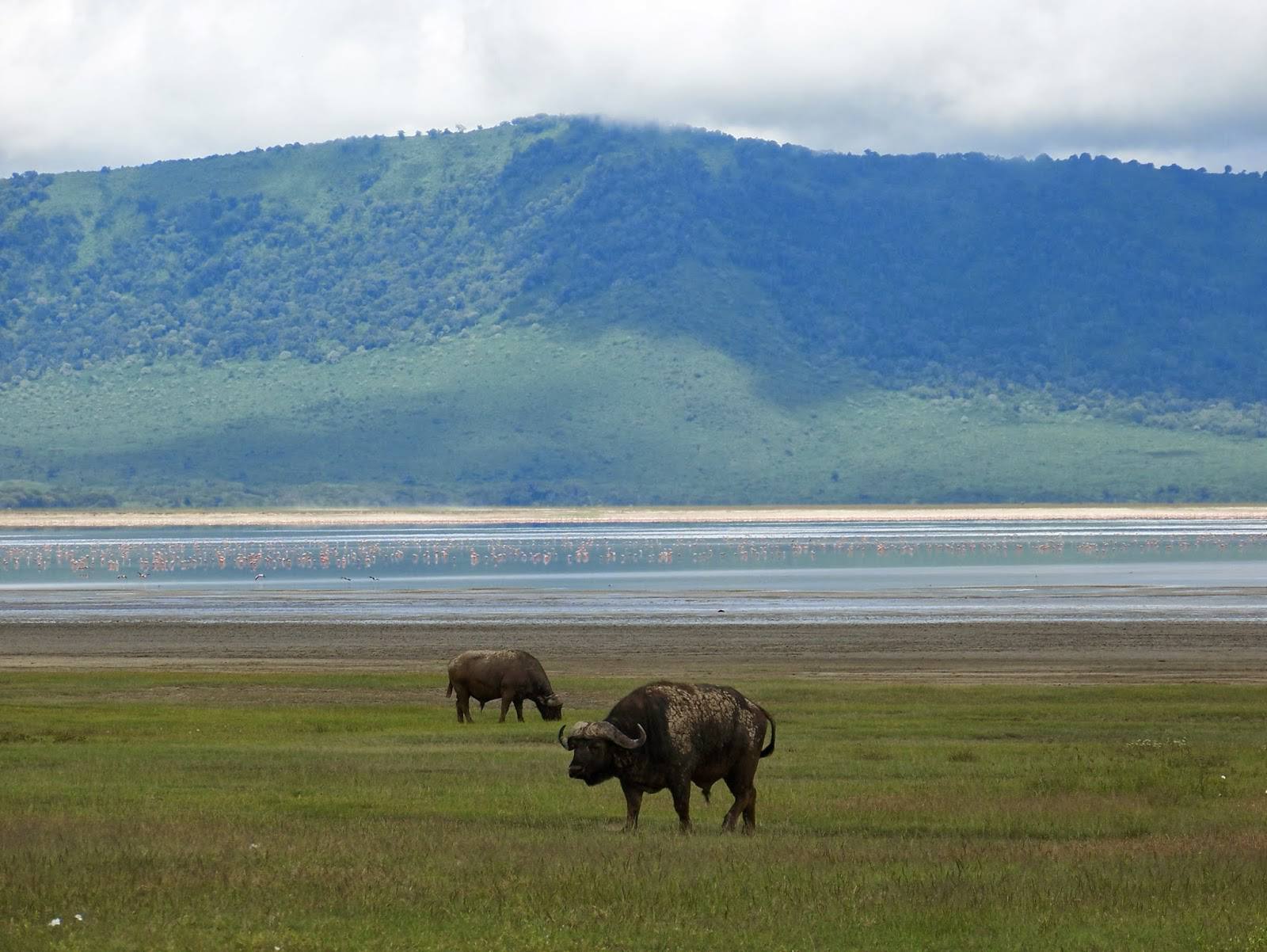
When travelers dream of an African safari, Tanzania almost always comes to mind — and for good reason. From the legendary Serengeti National Park to the breathtaking Ngorongoro Crater and the exotic beaches of Zanzibar, Tanzania offers a combination of wildlife, landscapes, and culture that few countries can rival.
But what makes Tanzania stand out as Africa’s number one safari destination? Let’s explore the reasons why this East African gem captures the hearts of adventurers worldwide.
1. The Great Migration — A Natural Wonder
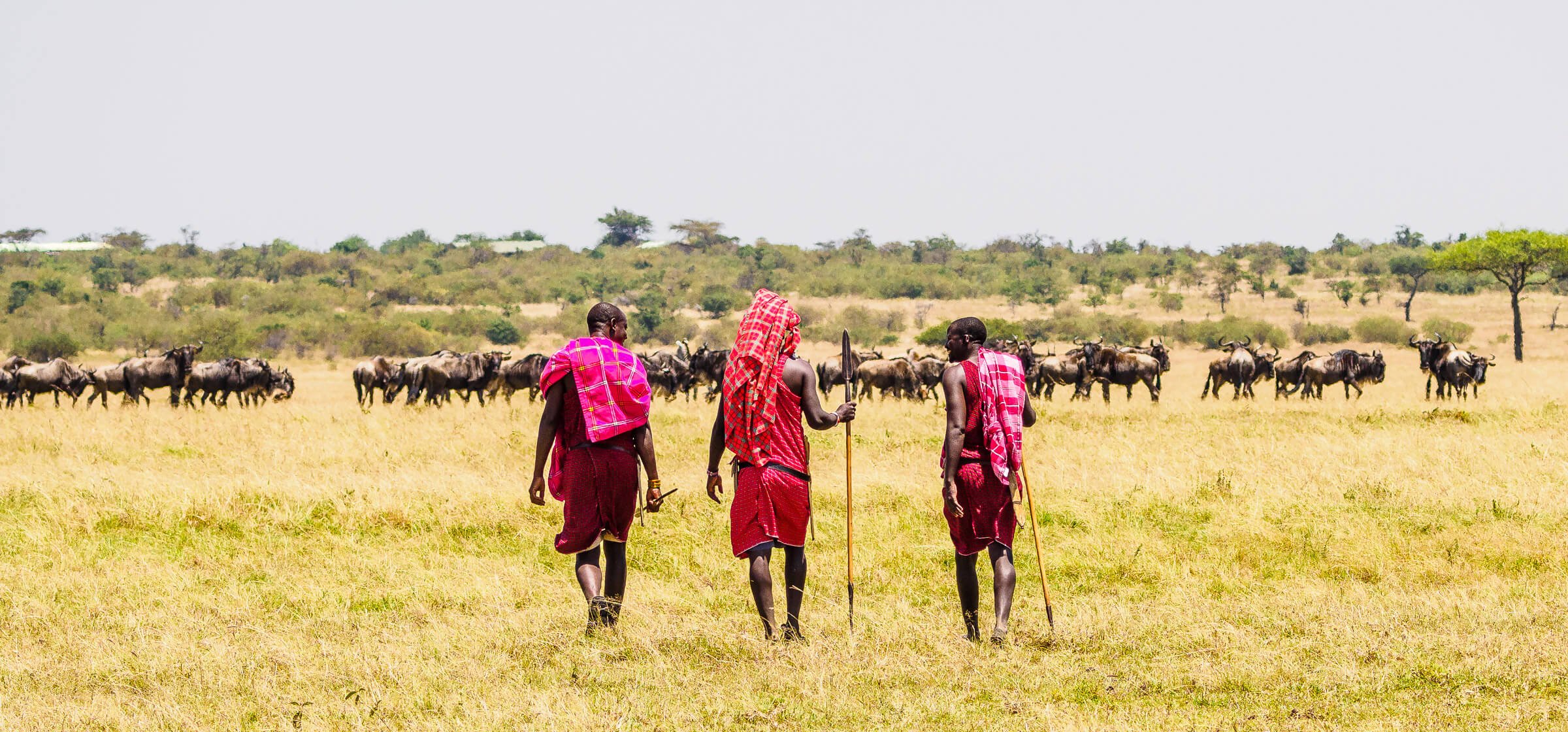
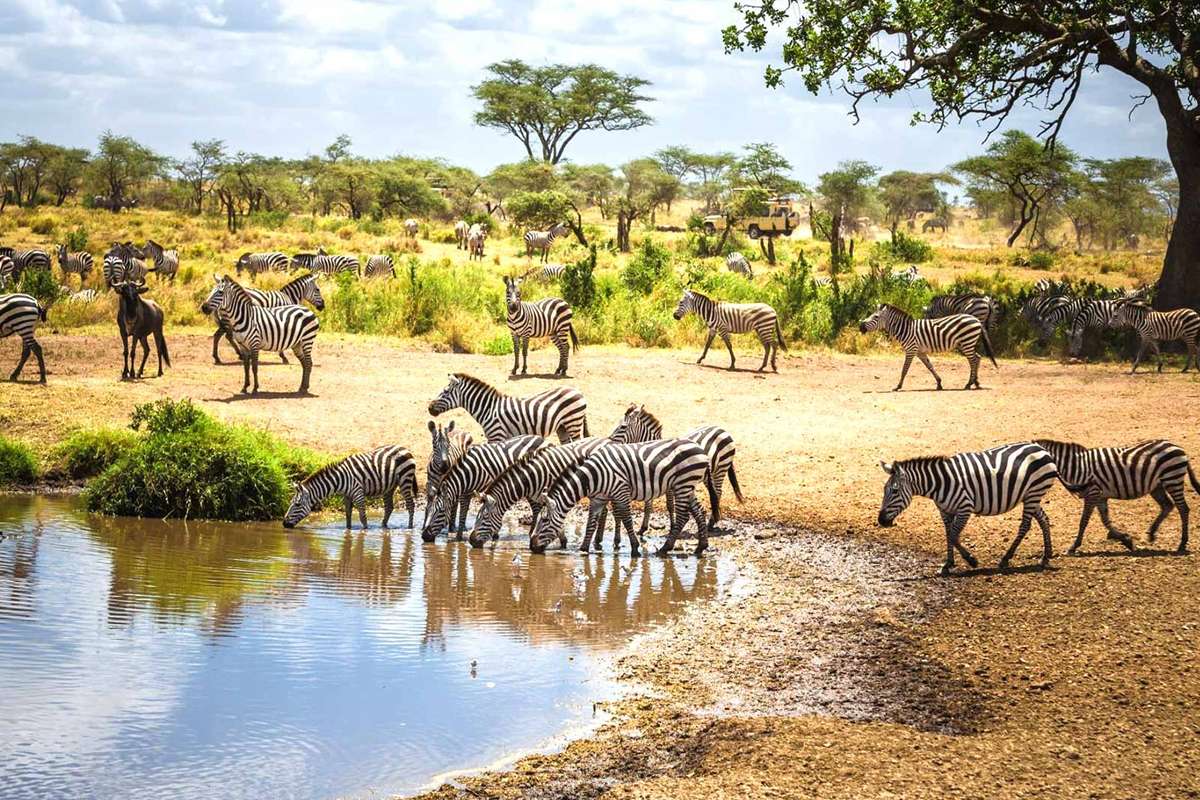
Tanzania is home to one of the world’s most extraordinary wildlife spectacles: the Great Wildebeest Migration. Over 1.5 million wildebeest, accompanied by zebras and gazelles, move across the Serengeti in search of greener pastures.
This event, often called the “Greatest Show on Earth,” is unmatched anywhere else and is a major reason Tanzania is recognized globally as the best safari destination. From river crossings filled with drama to endless herds on the plains, it’s an experience that belongs on every traveler’s bucket list.
2. Unmatched Diversity of Wildlife
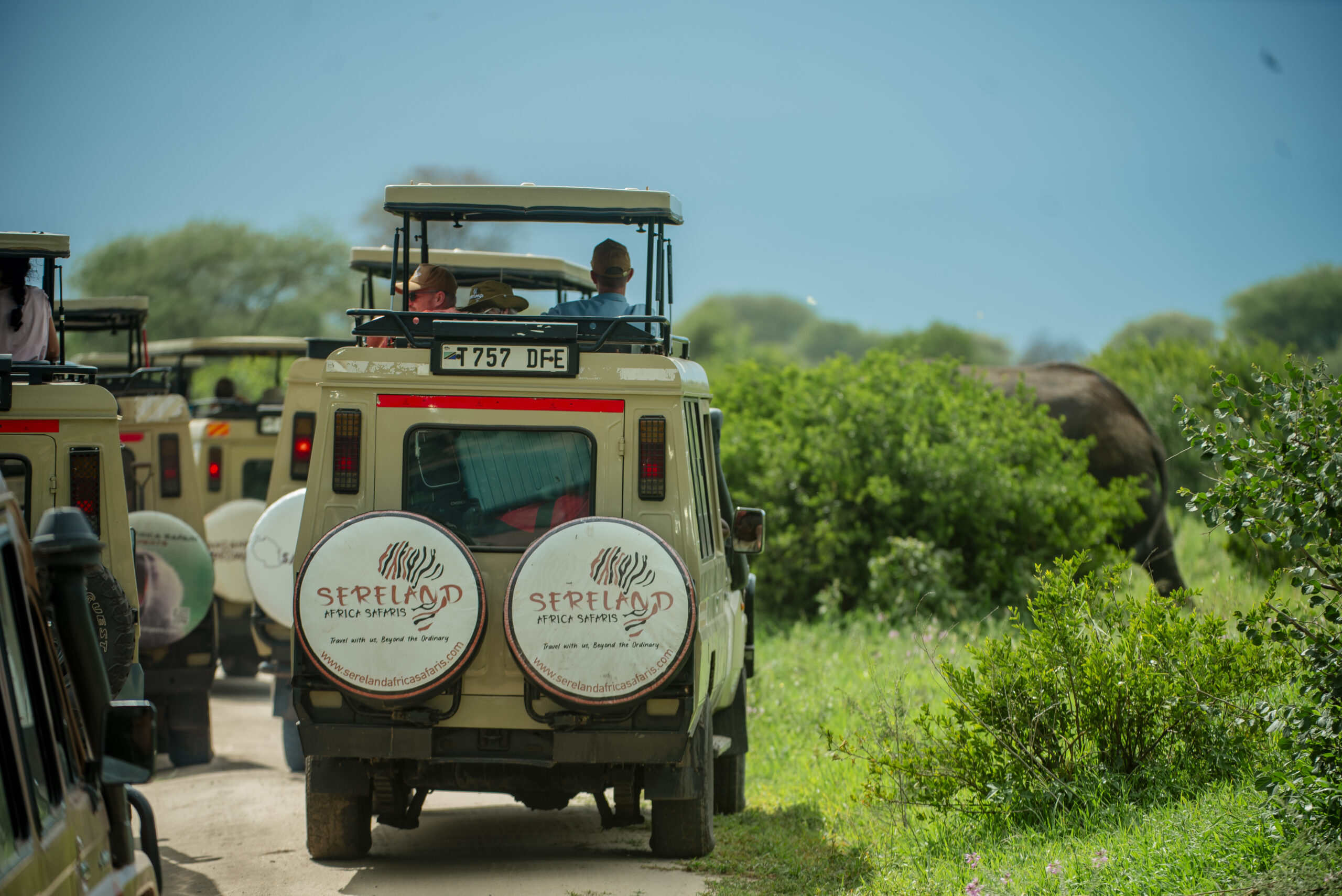
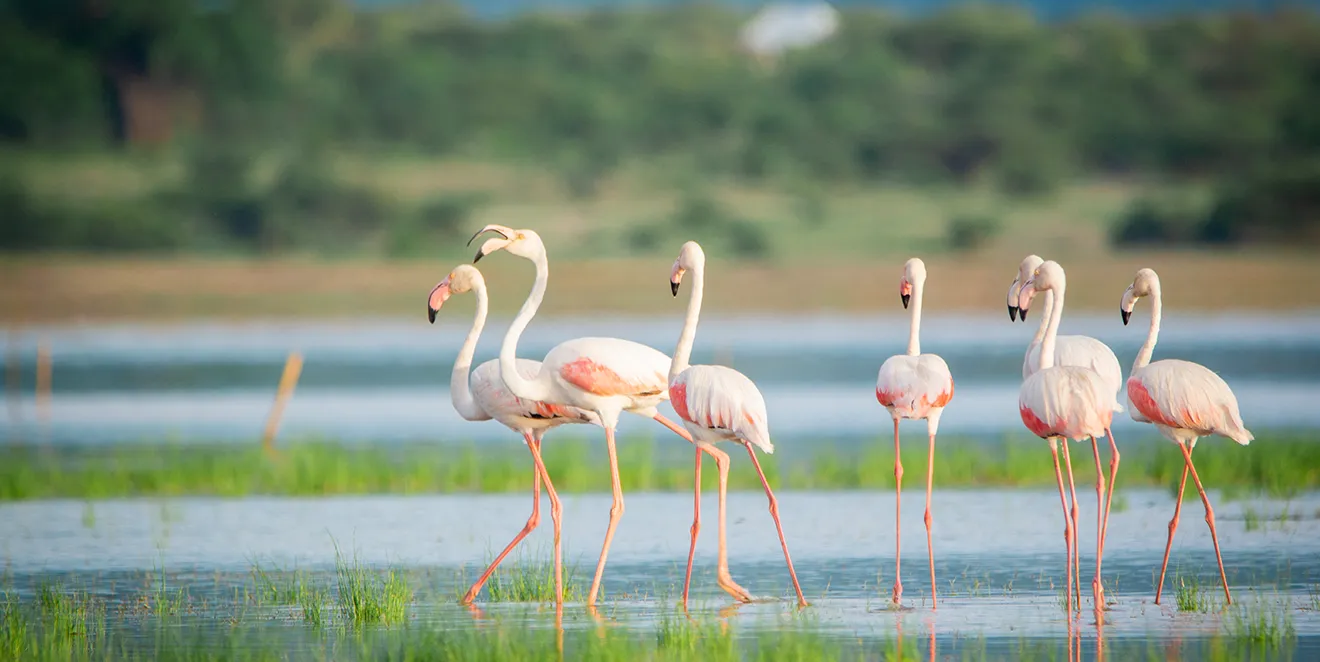
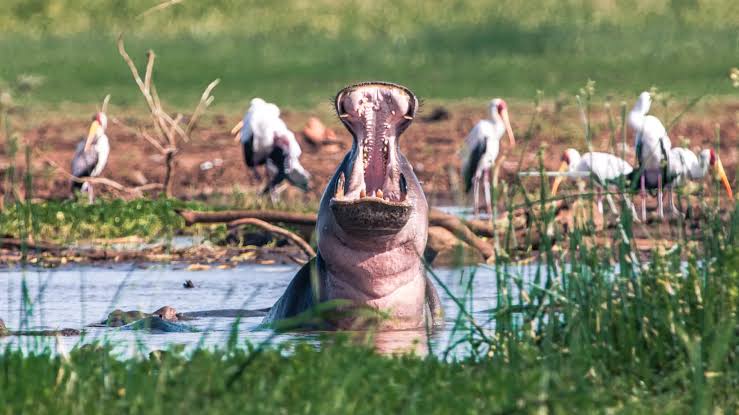
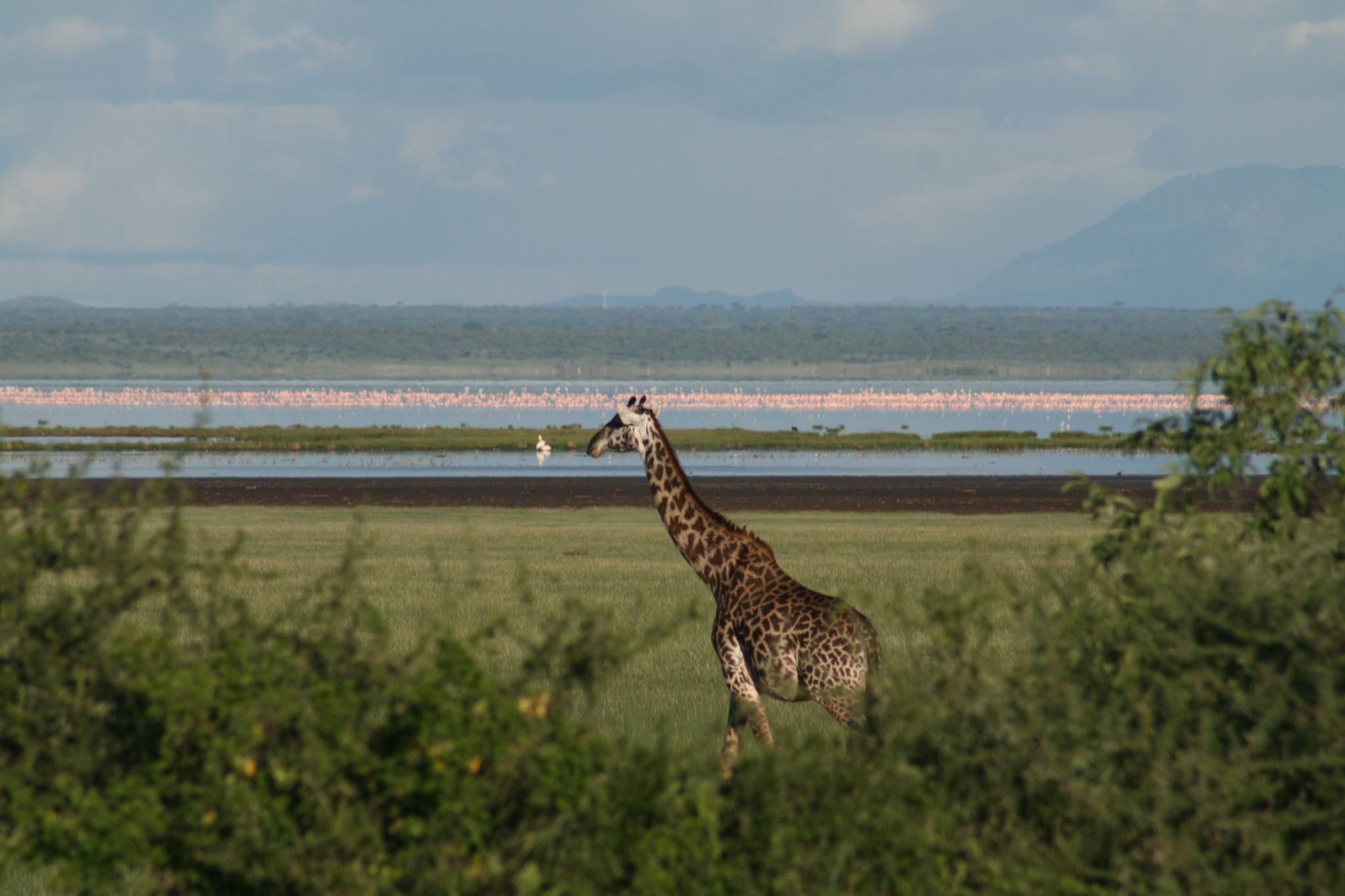
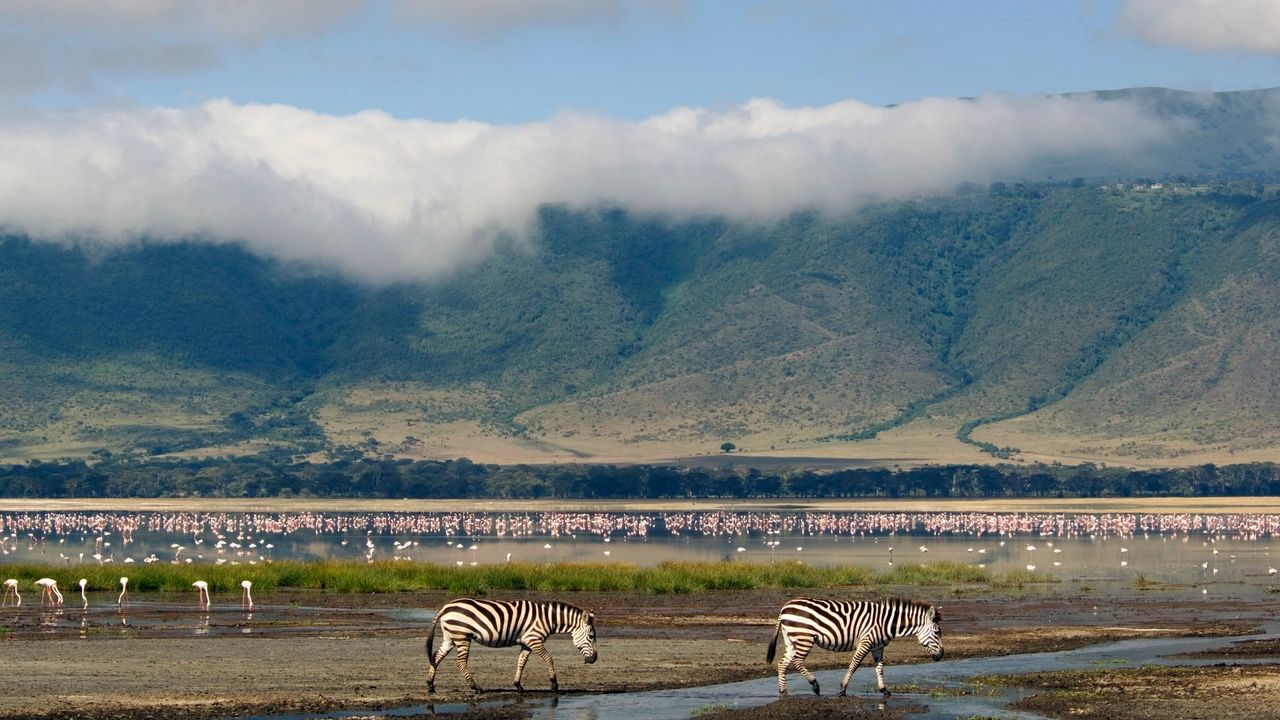
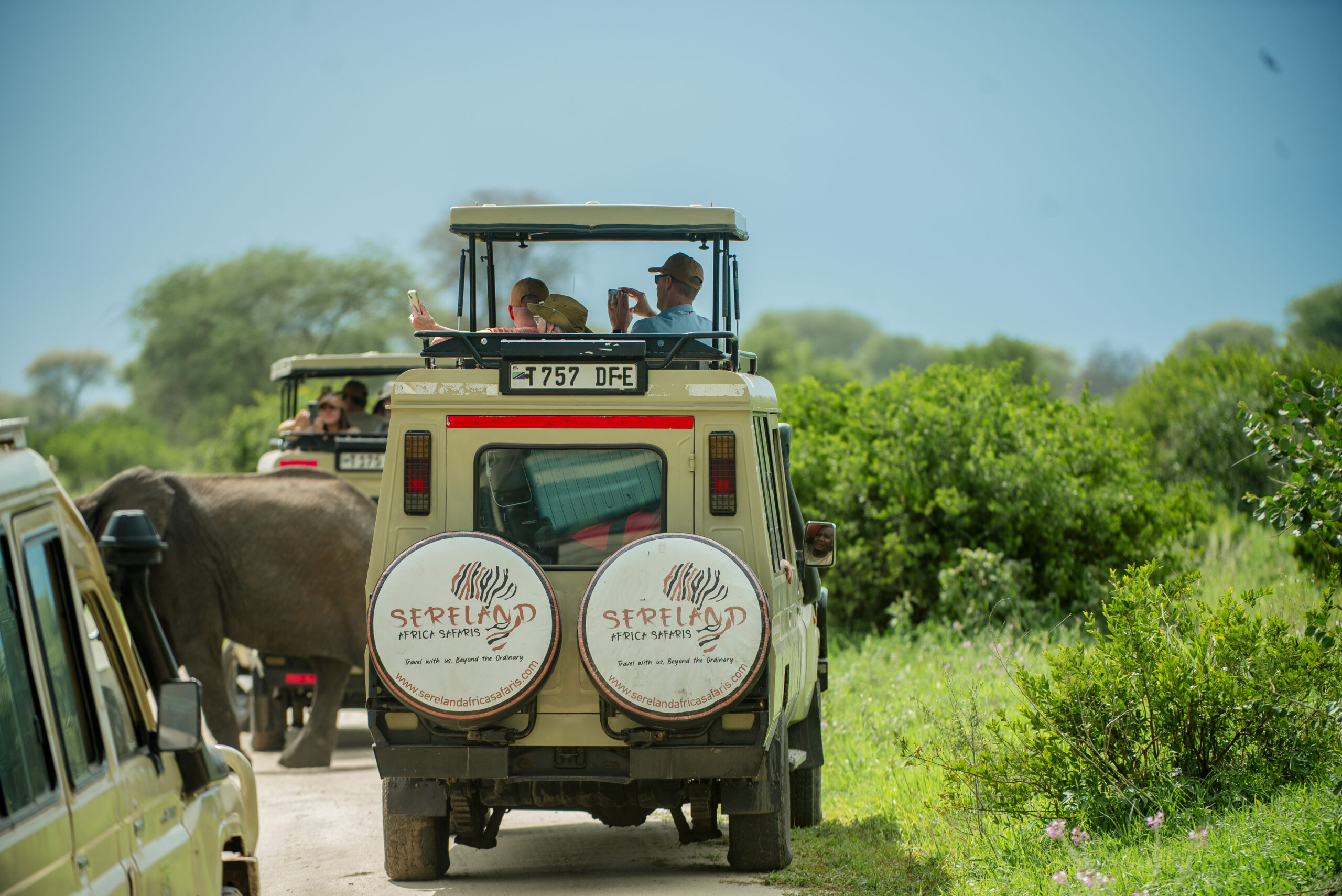
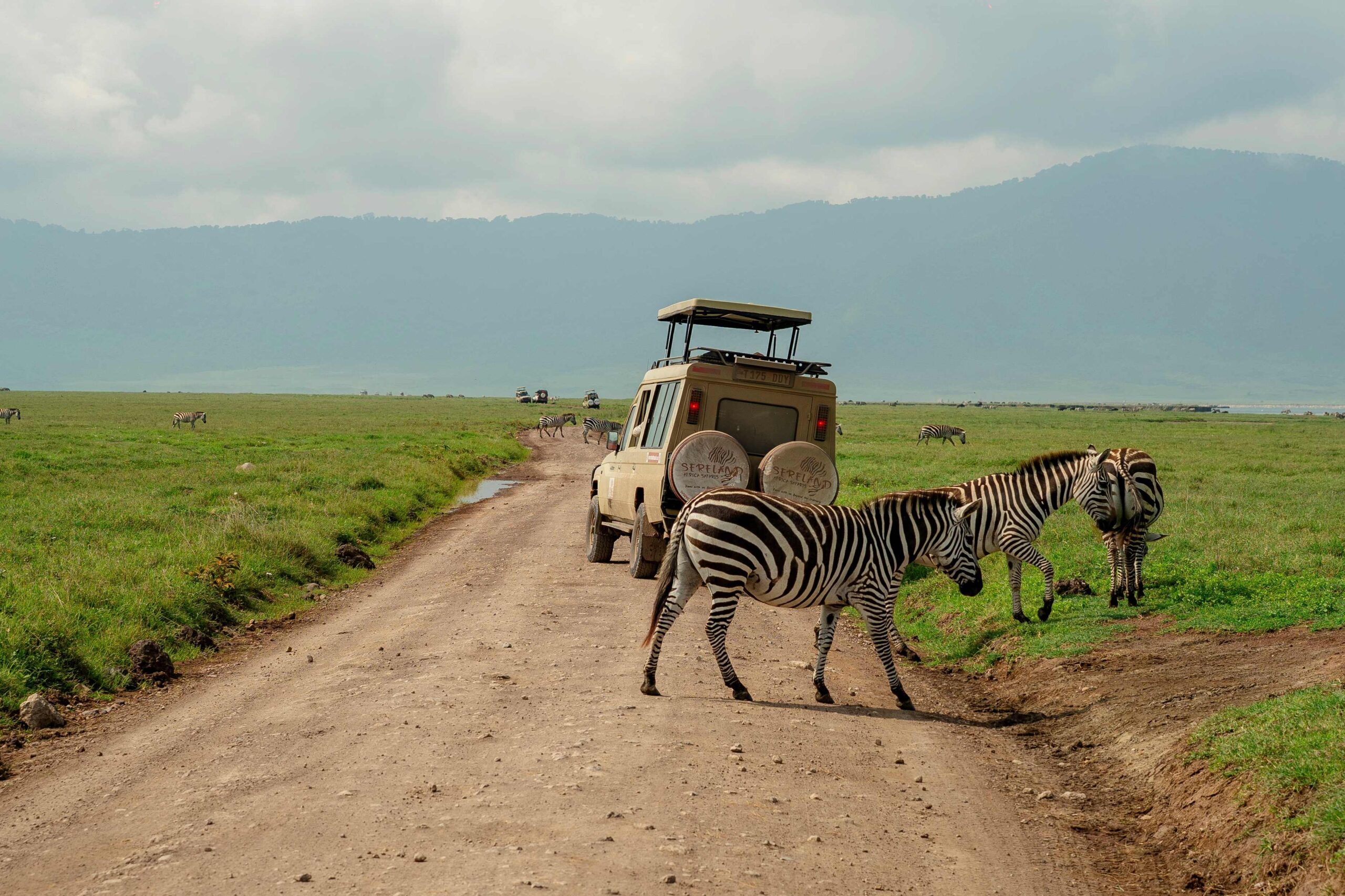
Tanzania boasts some of the highest concentrations of wildlife in Africa. Safari-goers can spot the Big Five (lion, leopard, elephant, buffalo, and rhino), along with cheetahs, giraffes, hippos, crocodiles, flamingos, and countless bird species.
Unlike other destinations where sightings may be rare, Tanzania’s protected parks and reserves make wildlife encounters frequent and unforgettable.
3. Iconic Safari Parks & Landscapes
Few places in Africa can match the variety of Tanzania’s safari parks:
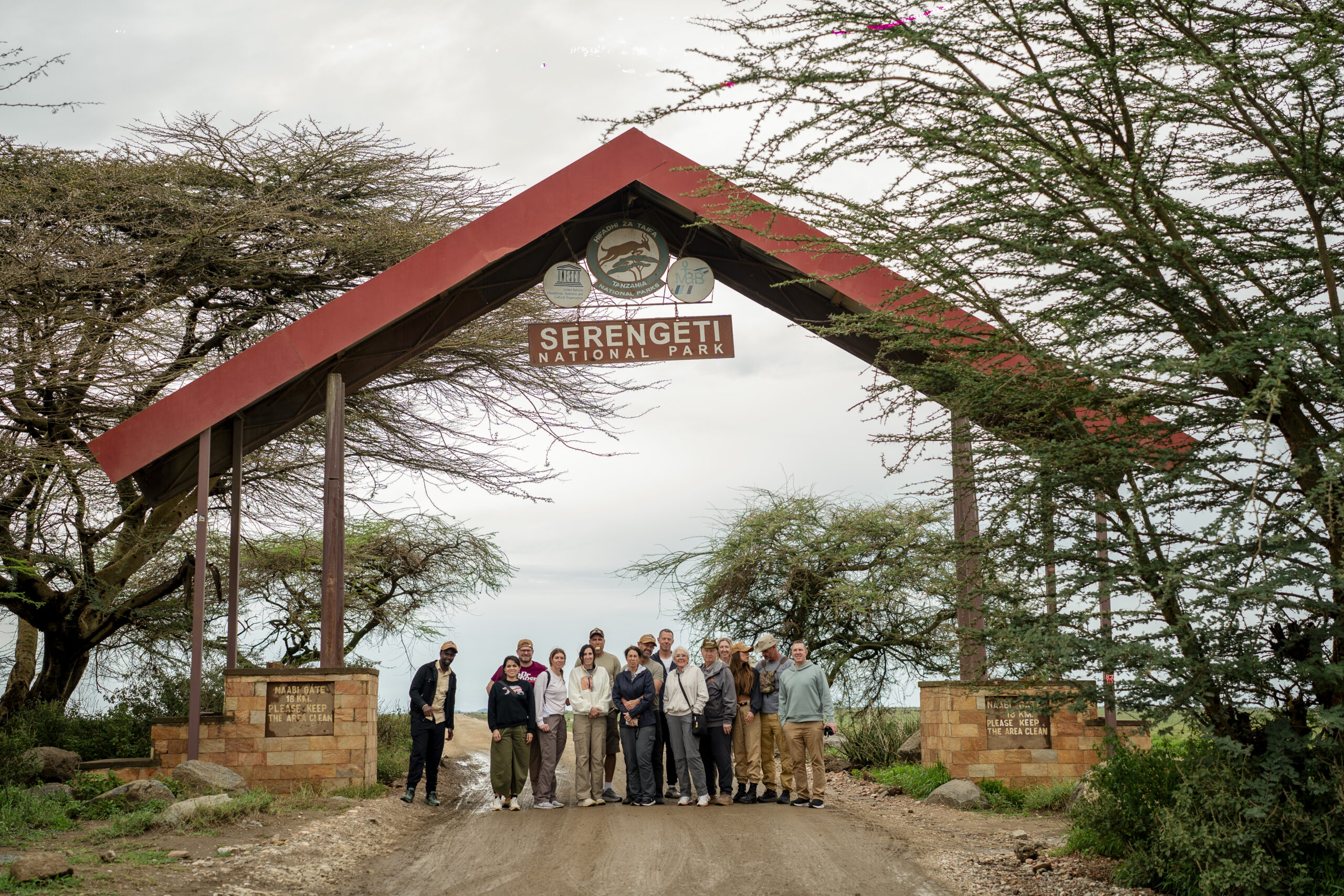
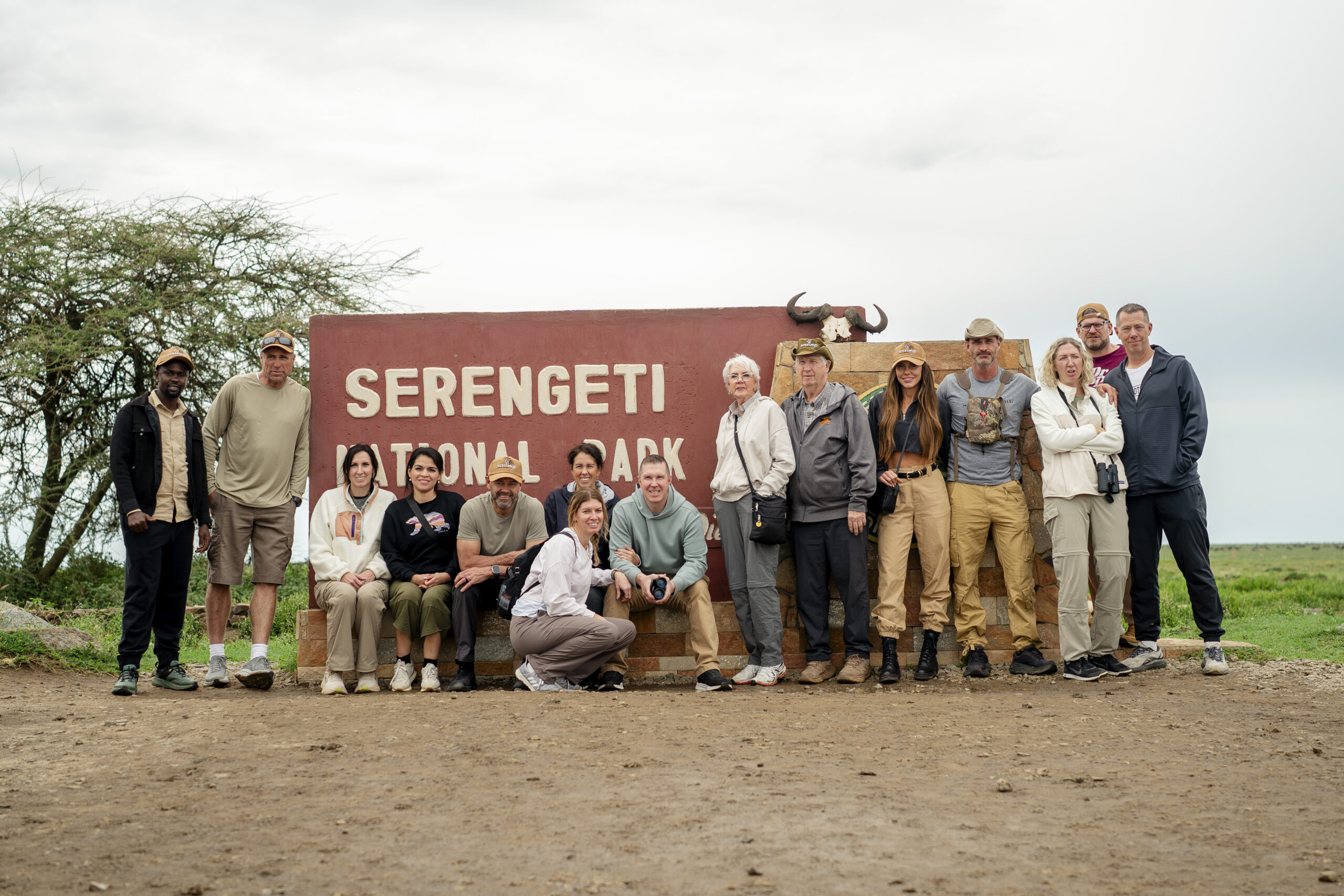
- Serengeti National Park: Endless plains, Great Migration, big cat action
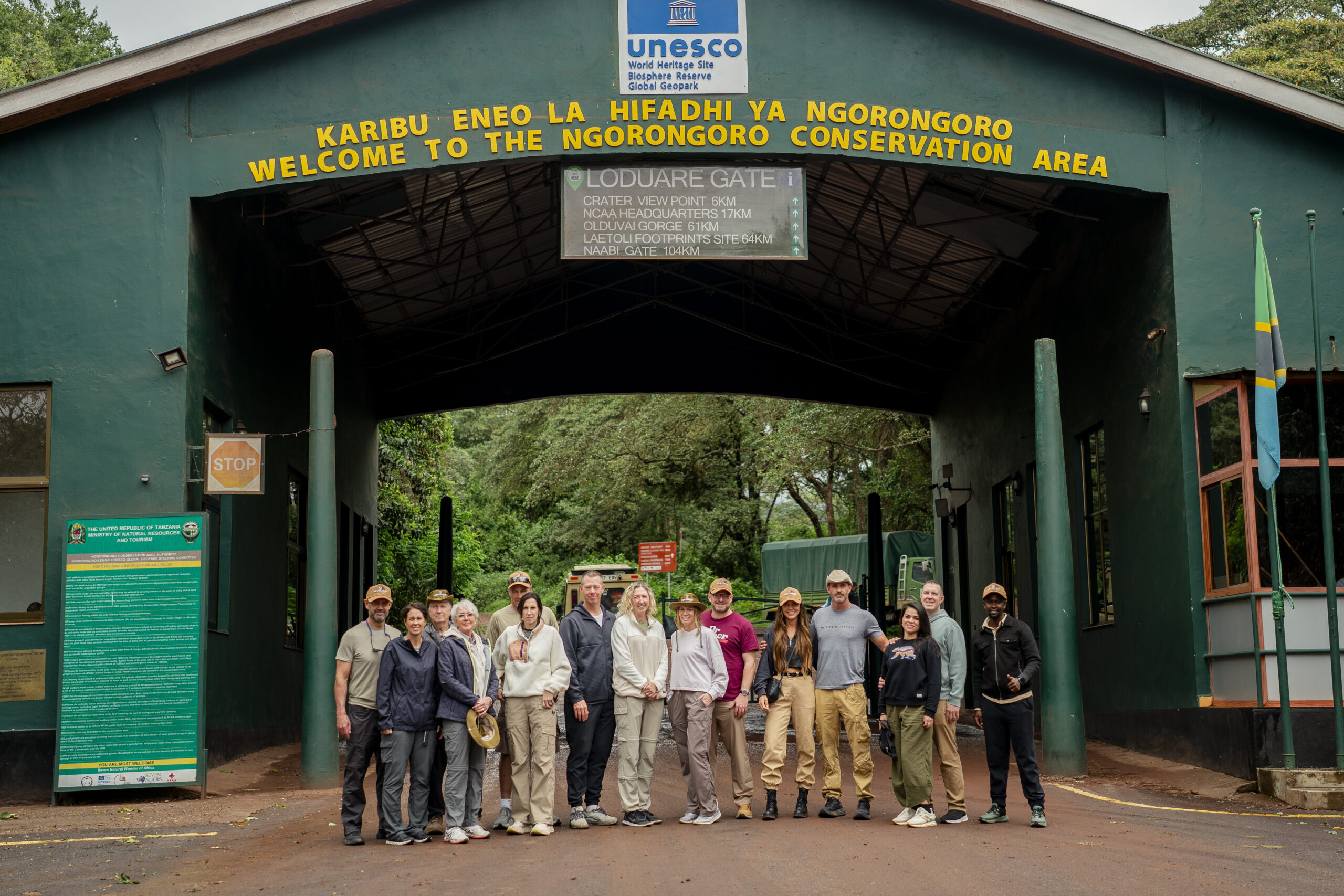
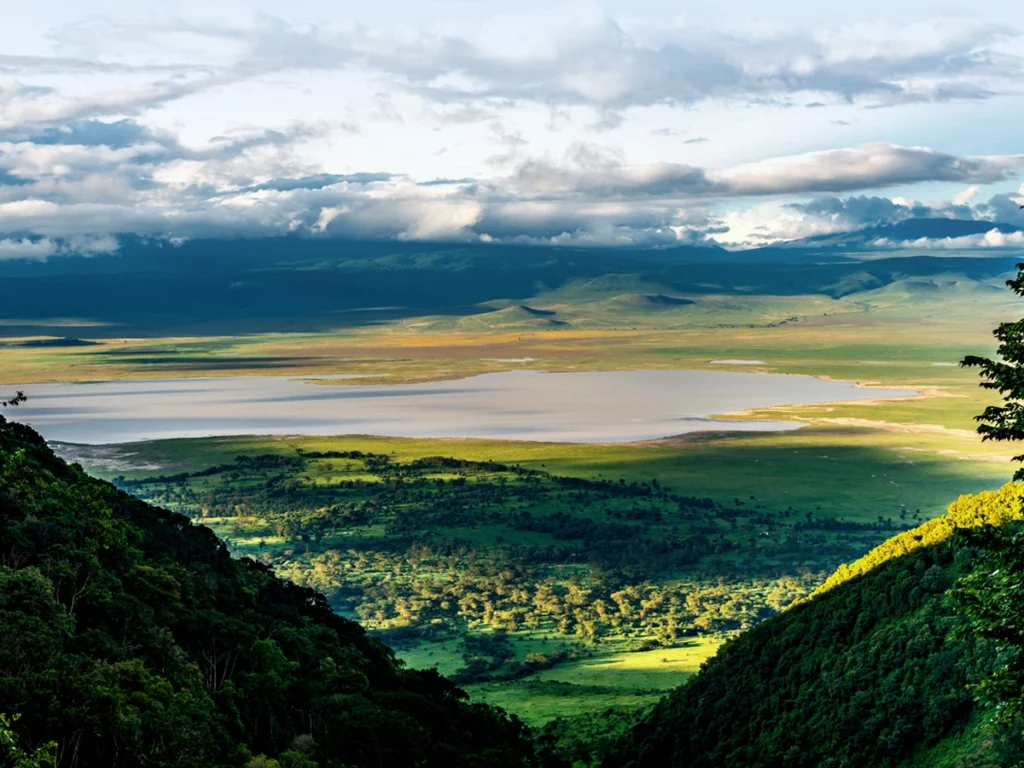
- Ngorongoro Crater: A UNESCO World Heritage Site with incredible wildlife density
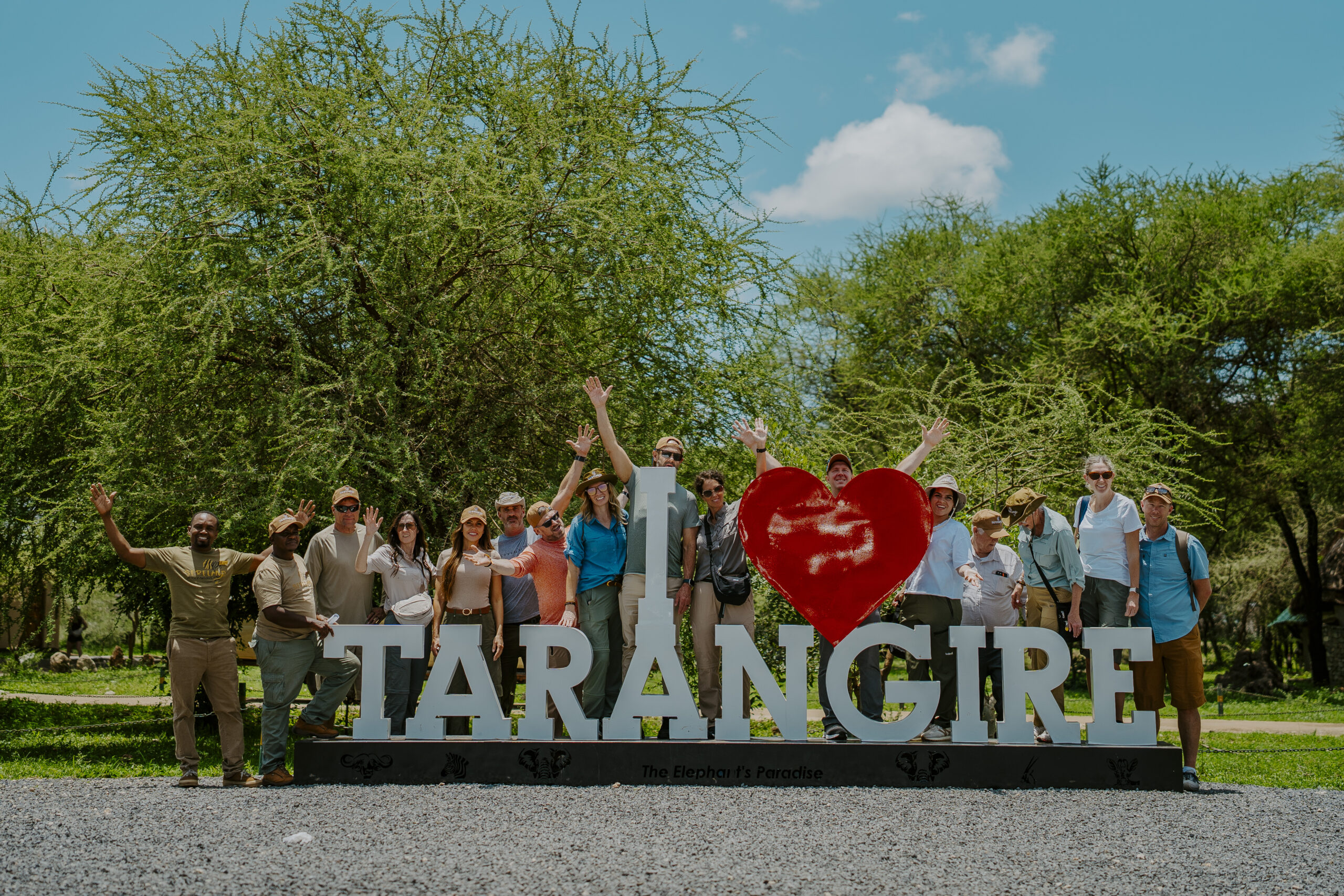
- Tarangire National Park: Famous for giant elephant herds and baobab trees
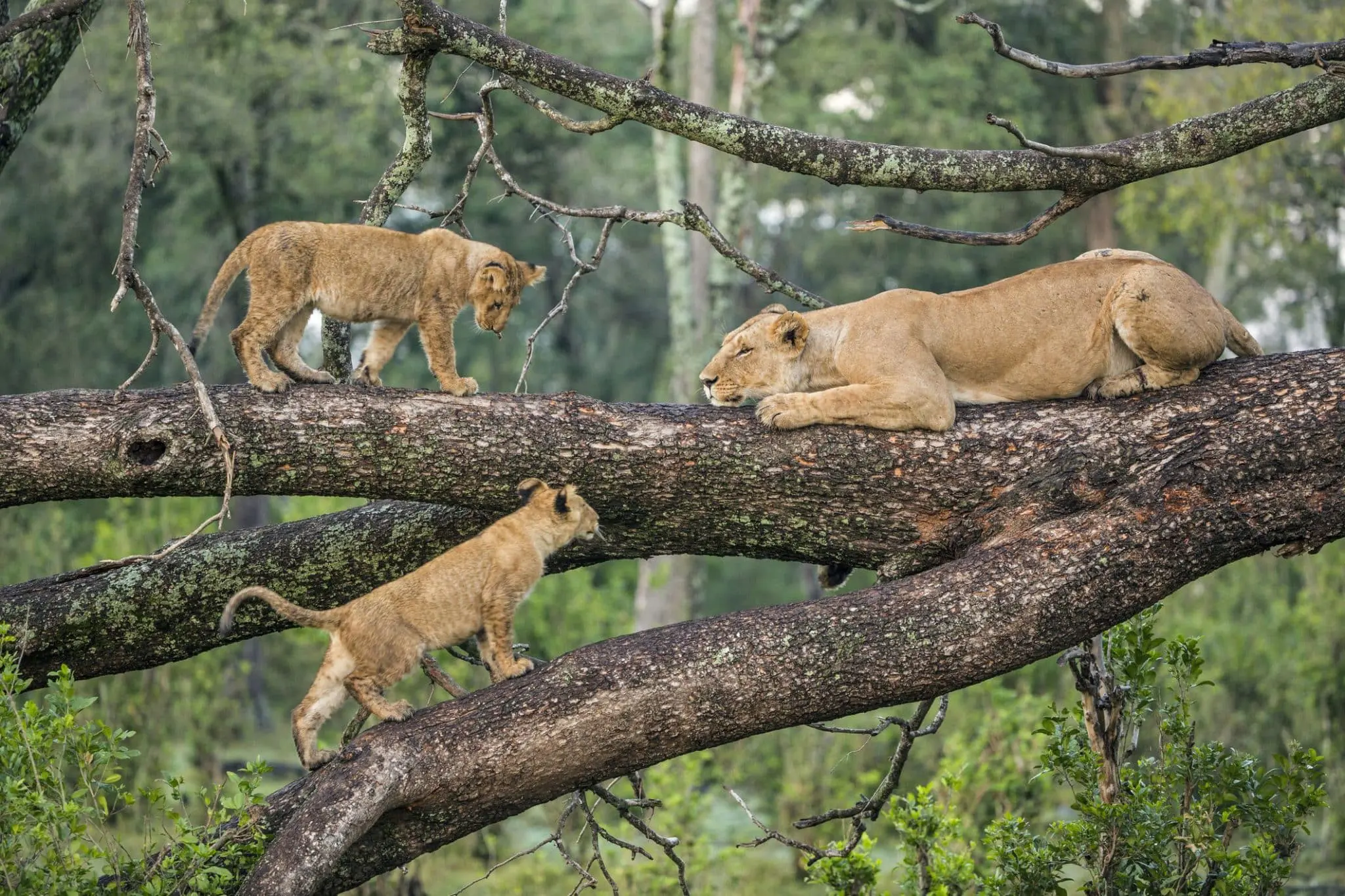
- Lake Manyara National Park: Known for tree-climbing lions and flamingos
- Ruaha & Selous (Nyerere National Park): Off-the-beaten-path wilderness for adventurous travelers
This diversity of ecosystems ensures every safari is unique.
4. Exclusive Safari Experiences
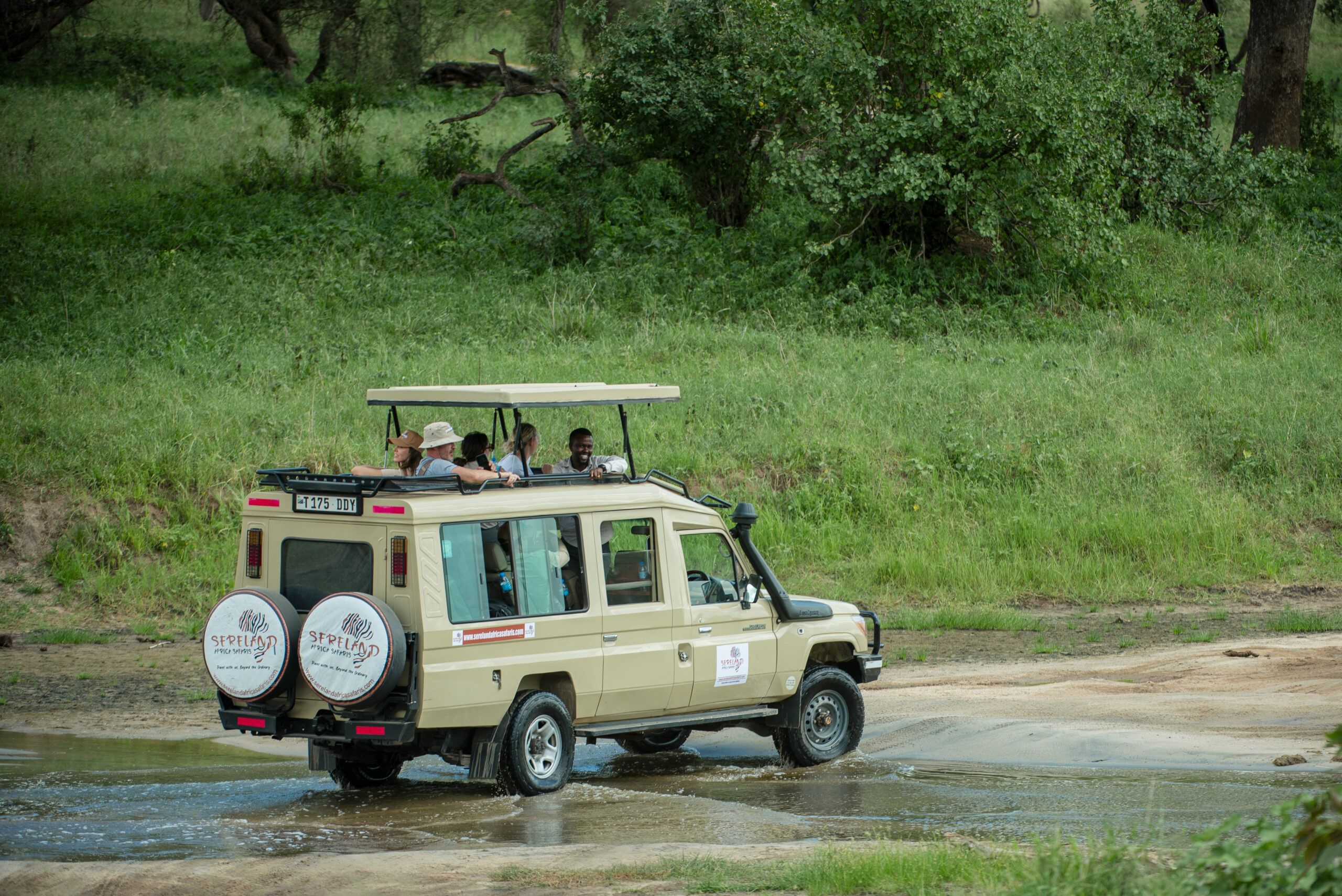
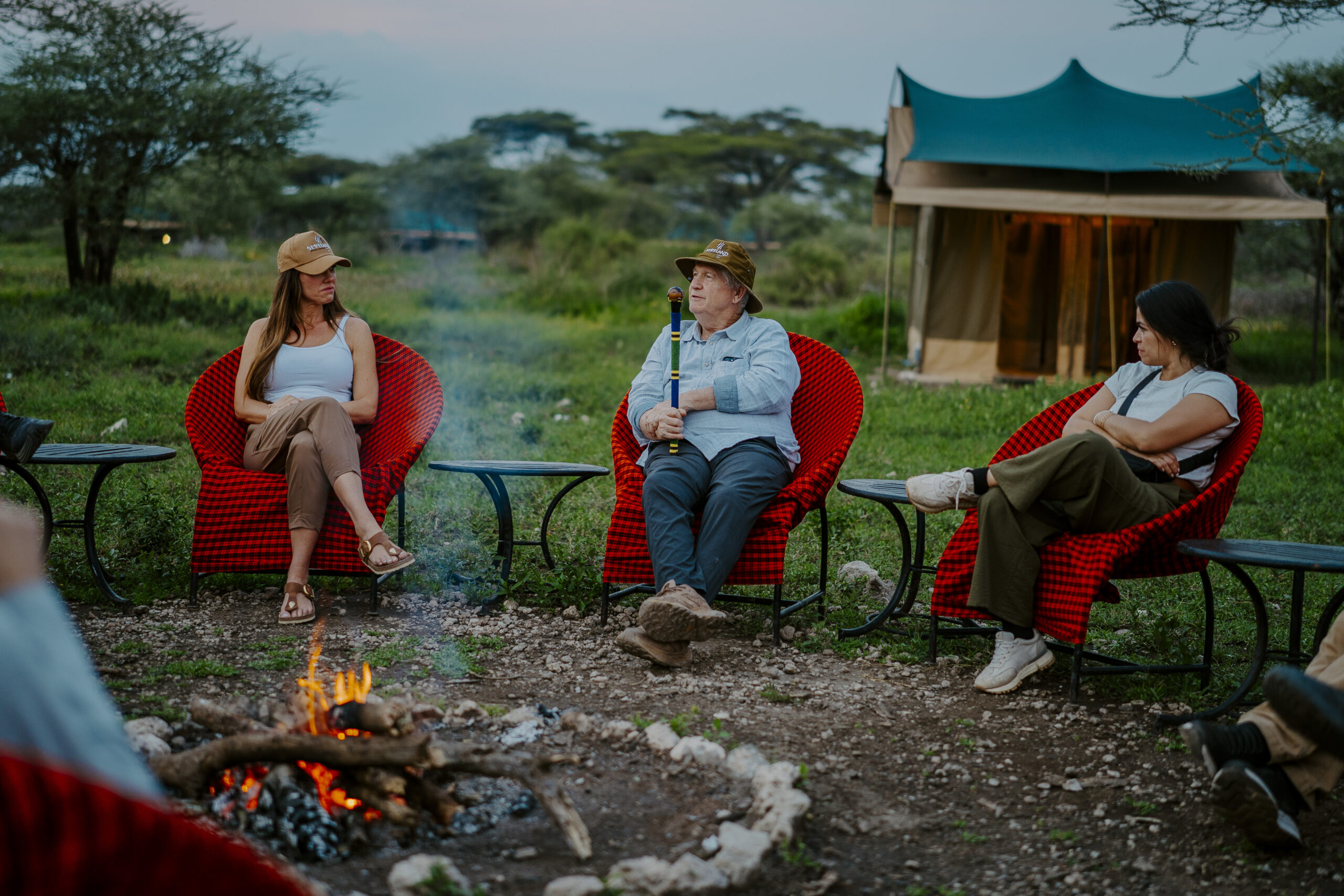
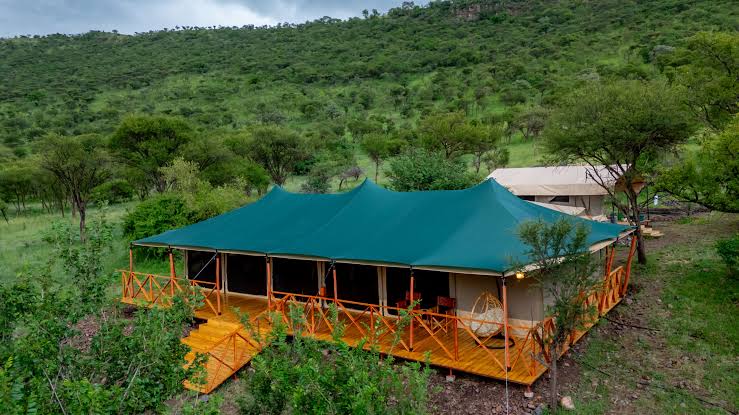
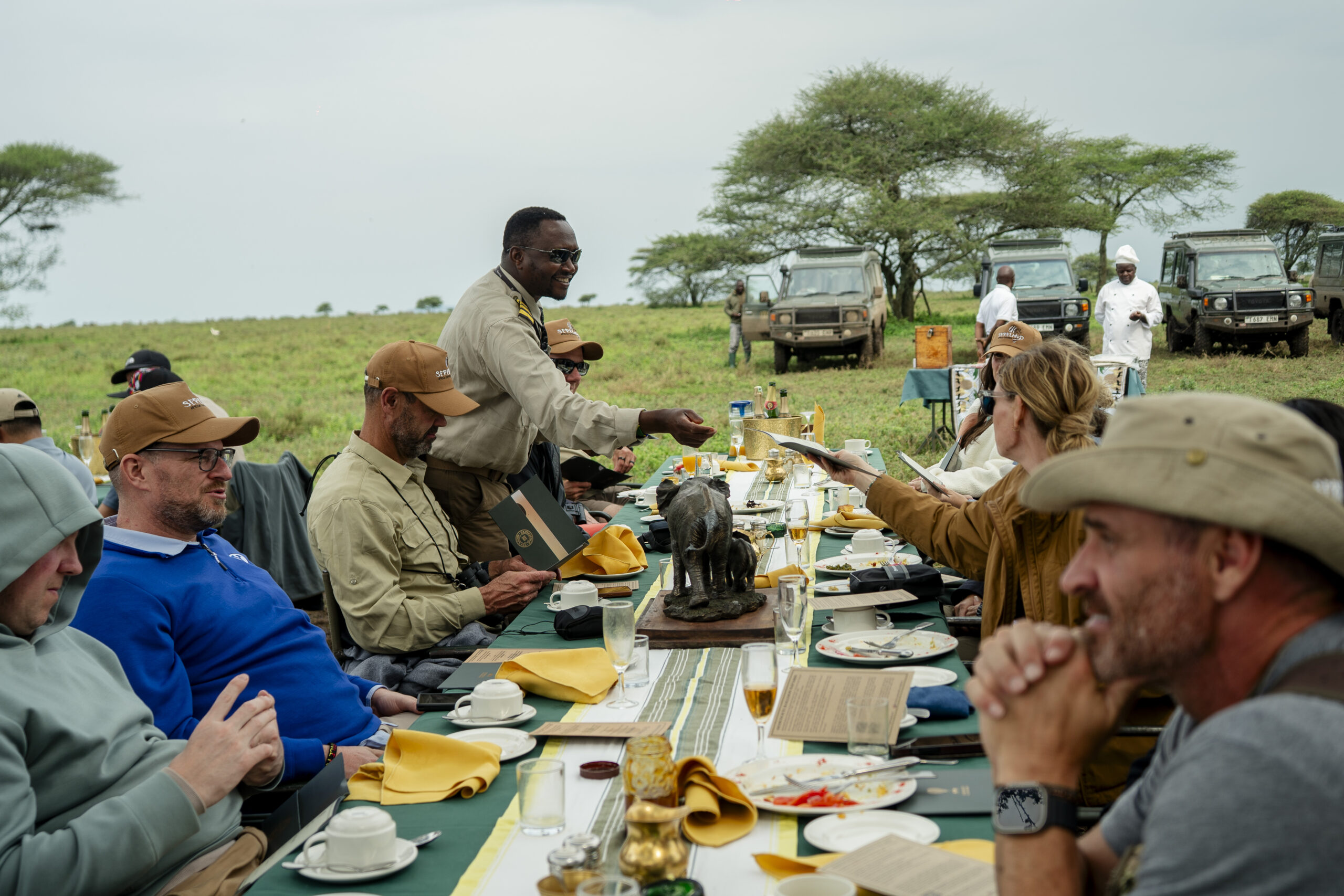
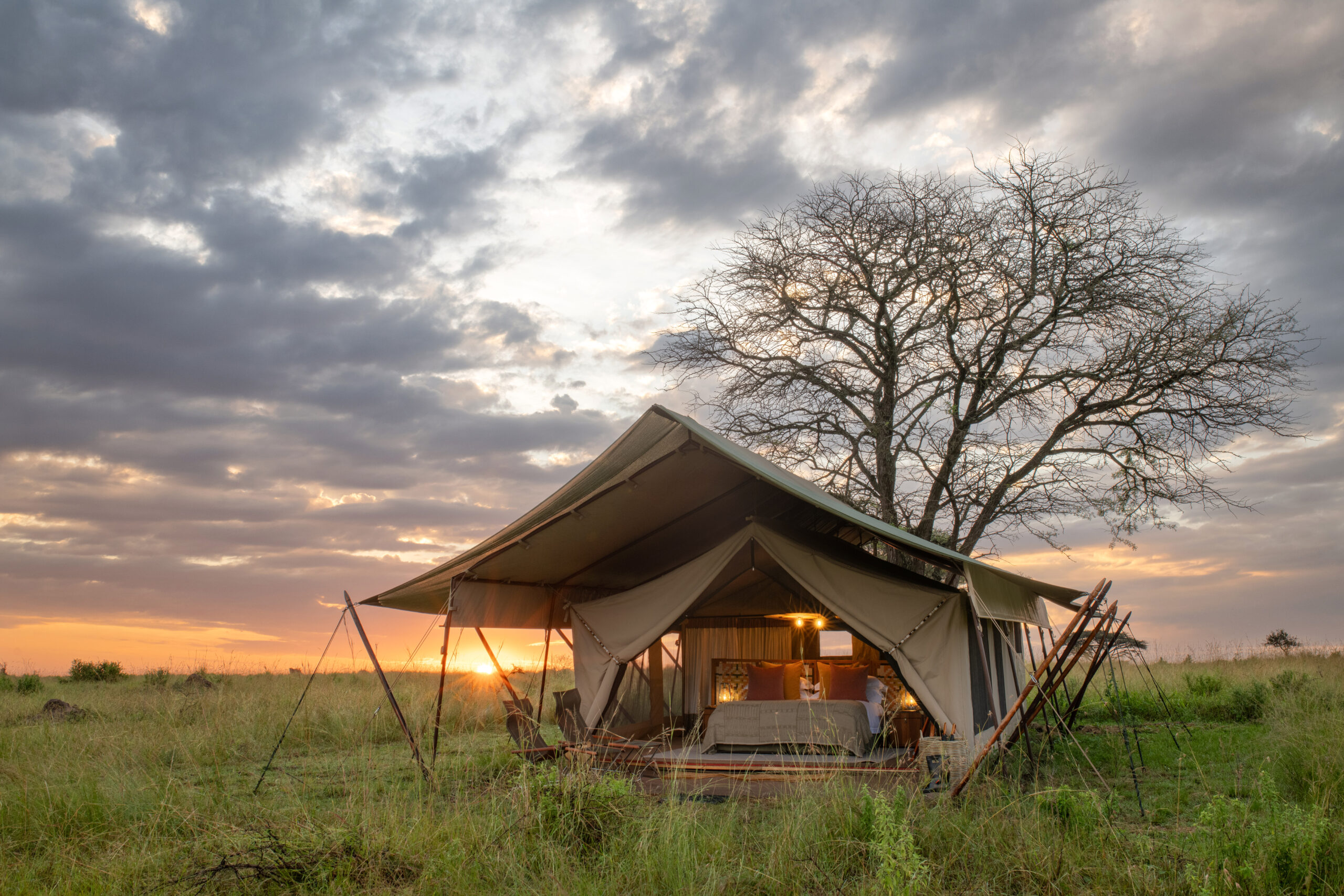
Tanzania offers safari styles for every traveler — from budget-friendly camping to luxury tented camps with private butlers. Highlights include:
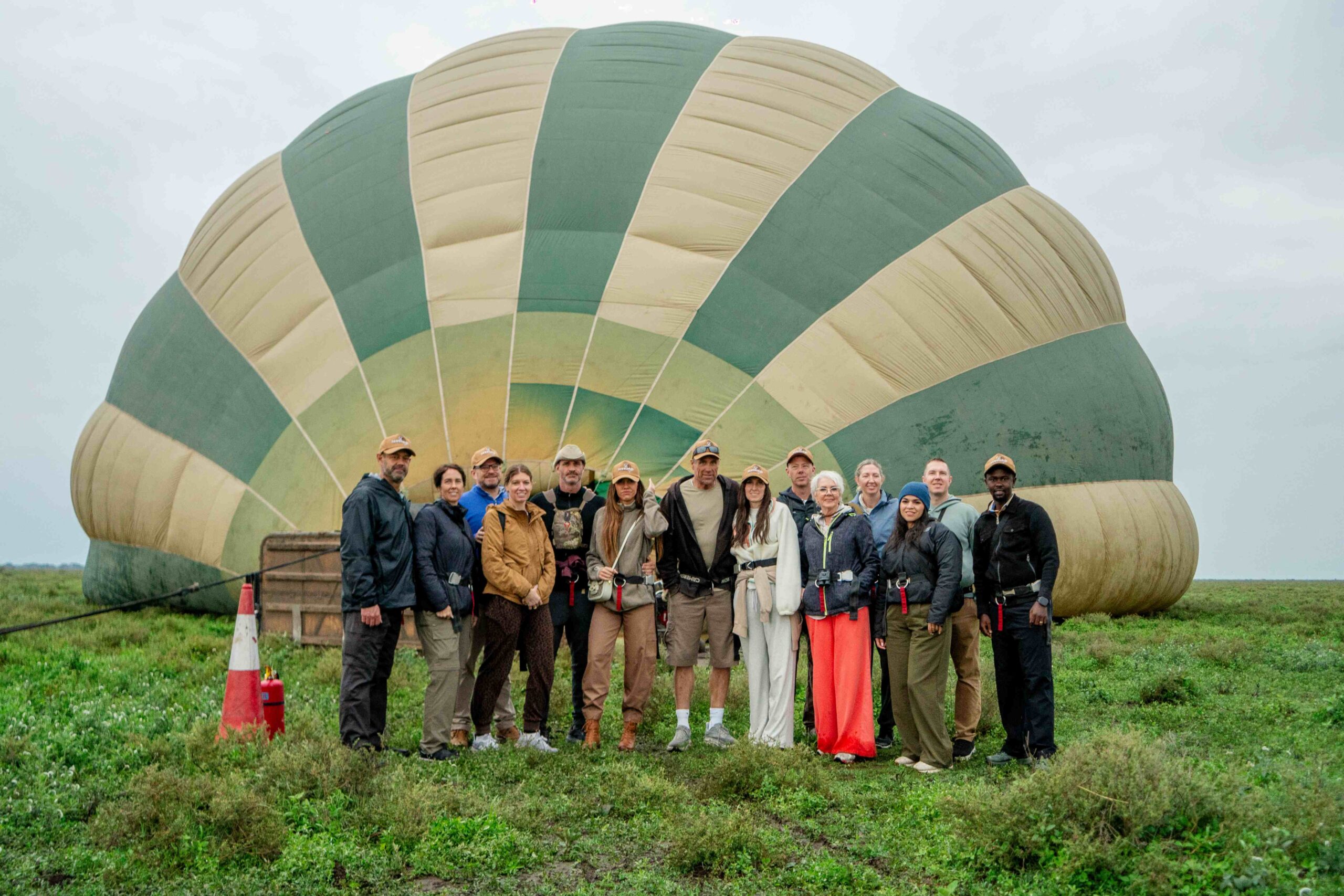
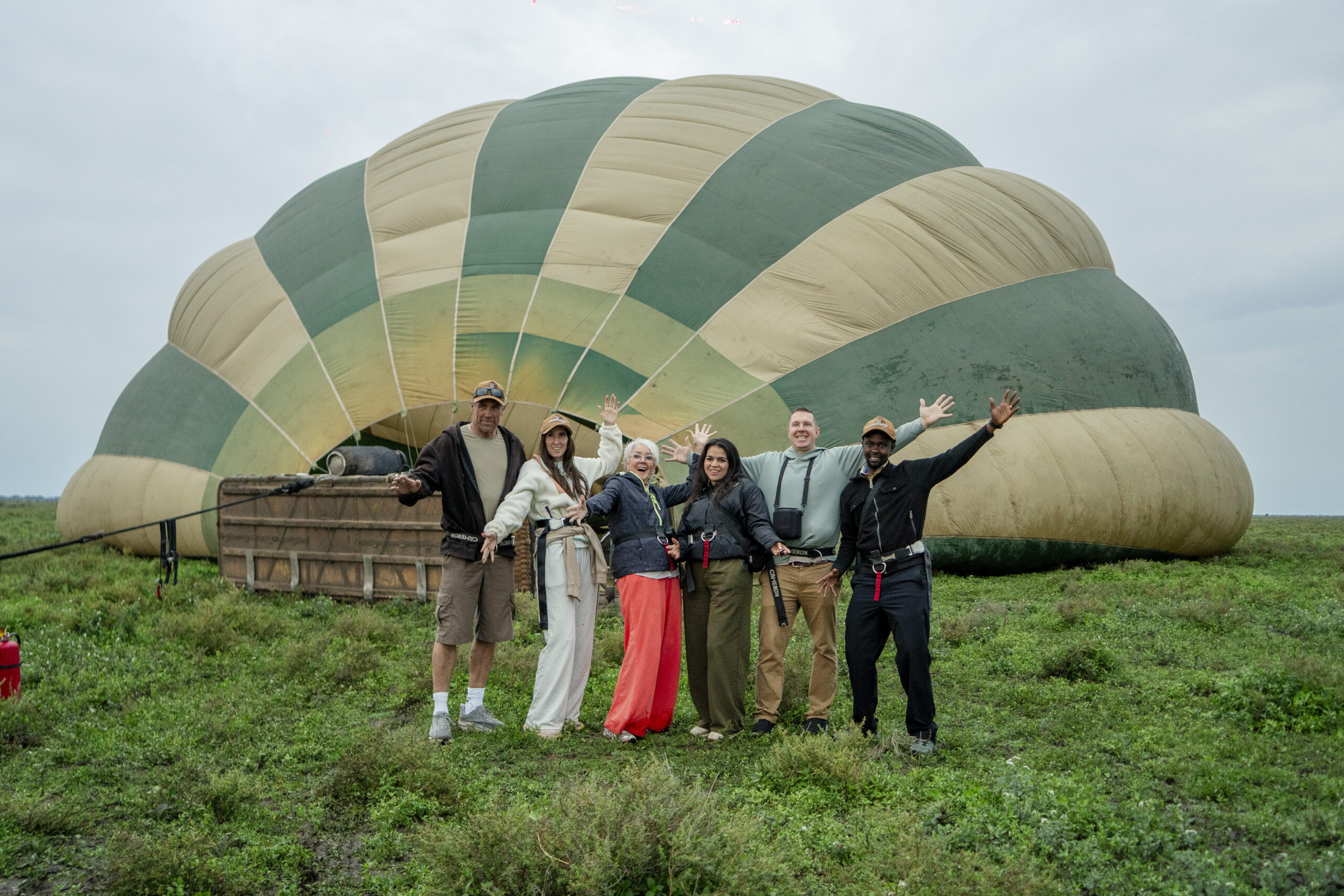
- Hot-air balloon safaris over the Serengeti
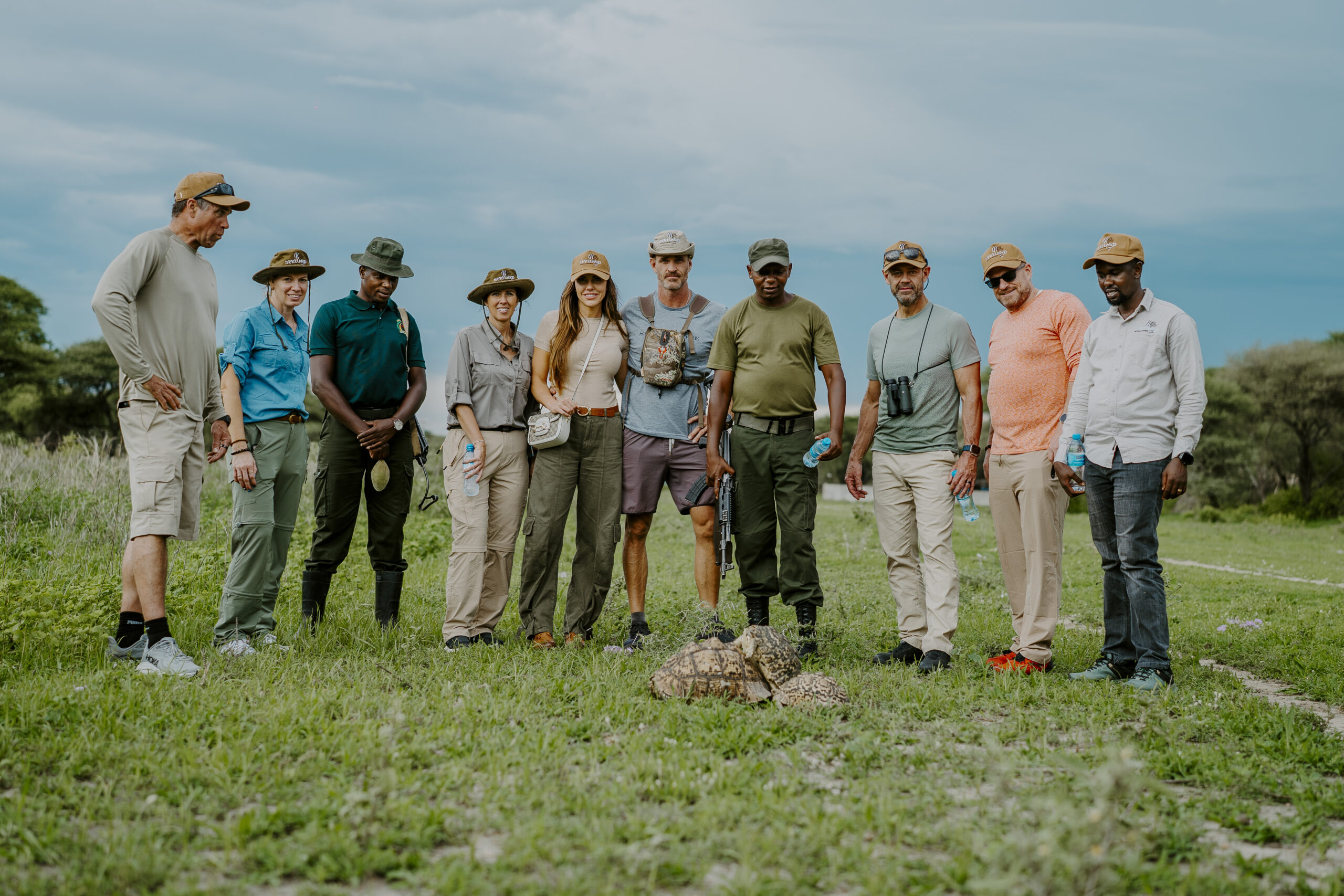
- Walking safaris with expert guides
- Night game drives in select reserves
- Private, tailor-made safaris for couples and families
This flexibility means Tanzania appeals equally to honeymooners, families, photographers, and adventure seekers.
5. The Perfect Safari & Beach Combination
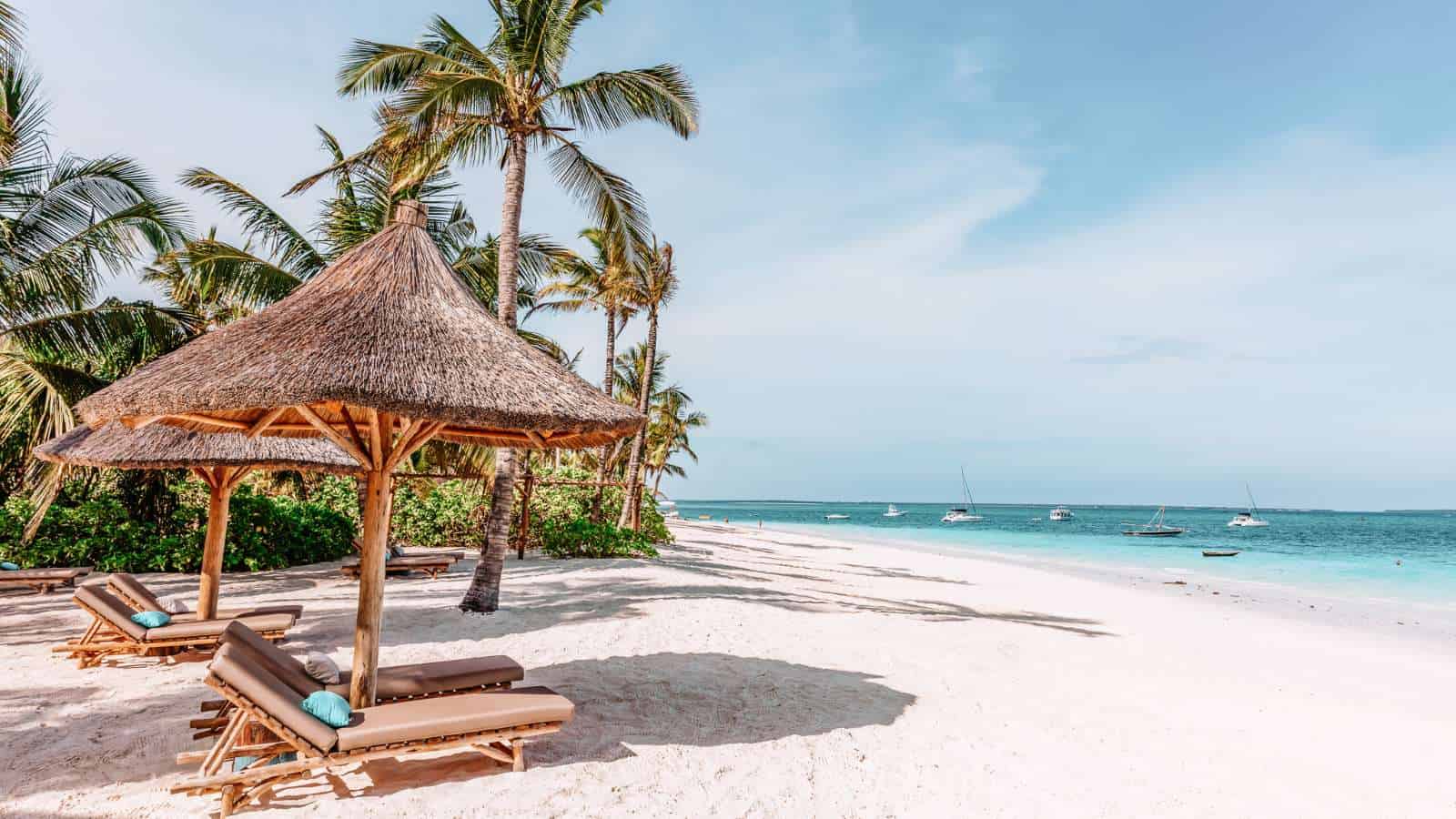
Tanzania is unique because a safari can be perfectly combined with a tropical island getaway. After thrilling game drives, travelers can fly to Zanzibar, Pemba, or Mafia Island to unwind on palm-fringed beaches, dive into coral reefs, and explore the island’s spice-filled history.
This safari-and-beach combination is one of the biggest reasons Tanzania outshines many other destinations.
6. Rich Culture & Warm Hospitality
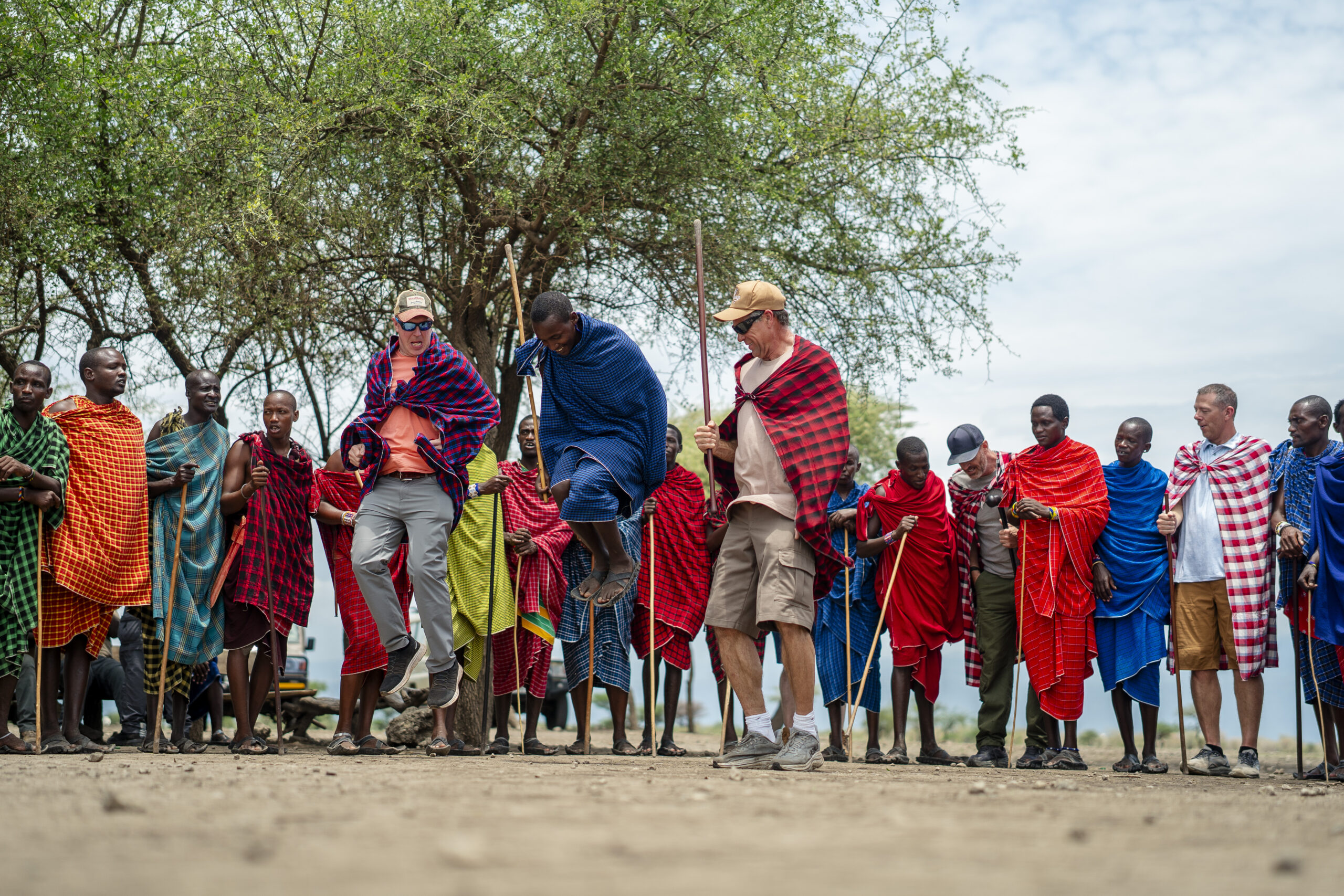
Beyond wildlife, Tanzania offers rich cultural experiences. Visitors can meet the Maasai and learn about their traditions, explore Swahili culture in Zanzibar’s Stone Town, and interact with local communities. The warmth and hospitality of Tanzanians add an extra layer of charm to every trip.
7. Year-Round Safari Opportunities
Unlike some safari destinations limited by seasons, Tanzania offers excellent game viewing year-round. The dry season (June–October) is ideal for safaris, while the green season (November–March) showcases lush landscapes and migratory birds.
This makes Tanzania a flexible destination, whether you’re seeking peak wildlife encounters or quieter, less-crowded safaris.
Final Thoughts
So, why is Tanzania the top safari destination in Africa?
Because it combines everything travelers dream of: dramatic wildlife encounters, world-renowned national parks, breathtaking landscapes, luxury and adventure, vibrant culture, and idyllic beaches.
Whether it’s your first safari or a return trip, Tanzania delivers an experience that is truly unmatched.