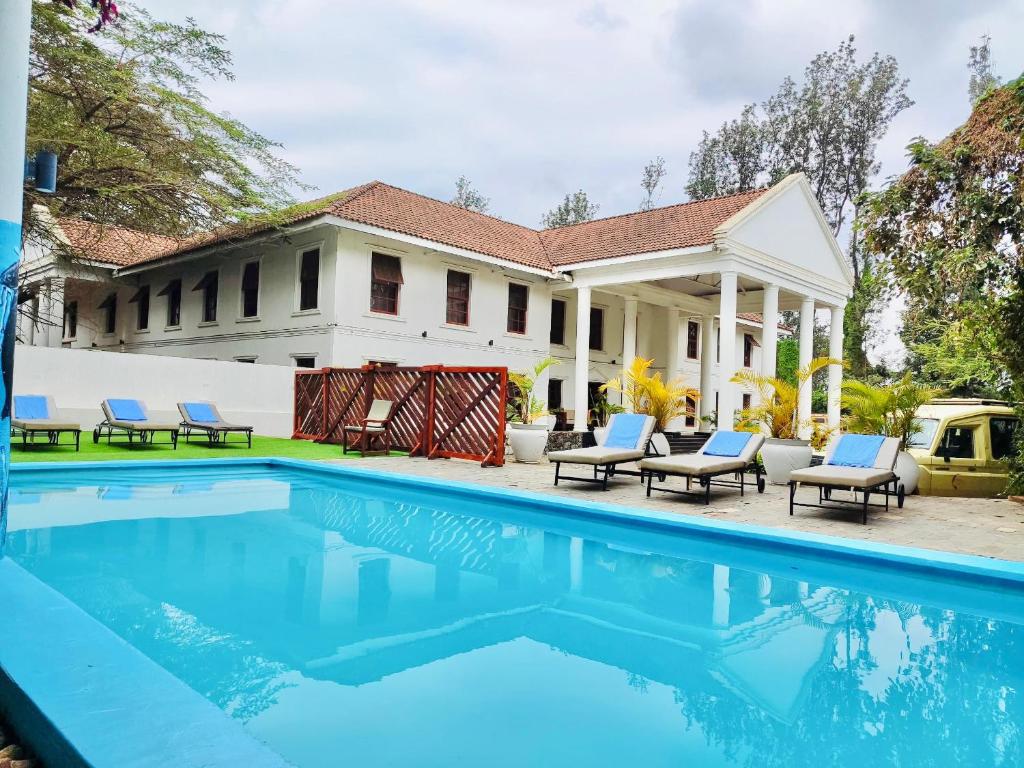
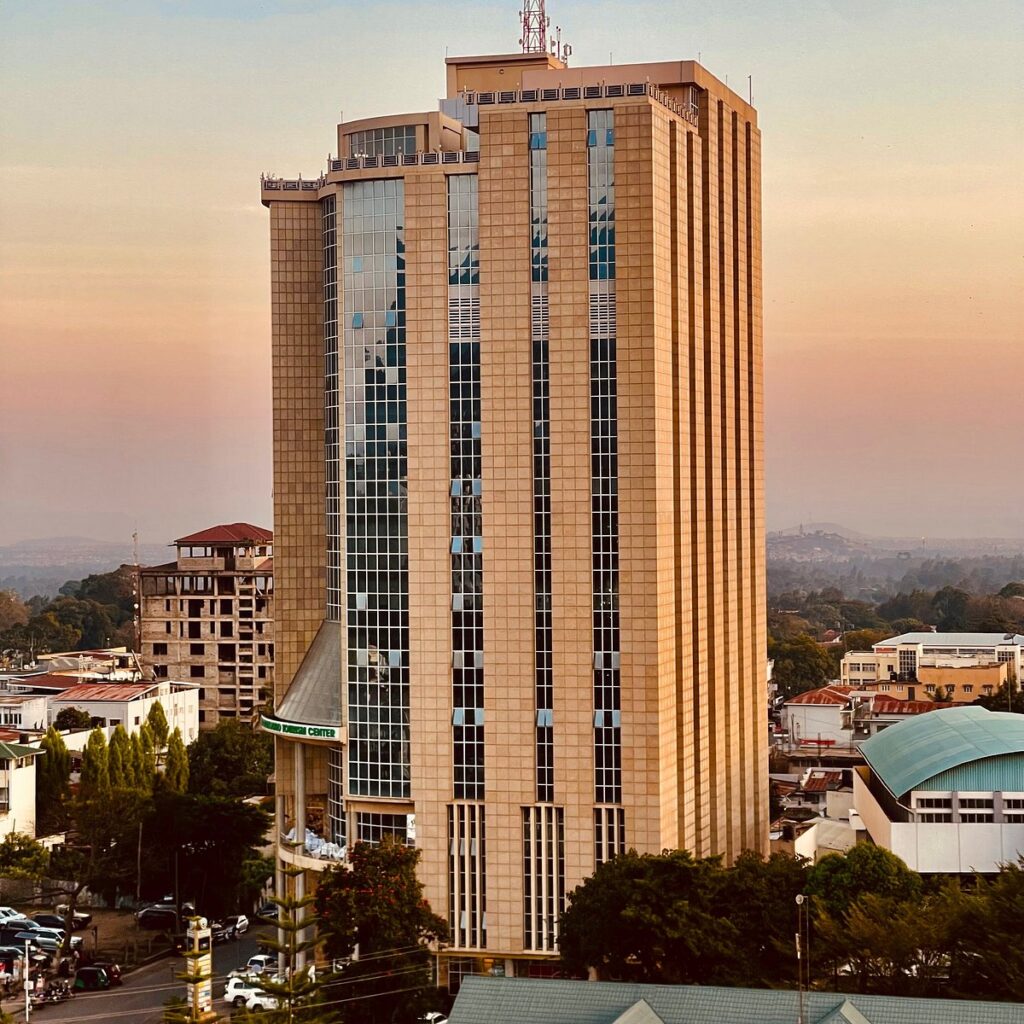
Kenya’s accommodation landscape in 2026 continues to offer diverse options ranging from high-end city hotels to immersive safari lodges and sprawling coastal resorts. In Nairobi, travelers can find luxury at establishments like the Villa Rosa Kempinski or the Nairobi Serena Hotel, both recognized for their central locations and high service standards. For a more boutique experience, Giraffe Manor remains a top destination where guests can interact with resident Rothschild giraffes from their windows. Those needing airport proximity can choose from modern options such as the Argyle Grand Hotel Nairobi Airport or the Crowne Plaza Nairobi Airport, both of which are highly rated for convenience and quality during layovers.
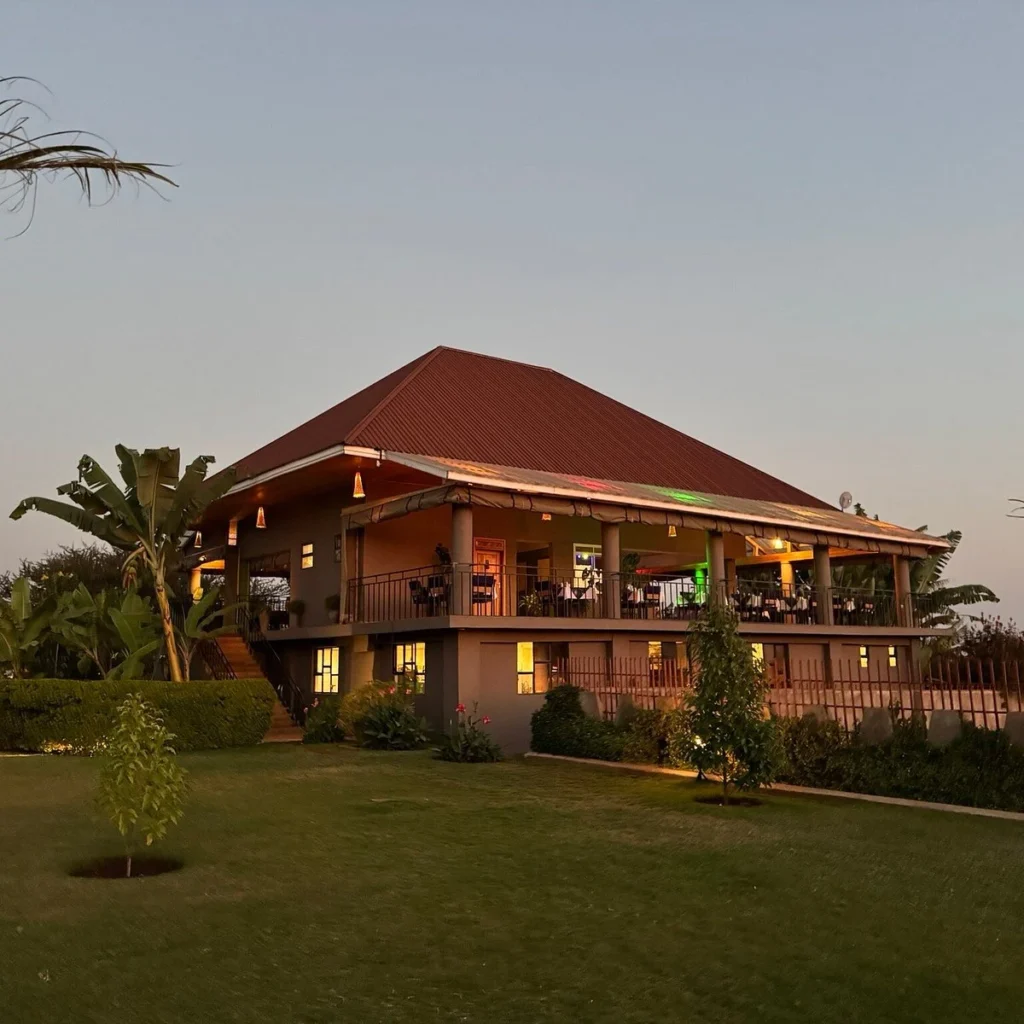
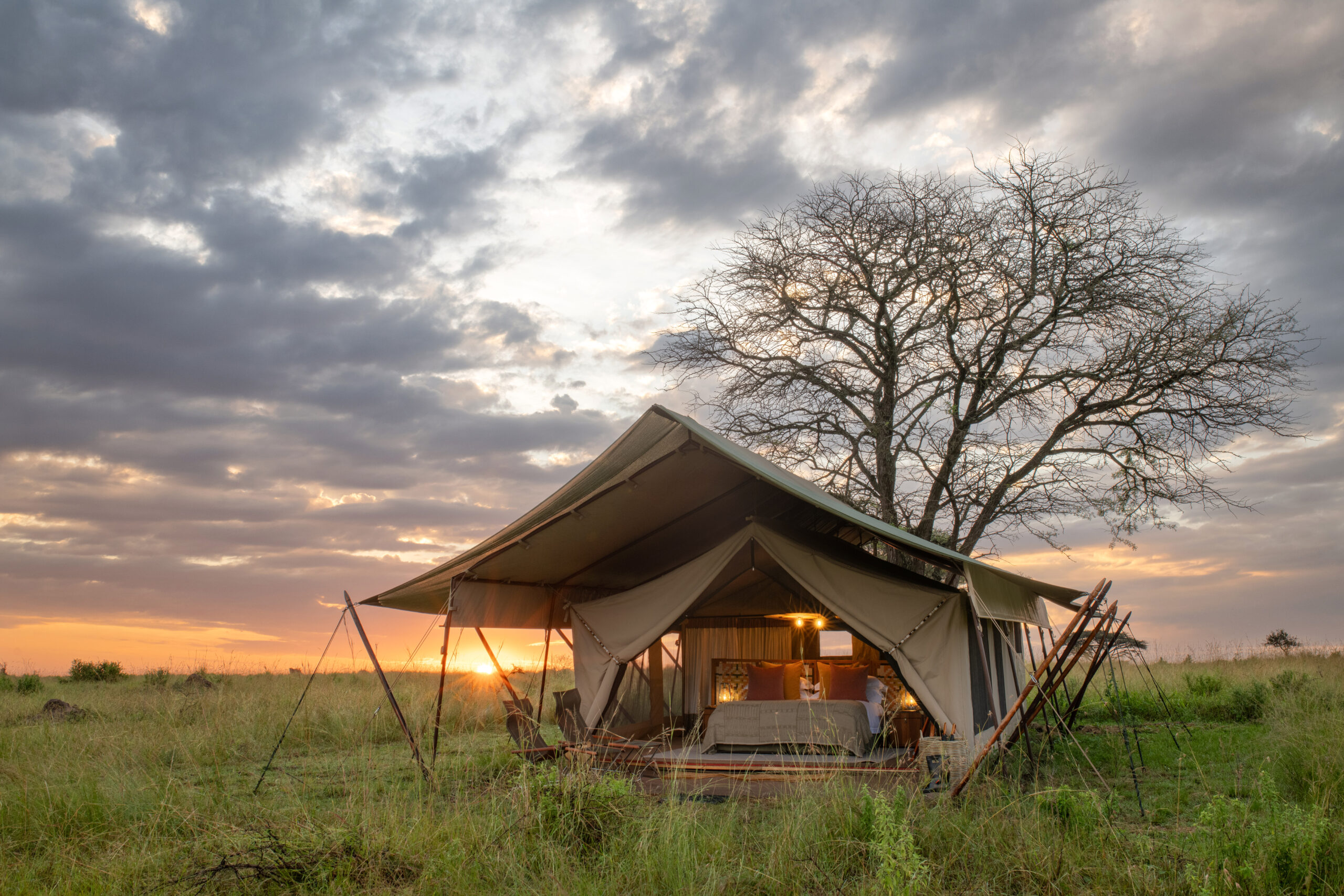
For those heading to the bush, safari accommodations range from traditional luxury to eco-friendly camps. The JW Marriott Masai Mara Lodge and Angama Mara offer panoramic views of the Maasai Mara and high-end tented suites, while Cottar’s 1920s Safari Camp provides a nostalgic, vintage experience. In other regions like Amboseli, Ol Tukai Lodge and Amboseli Serena Safari Lodge provide direct views of Mount Kilimanjaro alongside abundant wildlife sightings. Newer additions for 2026 include the andBeyond Suyian Lodge in the Laikipia region, which focuses on eco-luxury and sustainable tourism.
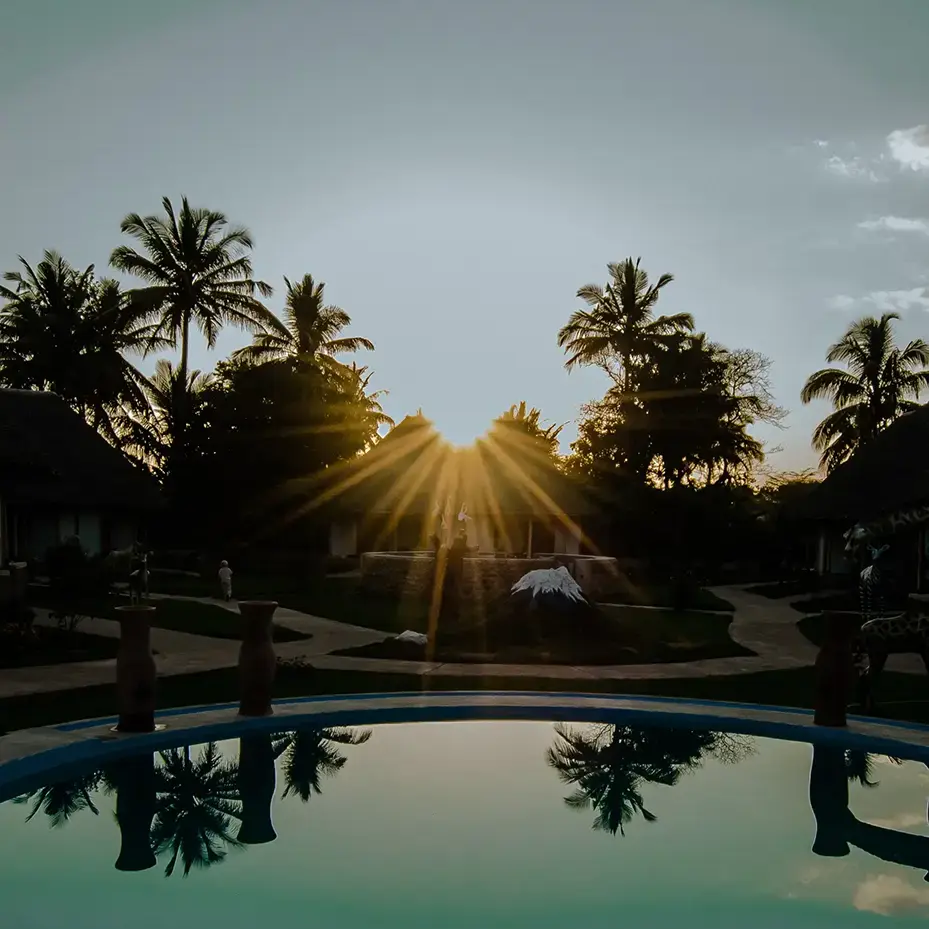
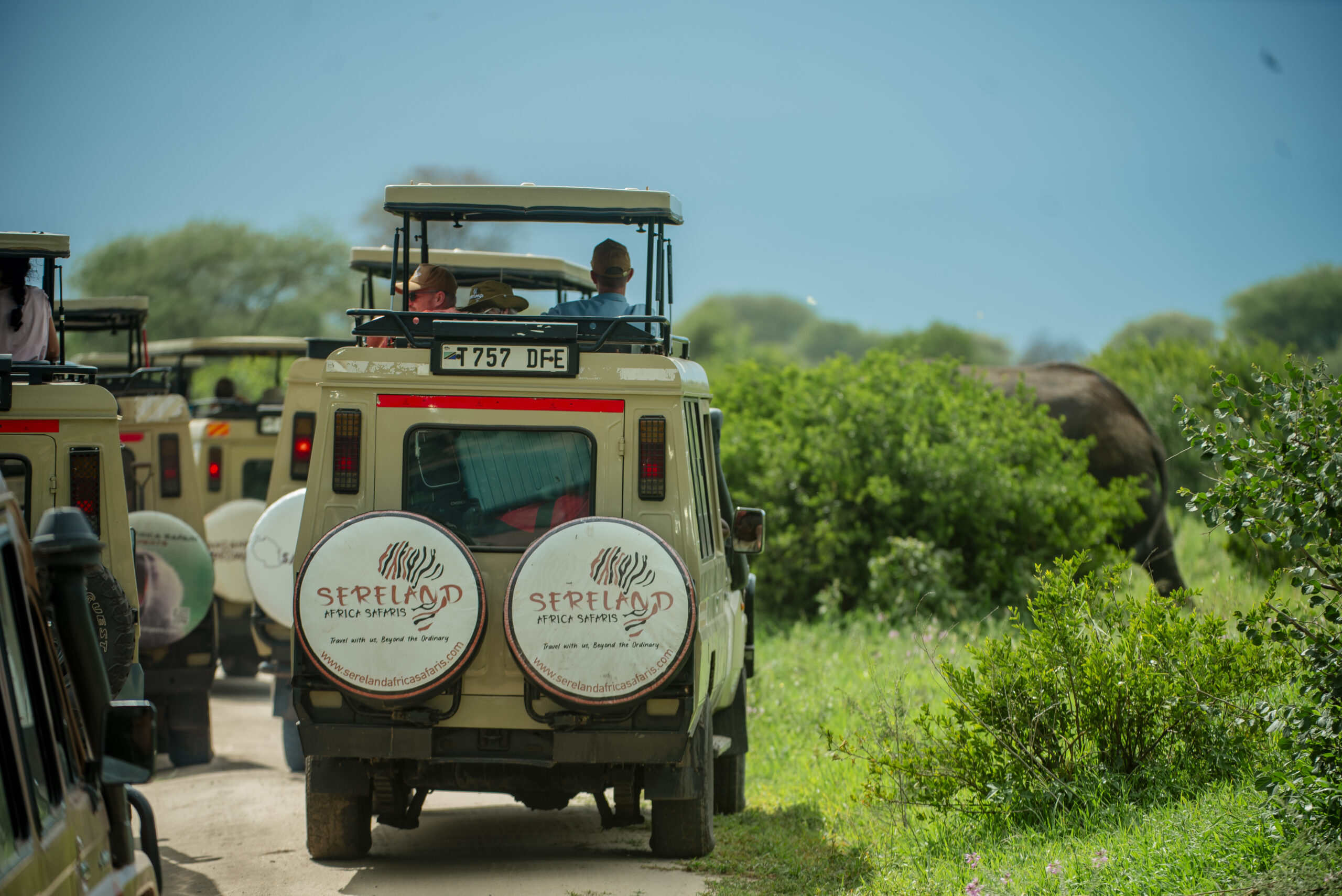
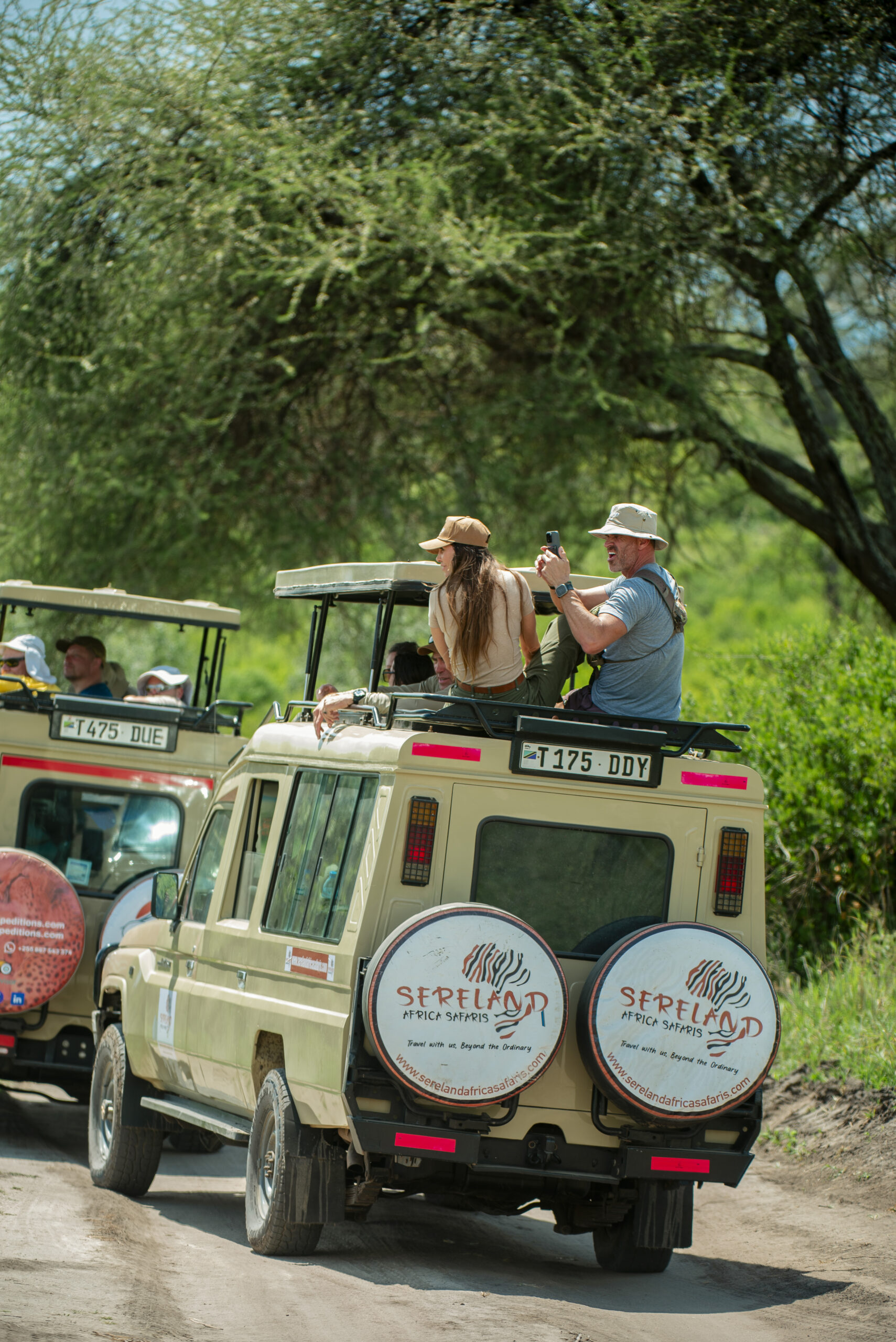
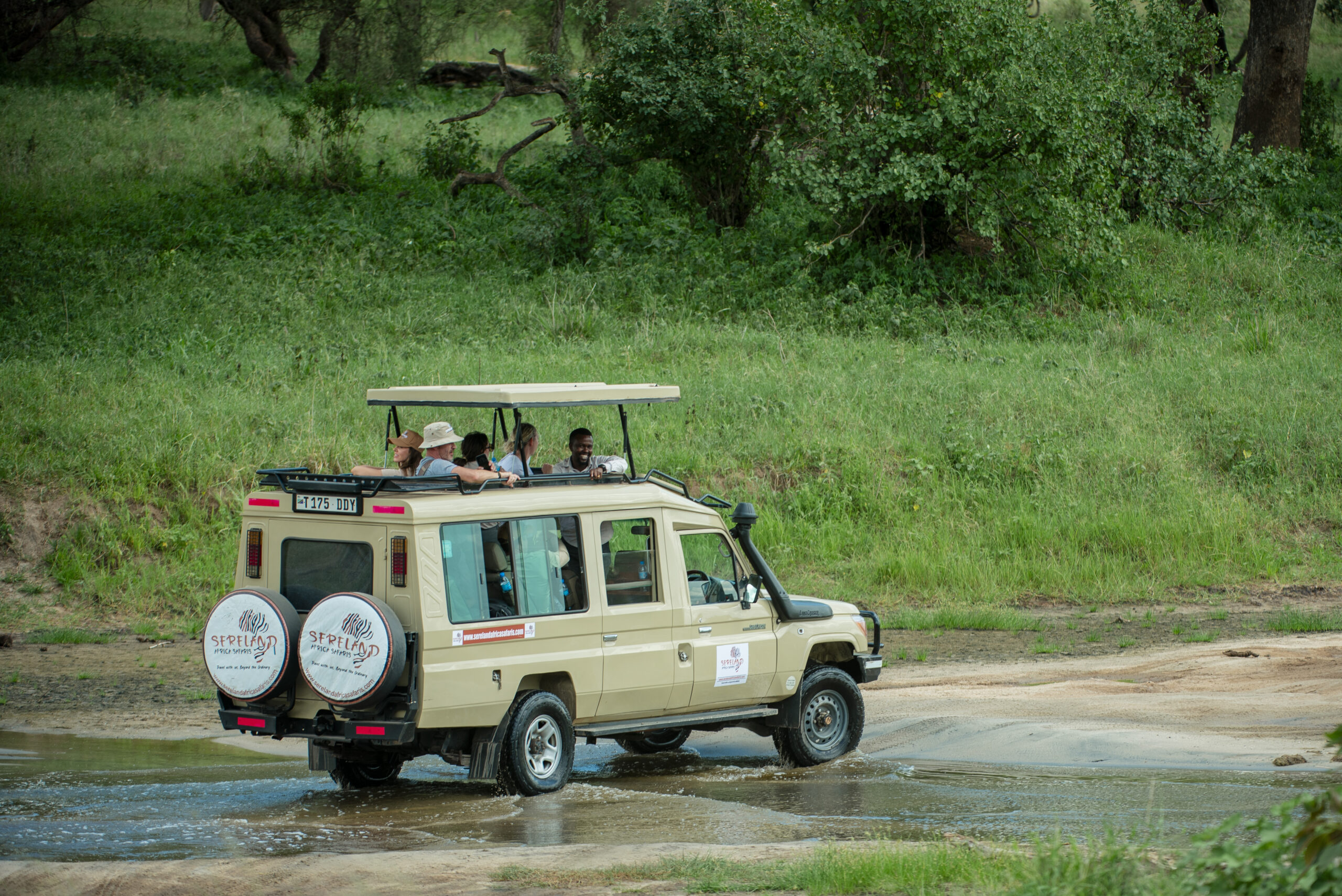
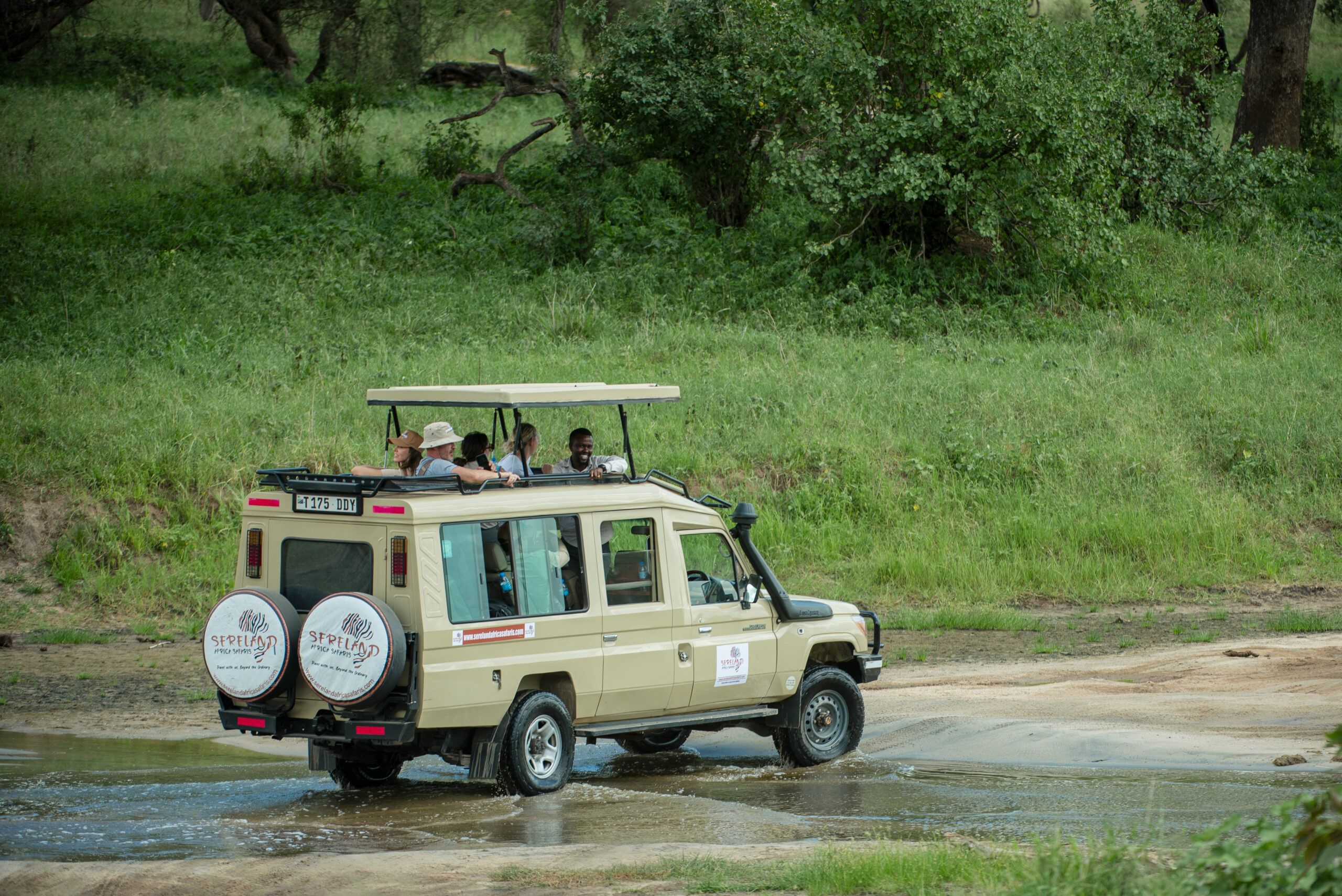
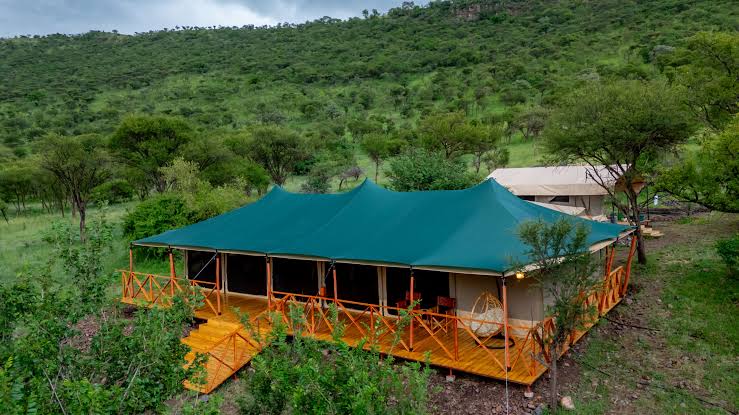
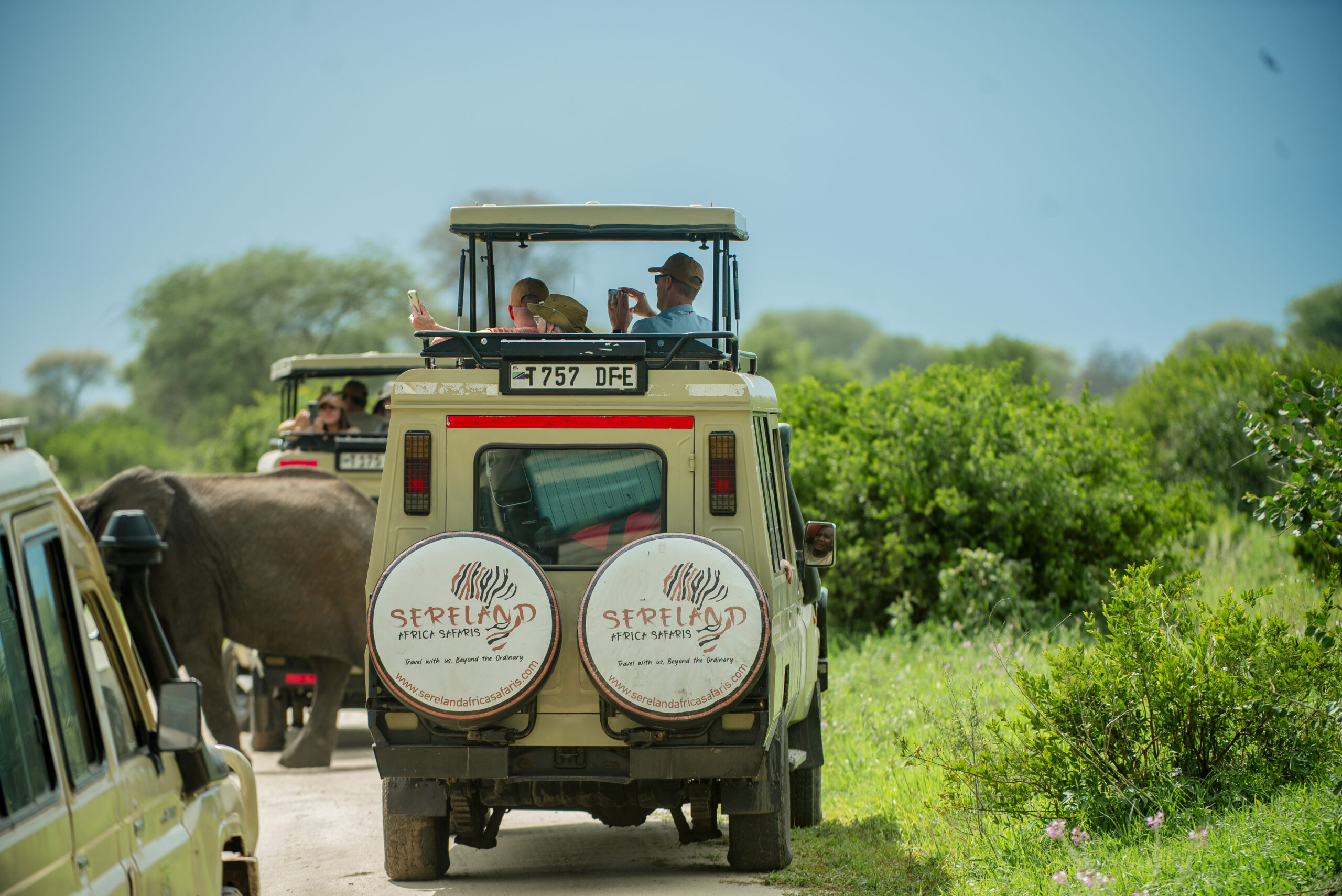
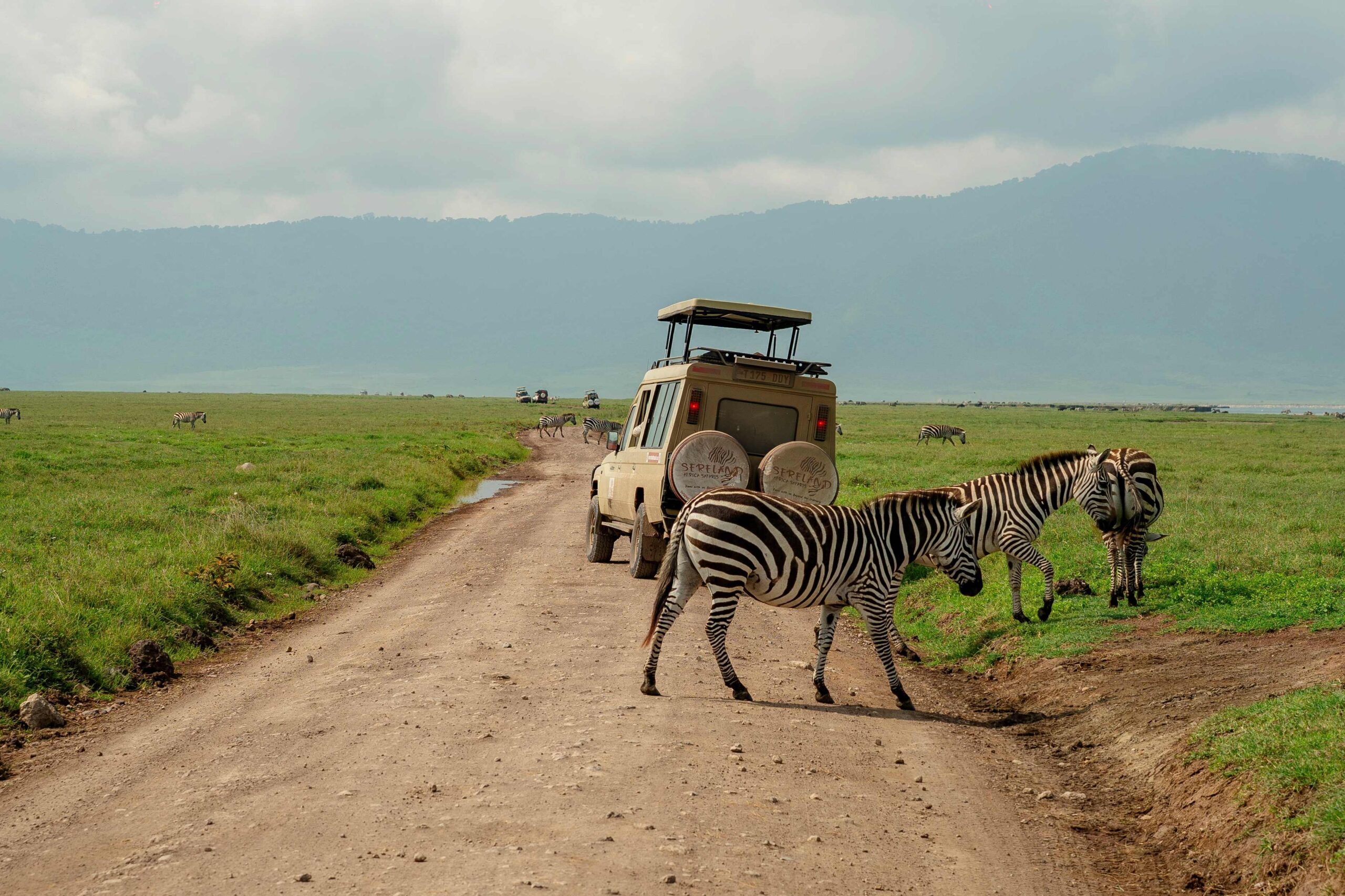
Travelers can choose from several tour formats based on their budget and preference for privacy. Group joining safaris are a popular cost-effective option, where solo or small groups share a 4×4 safari vehicle with others. For a more exclusive experience, private safaris offer dedicated guides and customized itineraries. Accommodations vary from basic campsites for budget travelers to luxurious tented camps and lodges that provide high-end amenities like en-suite bathrooms, fine dining, and private decks overlooking the savannah.
Kenya Accommodations
Experience Kenya through carefully selected accommodations designed for relaxation, adventure, and memorable travel experiences.
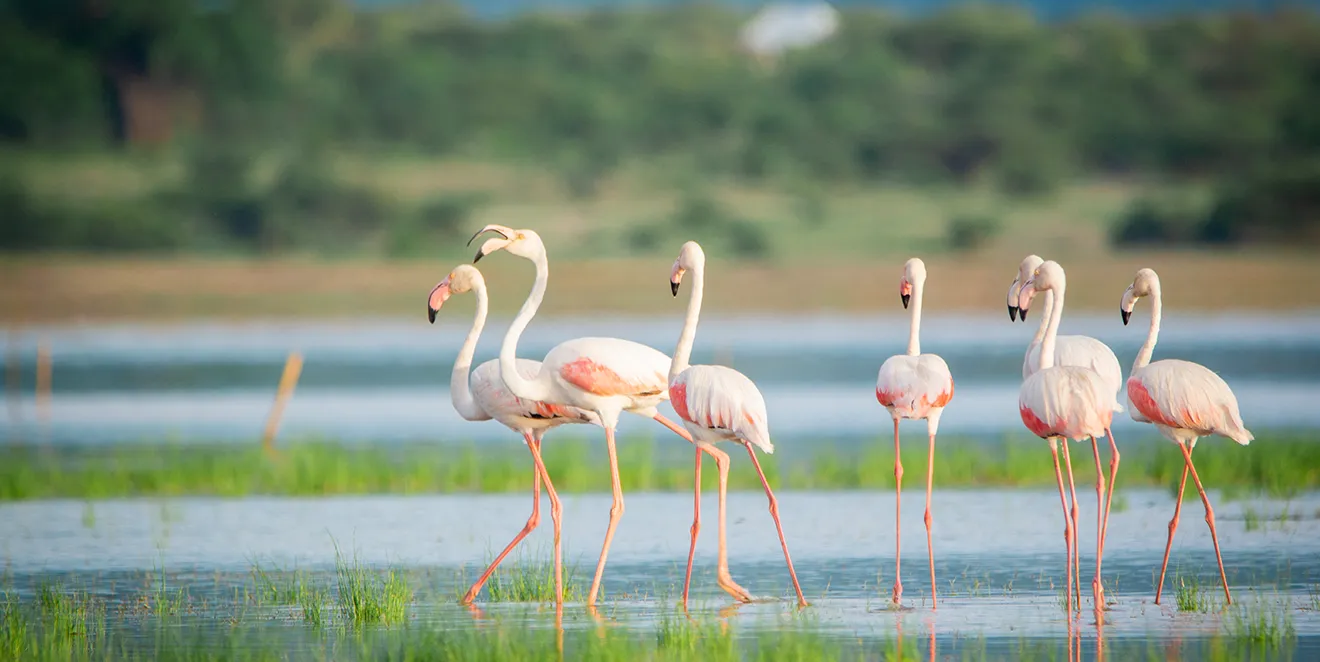
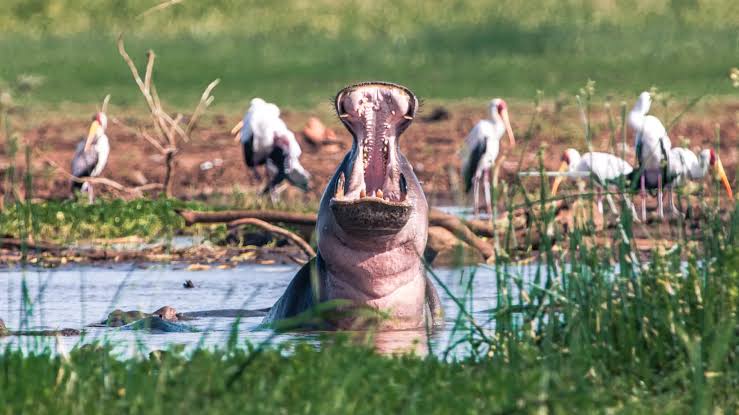
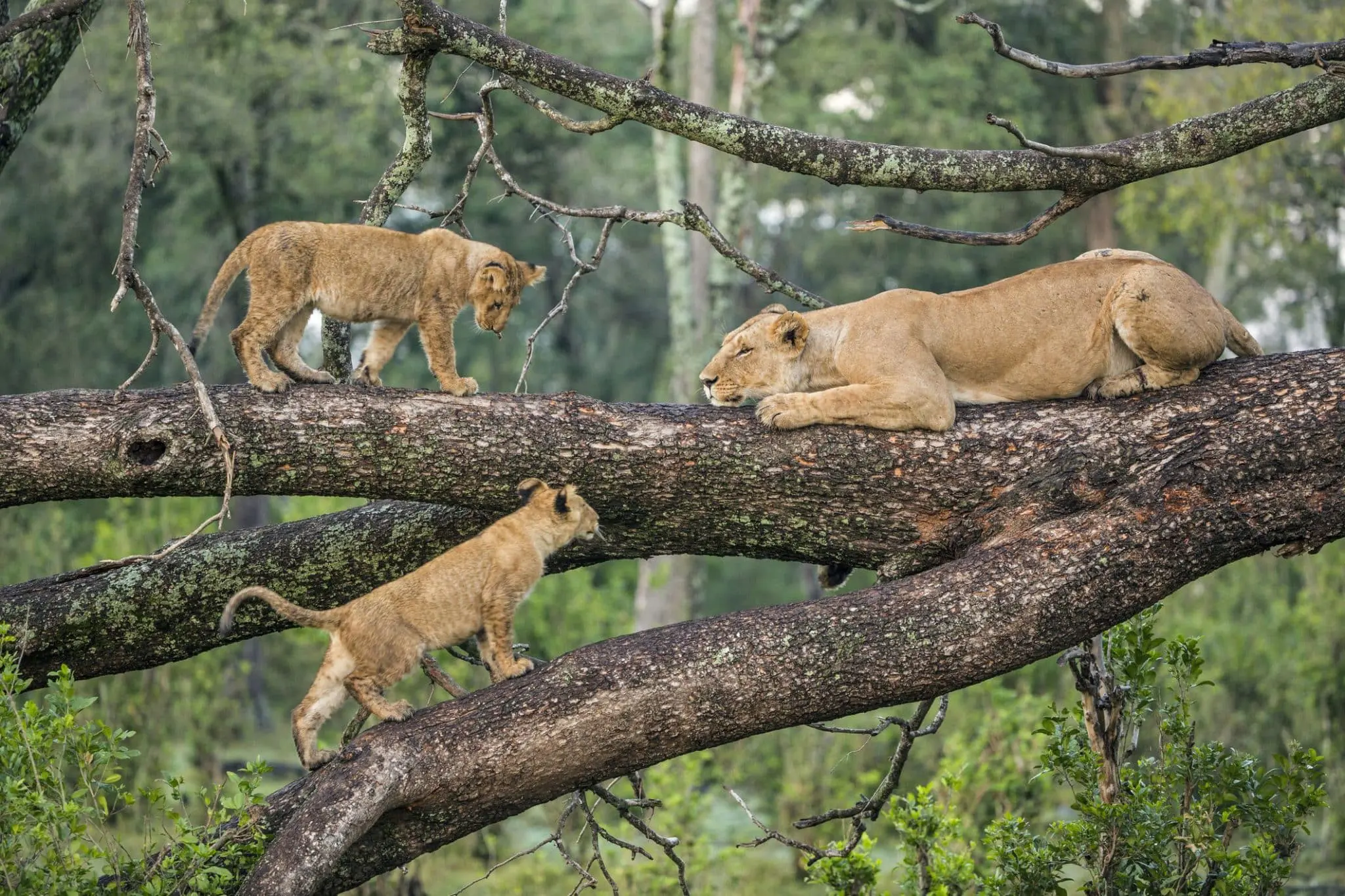
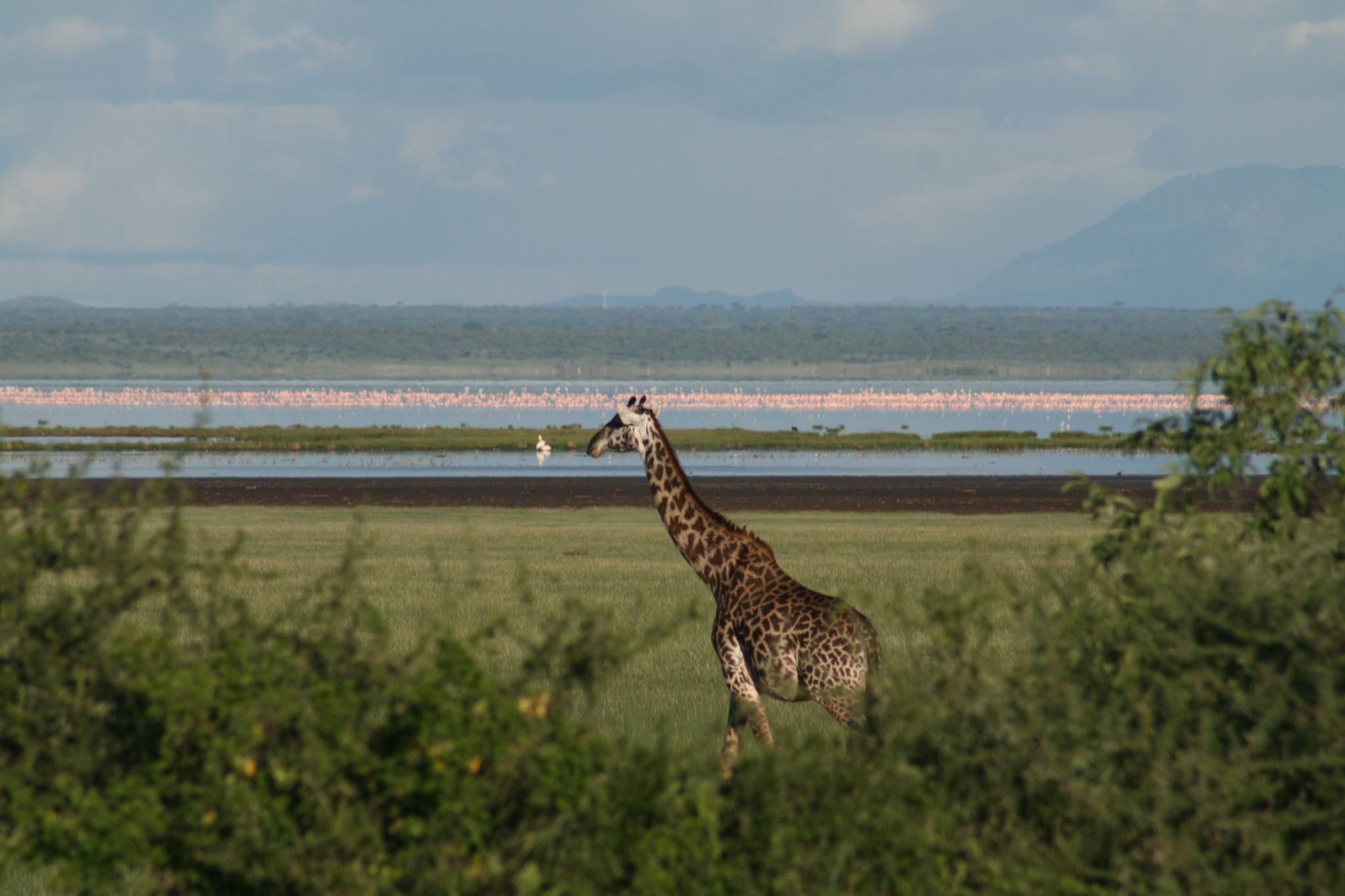
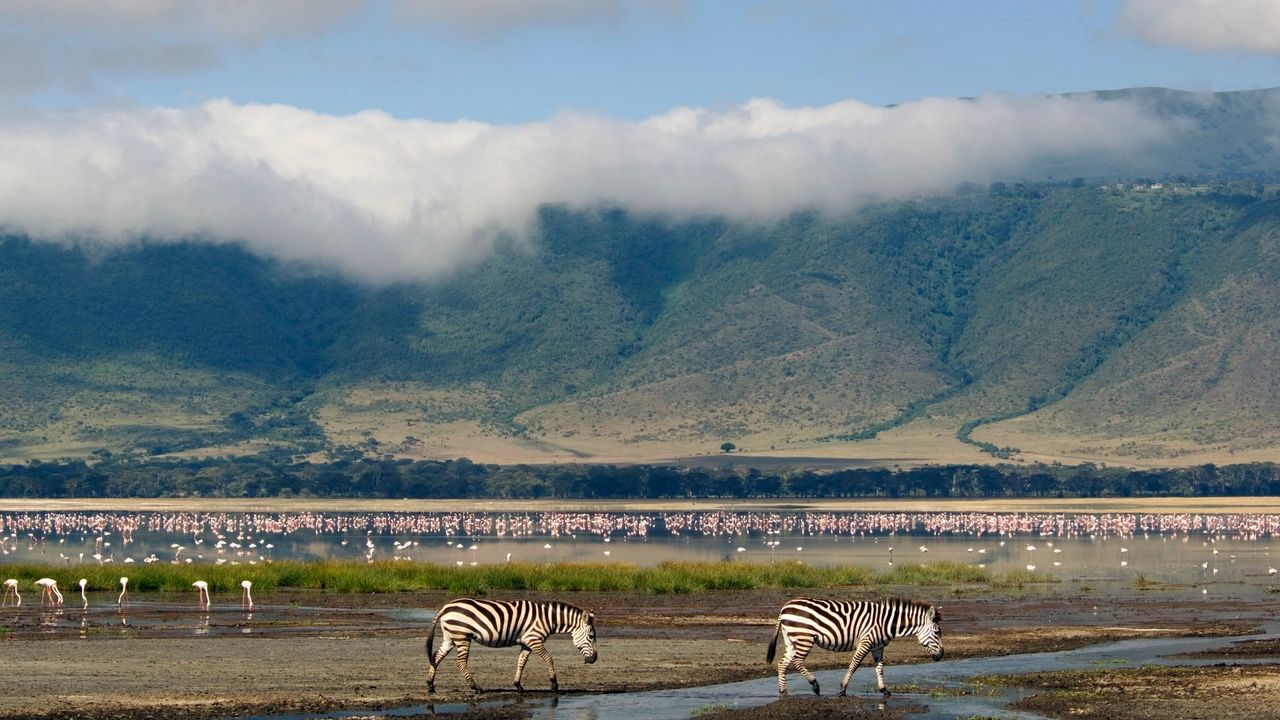
Lake Manyara National Park is a compact yet ecologically diverse wildlife sanctuary located in northern Tanzania, covering 325 square kilometers between the sheer cliffs of the Great Rift Valley Escarpment and the glassy waters of Lake Manyara. Nearly two-thirds of the park’s total surface area is occupied by the alkaline soda lake itself, which regularly draws millions of pink flamingos and other waterbirds to its shallow edges. The remaining terrain features a dramatic sequence of habitats, moving from a dense groundwater forest populated by massive troops of olive baboons and blue monkeys to open acacia woodlands famous for sheltering rare tree-climbing lions. Its rich environment provides critical feeding grounds for large herds of elephants, Cape buffaloes, giraffes, and hippos wallowing at the Mto wa Mbu entry points, offering a visually stunning, rapid safari experience right on the doorstep of the broader Northern Safari Circui
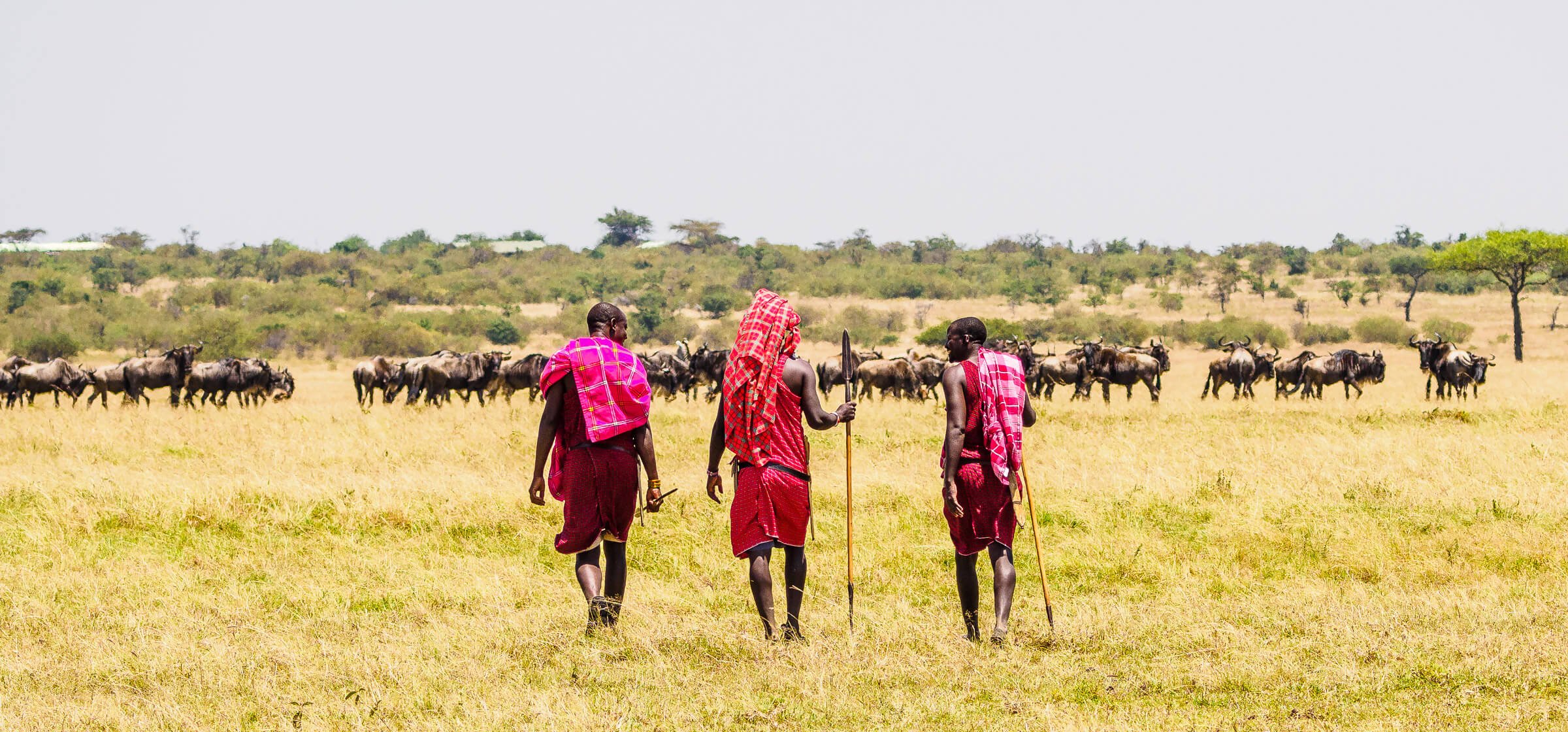
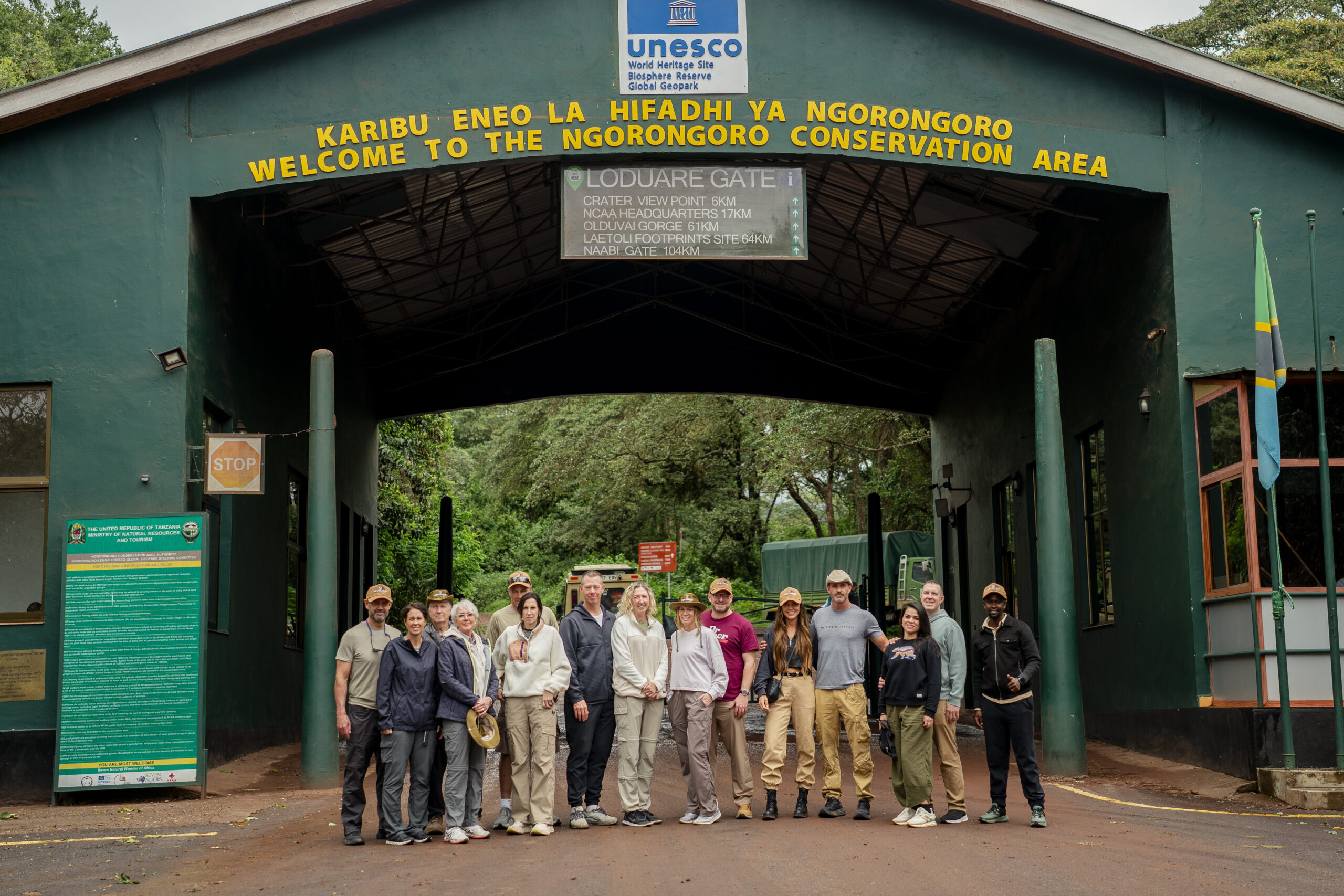
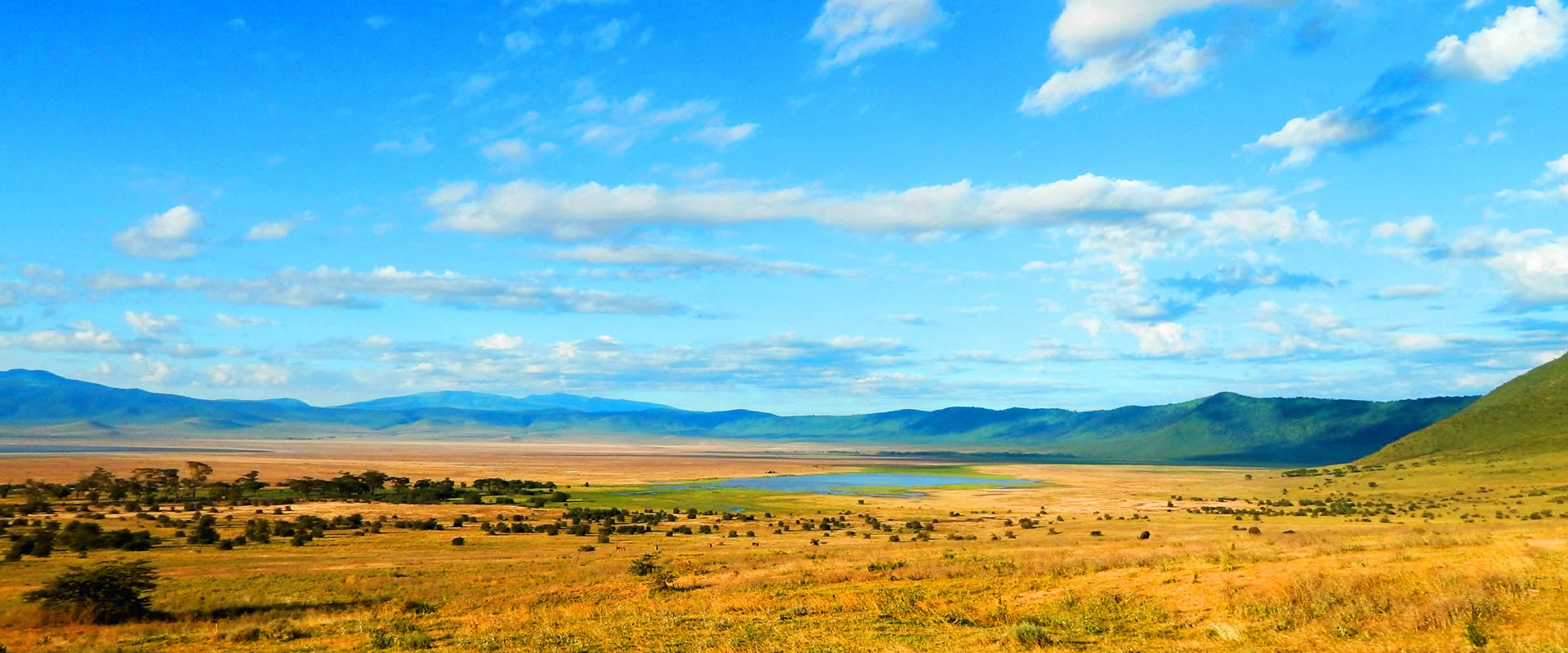
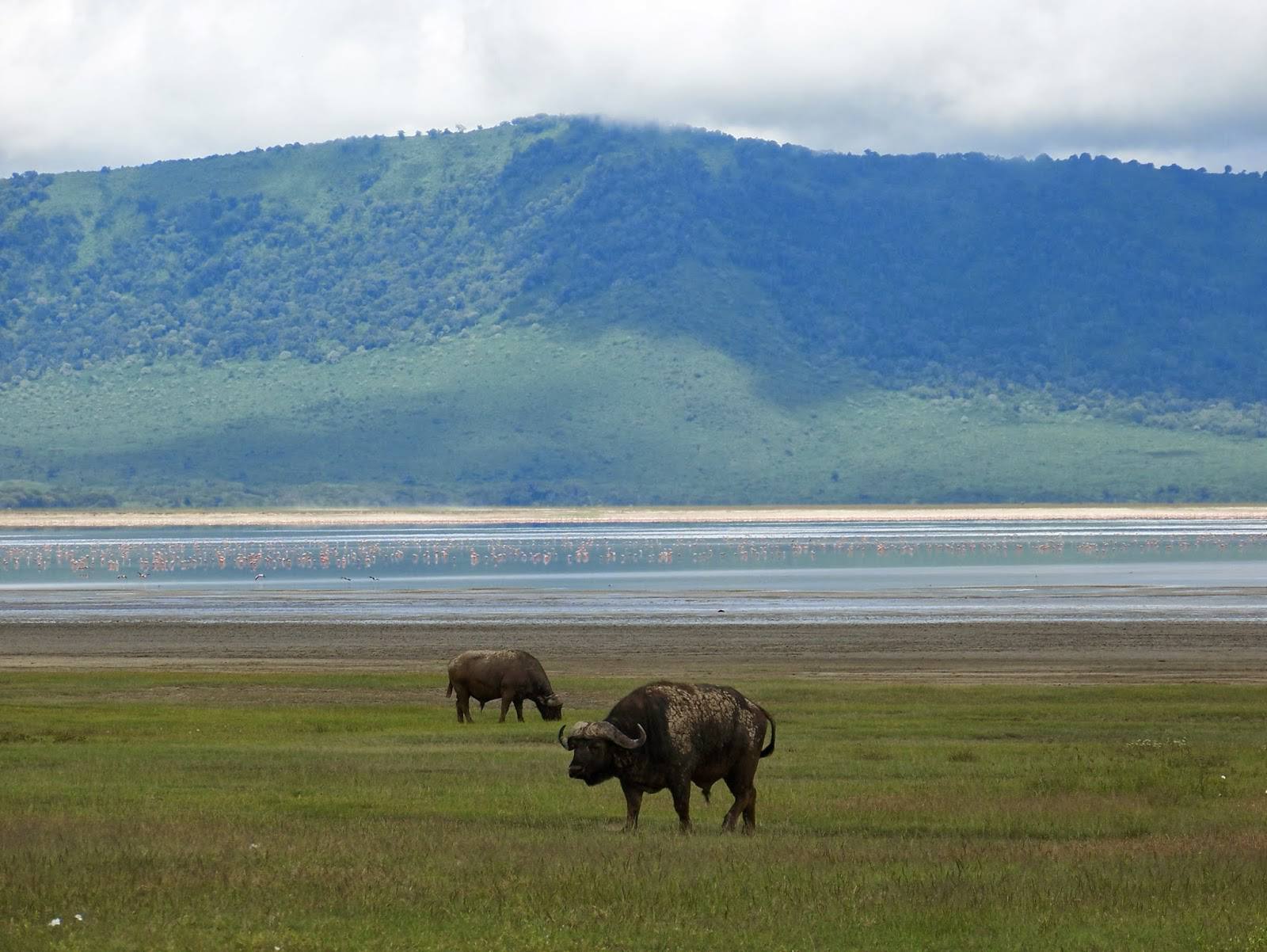
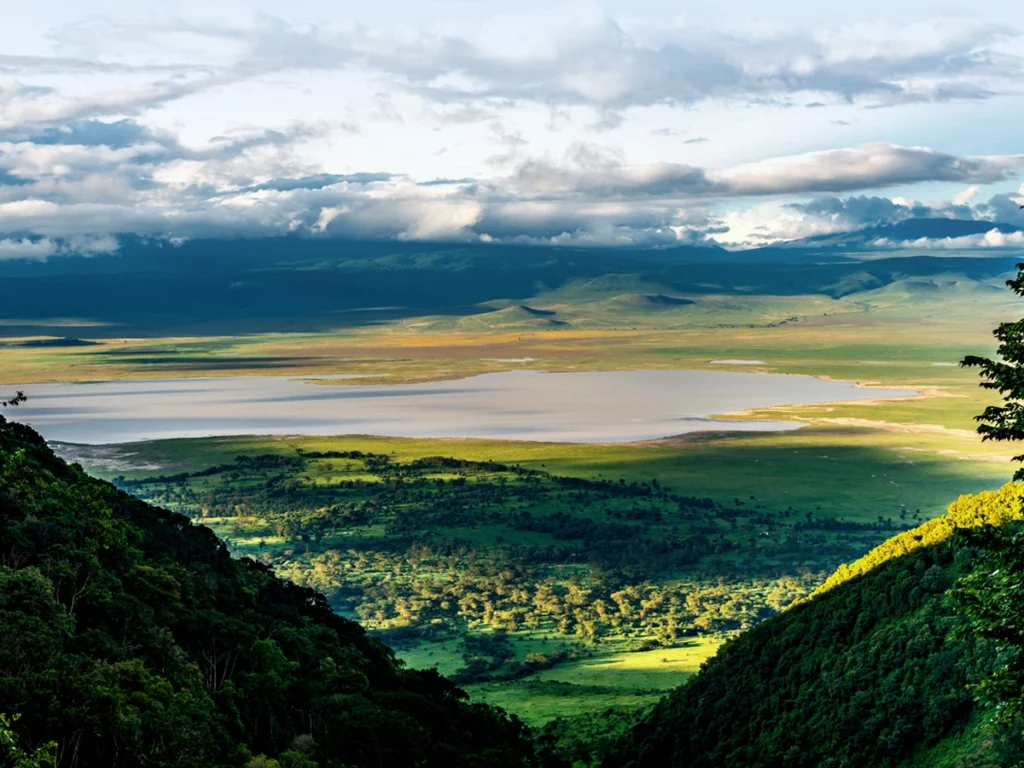
The Ngorongoro Conservation Area, frequently referred to as the Ngorongoro National Park, is a protected UNESCO World Heritage Site in northern Tanzania spanning 8,292 square kilometers across highland plains, savanna, and forests. At its heart lies the famous Ngorongoro Crater, the world’s largest inactive, intact, and unfilled volcanic caldera, which spans 260 square kilometers and drops 610 meters deep. This natural amphitheater functions as a self-sustaining eco-sanction sheltering roughly 30,000 large mammals, boasting the densest known population of mammalian predators in Africa—including prolific lion prides and spotted hyenas. Unlike traditional national parks, it operates as a multi-use territory where semi-nomadic Maasai pastoralists co-exist alongside the native wildlife, creating a globally unique socio-ecological landscape that also encompasses Olduvai Gorge, one of the most critical paleoanthropological sites for human origin research.
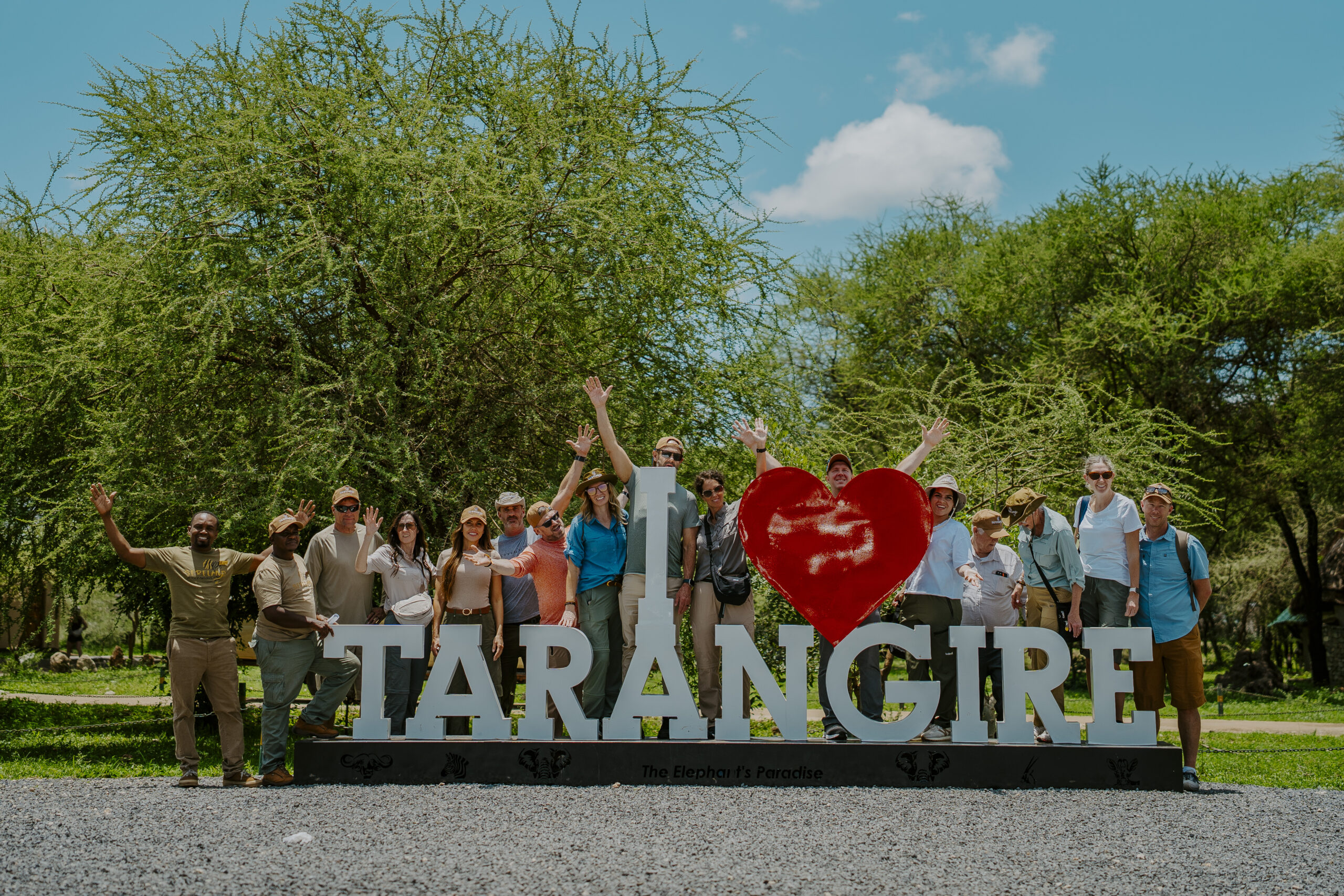
Tarangire National Park in Tanzania is a stunning wildlife sanctuary encompassing roughly 2,850 square kilometers in the Manyara Region, highly celebrated for its iconic baobab-studded landscapes and massive elephant populations. The park is bisected by the Tarangire River, which serves as the primary freshwater lifeline for thousands of migratory animals—including zebras, wildebeests, buffaloes, and elands—that converge on its banks during the annual dry season from June to October. Often described as a quieter, more intimate alternative to the Serengeti, Tarangire provides excellent big game viewing with high concentrations of lions, leopards, and cheetahs, alongside more than 550 distinct bird species.
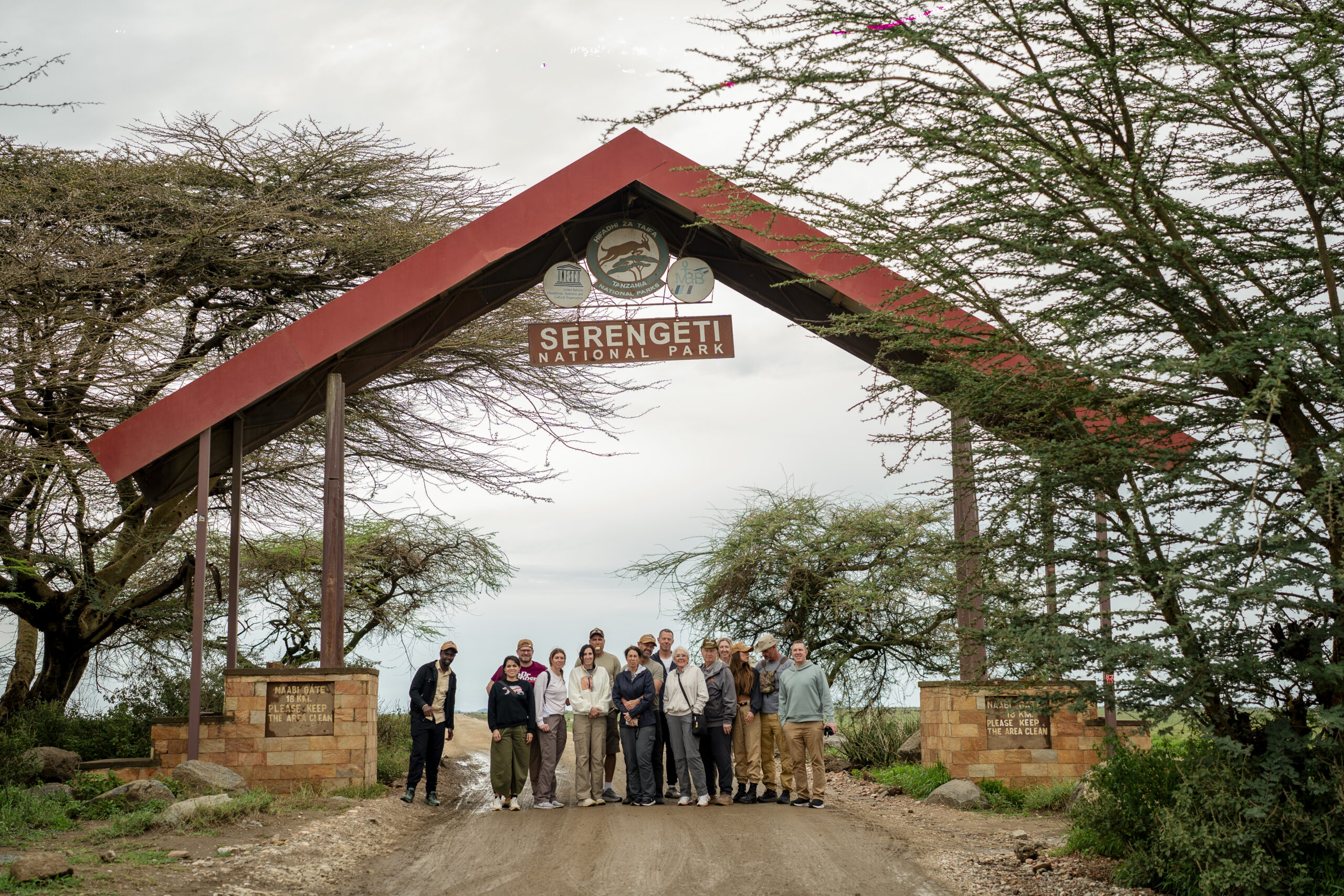
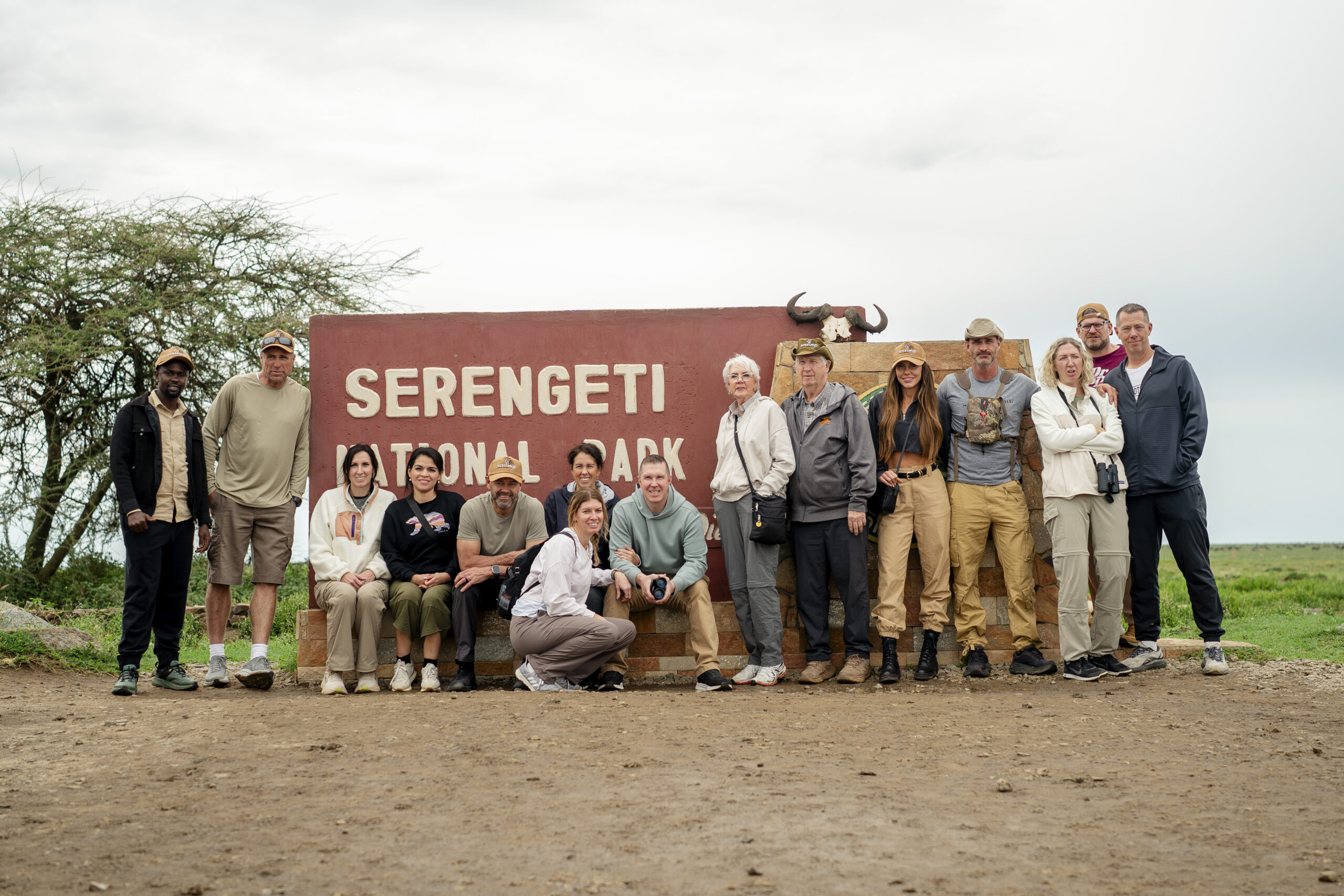
Serengeti National Park in Tanzania is a world-renowned wilderness area encompassing over 14,750 square kilometers of sprawling savanna, riverine forests, and woodlands. Famous for the Great Migration, the park plays host to millions of wildebeest, zebras, and gazelles as they trek across the plains in search of fresh pasture, closely pursued by a dense population of predators including lions, cheetahs, and leopards. As a designated UNESCO World Heritage Site, its unique ecosystems offer unparalleled wildlife viewing, making it a critical sanctuary for biodiversity and one of Africa’s premier safari destinations.