
Kenya

Experience the untamed beauty of Tanzania, where extraordinary wildlife, breathtaking landscapes, and authentic cultural encounters come together to create unforgettable journeys.

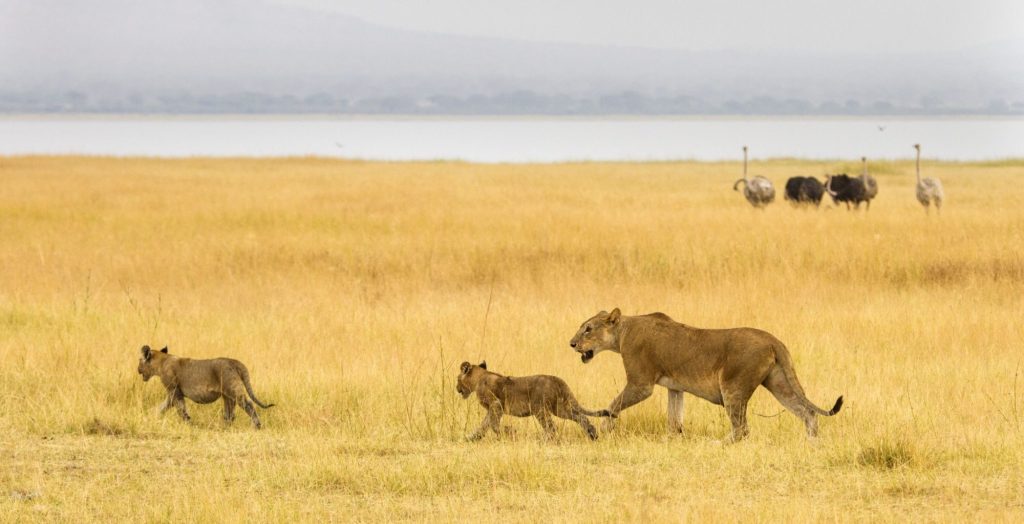
Kenya is one of Africa’s most iconic safari destinations, renowned for its spectacular wildlife, diverse landscapes, and rich cultural heritage. From the vast savannahs of the Maasai Mara and the dramatic landscapes of  Amboseli to the rugged beauty of Tsavo and the scenic Laikipia region, Kenya offers extraordinary experiences for every kind of traveller.

With Sereland Africa Safaris, discover Kenya through thoughtfully crafted journeys that combine exceptional wildlife encounters, breathtaking scenery, authentic cultural experiences, and carefully selected accommodations. Whether witnessing the Great Migration in the Maasai Mara or exploring Kenya’s lesser-known wilderness areas, we create memorable safari experiences designed around your interests and travel style.

Most Popular Tours

12-Day Luxury Safari Adventure with Zanzibar Relaxation

8 Days Tanzania Luxury Safari Experience

5 Days Tanzania Luxury Safari Experience

4-Day Luxury Safari Experience

3-Day Tanzania Serval, Ngorongoro Crater & Tarangire Experience

2-Day Tanzania Safari, Ngorongoro & Tarangire Adventure from Zanzibar

2 Days fly from Zanzibar to Tarangire and Ngorongoro

2-Day Luxury Fly-In Safari from Zanzibar to Serengeti National Park

2-Day Fly-In Safari from Zanzibar to Serengeti National Park

Popular National Parks

Saadani National Park

Saadani National Park Where Safari Meets the Sea in Tanzania

Explore

Rubondo Island National Park

Explore

Mkomazi National Park

Mkomazi National Park | Tanzania’s Hidden Conservation Paradise

Explore

Grumeti Game Reserve

Grumeti Game Reserve | Luxury Safari Experience in the Western Serengeti

Explore

Katavi National Park

Katavi National Park | Tanzania’s Untamed Wilderness Safari

Explore

Tarangire National Park

Tarangire National Park | Tanzania’s Hidden Gem for Elephant Encounters

Explore

Zanzibar

Zanzibar | Tanzania’s Tropical Paradise of Culture, History & Beaches

Explore

Serengeti National Park

Serengeti National Park

Explore

Mahale Mountains National Park

Mahale National Park | Tanzania’s Hidden Chimpanzee Paradise

Explore

When is the best time to go on safari in Kenya?

Kenya is a fantastic safari destination all year round, but the experience changes with the seasons. From June to October, the dry season offers superb wildlife viewing as animals gather around water sources — and it’s also the best time to witness the Great Migration in the iconic Maasai Mara National Reserve.

April and May are part of the rainy season, when the landscapes turn beautifully green, birdlife is abundant, and the parks are less crowded — perfect for travelers seeking a more peaceful and budget-friendly adventure.

When planning your journey with Sereland Africa Safaris, we’ll guide you in selecting the ideal travel dates based on what matters most to you — whether that’s migration action, perfect weather, fewer crowds, or the best value for your budget.
PEAK DRY SEASON – IN KENYA

  • January is one of the best months for safari in Kenya. The weather is warm, dry, and mostly sunny across top parks like Maasai Mara National Reserve, Amboseli National Park, and Tsavo East National Park.                                     
  • Vegetation is shorter, making wildlife easier to spot. Elephants, lions, leopards, buffalo, and rhinos are commonly seen near water sources. It is also an excellent month for birdwatching, with many migratory species present.

SUNNY

HIGH SEASON

THE BIG FIVE

PREDATOR VIEWING

HOT & DRY SAFARI CONDITIONS – IN KENYA

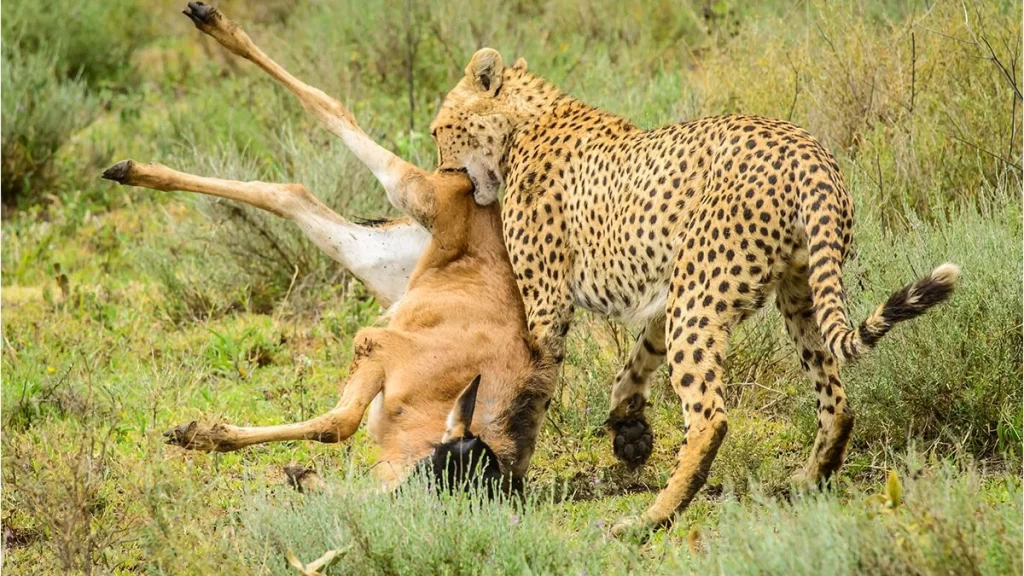
February offers exceptional game viewing with clear skies and concentrated wildlife activity. It’s one of the best months for dramatic predator encounters and classic savannah landscapes.

SUNNY

HIGH SEASON

THE BIG FIVE

PREDATOR VIEWING

TRANSITION TOWARD LONG RAINS – IN KENYA

March marks a seasonal shift. Early days remain dry, but afternoon showers begin appearing toward the end of the month. Landscapes slowly turn greener while wildlife remains active.

AFTERNOON RAINS

SHOULDER SEASON

BIRDWATCHING

PREDATOR VIEWING

LONG RAINS SEASON – IN KENYA

  • April is the peak of the long rains. The savannah becomes lush and vibrant, creating beautiful photographic scenery. Visitor numbers drop, offering quieter safari experiences.

AFTERNOON RAINS

LOW SEASON

BIRDWATCHING

AVERAGE TEMPERATURE

GREEN SEASON – IN KENYA

  • May continues with refreshing rains and dramatic skies. Though wetter, wildlife is still present and the parks are peaceful with fewer vehicles.

AFTERNOON RAINS

LOW SEASON

BIRDWATCHING

SHOULDER SEASON

START OF DRY SEASON – IN KENYA

June signals the return of drier weather. Wildlife viewing steadily improves as animals gather near remaining water sources.

SUNNY

SHOULDER SEASON

PREDATOR VIEWING

THE BIG FIVE

GREAT MIGRATION ARRIVALS – IN KENYA

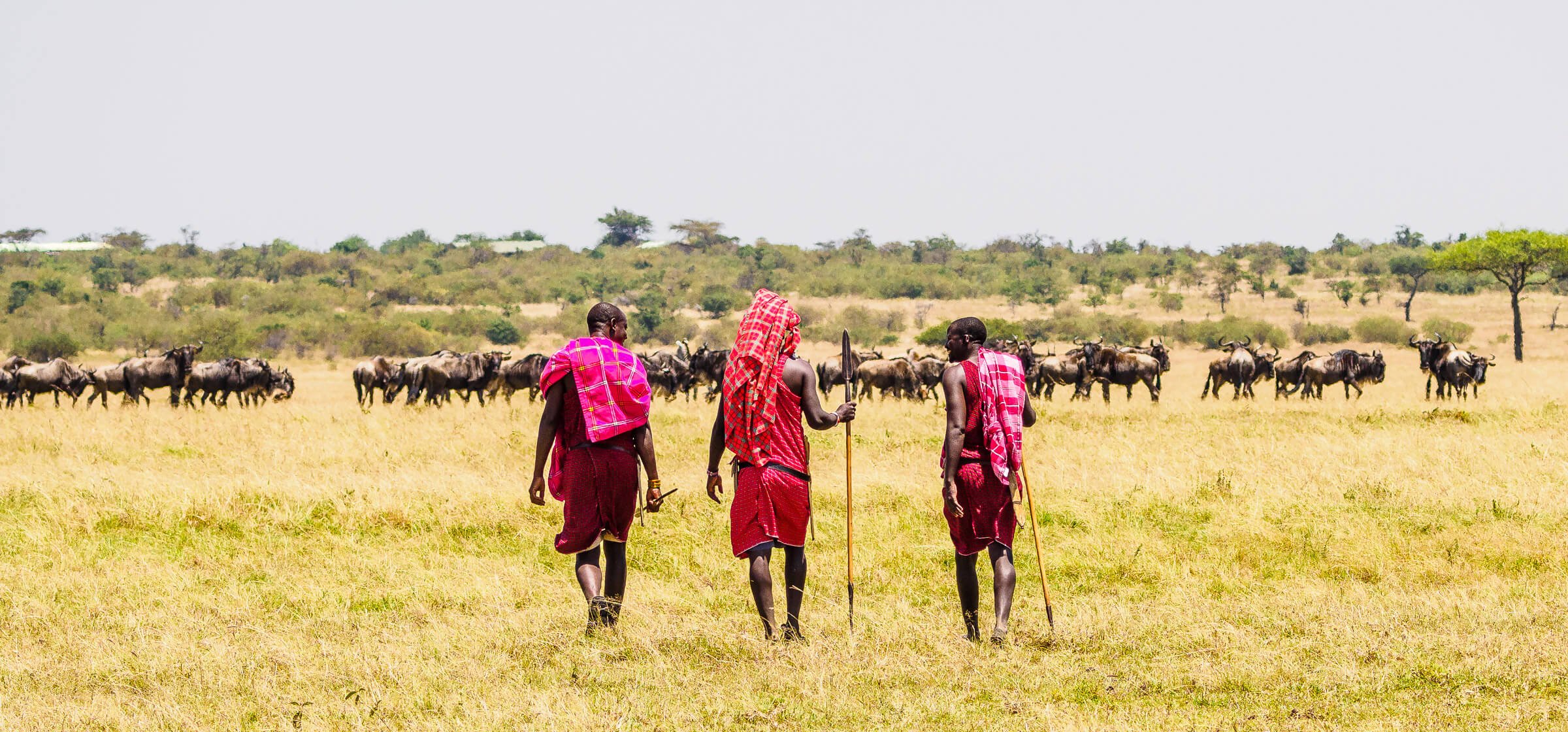
July is a premier safari month as wildebeest begin crossing from Serengeti National Park into the Maasai Mara ecosystem. River crossings become major highlights.

MARA RIVER MIGRATION

SUNNY

HIGH SEASON

PREDATOR VIEWING

PEAK MIGRATION SEASON – IN KENYA

August is the height of migration drama in Maasai Mara National Reserve. Massive herds attempt crossings while predators wait nearby.

MARA RIVER MIGRATION

SUNNY

HIGH SEASON

PREDATOR VIEWING

EXCELLENT ALL-ROUND SAFARI MONTH – IN KENYA

September maintains superb wildlife visibility with dry conditions and continued migration activity in the Mara region.

SUNNY

HIGH SEASON

THE BIG FIVE

PREDATOR VIEWING

END OF DRY SEASON – IN KENYA

October begins dry and gradually transitions toward short rains. Wildlife viewing remains strong with slightly fewer crowds.

SUNNY

SHOULDER SEASON

THE BIG FIVE

PREDATOR VIEWING

SHORT RAINS SEASON – IN KENYA

November brings refreshing afternoon showers that restore green landscapes. Parks are quieter, making it attractive for value-focused travelers.

AFTERNOON RAINS

LOW SEASON

BIRDWATCHING

AVERAGE TEMPERATURE

FESTIVE SAFARI SEASON – IN KENYA

November brings refreshing afternoon showers that restore green landscapes. Parks are quieter, making it attractive for value-focused travelers.

SUNNY

HIGH SEASON

THE BIG FIVE

PREDATOR VIEWING

Popular Accommodations

Serengeti Migration Camp

Read More

Serengeti Explorer

Read More

Pori Pori Camps

Read More

Dove Serengeti Camps

Read More

Mbuni Camps

Read More

Kisiwa onthe Beach

Read More

Royal Zanzibar

Read More

The Moral Zanzibar

Read More

Melia Zanzibar

Read More

Kenya Safari Blog

Serengeti vs Masai Mara Safari: Which Destination Is Better in 2027?

First-Time Tanzania Safari Guide 2027: Everything You Need to Know Before You Go

Great Migration Safari 2027: Best Time, River Crossings & Month-by-Month Guide

Tanzania Safari Cost 2027: Complete Guide for Every Budget

Why is Tanzania the Top Safari Destination in Africa?

Average Cost of Safari in Tanzania

Tipping in Tanzania

The Barranco Wall on Kilimanjaro

Zanzibar Best Beaches

Kenya Frequently Asked Questions

Planning a Trip to Tanzania?

Our team is always here to help

landing page form
  • Days
  • Accommodations
  • Travel Dates
  • Personal Details
How many days would you like your safari to be?

lake manyara National Park

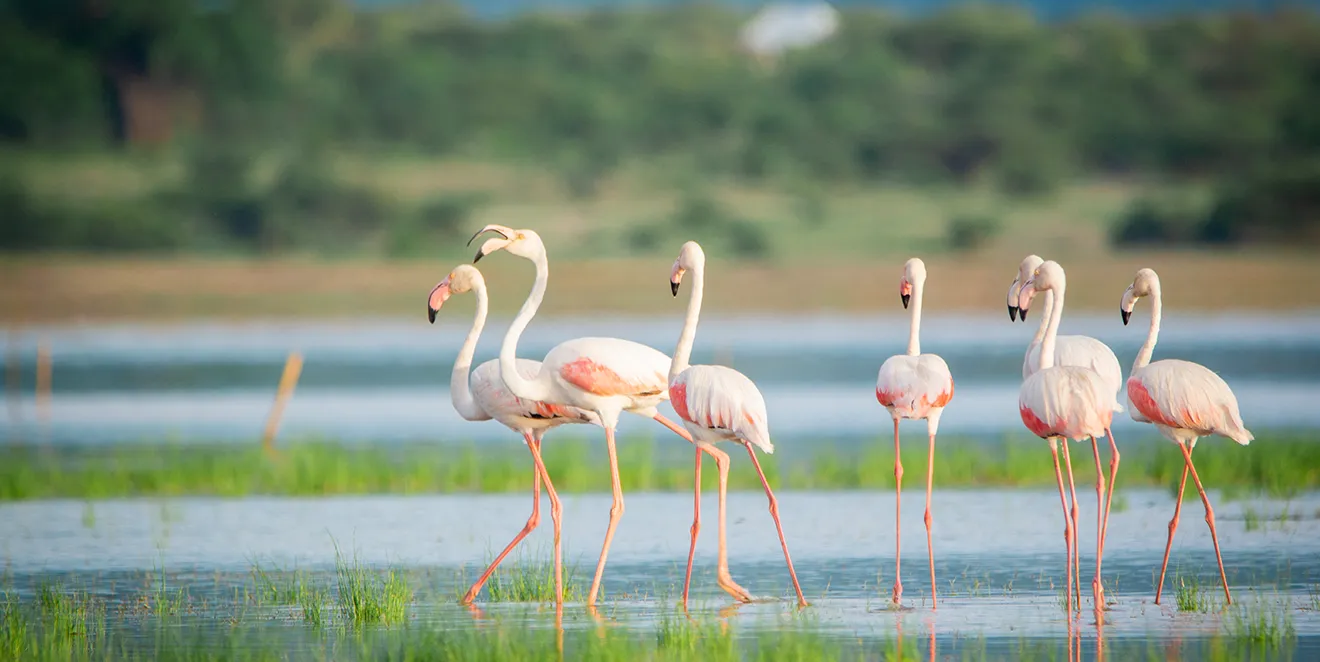
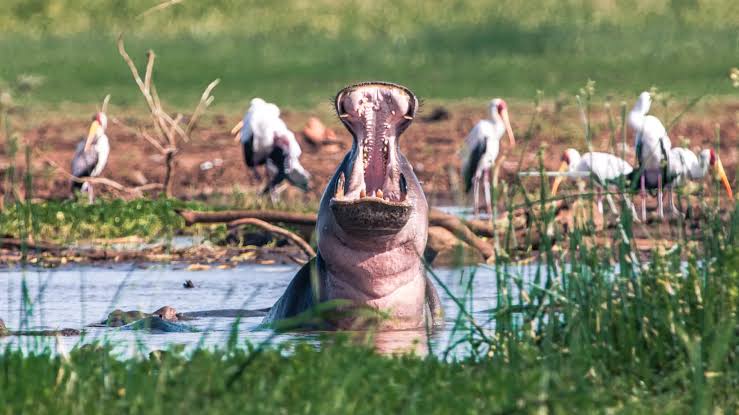
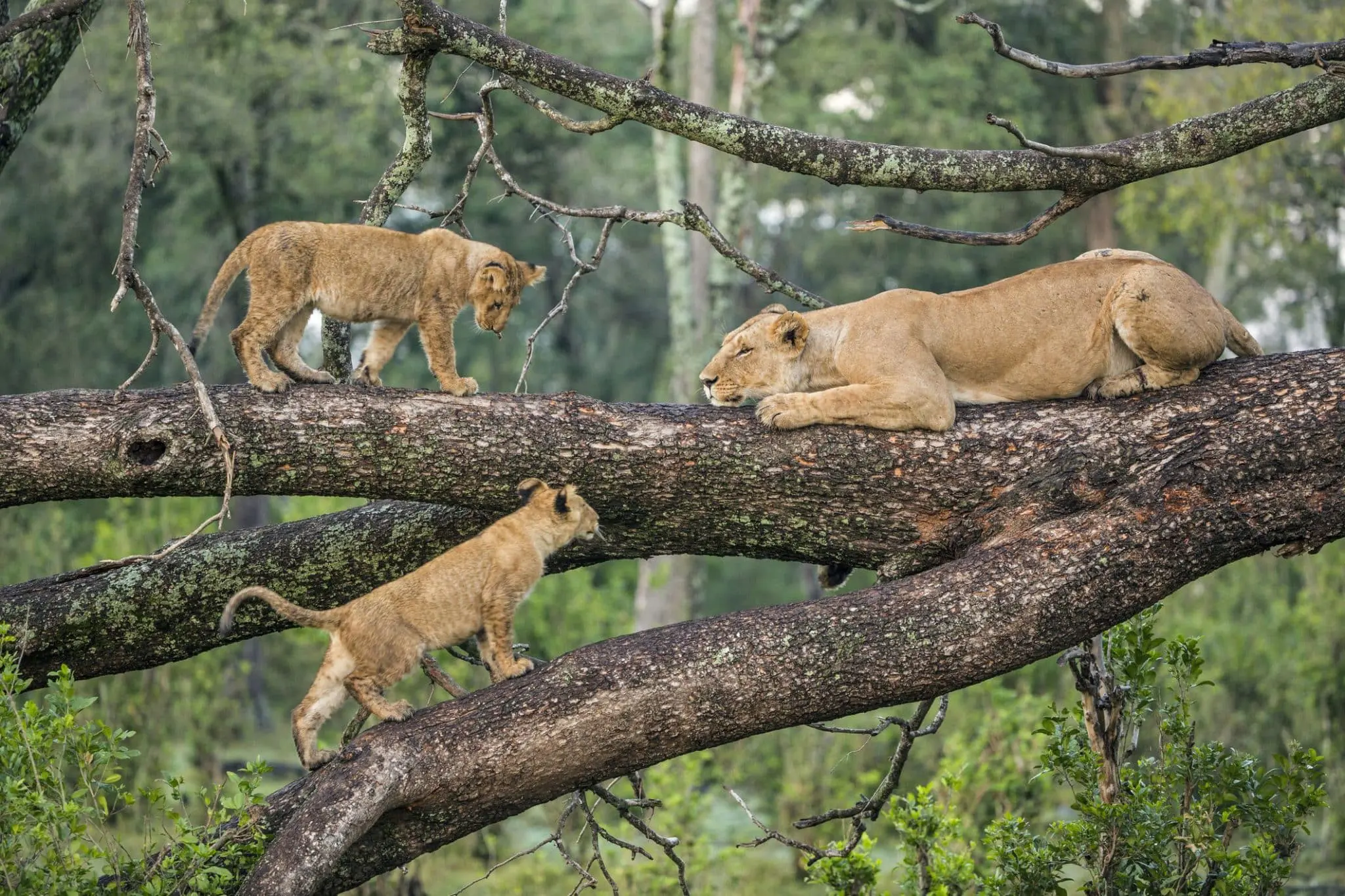
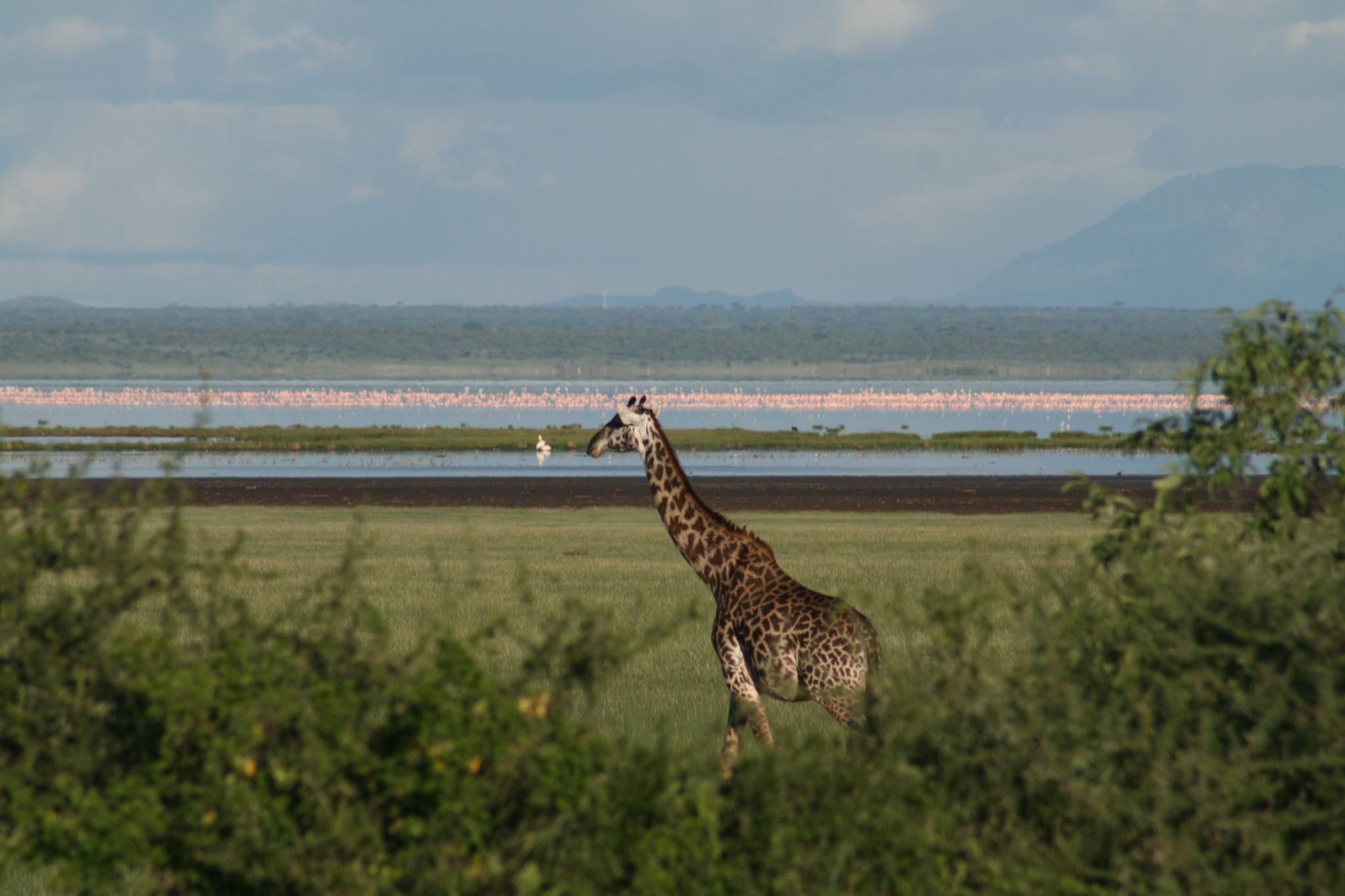
Lake Manyara National Park is a compact yet ecologically diverse wildlife sanctuary located in northern Tanzania, covering 325 square kilometers between the sheer cliffs of the Great Rift Valley Escarpment and the glassy waters of Lake Manyara. Nearly two-thirds of the park’s total surface area is occupied by the alkaline soda lake itself, which regularly draws millions of pink flamingos and other waterbirds to its shallow edges. The remaining terrain features a dramatic sequence of habitats, moving from a dense groundwater forest populated by massive troops of olive baboons and blue monkeys to open acacia woodlands famous for sheltering rare tree-climbing lions. Its rich environment provides critical feeding grounds for large herds of elephants, Cape buffaloes, giraffes, and hippos wallowing at the Mto wa Mbu entry points, offering a visually stunning, rapid safari experience right on the doorstep of the broader Northern Safari Circui

Ngorongoro National Park

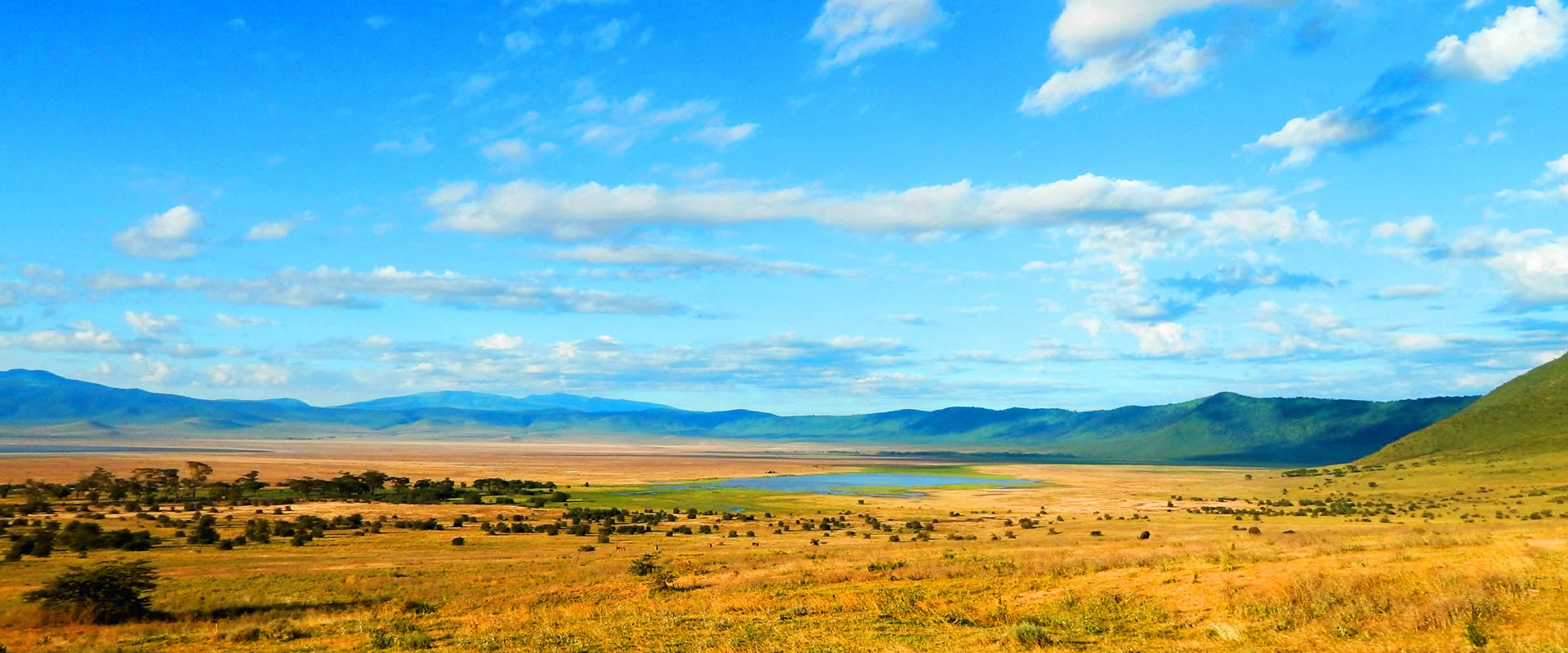
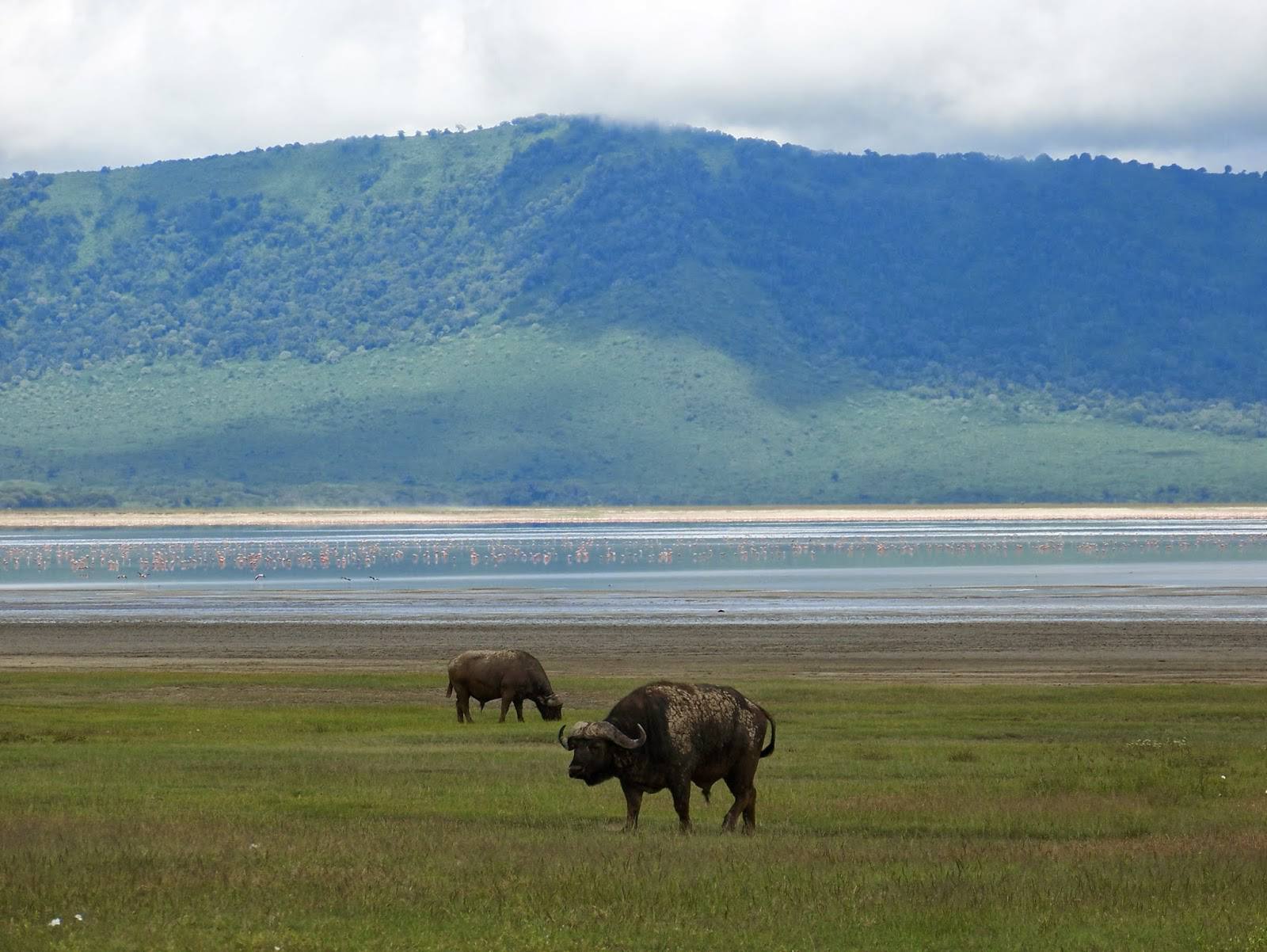
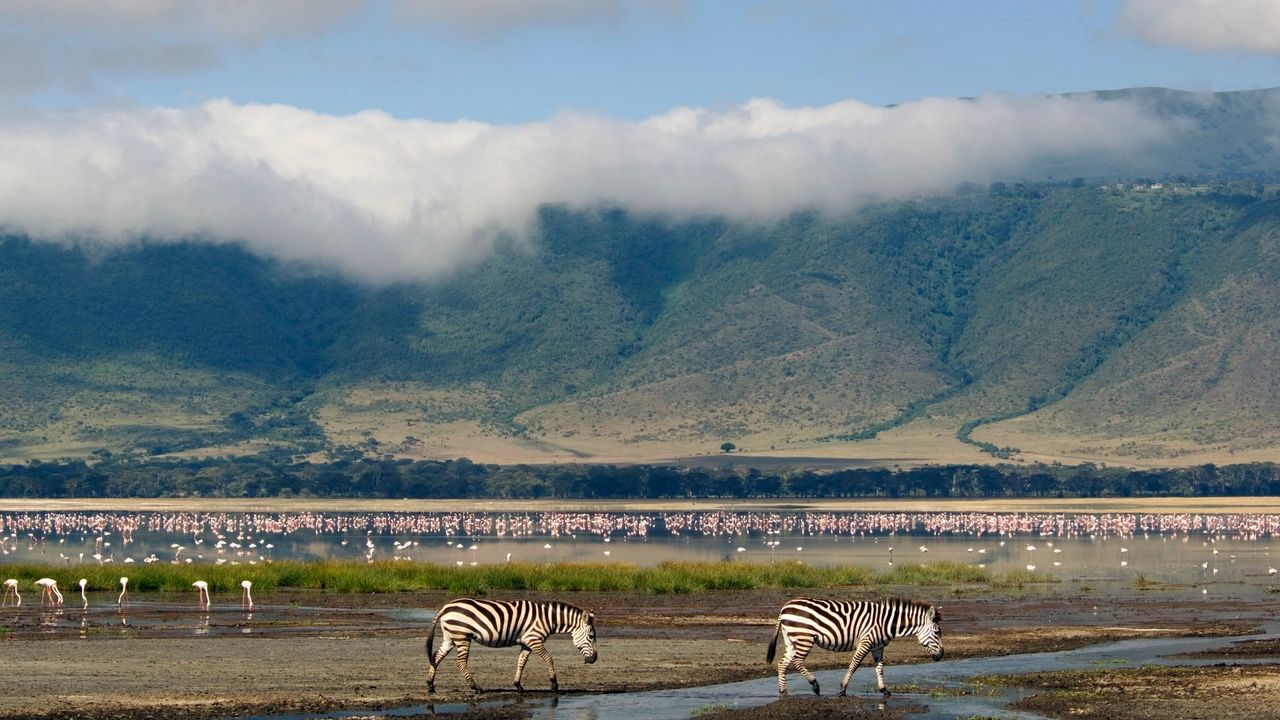
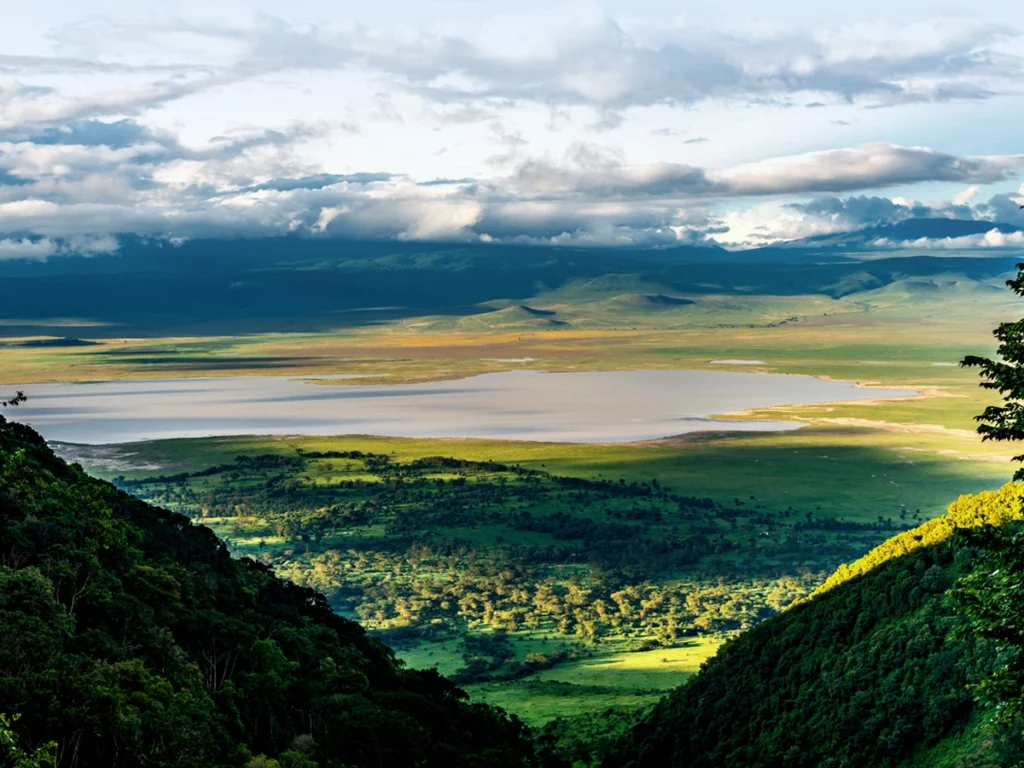
The Ngorongoro Conservation Area, frequently referred to as the Ngorongoro National Park, is a protected UNESCO World Heritage Site in northern Tanzania spanning 8,292 square kilometers across highland plains, savanna, and forests. At its heart lies the famous Ngorongoro Crater, the world’s largest inactive, intact, and unfilled volcanic caldera, which spans 260 square kilometers and drops 610 meters deep. This natural amphitheater functions as a self-sustaining eco-sanction sheltering roughly 30,000 large mammals, boasting the densest known population of mammalian predators in Africa—including prolific lion prides and spotted hyenas. Unlike traditional national parks, it operates as a multi-use territory where semi-nomadic Maasai pastoralists co-exist alongside the native wildlife, creating a globally unique socio-ecological landscape that also encompasses Olduvai Gorge, one of the most critical paleoanthropological sites for human origin research.

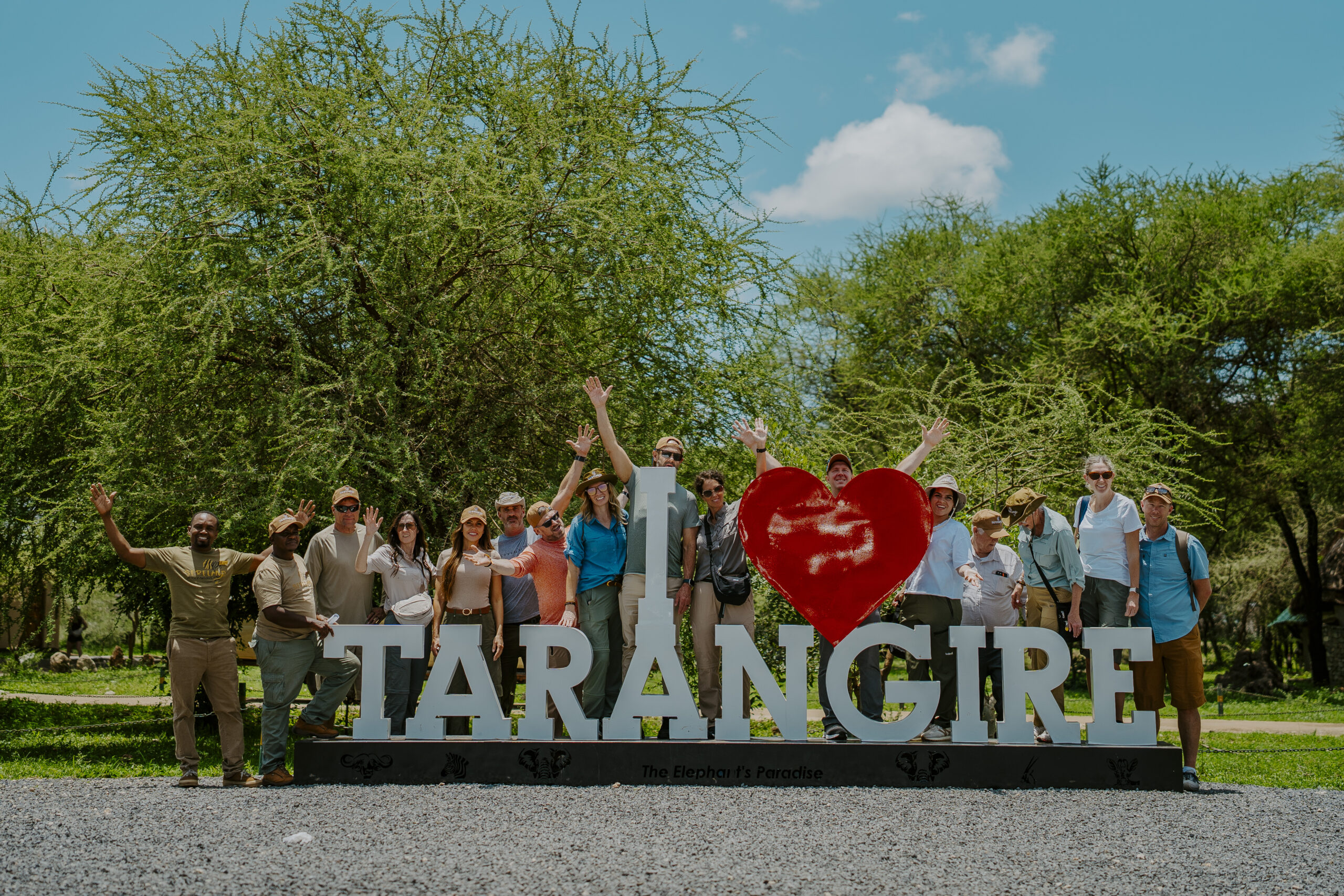
TARANGIRE National Park

Tarangire National Park in Tanzania is a stunning wildlife sanctuary encompassing roughly 2,850 square kilometers in the Manyara Region, highly celebrated for its iconic baobab-studded landscapes and massive elephant populations. The park is bisected by the Tarangire River, which serves as the primary freshwater lifeline for thousands of migratory animals—including zebras, wildebeests, buffaloes, and elands—that converge on its banks during the annual dry season from June to October. Often described as a quieter, more intimate alternative to the Serengeti, Tarangire provides excellent big game viewing with high concentrations of lions, leopards, and cheetahs, alongside more than 550 distinct bird species.

Serengeti National Park

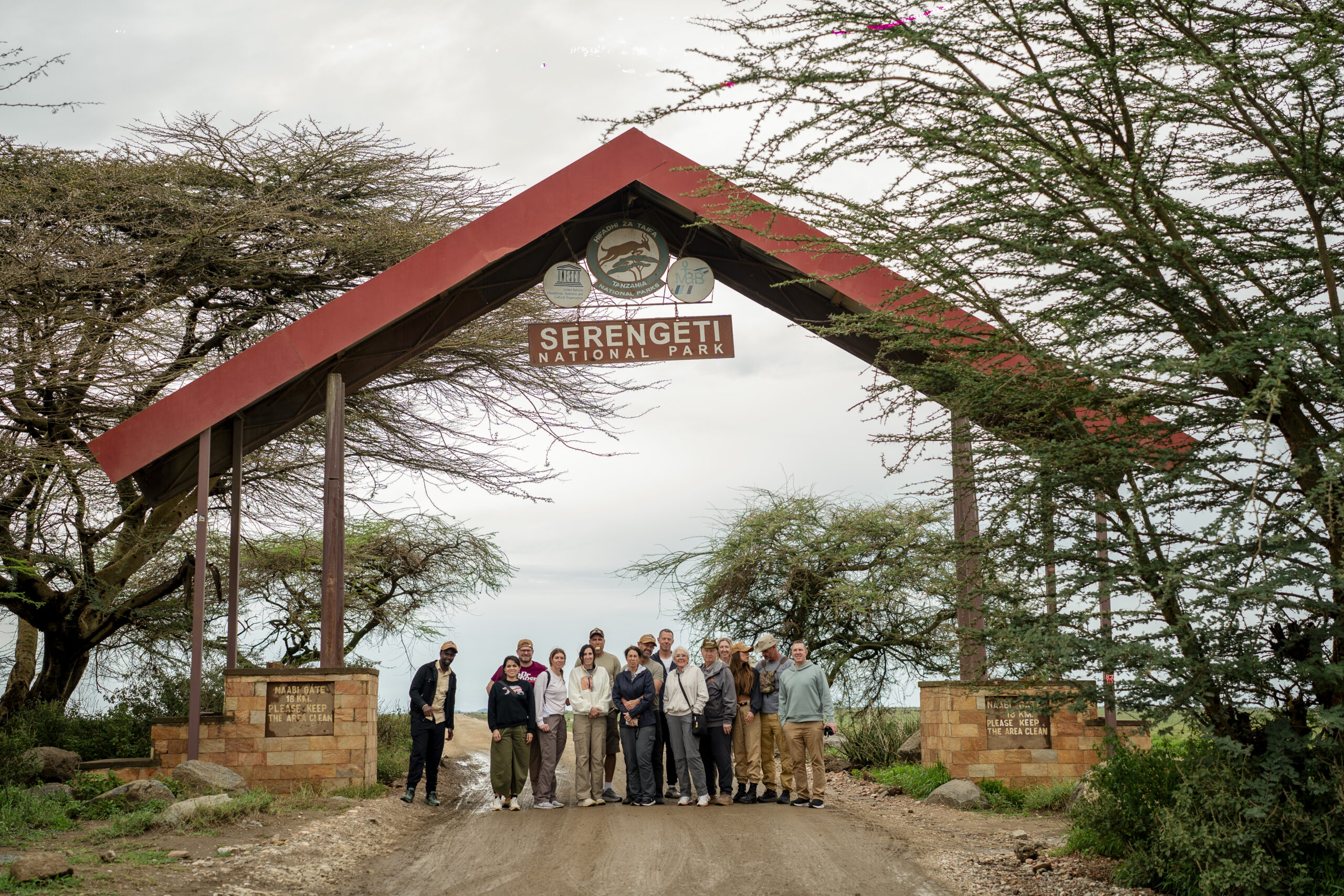
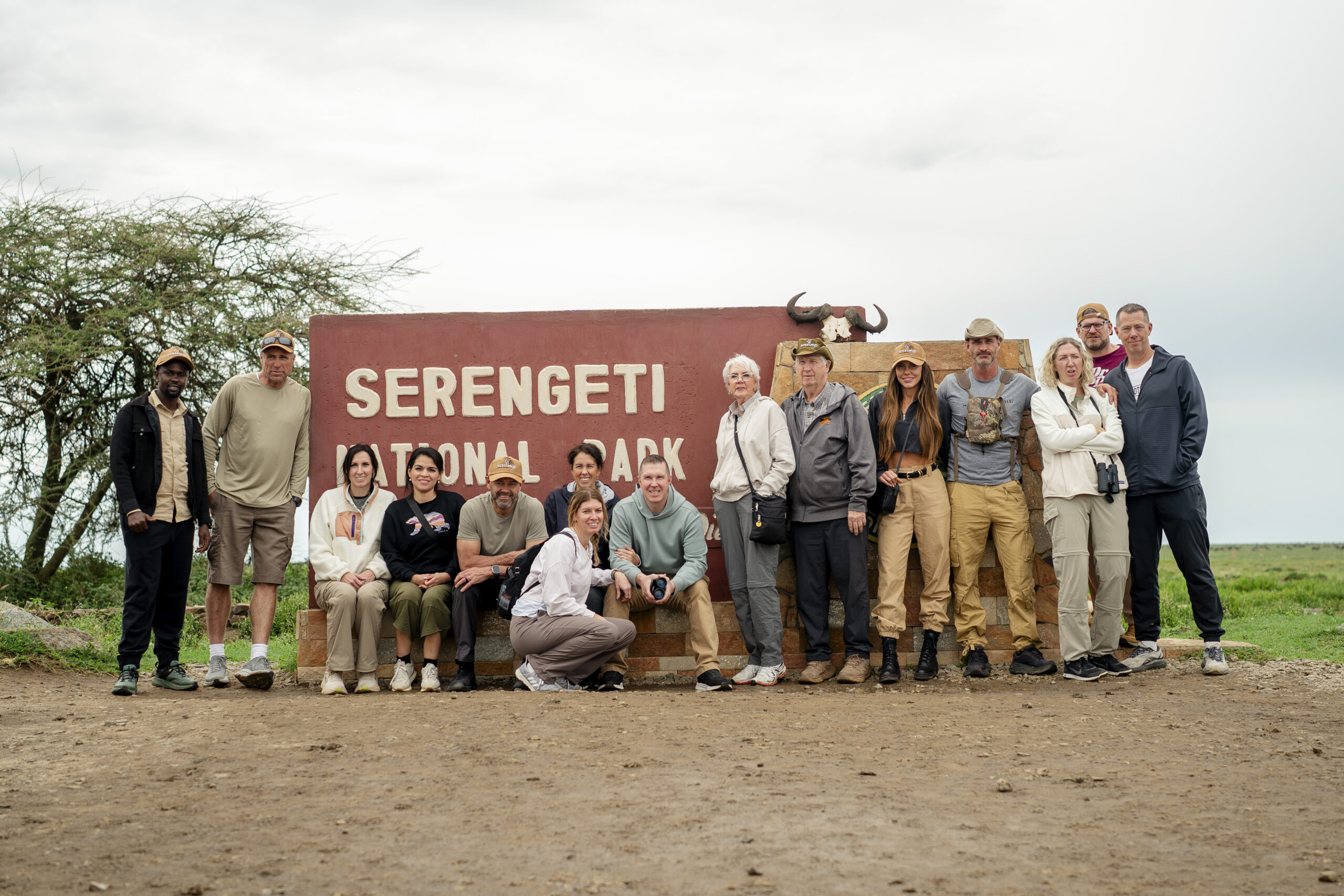
Serengeti National Park in Tanzania is a world-renowned wilderness area encompassing over 14,750 square kilometers of sprawling savanna, riverine forests, and woodlands. Famous for the Great Migration, the park plays host to millions of wildebeest, zebras, and gazelles as they trek across the plains in search of fresh pasture, closely pursued by a dense population of predators including lions, cheetahs, and leopards. As a designated UNESCO World Heritage Site, its unique ecosystems offer unparalleled wildlife viewing, making it a critical sanctuary for biodiversity and one of Africa’s premier safari destinations.